









200+ Jet Orders This Week Leave Airbus, Embraer, and ATR Racing to Keep Up

- Over 200 aircraft orders by carriers like Malaysia Airlines, AirAsia, SAS, and Air Algérie have fuelled unprecedented demand at Airbus, Embraer, and ATR.
- Airlines are aggressively securing delivery slots amid booming travel, supply chain bottlenecks, and OEM backlogs stretching into the 2030s.
- This surge marks a global shift as carriers balance new routes and fleet renewals to lock in future capacity and stay ahead.

Over 200 Jet Orders in the last week Have Left Airbus, Embraer, and ATR in a Tizzy. Airlines are rushing to secure aircraft capacity amid booming travel demand and delivery backlogs that are expected to stretch into the 2030s.
Global carriers, including Malaysia Airlines, SAS, AirAsia, and Air Algérie, have placed over 200 aircraft orders in the past few days, causing order books at Airbus, Embraer, and ATR to surge. This wave of orders includes widebody, narrowbody, and regional aircraft as airlines embark on fleet renewals, all while navigating ongoing supply chain and production constraints.
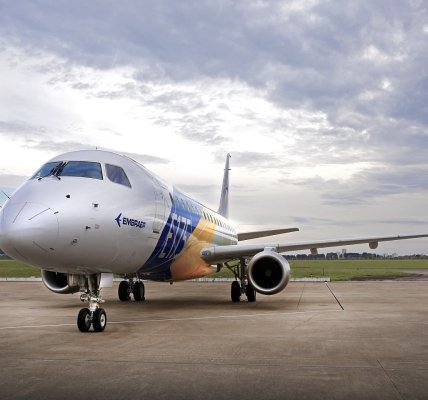
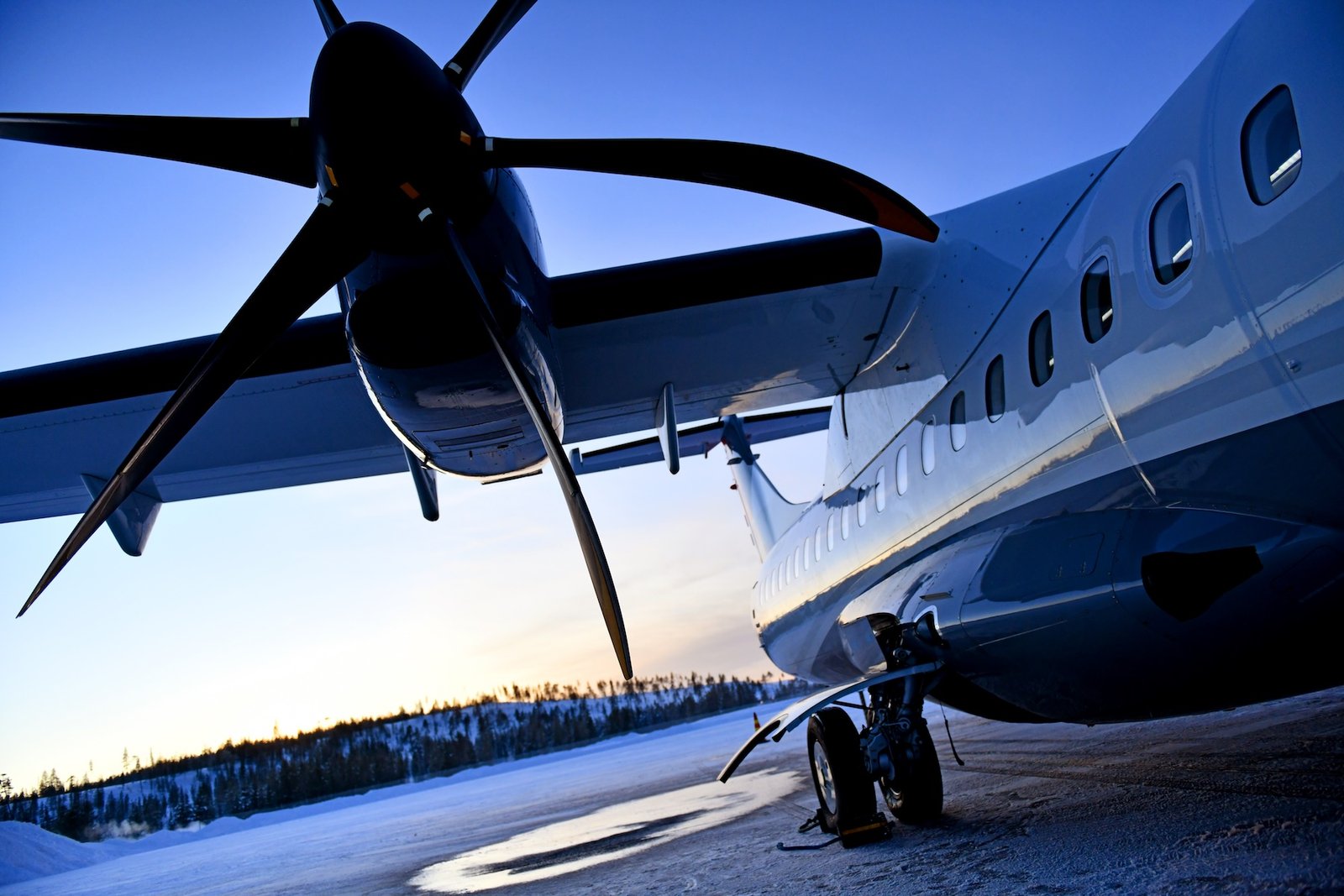
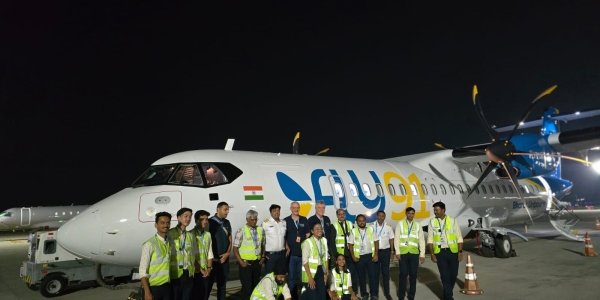
Among the most significant deals: Malaysia Airlines doubled its A330neo fleet to 40, AirAsia locked in 70 A321XLRs in a $12.25 billion agreement, SAS ordered 45 Embraer E195-E2s, and Air Algérie booked 16 ATR 72-600s along with Africa’s first full-flight ATR simulator, the largest ATR order ever from the continent.
Airlines’ route expansion plans are driving the order book
The burst of orders isn’t just about modernising fleets; it reflects bold expansion strategies unfolding in parallel. SAS is ramping up its overall capacity by 70%, targeting deeper connectivity across Europe, North America, Asia, and the Middle East. Its new Embraer jets will enhance regional flexibility, enabling more frequencies and right-sized aircraft for thinner routes.

On the other hand, AirAsia is shifting toward a Gulf hub strategy, exploring new routes to Europe and Central Asia, and considering investments in Saudi Arabia. The A321XLR’s ultra-long-range capabilities will be essential for this transition, enabling the airline to become the world’s first low-cost narrowbody network carrier with true intercontinental reach.

Air Algérie has set equally ambitious goals, aiming to serve 60 international destinations by 2025. The state carrier is expanding its presence in Europe, the Americas, and Asia, with new routes planned to Zanzibar, N’Djamena, Libreville, Guangzhou, and Kuala Lumpur. The 72-seater ATRs will support the growth of its domestic network through its newly launched Domestic Airlines subsidiary, while the widebody fleet is expected to facilitate long-haul operations.
Capacity is Crucial
The current surge in orders, primarily driven by airlines in Asia and Europe, not only indicates a strong recovery in the aviation sector but also reflects a strategic restructuring of airline fleets across different regions and business models. This trend highlights both rising passenger demand and the competitive push to secure early delivery slots as Original Equipment Manufacturer (OEM) capacity tightens.
Behind the rush, however, lies a challenging reality for the industry. OEMs are facing historic backlogs, with Boeing and Airbus struggling with backlogs of over 5,000 and 8,000 aircraft, respectively. These numbers have largely remained unchanged for the past decade.
Despite a sharp rebound in passenger demand, OEMs have found it difficult to ramp up production due to chronic supply chain disruptions and labour shortages. As a result, new orders placed today may not be fulfilled until the early 2030s, motivating airlines to secure capacity now to avoid falling behind.
A leading aviation analyst stated, “The demand for new aircraft remains unprecedented and is matched only by passenger demand for air travel.” They emphasised that the surge in bookings reflects a significant shift in how airlines are preparing for growth by locking in future capacity while it is still available.
Order Spree Beyond the Paris Air Show
This recent wave of orders builds upon the 150-aircraft Memorandum of Understanding (MoU) signed by Airbus with VietJet Air at the Paris Air Show, which includes 100 A321neos. Additionally, there are separate widebody deals for A350s with EgyptAir, Japan’s ANA, and Poland’s LOT.
Overall, this trend demonstrates a shift in global airline strategies: balancing sustainability and fuel efficiency with a competitive push for production slots. As OEMs manage historic backlogs and airlines modernise ageing fleets, what began as a post-COVID recovery has now evolved into an industry-wide race for fleet expansion.
The current surge in aircraft acquisitions is more than just a rebound; it reflects a significant shift in global airline strategy. Carriers are transitioning from a focus on flexibility to ensuring guaranteed capacity. They are now matching specific fleet types to emerging traffic routes, spanning from Southeast Asia to North Africa and the Nordic countries.
As OEMs juggle record demand with tight delivery schedules, the skies may be clearing for passengers, but for manufacturers, the pressure is only beginning.
Read More: Scandinavian Airlines (SAS) Orders 55 Embraer E195-E2 Aircraft in Largest Deal Since 1996