



















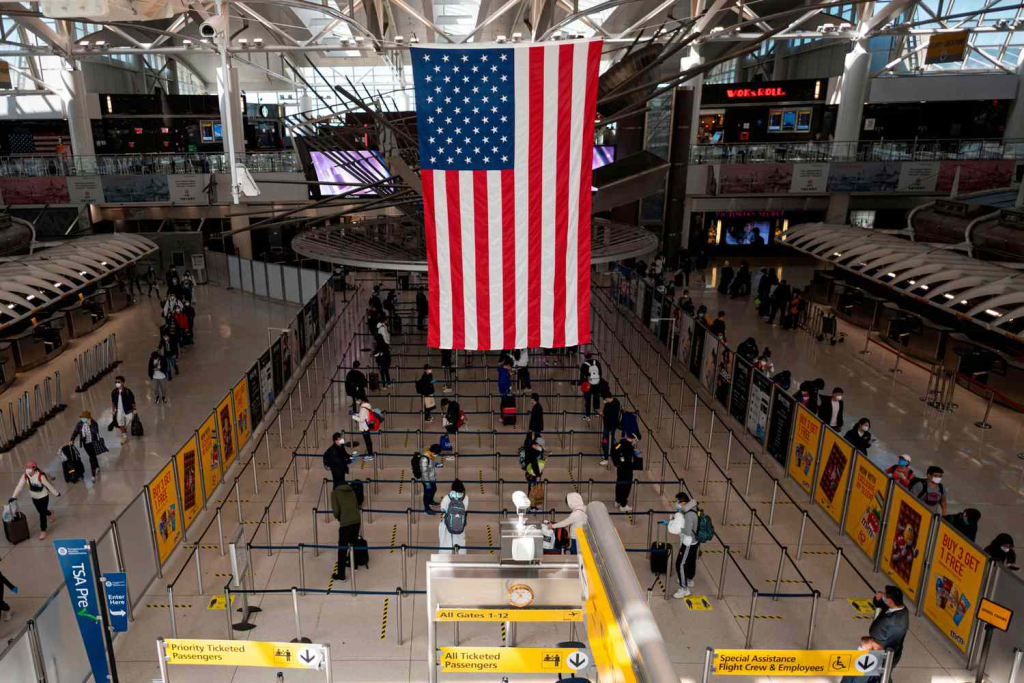
- New York Has a Powerful Multi-Airport System
John F. Kennedy International Airport, LaGuardia Airport, and Newark Liberty International Airport together form one of the busiest and most important airport systems in the world. - JFK Leads in International Travel
JFK is New York’s primary global gateway, handling long-haul flights, premium international travel, and major cargo operations. - Regional Airports Strengthen Statewide Connectivity
Airports like Buffalo Niagara International Airport, Albany International Airport, and Syracuse Hancock International Airport improve domestic connectivity, reduce congestion in NYC, and support local economies across New York State.
Airports in New York
New York is one of the most important aviation hubs in the United States and the world. With millions of domestic and international travelers passing through every year, the state has a well-developed airport network that supports tourism, business, cargo, and global connectivity.
From world-famous international gateways like JFK to smaller regional and general aviation airports, this guide covers all major airports in New York, their roles, and why they matter.
How Many Airports Are in New York?
New York has more than 130 public-use airports, including:
- Major international airports
- Domestic commercial airports
- Regional and municipal airports
- General aviation and private airfields
However, only a handful handle the majority of passenger traffic.
Major International Airports in New York
John F. Kennedy International Airport (JFK)
Location: Queens, New York City
John F. Kennedy International Airport is the largest and most important airport in New York for international travel.
Key Highlights
- Primary international gateway to the USA
- Handles long-haul flights to Europe, Asia, Africa, and the Middle East
- Major hub for international airlines
- One of the busiest airports in North America
JFK is especially known for premium travel, cargo operations, and global airline connectivity.
LaGuardia Airport (LGA)
Location: Queens, New York City
LaGuardia Airport mainly handles domestic flights and short-haul routes.
Key Highlights
- Focuses on domestic and regional travel
- Limited long-haul flights
- Recently redeveloped with modern terminals
- Very close to Manhattan
LGA is one of the busiest domestic airports in the country despite its smaller size.
Newark Liberty International Airport (EWR)
Location: Newark, New Jersey (serves New York City)
Although located in New Jersey, Newark Liberty is considered part of the New York airport system.
Key Highlights
- Major international and domestic airport
- Important hub for United Airlines
- Serves both business and leisure travelers
- Strong transatlantic connectivity
Together, JFK, LGA, and EWR form the New York metropolitan airport system.
Other Commercial Airports in New York State
Buffalo Niagara International Airport (BUF)
Location: Buffalo
- Major airport in Western New York
- Strong domestic connectivity
- Serves US and limited international routes
- Important for cross-border travel with Canada
Syracuse Hancock International Airport (SYR)
Location: Syracuse
- Key airport in Central New York
- Serves domestic destinations
- Important for regional business and education travel
Albany International Airport (ALB)
Location: Albany
- Serves New York’s capital region
- Handles government and business travel
- Domestic routes to major US cities
Rochester Greater International Airport (ROC)
Location: Rochester
- Serves the Finger Lakes region
- Focuses on domestic travel
- Important regional hub for education and healthcare sectors
Regional and Municipal Airports in New York
New York also has many smaller airports that support local and regional travel.
Examples Include:
- Westchester County Airport (HPN) – Popular for business travel
- Long Island MacArthur Airport (ISP) – Alternative to NYC airports
- Stewart International Airport (SWF) – Cargo and low-cost airlines
- Plattsburgh International Airport (PBG) – Serves northern New York and Canada
These airports reduce congestion at major hubs and improve regional connectivity.
Airports in New York City
New York City itself is served by three major airports:
| Airport | Primary Role |
| JFK | International long-haul flights |
| LaGuardia | Domestic and short-haul flights |
| Newark | Mixed international & domestic |
This multi-airport system allows New York City to handle one of the largest passenger volumes in the world.
Cargo Airports in New York
New York is also a major cargo hub.
Key Cargo Airports
- JFK – Leading international cargo airport
- Newark – Strong freight and logistics operations
- Stewart International – Growing cargo traffic
Cargo airports support industries such as:
- E-commerce
- Pharmaceuticals
- Fashion and luxury goods
- Perishable food imports
General Aviation Airports in New York
In addition to commercial airports, New York has numerous general aviation airports used for:
- Private jets
- Flight training
- Emergency services
- Medical flights
- Law enforcement operations
These airports play a crucial role in aviation safety and regional mobility.
Why Airports in New York Are So Important
Airports in New York are critical because:
- New York is a global business center
- High tourism demand year-round
- Strong international trade connections
- Large population density
- Major financial and cultural influence
The state’s airports collectively support millions of jobs and contribute billions to the economy.
Challenges Faced by New York Airports
Despite their importance, New York airports face several challenges:
- Congestion and air traffic delays
- Limited space for expansion
- Weather-related disruptions
- Aging infrastructure in some areas
Ongoing redevelopment projects aim to address these issues.
Future of Airports in New York
Major investments are shaping the future of New York’s airports.
Key Developments
- JFK terminal modernization
- LaGuardia’s completed redevelopment
- Sustainable airport initiatives
- Improved public transport access
- Smart security and biometric systems
These upgrades will improve passenger experience and efficiency.
Conclusion
New York has one of the most complex and important airport systems in the world. From global hubs like JFK to regional airports serving local communities, airports in New York support international travel, domestic connectivity, cargo movement, and economic growth.
Whether you are a business traveler, tourist, or aviation enthusiast, understanding the role of New York’s airports helps you appreciate how vital they are to both the state and the global aviation network.