









- IndiGo is deploying wet-leased aircraft, including six MAX 8 jets, as a measure to manage grounded planes and expand its operational capacity.
- While this approach adds flexibility, it also introduces higher costs and operational complexities.
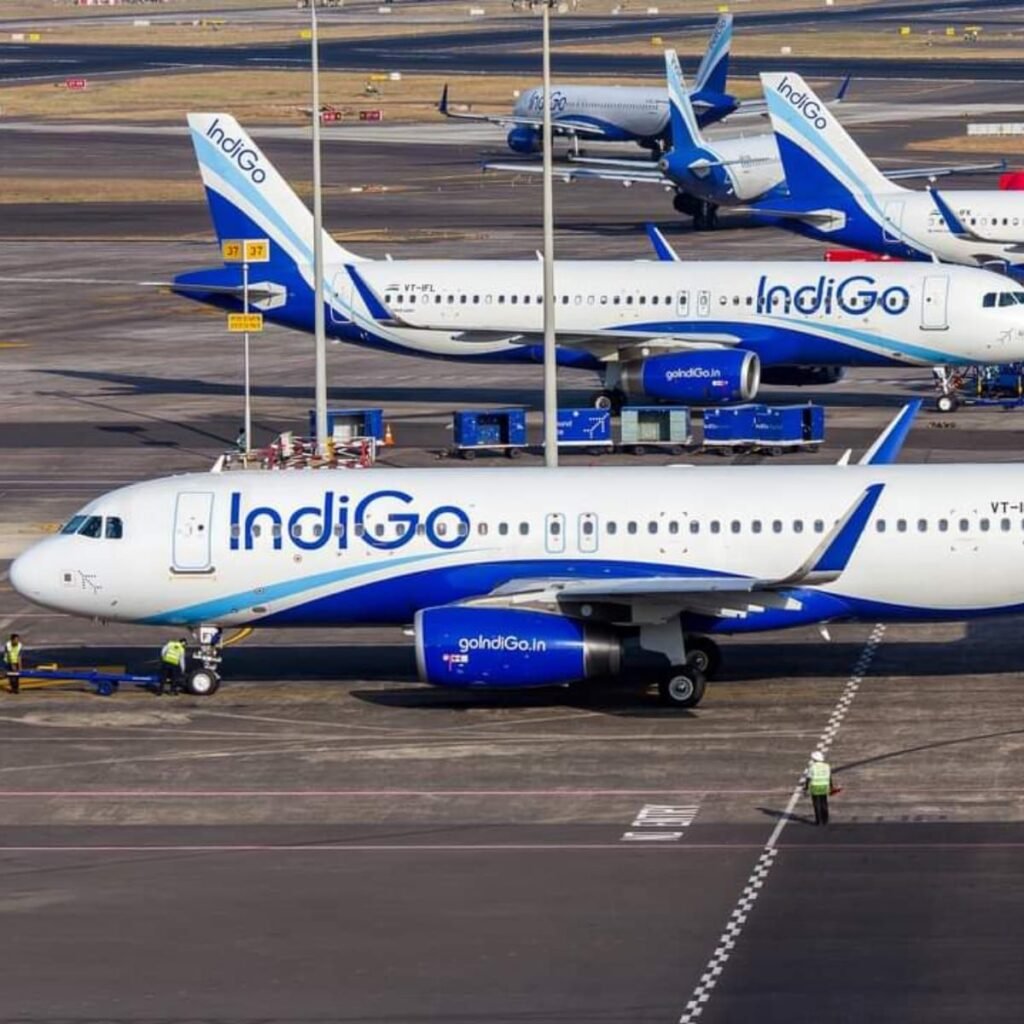
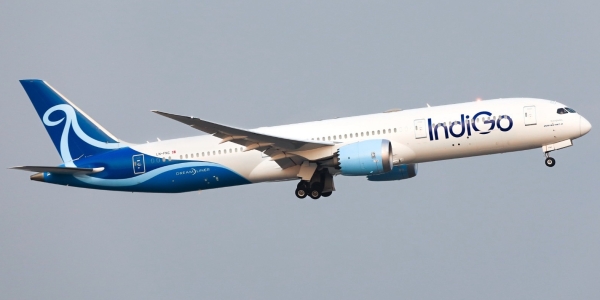
IndiGo – India’s largest carrier by fleet and market share, is inducting six MAX 8 aircraft on wet lease, which have come from Corendon Airlines of Turkey. These six will complement the six MAX 8 which are already in operation and ply to Doha from various points in India. The initial lot of these planes have come from Qatar Airways. The airline operates two more Boeings on wet-lease, which ply exclusively to Istanbul and belong to Turkish Airways. Additionally, it has over 10 Airbus aircraft from operators in Europe on wet lease.
These wet leases are often referred to as “Damp” leases by the airline since the flight deck crew is from the airline operating while the cabin crew sees the IndiGo crew. In the aviation world, wet-leased aircraft play a unique and significant role, offering airlines the flexibility to adapt to rapidly changing operational needs. A wet lease is a leasing arrangement wherein the lessor provides not just the aircraft but also the crew, maintenance, and insurance (commonly referred to as ACMI). This comprehensive package distinguishes it from other types of aircraft leases, such as dry or damp leases, making wet leasing an attractive option for airlines facing a variety of logistical challenges.
One of the primary reasons airlines opt for wet-leased aircraft is to address short-term capacity needs. In IndiGo’s case, it is to overcome the grounding of Pratt & Whitney powered A320neo family aircraft, with over 50 of those still grounded as per the airline. With this arrangement, IndiGo can maintain service levels and avoid disappointing customers without incurring the long-term financial commitments associated with buying new planes. IndiGo’s tryst with Pratt & Whitney has been old. The airline opted for Pratt & Whitney’s Geared Turbo Fan engines as those were the only ones available when IndiGo was expecting deliveries in 2016, which was already delayed by the promised timelines. Right from the induction, the engines have troubled the airline. Starting with inflight engine shutdown warnings, chips in oil warnings to emergency landings. The airline opted for CFM for the next set of engines, which has turned out to be a good decision in hindsight.
However, wet leasing is not without its challenges. The costs associated with this type of lease are typically higher than those of dry leases because the lessor is responsible for providing crew, maintenance, and insurance. For airlines, this means careful financial planning is required to ensure that the benefits of wet leasing outweigh its expenses. Moreover, integrating wet-leased aircraft into an airline’s operations can pose logistical challenges, particularly when it comes to branding and customer experience. Passengers may notice differences in cabin interiors, in-flight services, or even the aircraft’s livery, which could lead to confusion or dissatisfaction.
Another consideration is the regulatory oversight of wet-leased aircraft. Since the lessor’s crew operates the plane, the regulatory requirements of the lessor’s country often take precedence. This can create complexities for airlines that are accustomed to operating under their own national aviation authorities. Ensuring compliance with multiple sets of regulations requires meticulous planning and collaboration between the lessor and lessee. From a contractual perspective, wet leases are typically short-term arrangements, ranging from a few months to a couple of years. The terms of the lease are negotiated based on factors such as the type of aircraft, the level of service provided, and the specific operational needs of the lessee. Flexibility is a hallmark of wet leasing, as it allows airlines to scale their operations up or down depending on market conditions. This adaptability is particularly valuable in an industry as dynamic and competitive as aviation.
IndiGo will have over 25 wet-leased aircraft in its fleet. These include 14 Boeing aircraft, with the rest being Airbus. IndiGo’s first brush with wet-lease operations was in 2017 when it inducted four aircraft from Lithuanian carrier Small Planet Airlines
IndiGo’s wet leased operations
IndiGo will have over 25 wet-leased aircraft in its fleet. These include 14 Boeing aircraft, with the rest being Airbus. IndiGo’s first brush with wet-lease operations was in 2017 when it inducted four aircraft from Lithuanian carrier Small Planet Airlines. The need then was the lack of timely delivery of Pratt & Whitney-powered A320neo. Eight years later, the Pratt & Whitney angle remains the same, though this time around, the planes are grounded. In 2017, the aircraft were similar in configuration and type to the aircraft which IndiGo operated. It is no longer the case, as the MAX 8 now has 189 seats and does not include a row 13, unlike IndiGo’s A320/A320neo configurations, which have either 186 or 180 seats. The existing wet-leased operations are to Doha, which are handled at the international terminal, while the new ones will ply on domestic routes, with the potential to create confusion and the need to train the staff — adding costs, even though marginally. For an airline as brand-conscious as IndiGo, the benefits of adding planes clearly outweigh the brand image, confusion, and impact.
There are six MAX 8 (189 seats each), which will operate for IndiGo, and all six of them will be based at Chennai, making maintenance and crew management simpler for Corendon Airlines. The airline will operate these aircraft to Ahmedabad, Coimbatore, Bengaluru, Ranchi, Kolkata, Vadodara, Bhubaneshwar, Mumbai, Jaipur, Goa, Delhi and Hyderabad,
The Qatar Airways MAX 8 operates exclusively to Doha, which makes it easy for Qatar Airways to manage in terms of maintenance, crew rotation, and engineering needs. Likewise, the two B777s operate exclusively to Istanbul, ensuring that Turkish Airways maintains them at its home base.
With over 50 planes still grounded due to Pratt & Whitney engine issues, IndiGo is constrained to take on the competition by adding flights, which it has traditionally done
Why is IndiGo inducting wet-leased planes
With over 50 planes still grounded due to Pratt & Whitney engine issues, IndiGo is constrained to take on the competition by adding flights, which it has traditionally done. IndiGo, with its financial might and a strong balance sheet, does not want to cede any space in Indian skies and also focuses on international expansion as bilateral rights are limited in most cases. The situation may have been different had it not been for the Pratt & Whitney engine issues. However, there are some benefits to this, and one of them is that the airline manages its pilots well and does not need a sudden increase in captains – which have traditionally been in short supply.
Tail Note
The Indian market has been facing a shortage of aircraft for a while now. Carriers like SpiceJet and IndiGo have relied on wet-leased aircraft periodically, while Air India group and Akasa Air have remained away. For IndiGo, it is a measure to add capacity and take on competition with a strong balance sheet to back it. Besides, with the planes grounded, these wet-lease costs can be used effectively for bargains and negotiations on compensation. SpiceJet, on the other hand, has little choice and relies on this method to add capacity.
By adding more planes, IndiGo is also taking away capacity, which could have otherwise gone to other players in the same market.