










India’s aviation sector reached record-breaking domestic passenger traffic in 2024, demonstrating strong growth despite challenges such as supply chain disruptions and infrastructure limitations.
Looking ahead to 2025, the industry is set for transformative growth with fleet expansions, the development of new airports, and regional connectivity initiatives.
However, concerns about profitability and effective execution continue to linger despite the optimistic outlook.
India’s aviation sector experienced a stellar year in 2024, achieving record-breaking domestic passenger traffic and surpassing the previous high set last year. This remarkable milestone highlights the industry’s robust growth and resilience. However, the sector faced numerous challenges that cast a shadow over its success. These issues spanned across infrastructure bottlenecks, supply chain disruptions, and manpower shortages, all of which hindered smooth operations.
At the airline level, manufacturers Airbus and Boeing grappled with significant setbacks in meeting their delivery commitments. Boeing, in particular, faced additional hurdles due to a labour strike that forced a temporary halt in production, further complicating the supply chain challenges. Despite these obstacles, the Indian aviation industry continues to demonstrate immense potential and promise for future growth.
What is in store for the industry as we get into 2025? With the airlines and airports full of hope and plans, will they materialise? Will the aviation industry be profitable? Will there be growth? The next 12 months are probably like never before.
The year of induction
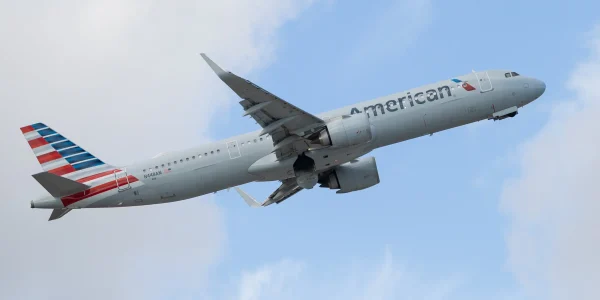
Air India Express and Air India are gearing up for a transformative fleet renewal in 2025, marking a pivotal year in their growth journeys. Both carriers have placed substantial aircraft orders; however, deliveries in 2024 remained limited due to global supply chain constraints. As the industry moves forward, Boeing’s production delays caused by the strike are now behind us, and Airbus is ready to ramp up deliveries for Air India’s ambitious expansion plans.
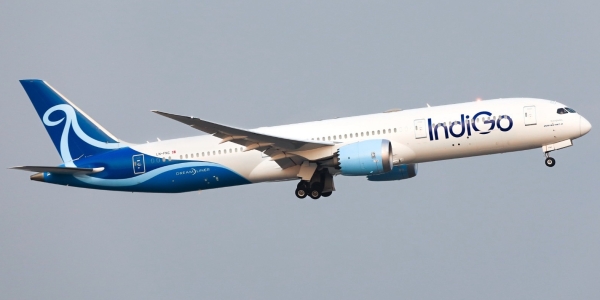
IndiGo, India’s largest carrier, will continue its aggressive fleet expansion, with a particular focus on rolling out its new “IndiGoStretch” product across key markets. This premium economy offering is expected to enhance passenger comfort and cater to growing customer demands. Starting January, the airline will also introduce the much-anticipated Delhi-Bengaluru route, further solidifying its dominance in domestic aviation.
SpiceJet had another miraculous survival in 2024 and is one of the countless turnarounds which the airline has been into. As we head into 2025, the airline is ensuring that its disputes are settled, cases are withdrawn and apart from wet leasing planes, it focuses on ungrounding as many aircraft as it can with the INR 3000 crore fund infusion. Over a period of time, this will help SpiceJet overcome the loss of market share which it suffered and stay ahead of Akasa Air as they battle it out for the fourth spot in Indian domestic aviation market.

Fleet additions are also on the horizon for Akasa Air and SpiceJet, both of which are poised to bolster their operations with new aircraft deliveries. With multiple airlines expanding their capacity simultaneously, 2025 is shaping up to be a landmark year for Indian aviation. It could very well set a record for the highest number of aircraft inductions in the industry’s history, paving the way for unprecedented growth and connectivity across the country and beyond.
Between IndiGo and Air India group, we could see over a 100 planes. That gets us to ask if there are enough airports to park them and where will they fly?
Two new airports, if not more
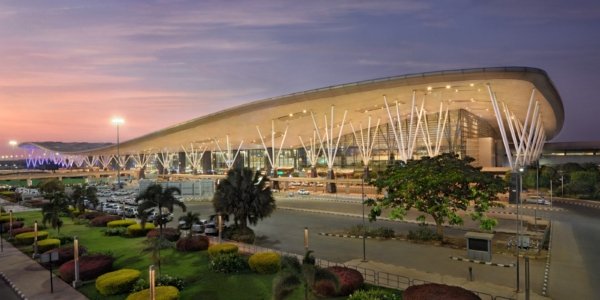
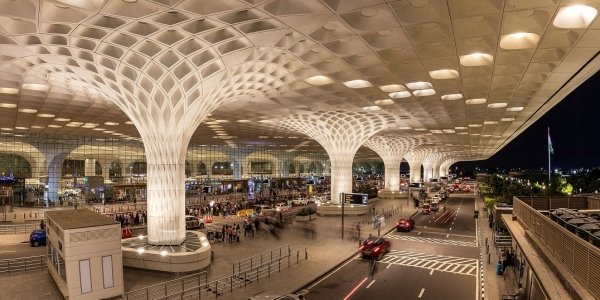
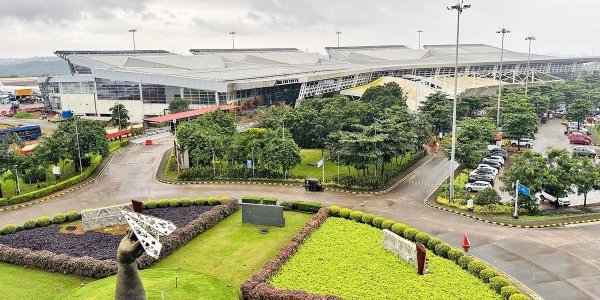
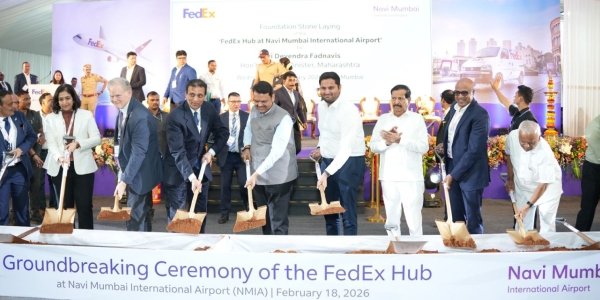
The winter schedule, which commenced on the last Sunday of October, marked a significant milestone for Indian aviation as the regulator approved flights to 124 airports across the country—an impressive increase of nearly 50 airports over the past decade. Looking ahead to the summer schedule in a few months, two major airports are set to become operational: Noida International Airport at Jewar and Navi Mumbai International Airport. These new facilities aim to alleviate the persistent congestion at Delhi and Mumbai airports, providing much-needed capacity for these key aviation hubs.
In addition to these major developments, smaller airports are expected to re-enter the aviation map through future rounds of bidding under the UDAN (Ude Desh ka Aam Naagrik) scheme. There is also a growing possibility of waterdromes making a comeback, potentially expanding the scope of regional connectivity.
While the addition of new airports will undoubtedly increase the total number of operational facilities, the capacity enhancements brought by the second airports at Delhi and Mumbai are unparalleled. These state-of-the-art infrastructures are poised to be a game-changer for the industry, offering significant relief to the current strain on resources and paving the way for sustained growth in India’s aviation sector.
Modernisation & retro-fit
More than a year and a half after Air India announced its ambitious plan to revamp its fleet, the airline is yet to begin the modernisation of its widebody aircraft. Citing global supply chain disruptions, Air India has had to repeatedly delay its much-anticipated fleet upgrade and rebranding efforts. These delays have also impacted the airline’s ability to fully capitalise on its growth strategy and meet the increasing demand for international travel.
However, Air India is not alone in pursuing modernisation. Its low-cost subsidiary, Air India Express, is undergoing its transformation. The airline plans to remove the business class seats from its fleet and transition to an all-economy configuration. This move aligns with its low-cost model and aims to maximise seat availability and revenue potential on popular short—and medium-haul routes.

Interestingly, Air India Express has acquired several aircraft known as “White Tails”—a term in the aviation industry for planes initially built for other airlines but never delivered, often due to order cancellations or financial constraints. These aircraft became available ahead of schedule, allowing the airline to accelerate its fleet expansion plans despite the broader industry challenges.
Together, these developments highlight the evolving landscape of Indian aviation, where airlines are balancing growth ambitions with the realities of supply chain constraints and shifting market demands. As Air India and its subsidiary navigate these hurdles, their modernisation efforts will be key to defining their competitive edge in the years to come.
Air India is doing a retro-fit of its legacy A320 fleet with the configuration same as that of Vistara had. The much delayed widebody retrofit as well as product revamp is unlikely to be completed in 2025, infact only a part of this will start in 2025 with the rest starting in 2026. The five year Vihaan.AI plan is unlikely to see the complete revamp in five years as was stated.
Expansion – but where?
The year 2025 is the year of Maha Kumbh, with the mela at Prayagraj. It attracts devotees from around the world. Last time around, the airport was small and aviation was still evolving in India. Today is a different story with Prayagraj having a dedicated terminal and apron. Additionally, religious tourism is on the upswing with flights to cities like Ayodhya, Tirupati, Jammu having seen remarkable additions over the last few years.
While domestic routes will see additions, especially with two new large airports being available, the main focus for airlines will be international. IndiGo has been adding new destinations to its network and Air India has plans to connect more destinations in the US as well as Asia to further improve its hub at Delhi.
Finances
IndiGo reported a loss after seven consecutive quarters of profits. The current quarter will see airline report bumper profits. The question about sustenance and survival keeps coming up each year. Both IndiGo and Air India group remain well capitalised with strong backing. However, SpiceJet and Akasa Air could need the next round of funding. SpiceJet is coming back from the brink one more time, while Akasa Air has had multiple discussions on raising funds but continues to maintain that it does not do so immediately. The airline has had muted induction this year, after getting to 20 planes and starting international services at record speed.
Both IndiGo and Air India have a robust induction and expansion plan. Air India awaits clarity on the deliveries from Boeing and Airbus, while IndiGo awaits ungrounding of planes which are powered by Pratt & Whitney. This would see not just addition of frequencies but also new destinations.
How are the regionals placed?
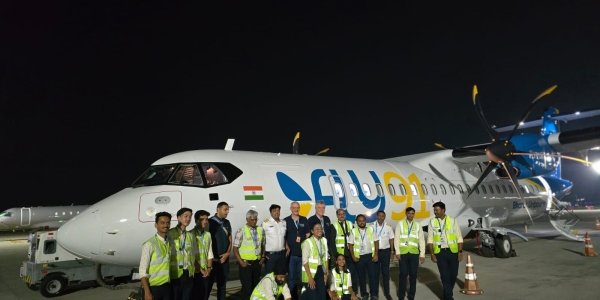
India has been a graveyard for regional carriers. As Star Air becomes the longest serving private regional carrier in India, both Goa based Fly91 and Bengaluru based Star Air are talking of expansion. However, there has been little on ground in terms of actual increase in planes. The announcements have so far been in thin air and the planes have not yet landed in India.
The four private regional carriers will remain largely on the mercy of subsidy under RCS – UDAN and state governments to start and sustain routes.
For many to few airlines, have the mergers been successful?
The merger of Vistara into Air India marks a pivotal moment in the Indian aviation industry, symbolising the consolidation of two influential entities to create a formidable national carrier. The successful integration of these two airlines reflects meticulous planning, operational synergy, and a shared vision for growth aimed at reshaping the dynamics of both domestic and international air travel. Vistara, a joint venture between Tata Sons and Singapore Airlines, carved a niche in the aviation market with its premium services and customer-centric approach. Since its inception in 2015, it set new benchmarks in passenger experience, winning accolades for its on-time performance, in-flight services, and overall hospitality. On the other hand, Air India, the country’s flag carrier, boasts a legacy of over seven decades, with an extensive network of routes across the globe. However, prior to its privatisation in 2022, the airline struggled with operational inefficiencies, mounting debt, and declining service standards.
Prima facie, there were no immediate fallouts from the merger-led integration on the midnight of November 12, 2024. Key to the success of this merger was the seamless integration of Vistara’s premium service ethos with Air India’s extensive infrastructure. The unified airline retained Air India’s brand name, leveraging its global recognition, while incorporating Vistara’s high standards of service quality. Training programs, IT system upgrades, and route rationalisations were implemented to ensure a smooth transition.
The merger has resulted in the creation of a 100% Tata-owned entity, which now operates with a fleet of over 250 aircraft, serving an expansive network of 100+ domestic and international destinations. The combined airline benefits from economies of scale, reduced operational redundancies, and enhanced bargaining power with suppliers and lessors. This merger positions Air India as a strong competitor in the international market, challenging Gulf carriers and other global giants. It also aligns with India’s aspirations to have a leading airline that reflects the country’s growing stature on the world stage. For passengers, the merger promises better connectivity, improved service quality, and a unified loyalty program.
However, will passengers stick around or will the premium brand like Vistara be diluted? The claims which Air India made around deployment were soon seen to be not accurate as it changed multiple flights and subsequently the flight numbers.
Privatisation of airports
The last set of privatisation of airports was done pre-pandemic. There have been multiple discussions on the next set of privatisation with various options being mooted. This includes options of clubbing profitable and non-profitable airports along with ensuring more players bid for the airport amongst others. However, little has moved on that front.
With the focus on operationalising more airports, the state owned Airports Authority of India is already burdened. The privatisation may well be a win-win for both.
Tail Note
From pre-COVID to post-COVID, a lot has changed in Indian skies and this includes the government getting out of running a large airline. 2025 may well see government divest in other areas like AIESL – the engineering arm and Alliance Air – the regional carrier still owned by the government.
This is probably the best time for passengers since fleet addition will mean additional capacity which will ease fares, open up new routes and give wings to many more routes and airports than ever before. Will it be a profitable year for the airlines? The answer lies in how the economy performs and which side the oil prices move.