













- IndiGo is establishing Bengaluru as a strategic hub, connecting high-spending local travelers to international leisure destinations like Bali and Langkawi.
- With its market-stimulating fares and expanding infrastructure, the airline is tapping into Bengaluru’s potential as a gateway for holiday traffic.
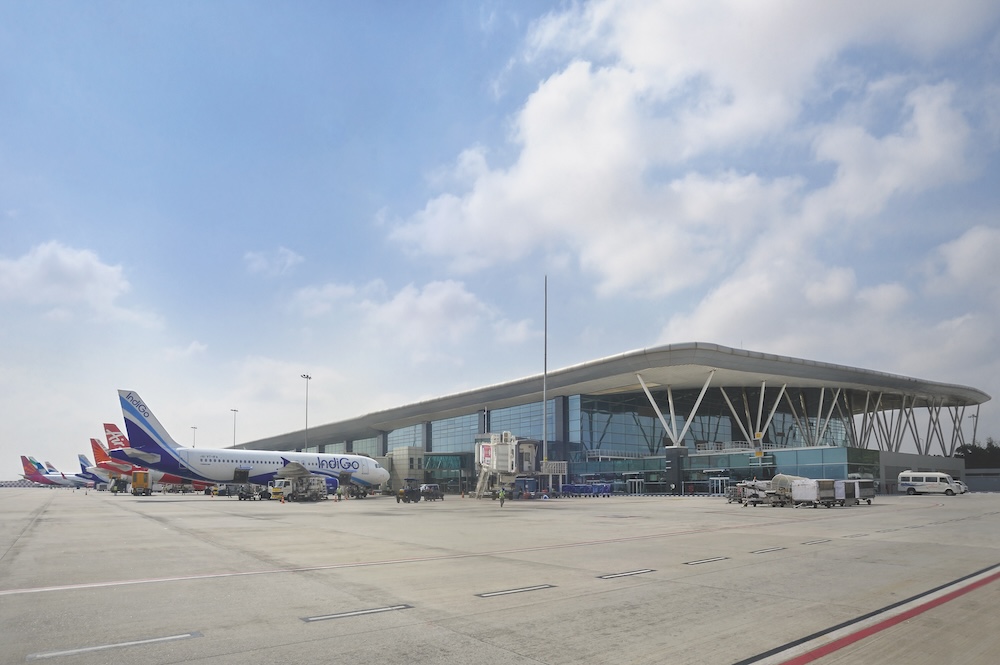
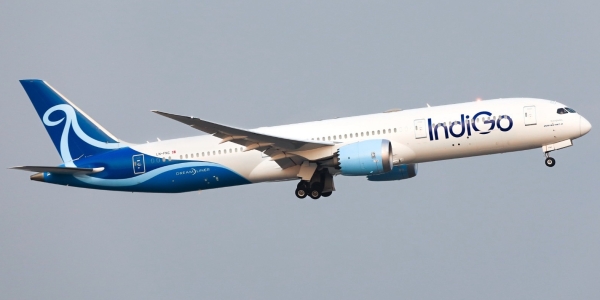
IndiGo, India’s largest carrier by fleet and domestic market share, has been on a roll. While the airline clocked a loss of INR 987 crore after seven consecutive quarters of losses, it is a blip in its long journey as it continues to pursue its expansion plans. The airline’s growth strategy has been multi-faceted, encompassing network expansion, fleet modernisation, and operational enhancements. One of the key drivers of IndiGo’s expansion has been its aggressive network expansion. The airline has added numerous domestic routes, connecting smaller cities and towns across India. This has not only increased accessibility for passengers but has also stimulated regional economic growth. In addition, IndiGo has significantly expanded its international network, launching new routes to popular destinations in Southeast Asia, the Middle East, and Central Asia.
IndiGo’s expansion has been fueled by strong demand for air travel in India, driven by factors such as economic growth, rising disposable incomes, and a growing middle class. The airline has effectively capitalised on this demand by offering affordable fares, excellent service, and a wide range of connectivity options. The airline has been known to invest in domestic destinations such that it can connect more than one destination within its network. The case may not be the same for internationals due to multiple factors like bilateral rights, demand and the nature of the business.
Amidst this, IndiGo announced flights to Langkawi from Bengaluru. The importance of this is manifold and gives a sneak peak into the thought process of how IndiGo is planning to expand itself as it gears up for three momentous occasions in its history. First, the introduction of Dual Class aircraft which started in November 2024; second is the induction of A321XLR in its fleet in 2025 and lastly the widebody entry in 2027.
Focus on leisure
IndiGo started as a low-cost carrier, attempting to break the Kingfisher Airlines – Jet Airways hold of the market. Slowly, it grew, and so did the low-cost carrier market in India. From a miniscule single-digit number to over 60% domestic market share, IndiGo has come a long way. IndiGo Airlines, India’s largest low-cost carrier, has been strategically shifting its focus towards leisure travel, recognising the growing demand for affordable and convenient travel options for domestic and international leisure destinations. The airline has been optimising its flight schedules to cater to the preferences of leisure travellers.
Furthermore, IndiGo has been actively promoting its leisure travel offerings through various marketing campaigns and partnerships with travel agencies and online platforms, along with hotel bookings, as a new feature on its app. IndiGo’s strategic focus on leisure travel is driven by the increasing demand for affordable and convenient travel options. By expanding its network, optimising flight schedules, and promoting its leisure travel offerings, IndiGo is well-positioned to capitalise on the growing leisure travel market in India and beyond.
While places like Almaty, Tashkent, Baku, and Tbilisi have some business and trade, they are also primarily driven by Tourism. Langkawi, Bali, and Mauritius from Bengaluru are purely tourism markets.
Focus on Bengaluru
Early this year, IndiGo launched its longest flight on the narrowbody aircraft. This was to Denpasar, Bali, from Bengaluru. The great circle distance between Bengaluru and Bali is 4800 kms, while between Mumbai and Jakarta is 4637 kms. The Delhi—Istanbul sector, which sees IndiGo deploy its damp-leased B77Ws, has a great circle distance of 4574 kms. The Mumbai—Istanbul route is a tad longer at 4838 kms but is operated by damp-leased B77Ws.
While Delhi is the undisputed leader in traffic and has a mix of business, government and tourist traffic; Mumbai is the commercial capital. Bengaluru has come up as a leisure capital fuelled by high salaries in the services sector and ability to take expensive short trips over long weekends or with short leaves. The location also helps provide connectivity to surrounding areas like Coimbatore, Hyderabad, Kochi, Trivandrum, and Chennai, which have a large catchment area of their own but not as large enough as Bengaluru. In the end, the propensity to spend at Bengaluru triumphs over everything else.
Taking a lead over Air India at Bengaluru
As the Tata group took over Air India, they came up with an ambitious turnaround plan named “Vihaan.AI”, a Sanskrit term signifying “dawn of a new era.” This five-year plan aims to propel Air India back to its former glory as a world-class global airline. Vihaan.AI is a comprehensive strategy with a clear vision: to establish Air India as a leader in network, fleet, customer experience, and operational excellence. This involves establishing a southern hub in Bengaluru, apart from network revamp and induction.
When planned, Bengaluru was a very small percentage of Air India’s overall network. Since then with investments in Air India Express and Vistara, the group is growing rapidly out of Bengaluru pushing Akasa Air which was quickly ascending at Bengaluru Airport.
Air India has flights to Singapore and San Francisco from Bengaluru, but its stated third hub objectives are far from reality right now. IndiGo, on the other hand, already has a solid presence in Bengaluru, is the market leader, and offers international services to a plethora of destinations.
Building the southern hub
The timings at Bengaluru help connect both ways to Mumbai, Ahmedabad, Pune, Hyderabad, Chennai, Kochi, Delhi, Lucknow and a few other cities. With limited international presence from Bengaluru for IndiGo, it won’t function as an International to International transfer hub, instead the airline will rely on the large local population to fly to Bali, Langkawi or Mauritius, making it the next Vietnam – which is currently full of Indians, thanks to the increased connectivity.
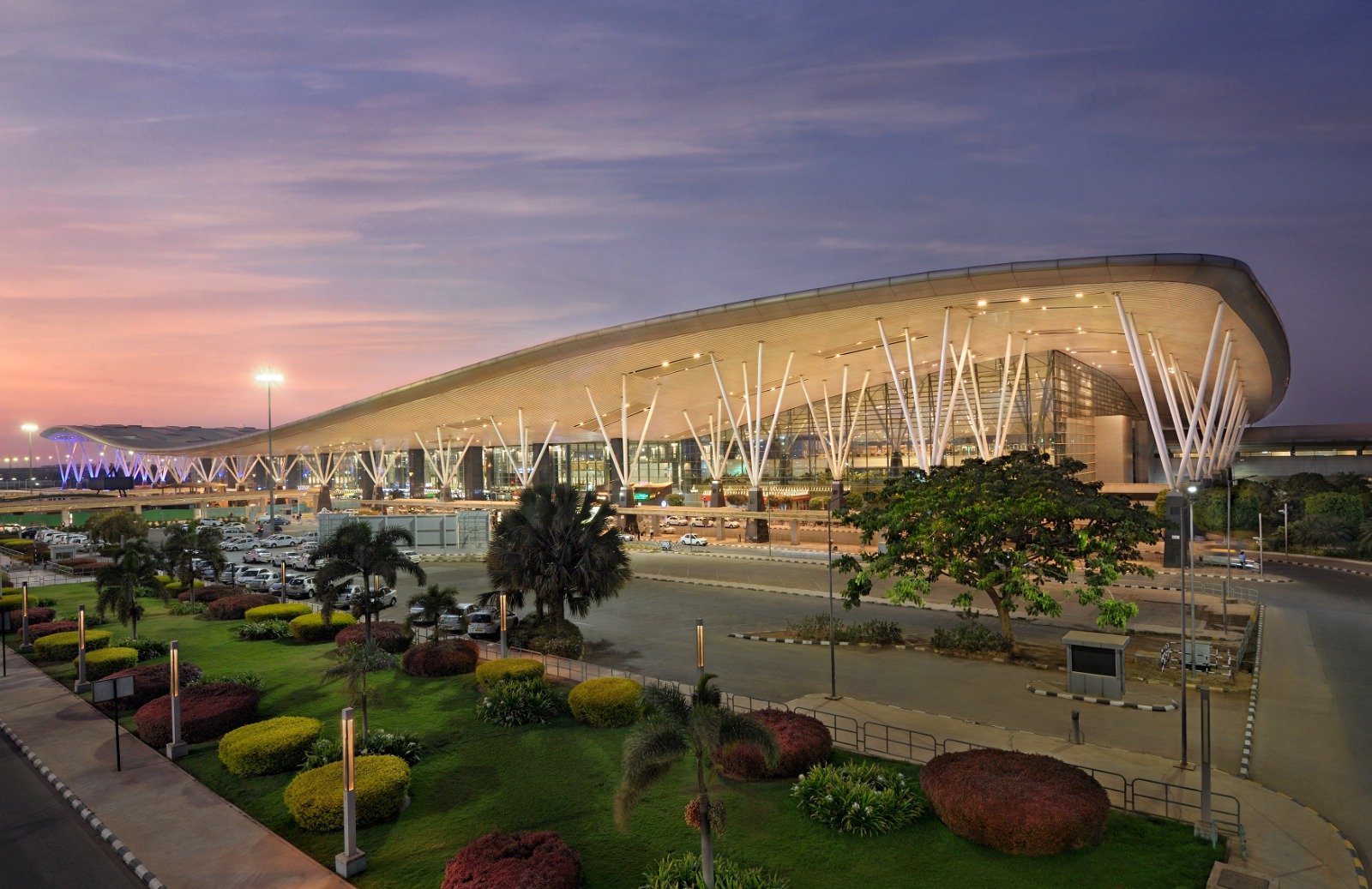
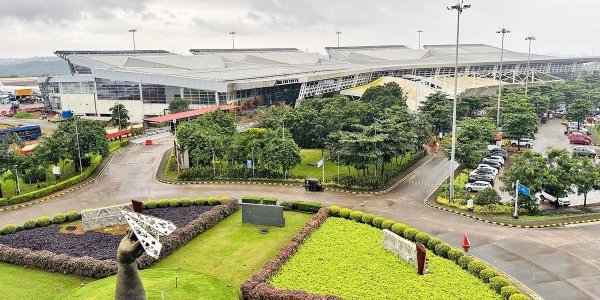
Faced with an option of Hyderabad, Chennai, Kochi, and Bengaluru, IndiGo’s hub building at Bengaluru is a no-brainer for multiple reasons. These include the availability of infrastructure like more slots, gates, and an expanding airport. Coupled with a large pool of passengers looking for quick gateways and people with disposable income, IndiGo’s market-stimulating fares make a good combination.
Tail Note
However, IndiGo’s expansion has not been without challenges. The airline has faced issues such as engine-related disruptions and increased competition from other carriers. Nevertheless, IndiGo has demonstrated its resilience and adaptability by effectively managing these challenges and continuing its growth trajectory.
Overall, IndiGo’s expansion in the last two years has been remarkable, transforming the Indian aviation landscape. The airline’s focus on network expansion, fleet modernisation, and operational excellence has positioned it as a leading global carrier. As India’s aviation market continues to grow, IndiGo is well-placed to maintain its leadership position and further strengthen its brand.