














- Kerala is expanding its aviation sector with the development of its fifth international airport, set to enhance regional connectivity, but faces challenges with the underperformance of the Kannur airport and safety issues at Kozhikode.
- Despite these setbacks, significant infrastructure upgrades are underway at Kochi and Thiruvananthapuram airports, while the proposed Air Kerala airline aims to strengthen domestic and international connectivity.
A record fifth international airport, taking shape in a small State like Kerala should be a telling testimony to enhanced regional air connectivity. But the existential crisis of the fourth one commissioned five years ago in Kannur and the safety challenges of two other airports in the state alter the dynamics of this rosy picture.
Billed as an aerial gateway to South India’s reputed pilgrimage site in Sabarimala, the proposed greenfield international airport will also serve the towns of Kottayam and Pathanamthitta in South Kerala. Located 136 kms from the State capital Thiruvananthapuram, and 113 kms from Kochi, the new airport will be built over 2,570 acres.
Final DGCA clearance awaited
Decks are being cleared in multiple phases for the aerodrome, which will catapult Kerala as the State with the most international airports. Marking a critical step forward, the PM Gati Shakti, which grants approval to big infrastructure projects nationwide, recently gave its go-ahead for the project. Once the State government notifications and other procedures are cleared, the stage will be set for the final green signal from the Directorate General of Civil Aviation (DGCA).
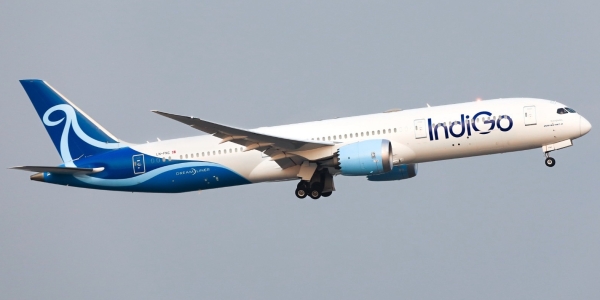
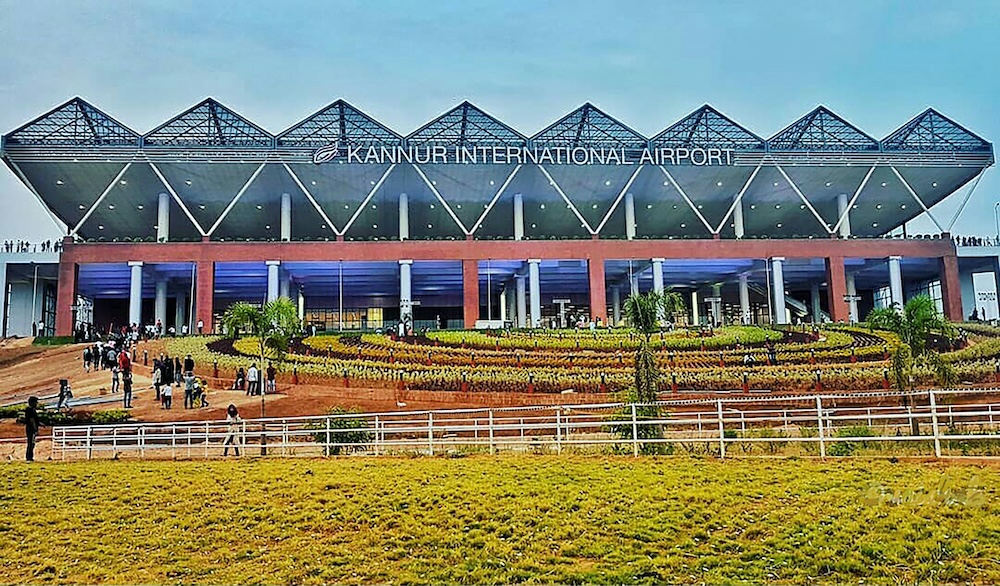
But questions are being raised about its long-term viability, especially when the Kannur airport, commissioned in 2018, faces a mountain of problems. Despite the initial buzz, the Kannur airport has seen most flights ceasing operations due to poor load factors. Currently, only two airlines – Air India Express and Indigo – operate from the airport.
Kannur airport: Losses mount
The airport had banked on the substantial proportion of international passengers to the Gulf from the Kannur-Kasargod belt and also anticipated traffic from adjacent districts of Karnataka, Kodagu in particular. But the expected permissions to let foreign carriers operate from the airport did not materialize, severely dampening its growth prospects.
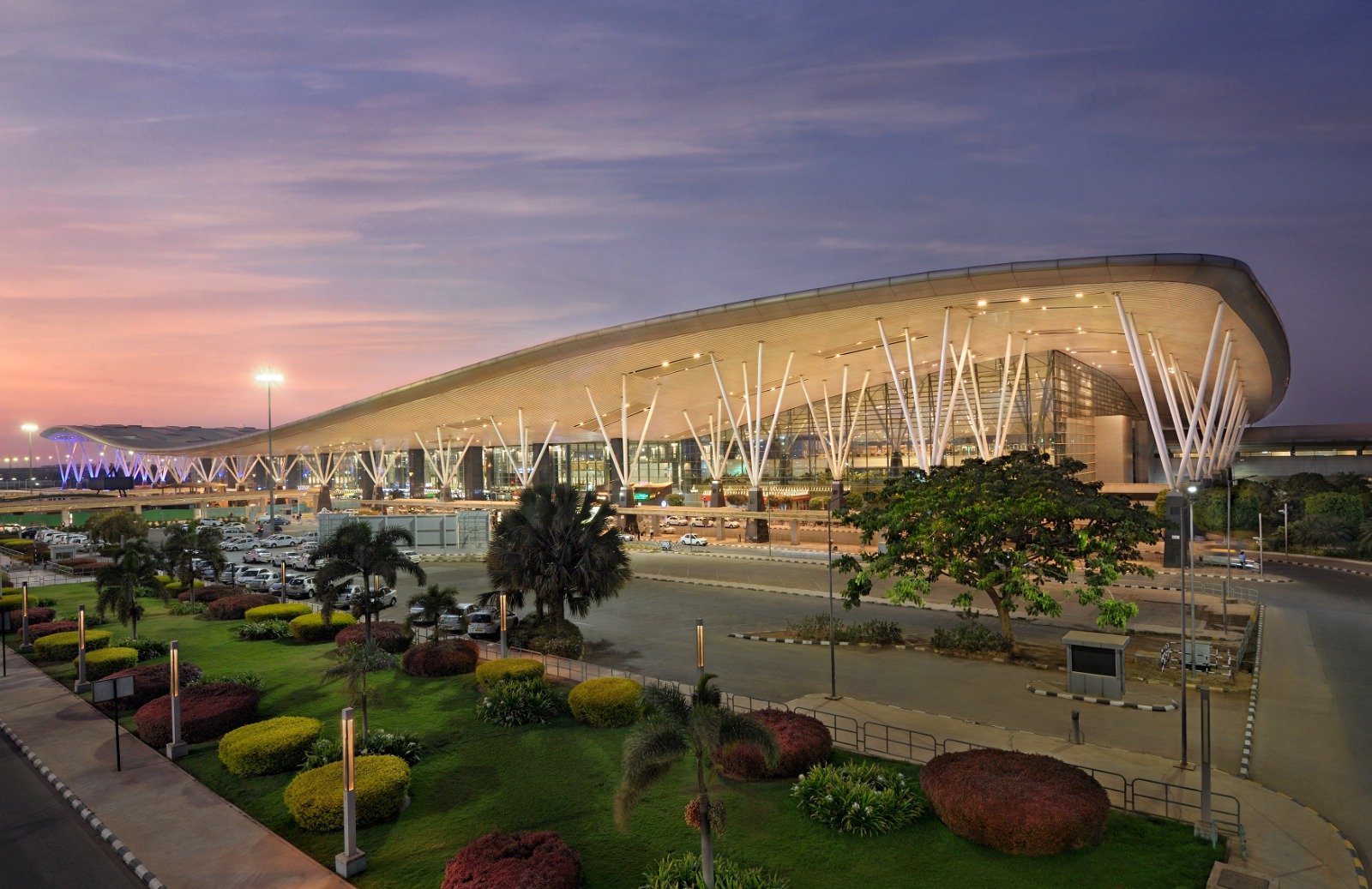
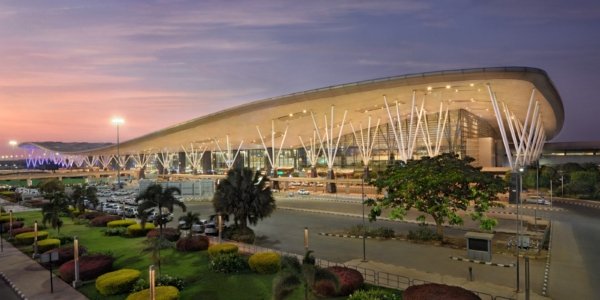
Lack of proper road connectivity from nearby towns has also affected the airport’s potential, despite its land area of 2,300 acres, an impressively sized terminal building and a 3,500m runway. Local legislators have also flagged other concerns: cessation of the umbrella cover of the UDAN scheme, irregular staff appointments and an apparent lack of transparency.
Inevitably, these factors have sparked a sharp decline in operating profit of the Kannur International Airport Limited (KIAL). It reportedly fell from Rs 166.91 crore in fiscal year 2022-23 to just Rs 41.76 crore in 2023-24. However, the Kerala Government has projected that it would make a turnaround this fiscal with a turnover of Rs 180 crore.
No ‘point of call’ status
The State hopes that getting the ‘point of call’ status from the Centre would facilitate the operation of foreign airlines. The Parliamentary standing committee has recommended that the airport was eligible for this status, although follow-up action from the Centre has been delayed. The State Government wants to expedite the matter.
“Kannur is running under severe loss, with some estimates putting it at almost Rs 2,000 crore,” notes Sajeer Padikkal from the Malabar Tourism Council. “While the lack of a point of call is the main reason, almost 40% of the seats in the Kannur Thiruvananthapuram sector is being paid for by the state government.”
Lack of adequate hotels to accommodate crew and negative feedback from ‘trial’ international passengers are also being cited as reasons for Kannur airport’s failure to attract global carriers. “The airport is located in a remote area. Some VIP passengers on trial visits have also highlighted the lack of facilities,” says Sajeer.
However, since the airport was built with massive investment and has enough space to expand, many aviation experts say it could be a hub for budget airlines. “They could, for instance, introduce Kannur – Mumbai – Dubai flights and then go international later. Going international right from its launch was a mistake,” he says, quoting informed opinion by aviation watchers.
RESA challenge at Kozhikode airport
Barely 120 kms from the Kannur aerodrome, the Kozhikode International Airport faces an entirely different challenge: Safety. This airport, with a table-top runway, had hit international headlines after an Air India Express flight crashed on August 7, 2020. The accident killed 21 people, two pilots included, and left 167 others injured. The flight from Dubai had overshot the runway touchdown point at landing, plunging into a depth of over 30 metres.
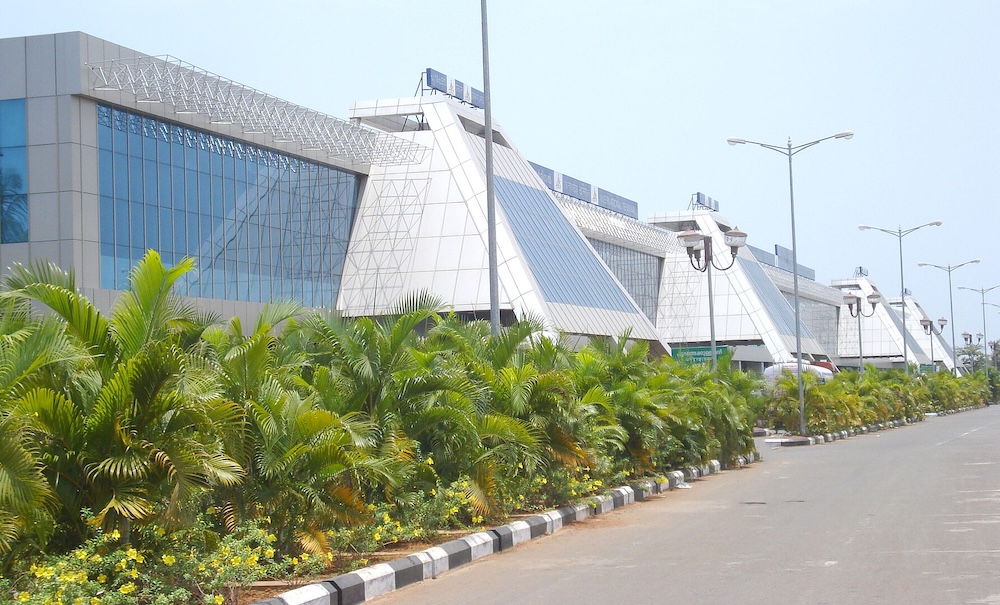
Investigations found that the Runway End Safety Area (RESA) was much shorter than the required 240 metres. The ill-fated airplane had waded through the 90m-long RESA before crashing down the table-top. Without an expanded RESA, the airport’s safety parameters remain largely unaddressed.
The Kerala Government had acquired 12.48 acres of land in Karipur, Malappuram district, where the airport is located, for RESA expansion. But the handover of this land to the Airports Authority of India (AAI) is only part of the process. Awaited are green signals from the Environment department and sanction from the State Department of Mining and Geology. The expansion requires a complex mining process to erect embankments of 40-45m height at both ends of the runway.
The whole exercise mandates robust monitoring, supervision, and leadership. But the airport is currently handicapped by the lack of a full-time director since August 31, a factor that has apparently impacted its development push. Incidentally, the airport has not seen wide-body aircraft operation for the last several years.
To overcome this, Saudia airlines introduced a narrow-body aircraft solely to land here, reminds Sajeer. This, he says, shows the potential of this airport. “Nationally, this airport gets the maximum profit with the least investment. A minimum of Rs 100 crore is being made for the last 10 years. Upgrading this airport and introducing flights to the Far East will increase the traffic even further. The government should take more interest,” Sajeer points out.
Kochi airport: Rs 1,000-cr development push
From a development perspective, the Kochi airport remains Kerala’s flagship aviation venture. The Cochin International Airport Limited (CIAL) has embarked upon a Rs 1,000-crore development plan spread across the next three years. A total of 163 projects linked to CIAL’s sustainability goals, technological advancement and passenger satisfaction are part of this rejig agenda.
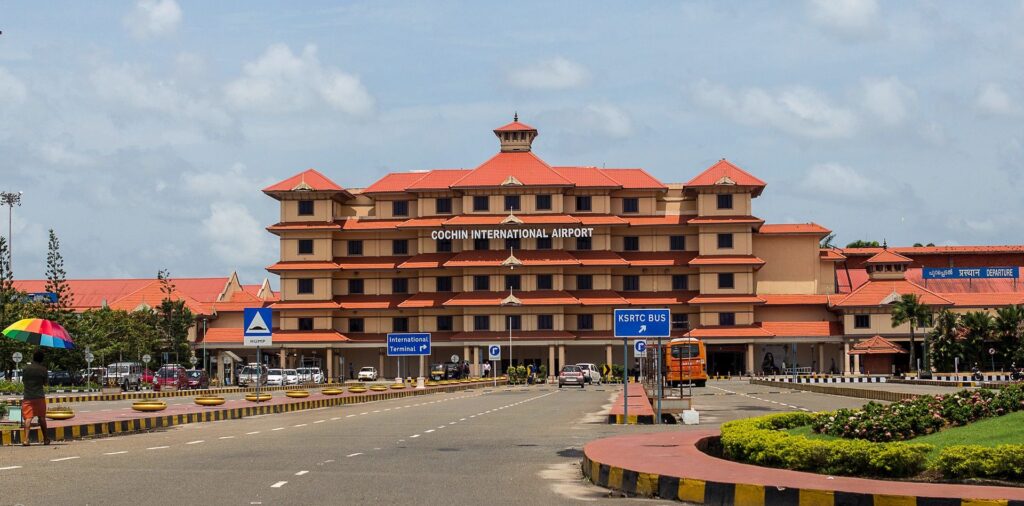
Enhancement of IT infrastructure with Digi Yatra, Perimeter Intrusion Detection System (PIDS), e-Gate for Immigration and self-baggage scanning systems are part of the planned upgrade. PIDS, a system already in operation, is designed to extend a multi-layered 360-degree security cover for the airport’s operational area. CIAL has also unveiled a 0484 Aero Lounge, fashioned as affordable luxury. Expansion of the international terminal, a T3 and a new apron for the terminal are also on the cards.
Thiruvananthapuram airport: Adani Group’s Rs 1,300-cr upgrade
Beyond Kochi, the spotlight is also on the Thiruvananthapuram International Airport, serving the State capital and adjoining districts. The Adani Airport Holdings Ltd (AAHL) has unveiled plans to invest Rs 1,300 crore to expand the airport by 2027. Besides a significant capacity upgrade, the ‘Project Anantha’ will also integrate an aesthetic enhancement reflecting Kerala’s landmark temples and multiple terraced levels.
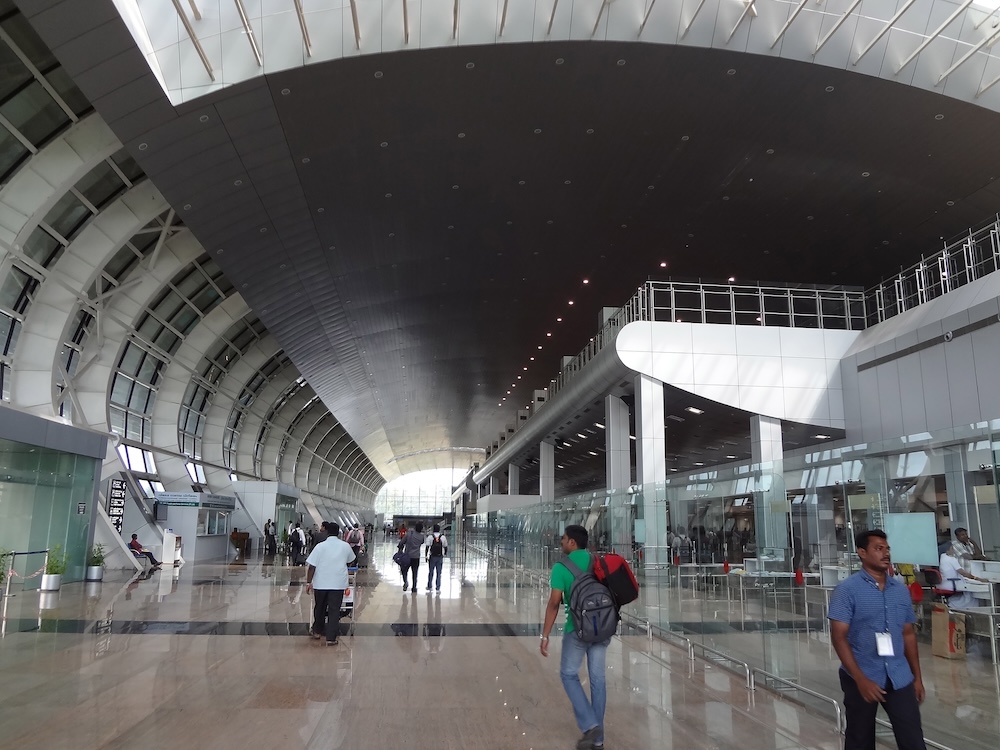
The proposed capacity upgrade is substantial. The current airport expanse of 45,000 square meters, serving 3.2 million annual passengers, will go up to 165,000 square meters. This will increase its passenger-handling capacity to about 12 million passengers per year. The rising demand is apparent. In the first half of this financial year (2024-25), the airport recorded 24.8 lakh passengers, a 17.4% increase over the 21.1 lakh registered during the same period in 2023-24.
Abu Dhabi, Sharjah, and Dubai are the top preferred international destinations from this airport. Bengaluru, Chennai, and Mumbai are the leading domestic destinations preferred by passengers passing through Thiruvananthapuram airport. Air India Express, Indigo, and Air Arabia are the top airlines. The first half of this fiscal year saw 8,556 domestic and 7,537 international air traffic movements, a 13.8% increase over the ATMs recorded in the same period last fiscal year.
The rising footfall has coincided with connectivity network expansion. New daily domestic flights are being added to Pune, Ahmedabad and other destinations. On the international front, Jazeera Airways was scheduled to restart a weekly flight to Kuwait.
UDF on arrival passengers
While the airport surges ahead on the development front, the July 2024 hike in landing and parking charges, and more importantly, the User Development Fee, have left passengers and aviation watchers complaining. The Adani-operated airport had hiked the UDF from Rs 506 to Rs 770 for domestic departures and from Rs 1,069 to Rs 1,540 for international departures. The increased charges are effective from July 1, 2024 till March 31, 2027.
But what has caused more frustration is the UDF being levied on arriving passengers. Domestic passengers are charged Rs 330 and international, Rs 660. While these rates are fixed till March 31, 2025, a further hike is scheduled April 1, 2025 to March 31, 2026. This will again go up from April 1, 2026 to March 31, 2027.
Closely attached to the aviation sector for over four decades, Kerala Association of Travel Agents president K V Muraleedharan says the levy of UDF on arrival passengers is unique to Thiruvananthapuram. “Even the UDF on departure passengers is very high compared with much bigger airports in Mumbai, Delhi or Bengaluru,” he notes.
The air traffic here has seen robust growth. “We have enough flights, and flight frequencies have reached pre-Covid levels. The airport is running on a big profit. Besides, the airport also earns from navigation charges levied on more than 300 flights that overfly. The profit from all these is not nominal at all.”
Revenue from navigation charges
Navigation charges, also called overflight fees, are user fees for air traffic control and navigation services. Typically, these charges are calculated based on parameters such as the aircraft’s maximum takeoff weight (MTOW) and the distance flown. Muraleedharan reminds that none of the other airports in Kerala earn revenue under this head.
The Airports Authority of India (AAI) had handed over the airport to the Adani Group in October 2021. The original takeover was delayed by three months due to the Covid-19 second wave. The Group’s subsidiary will now operate, manage and develop the airport for 50 years. Losses due to the pandemic had skyrocketed to Rs 900 crore. The Group is now obligated to pay this amount to AAI, besides the Rs 1,300 crore to be invested for infrastructural upgrades.
The sharp rise in UDF is linked to these financial considerations. However, Muraleedharan contends that the user fees alone would bring in more than Rs 4,000 crore in the next five years. “This is going by the current growth rate. But the airport is recording 15-20 percent growth every year. So, the revenue from UDF could exceed Rs 5,000 crore,” he points out.
Promise of Air Kerala
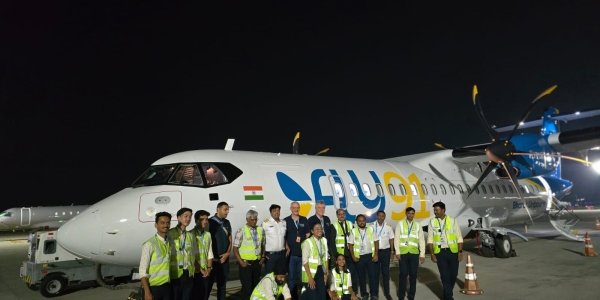
Beyond airports, the aviation scene in Kerala is also about a unique proposal to launch an airline promoted by the State Government. Air Kerala, the project is registered as a subsidiary of the Cochin International Airport Limited (CIAL). With plans to commence operations in March 2025, the airline is currently in the process of obtaining an air operator’s certificate from the DGCA.
The airline’s initial focus will be to cater to the domestic travel demands of tier-2 and tier-3 airports across South and Central India. Once it secures international route permissions, the Air Kerala plan is to prioritise routes to the Gulf that are in high demand. This would mean eventually operating flights to the United Arab Emirates (UAE), Saudi Arabia and Qatar before venturing into Southeast Asian countries such as Malaysia, Thailand and Vietnam.
On the airline’s agenda are routes within Kerala and nearby towns such as Salem, Madurai, Huballi and Pune. The connectivity plans encompass as many as 53 airports, with a hiring pipeline of 350 personnel to be recruited in the first year of operation. The airline recently announced the appointment of seasoned aviation professionals as heads of operations and security, with Harish Kutty as its Chief Executive Officer.
To meet its requirement for 20 aircraft to operate international flights, Air Kerala has set an ambitious fleet expansion strategy. Narrow-body Boeing 737s and A320s are on its radar.
There are a lot of logistics gaps to be filled. But ventures such as Air Kerala and also the existing airlines – big and small – could tap into the huge potential for the underexplored regional/inter-state air connectivity. For instance, lakhs of people commute between the cities and towns of Kerala and Karnataka every day. Currently, they have to rely on the grossly inadequate trains or the hugely expensive private buses. If airfares are kept affordable, these passengers could switch to flights.
Unlike many other States, Kerala has the right infrastructure in place to script a renewed push for robust air connectivity both within and with its neighbours. A collaborative push from the Ministry of Civil Aviation and the State government could boost Kannur airport’s domestic prospects; a similar move could address Kozhikode airport’s safety concerns linked to RESA, and a restructuring of the UDF could help passengers using the Thiruvananthapuram airport. Smart thinking and strategic action could result in a win-win for all stakeholders.