





Deutsche Aircraft is positioning the D328eco as the ideal solution for India’s growing regional connectivity, emphasising fuel efficiency, SAF compatibility, and adaptability. With strong local partnerships and a tailored aftermarket support model, the company aims to establish a lasting presence in the Indian market. Nils Heuer, Sales Director, Deutsche Aircraft, shares insights on their strategy, partnerships, and vision for the future.
What brings Deutsche Aircraft into the Indian market and specifically to Aero India 2025?
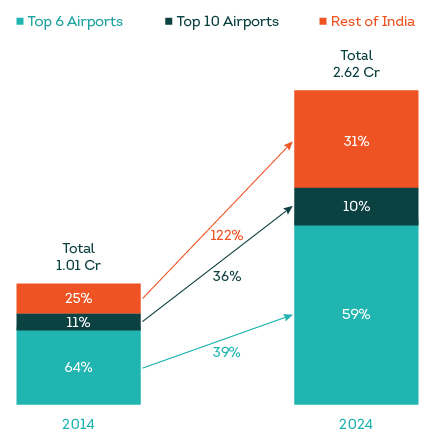
The Indian market is one of the key growth markets we have identified globally. Last year, India had approximately 220 million air passengers, and with an average growth rate of around 6.4%, this highlights the immense potential of the market. According to IATA projections, passenger numbers are expected to nearly double, reaching close to 500 million by the 2030s, indicating significant growth opportunities in the coming years.
Furthermore, a large majority of Indians have yet to experience air travel, further emphasising the market’s untapped potential. Historically, most growth has been concentrated on routes connecting major tier-one cities. However, the UDAN scheme is specifically designed to enhance connectivity to tier-two, tier-three, and other underserved cities.
Given these factors, we are confident that a substantial portion of future growth in India will occur in regional aviation, linking smaller cities and expanding accessibility. This is why we have identified India as a key market, working alongside our partner, Dynamatic Technologies. Aero India provides us with the ideal platform to introduce our D328eco to the Indian aviation community for the first time.

What makes the D328eco particularly well-suited for the Indian market?
India’s diverse geography makes the D328eco an ideal fit, particularly in regions like the Northeast, which require an aircraft with the right performance capabilities. The D328eco stands out with its high operational ceiling of 30,000 feet, a unique feature in its category. Its exceptional climb rate is particularly advantageous in mountainous terrains, and it offers excellent hot-and-high performance with a maximum runway altitude capability of 12,000 feet.
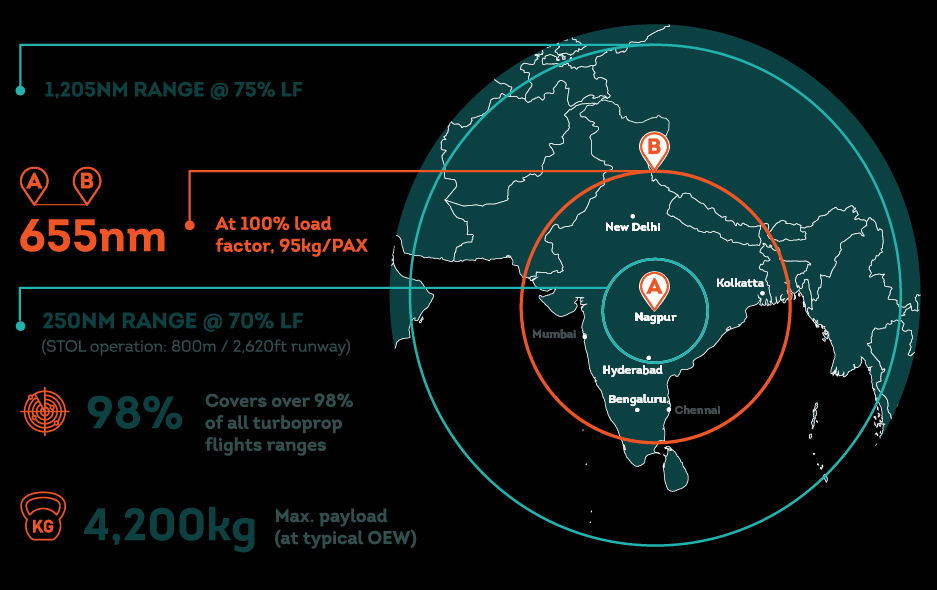
Additionally, the aircraft’s Short Take-off and Landing (STOL) capability allows it to operate from runways as short as 800 meters while carrying approximately 29 passengers. This makes it particularly well-suited for remote and space-constrained locations, such as the Lakshadweep Islands, where long runways are not feasible. The D328eco’s capabilities can significantly enhance connectivity between these islands and the mainland, further strengthening regional aviation in India.
Based on your assessment of the Indian market, who do you see as your potential customers?
We are engaging with every airline in India because most established carriers have a regional branch, yet they lack an aircraft in our size category—one that is well-suited for thinner routes.
A prime example is the state of Kerala, where many airports are currently underutilised. This is largely due to airlines struggling to fill larger aircraft with enough passengers to make operations on thin routes profitable. An aircraft in our category, with a capacity of around 40 seats, presents an ideal solution, enabling airlines to efficiently and profitably serve these underutilised routes.
How do you plan to ensure cost-effective operations?
An aircraft’s success depends on the right operating economics, regardless of its size. That’s precisely why we are designing the D328eco to deliver optimal cost efficiency, ensuring it meets the needs of regional airlines not just in India, but worldwide.
One key factor is our choice of propulsion. We are utilising the state-of-the-art Pratt & Whitney Canada PW127XT-S turboprop engine, which provides a 50% fuel burn advantage compared to similar-sized jet aircraft. This translates directly into significant cost savings on fuel.
Additionally, as the first turboprop aircraft developed in the 21st century, the D328eco incorporates cutting-edge technology that also lowers maintenance costs. A great example is our Garmin-based flight deck, which is highly reliable and substantially reduces maintenance expenses.
These elements—reduced fuel consumption and lower maintenance costs—combine to create a significant operational cost advantage over other aircraft in the market, making the D328eco a highly viable option for regional airlines looking for efficiency and profitability.
How is Deutsche Aircraft ensuring sustainability and SAF compatibility in the D328eco?
We are developing the aircraft to be fully compatible with 100% Sustainable Aviation Fuel (SAF) from the moment it enters service. This includes Power-to-Liquid (PTL) SAF, a synthetic fuel that does not rely on feedstock. Both the aircraft and its engine will support this fuel type from the outset.
A key differentiator is our focus on SAF that does not contain aromatics—compounds found in conventional kerosene and many SAF types that contribute to non-CO₂ emissions. By eliminating aromatics, we can further reduce the environmental impact of flying.
Last year, we achieved a major milestone by conducting the world’s first-ever flight using 100% SAF without aromatics. This historic flight was carried out in collaboration with the German Aerospace Center (DLR), reinforcing our commitment to sustainable aviation.
How has the global response been for the D328eco? Have you received any orders or bookings so far and when is the first delivery expected?
The global response has been very positive, primarily because the aircraft is designed to meet the specific needs of airlines worldwide.
In developed aviation markets, airlines are seeking replacements for aging fleets that are no longer in production, such as the Dash 8 family and the Saab 340s. Many operators face obsolescence challenges and are looking for a modern, state-of-the-art alternative. Meanwhile, in growing markets like India, there is strong demand for an aircraft of this size to enhance regional connectivity and open new routes.
Currently, we have received 34 orders through Letters of Intent (LOIs) from customers across different business models. Our launch customer is Private Wings, a German charter airline that already operates the legacy D328. Additionally, we have orders from a traditional regional airline and a multi-role segment customer, highlighting the aircraft’s versatility across various operational needs.
The D328eco is set to be certified by the end of 2027, with deliveries beginning shortly thereafter. Our production capacity is designed to gradually ramp up, reaching a maximum of 48 aircraft per year. The final assembly line in Leipzig, located south of Berlin, is built for scalability, allowing for adjustments and expansion as demand grows.
From an Indian market perspective, what seat configuration do you think would be the most suitable, given the different options available?
The ideal seat configuration ultimately depends on each airline’s specific needs, and we offer the flexibility for them to choose what works best for their operations.
That said, I expect that our standard 40-seat configuration will be the most suitable for the Indian market at this stage. However, for other use cases such as charter services, business shuttles, or corporate shuttles, a more spacious cabin with a higher seat pitch could be preferable.
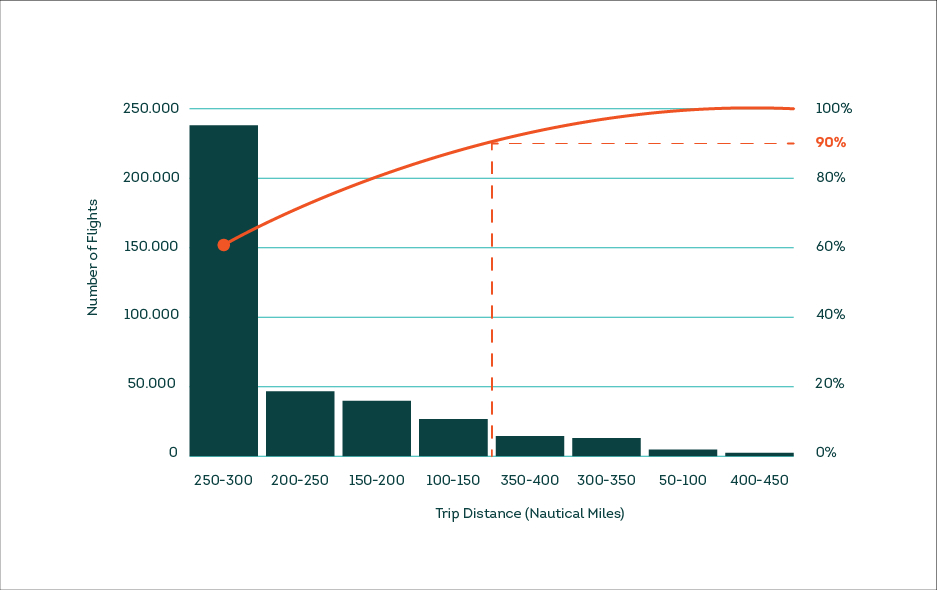
In such cases, a 30-seat configuration could also be a viable option. With a full load of 40 passengers, the aircraft has a maximum range of 655 nautical miles, effectively covering the entire Indian subcontinent.
Are you considering expanding your partnerships with Indian companies?
Aero India is an excellent platform to engage with the broader aviation community in India. It provides an opportunity to connect not only with key industry stakeholders but also with government and military decision-makers, given that this is primarily a military-focused event.
In addition to our existing partnership with Dynamatic Technologies, we are also working with other key players such as SASMOS and Cyient, who play crucial roles in our program. This event serves as a significant opportunity to introduce our aircraft to the Indian market and marks the beginning of our sales efforts and campaigns in the region.
At Deutsche Aircraft, we have found India’s aviation sector to be highly robust and reliable, with a strong track record of delivering excellent quality. We are pleased to have such capable suppliers in India and will continue to consider the Indian supplier base as we explore new partnership opportunities.
How does the design of the rear fuselage contribute to fuel efficiency and sustainability?
When this aircraft was originally developed in the early 1990s, its aerodynamic design—both in the wing and fuselage—was ahead of its time. Today, it remains state-of-the-art, offering exceptional efficiency.
The fuselage is designed to be highly aerodynamic, minimising drag, while the wing design enhances overall performance. These features contribute significantly to fuel efficiency and sustainability, ensuring optimal operational economics.
What kind of aftermarket support or service model will be provided for the D328eco in India and globally?
Aftermarket support is a key focus area for us, as reliable service is critical for airlines operating an in-service fleet.
We will offer tailored aftermarket support, customised to meet the specific operational needs of individual airlines, as service expectations can vary significantly. As the OEM, our approach is to provide airlines with a flexible, tailor-made service model that best supports their operations.
A significant part of our aftermarket support comes from our partnership with Cyient, which will provide the platform for distributing our technical documentation. India plays an essential role here, not just in aftermarket services but also in manufacturing key aircraft components.
For example, Dynamatic Technologies will produce the rear fuselage section, SASMOS will supply the electrical wiring, and Cyient will contribute to technical documentation support. This ensures that every D328eco, regardless of where it operates globally, will always have a part of India in it.