










- eVTOL and UAM technologies are reshaping business aviation with a focus on sustainable, eco-friendly travel.
- High-cost SAF and net-zero goals drive innovation, despite limited production and airline sector challenges.
- Industry efforts like CLIMBING.FAST. and sustainable aircraft designs advance environmental and operational goals.

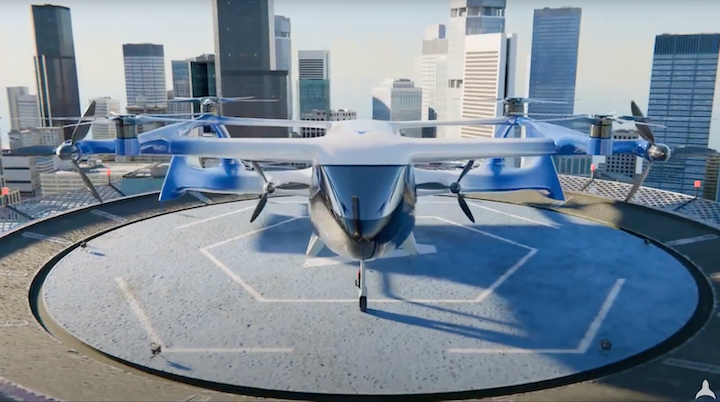
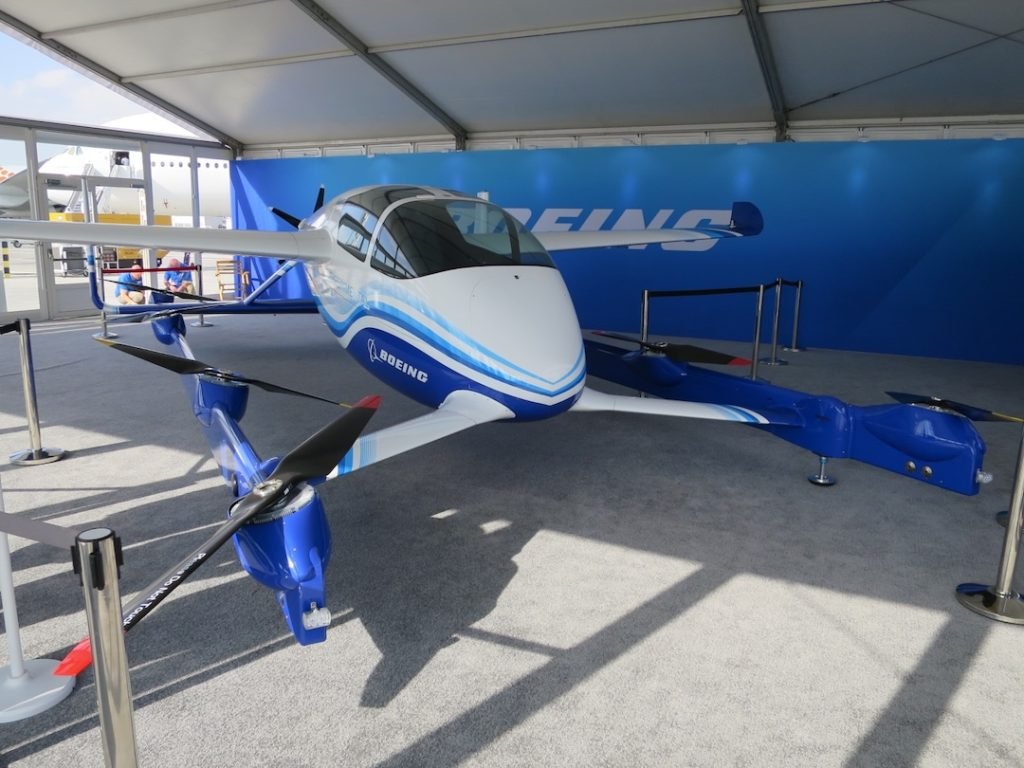
Even as the advancements by eVTOL (electric vertical take-off and landing) companies for commercialisation, in the not-so-distant future, some are even hoping that it may happen by 2025 end, the general and business aviation community is already engaged in animated conversations on how to factor eVTOL in their scheme of things. Urban Air Mobility (UAM) or Advanced Air Mobility (AAM), which is built on the premise of sustainability, is going to be the future and the business aviation community knows this pretty well and has started embracing the concept.
EBACE25, which is happening in Geneva from May 20 to 22, has a whole session on ‘Innovation and Sustainability’ wherein the core subjects include ‘The path to AAM service’, ‘A full deep dive into RefuelEU’ and ‘Debunking myths around carbon offsetting’. “EBACE2024 made clear that business aviation is spearheading a surge of innovation that will drive economic growth and enable a future of net-zero flight,” said European Business Aviation Association (EBAA) Secretary General Holger Krahmer. “Our industry is a testbed for new technologies and remains crucial for connecting people.” However, this edition of EBACE will not have any static display and will be fully focused on the sessions.
Transition to Eco-Friendly Air Commute
The world’s leading business aviation organisation from the US, the National Business Aviation Association (NBAA), has the AAM Roundtable, which serves as a forum for high-level policy planning with sector leaders to chart a course for the integration of AAM technologies into the nation’s airspace and infrastructure. The business aviation community has been showing considerable interest to transition to eco-friendly air commute, driven by the need to reach net zero by 2050 and also due to the growing number of clients who are ‘environmentally conscious’.
The NBAA, the General Aviation Manufacturers Association (GAMA) and the International Business Aviation Council (IBAC) have all committed to the goal of increasing fuel efficiency by 2% per year between 2020 and 2030. These new ambitions build on the Business Aviation Commitment on Climate Change (BACCC) made in 2009, when the industry said it would reduce carbon emissions by 50% by 2050, increase fuel efficiency by 2% per year from 2010 to 2020, and achieve carbon-neutral growth from 2020.
The business aviation sector is reportedly on track to meet these goals. The NBAA President and CEO Ed Bolen has said, “This is a testament to the value of a unified partnership among operators, manufacturers, fuellers, service providers and many others. With our collective focus and determination, we can achieve carbon-neutrality in our lifetimes.” However, the airline sector seems to be hitting turbulence, and the Director General of the International Air Transport Association, Willie Walsh, has raised an alarm that airlines may not achieve net zero by 2050 as they are weighed down by issues to do with energy companies, airports, and manufacturers.
CLIMBING.FAST. Initiative
Undeterred, the business aviation community, under NBAA stewardship, has started an initiative called CLIMBING.FAST., aimed at helping the industry reach net-zero by 2050 in the hope that sustainable aviation fuels (SAF) are easily available and affordable. CLIMBING. FAST. is an advocacy initiative to showcase business aviation’s many societal benefits, from helping small businesses stay competitive in a global economy, to driving opportunities for a next-generation workforce, to leading research, development and investments for tomorrow.
Affordable and Accessible, SAF Far from It
Presently, SAF is exorbitantly priced due to limited availability and high production costs. It is reported that SAF costs are 120% to 700% higher than fossil-based jet fuel costs, even though SAF may have the advantage of reducing Co2 emissions between 27% and 87%. While airlines are facing this crisis, business aviation operators are not immune, but there is optimism that SAF production volumes will grow. In 2024, SAF production touched 1.3 billion litres, up from 600 million litres in the previous year, though 2024 estimates were 1.9 billion litres. SAF represents only 0.3% of global jet fuel production and 11% of renewable fuel worldwide.
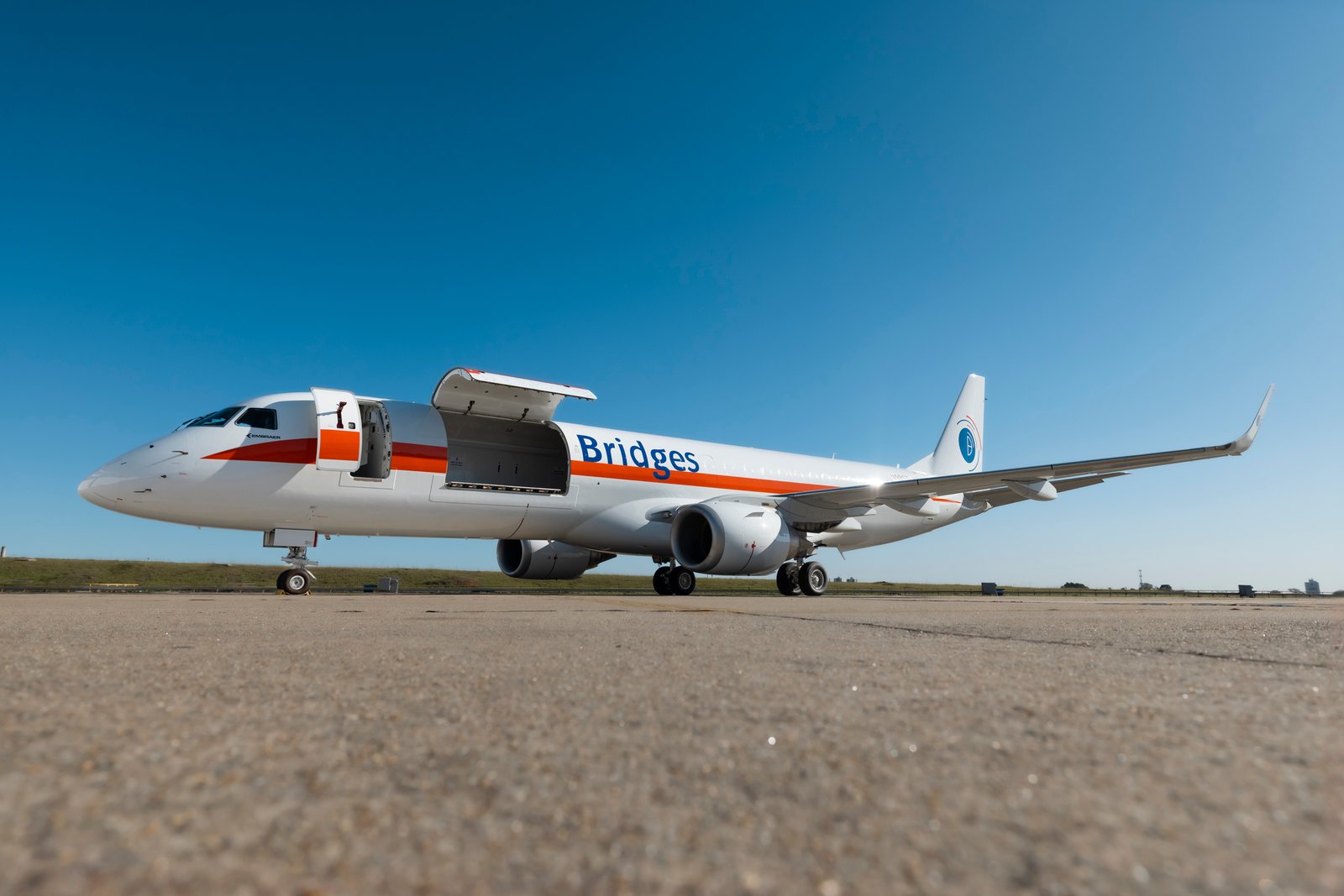
In such a scenario, business aviation has the flexibility to integrate quickly eVTOLs into their operations. In late 2021, the Brazilian aerospace major Embraer announced the ‘Energia family’, the latest in the company’s ‘Sustainability in Action’ initiative. The company has partnered with an international consortium of engineering universities, aeronautical research institutes, and small and medium-sized enterprises to better understand energy harvesting, storage, thermal management and their applications for sustainable aircraft propulsion. The Energia Family is comprised of four concept aircraft of varying sizes that incorporate different propulsion technologies – electric, hydrogen fuel cell, dual fuel gas turbine, and hybrid-electric.
Companies Working on Several Sustainable Concepts
Embraer’s four concept aircraft include the ‘Energia Hybrid (E9-HE)’, to be flown on hybrid-electric propulsion, seat configuration of nine and technology readiness by 2030; the ‘Energia Electric (E9-FE)’, full electric propulsion and also having nine seats and technology readiness by 2035; the ‘Energia H2 Fuel Cell (E19-H2FC)’ to be flown on hydrogen electric propulsion; 19 seats and technology readiness by 2035; and the ‘Energia H2 Gas Turbine (E50-H2GT)’ to be flown on hydrogen or SAF/JetA turbine propulsion; 35 to 50 seats and technology readiness by 2040.
Luis Carlos Affonso, Embraer’s Sr. VP of Engineering, Technology and Corporate Strategy, said, “We see our role as a developer of novel technologies to help the industry achieve its sustainability targets. There’s no easy or single solution to getting to net zero. New technologies and their supporting infrastructure will come online over time. We’re working right now to refine the first airplane concepts, the ones that can start reducing emissions sooner rather than later. Small aircraft are ideal on which to test and prove new propulsion technologies so that they can be scaled up to larger aircraft. That’s why our Energia family is such an important platform.” Though these concepts are still on the drawing board, it reflects the thinking of the manufacturers.
Meanwhile, on the horizon are several eVTOL companies ready to take off. Deloitte has forecast that in the US alone, the eVTOL market could be valued at $17.7 billion annually by 2040 after rising steeply from $3.4 billion in 2025. A number of eVTOL companies are at different stages of going commercial.
In 2024, Pipistrel Velis Electro flew for over 50 hours with zero CO2 emissions and reportedly an 80% reduction in noise pollution when it covered the ‘Tour de France’. Pipistrel Velis Electro is the world’s first electric-powered airplane to receive a Type Certificate (EASA.A.573 TCDS). The two-seater, intended primarily for pilot training, is expected to be a game-changing aircraft, and the company believes that business aviation will soon follow suit. “Air taxi and business jet operators or owners will be the first users of such aircraft. The challenge is big, but the aviation industry is working hard, and I’m confident aviation is always the most efficient way to travel,” Emmanuel Rety, the founder of the Elektro Tour, has said.
Startup Eviation recently flew ‘Alice’ its medium-range electric plane, designed for flights of up to 250 miles. Then there are others, such as Joby Aviation and Archer Aviation, who are targeting the end of 2025 to go commercial. Taking a lead on them is a Chinese company, Ehang and its customer, Shanghai Hynfar Aviation, who have started trial operations for sightseeing flights along the Huangpu River in Shanghai in the EH216-S, the first passenger air taxi to receive certification worldwide. The aircraft is said to be fully autonomous. The air operator certificate (AOC) covers “low-altitude tourism” and “urban sightseeing” flights in the cities of Guangzhou and Hefei. In the future, the company said, the terms of the AOC will be extended to include “other scenarios such as urban commuting.”

The former President and CEO of GAMA Pete Bunce has said, “technology advancements would be a key component to reaching the BACCC’s milestone”, referring to the introduction of lighter materials, reduction of parts through additive manufacturing, propulsion innovation, aerodynamic optimisation through composites, advanced alloys, skin coatings and active winglets as just some of the many areas where further improvements will have an impact.
“Our industry also has a proven track record of capitalising upon innovations in the air traffic control infrastructure to further reduce emissions. Additionally, dramatic improvements in avionics and data communications capabilities will increase operational contributions to reducing emissions. When merged with the exciting new designs employing electric distributed propulsion, hydrogen and SAF hybrid aircraft, we are confident innovation will keep us marching toward our net-zero goals.”
Kurt Edwards, Director General of the International Business Aviation Council, has stated that “Business aviation is climbing fast toward a sustainable future and playing an essential role in efficiently connecting communities, creating economic opportunities, and fostering innovation.”
Innovation Across the Board
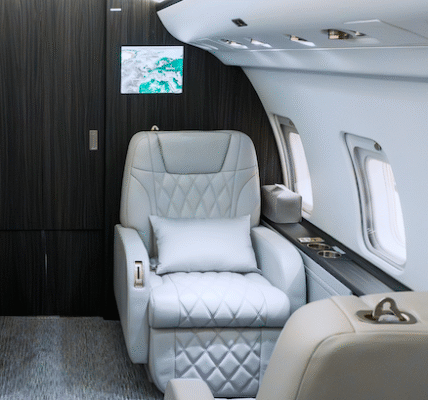
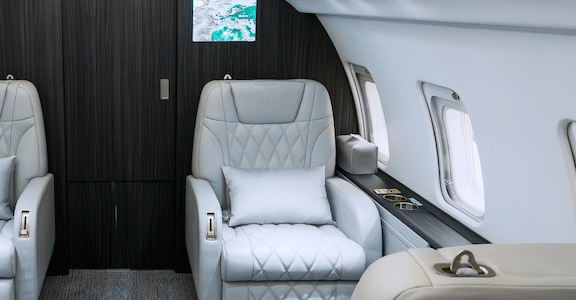
And innovation is happening in various areas – for instance cabin interiors which accounts for 10% of an aircraft’s empty weight and business aircraft manufacturers are looking at materials such as bamboo for woodwork and biodegradable options. Textron Aviation uses textiles, carpets and leather that are 100% natural and cradle-to-cradle certified and after their life, they are biodegradable. Bombardier uses sustainable materials such upcycled wool or flax for seating and veneer sourced from eucalyptus trees, which require as much as 80% less water to grow than other tree-sourced materials.
It is evident that business aviation is evolving as per the present day demands, one of which is sustainable operations. At the helm is GAMA, which has set up an Electric Propulsion and Innovation Committee (EPIC) that ensures innovation by general aviation manufacturers merges with the regulatory regimes governing the design and operation of aircraft. The committee also focuses on safety improvement initiatives toward simplified aircraft operations and establishing global standards for the industry. In 2017, the EPIC produced “Publication No. 16,” a standard developed to aid manufacturers and operators in the common determination of hybrid and electric aircraft performance measurements, and the progress has been encouraging. GAMA is truly ushering in the next era of aviation through various sustainable initiatives.