


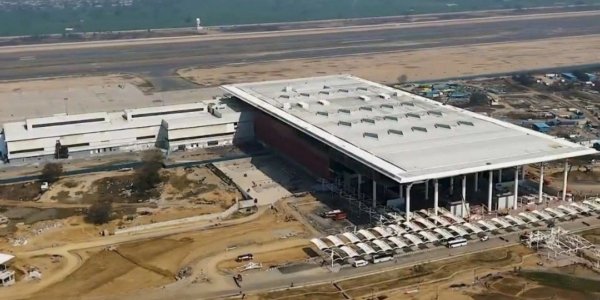
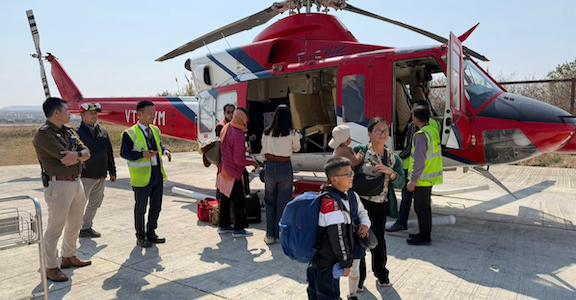












- Daily flights to Srinagar International Airport have nearly halved due to heightened security concerns following a deadly terrorist attack in Pahalgam on April 22.
- Airlines like IndiGo and Air India Express suspended services, while airfares dropped significantly, with Delhi-Srinagar fares falling from ₹12,000-₹14,000 to ₹4,000-₹5,500.
- The local economy, including hoteliers and tour operators, faces severe setbacks, with IndiGo planning to resume Kolkata-Srinagar flights on June 16 as stabilisation begins.
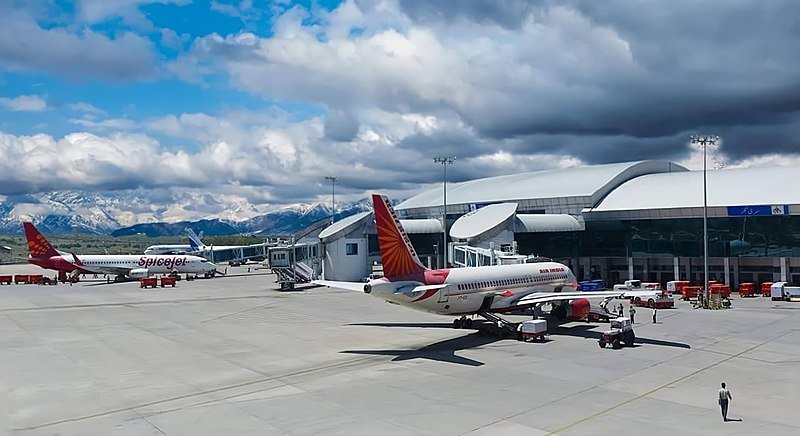
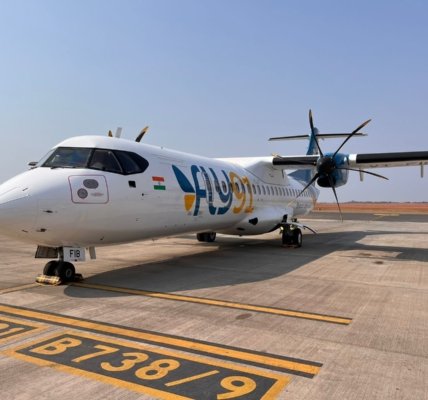
The serene skies over Srinagar, a popular tourist destination often lauded as “Paradise on Earth,” have witnessed a dramatic reduction in air traffic, with airlines significantly cutting back on flights to the region. This sharp decline, which has seen the number of daily flights to and from Srinagar International Airport (SXR) almost halve, is a direct consequence of heightened security concerns following recent militant activities and a subsequent drastic drop in tourist footfall.
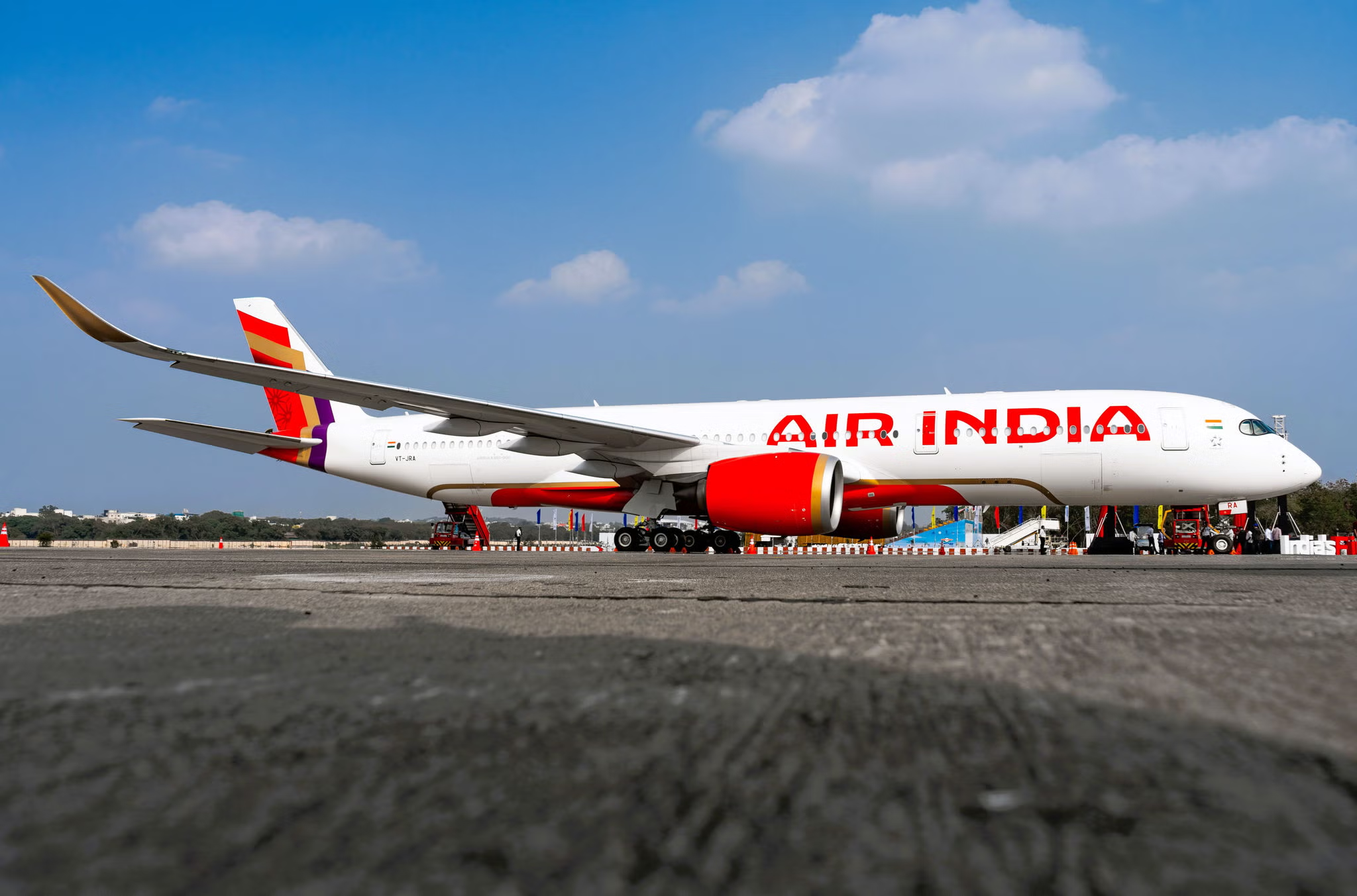
India’s aviation sector is recalibrating its operations to Srinagar as the region grapples with a significant downturn in tourism. The decline follows the tragic terrorist attack in Pahalgam on April 22, which claimed 26 lives, predominantly tourists, and the subsequent military response, Operation Sindoor. This year, Srinagar was to see the highest ever flights in its history in summer, with an average of 50 departures a day being planned for May. Instead, not only did the flights scale down, but there were also days of airport closure during and after Operation Sindoor, the tri-services operation against Pakistan. Before Operation Sindoor, there were 17 flights to Srinagar from Delhi alone, with connectivity from Mumbai, Hyderabad, Bengaluru, Kolkata, Chandigarh, Jammu, Amritsar and Leh.
As of today, flights to Srinagar are from Delhi (down to 14 daily from 17), Mumbai, Jammu, and Bengaluru, amongst others. However, flights from Kolkata will start only later this month.
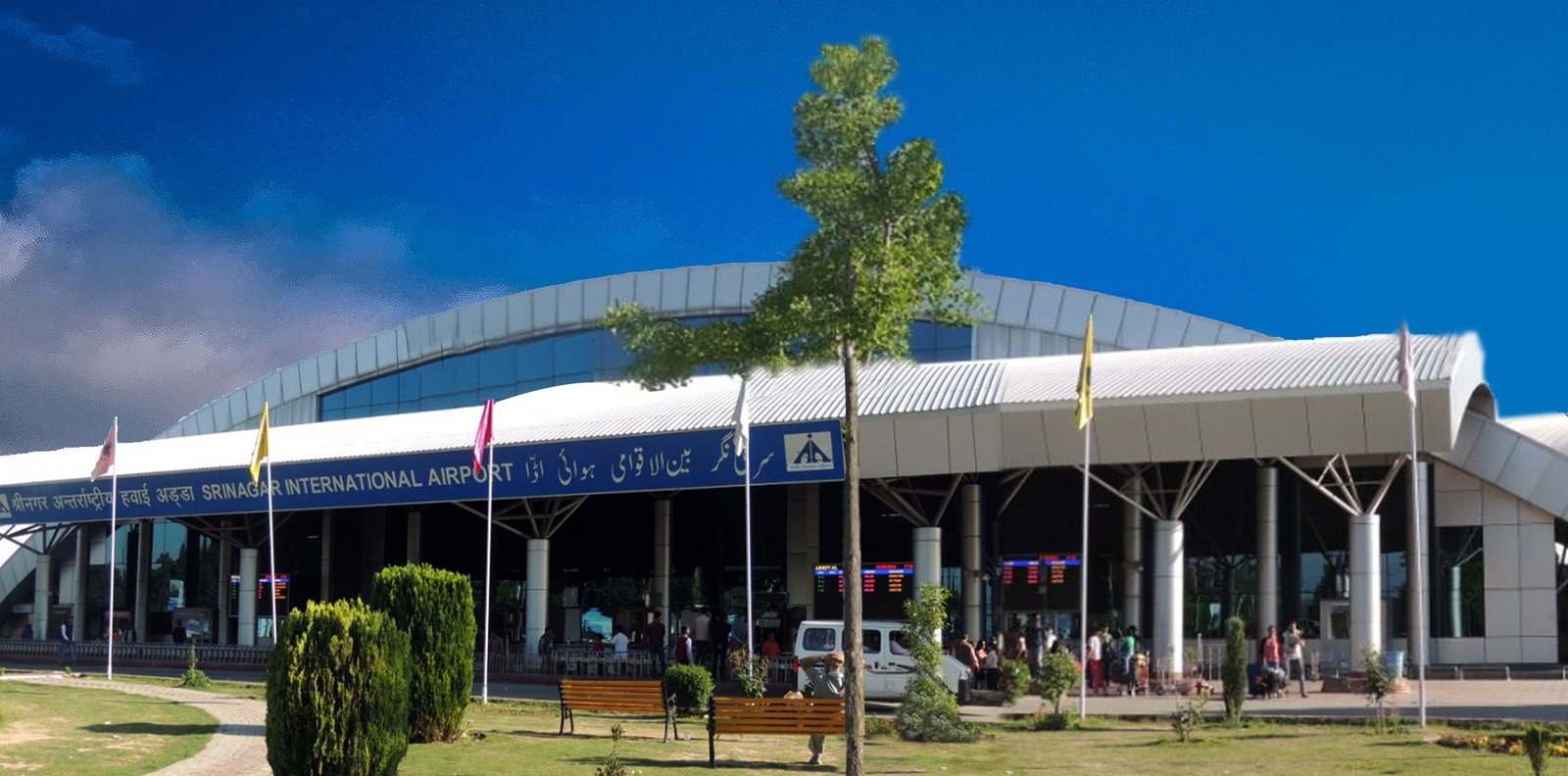
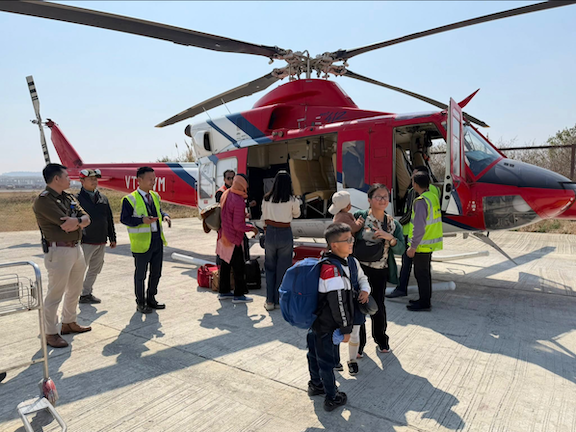
The immediate aftermath saw the government rein in airfares and push airlines to add flights to ensure that the valley is free from tourists. To assist stranded tourists, the government coordinated with airlines to operate additional flights from Srinagar. On April 24 alone, 57 arrivals and 53 departures were recorded at Srinagar airport, facilitating the movement of over 14,000 passengers. Airlines waived cancellation and rescheduling fees, and the Civil Aviation Ministry intervened to cap fares, ensuring affordability for travellers. Subsequently, airlines like IndiGo and Air India Express suspended flights to Srinagar due to decreased demand.
The adverse effects of these cutbacks are reverberating throughout the local economy. Tour and travel operators are witnessing a massive dip in airfares, a desperate measure to attract visitors. Routes like Delhi-Srinagar and Mumbai-Srinagar, which once commanded fares between ₹12,000 and ₹14,000, are now available for as low as ₹4,000 to ₹5,500. A one-way trip from Bangalore to Srinagar, previously priced at ₹18,000 in March, can now be booked for around ₹8,000. While these reduced fares aim to entice tourists, industry insiders express concern that this pricing model, characterised by extreme fluctuations based on demand, creates an unstable environment for long-term tourism growth. Hoteliers in Kashmir are also feeling the pinch, with many offering discounts of up to 30% to salvage some business. Local tour operators are similarly extending heavy discounts, a testament to the desperate efforts to attract any remaining visitors. However, the mass exodus of tourists immediately after the Pahalgam attack and the “war-like” atmosphere that followed have created a significant uphill battle for the industry.
Slowly turning the tide
However, with signs of stabilisation, IndiGo has announced the resumption of its Kolkata-Srinagar flights starting June 16, adopting a cautious approach to gauge passenger confidence and demand recovery. Air India Express remains vigilant, monitoring market conditions before reinstating services. Flight count has gone down to less than 30 flights a day and is slowly inching towards 35 in June and more thereafter. However, it is a lost summer, with May being the peak month of operations at Srinagar, with tourists from across the country making a beeline to the tourist destination. The cold blooded murder of tourists will put the strain on the destination not just immediately but also over a period of time.
The airlines have been impacted adversely since they were hoping for a bumper summer. Not only is the impact limited to Srinagar, but it also affected the entire May since flights were lower than anticipated, along with last-minute cancellations by passengers as Operation Sindoor gained momentum. This will show up in the airline financials for Q1 of the financial year. With India’s geographical expanse, there will be more routes, which will mushroom, and passengers will find more destinations, but this May was a lost one.