











- The CEO Panel at the 81st IATA AGM discussed major challenges facing global aviation, including supply chain delays, blocked revenues, infrastructure gaps, and slow SAF adoption.
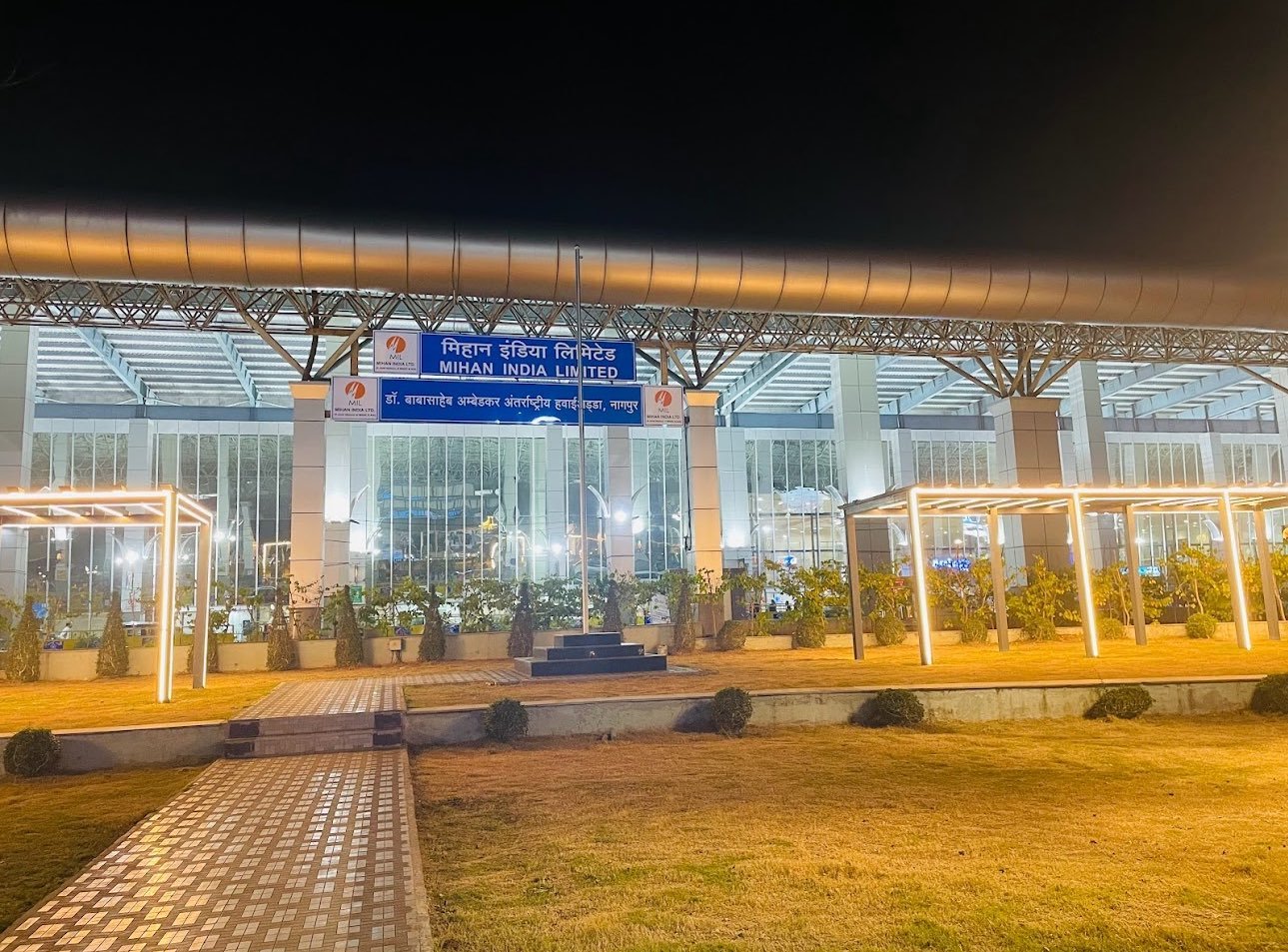
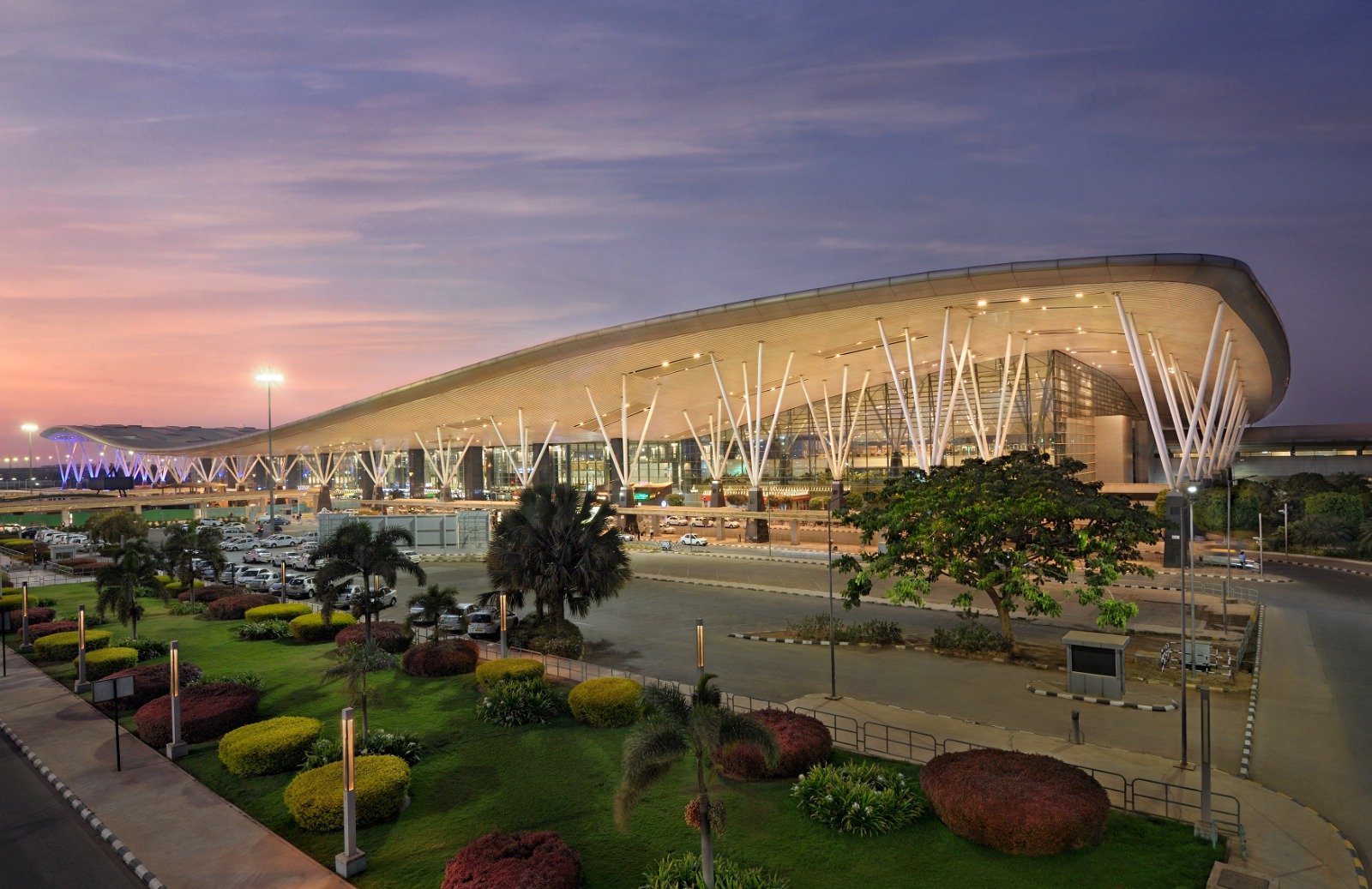
- India’s rapid airport expansion, with nearly one new airport opening every six weeks, was highlighted as a bright spot amid global infrastructure stagnation.
- Airline leaders shared updates on IndiGo’s global expansion, JetBlue’s regulatory challenges, and FedEx’s evolving cargo strategy.
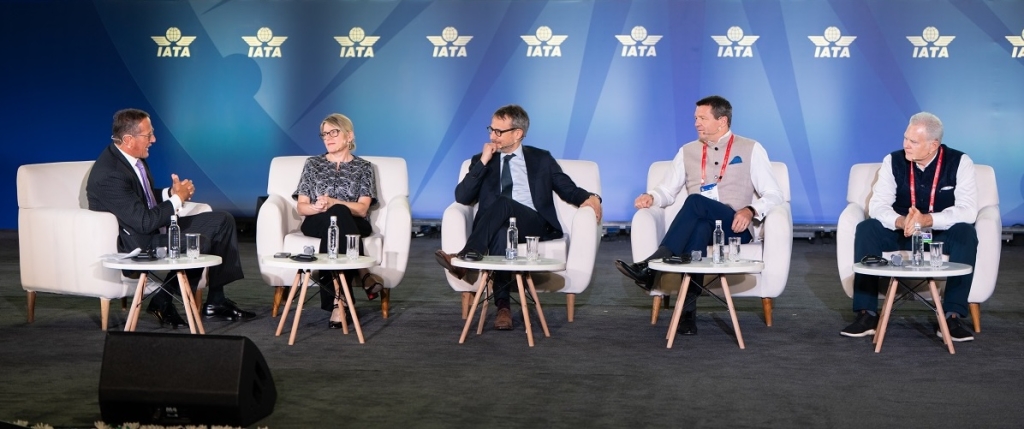
Delays in aircraft manufacturing supply chain, blocked airline revenues in several markets, unsatisfactory progress on the front of Sustainable Aviation Fuel (SAF) adoption, infrastructure gaps and geopolitical friction are some of the issues impinging on the dynamics of global air travel. These bottlenecks figured prominently during the CEO Panel at the 81stAnnual General Meeting (AGM) of the International Air Transport Association (IATA) and the World Air Transport Summit (WATS) that brought together aviation leaders to discuss the future of air travel in a world still recalibrating after years of disruption. Moderated by CNN’s Richard Quest, the panel featured Pieter Elbers, CEO of IndiGo; Joanna Geraghty, CEO of JetBlue; Adrian Neuhauser, CEO of Abra Group; and Richard Smith, COO International and CEO Airline of FedEx Express.
Persistent disruption in the aircraft manufacturing supply chain continues to delay new deliveries and hamper expansion plans. The CEOs acknowledged that these constraints have forced airlines to revise growth strategies and manage operations more conservatively. The supply environment is limited and requires a lot of agility. Airlines are recalibrating their approach in light of delivery delays.
India’s Infrastructure Surge
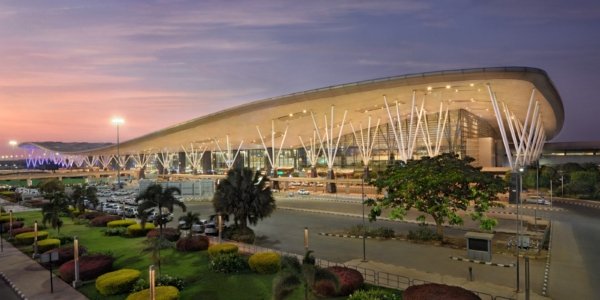
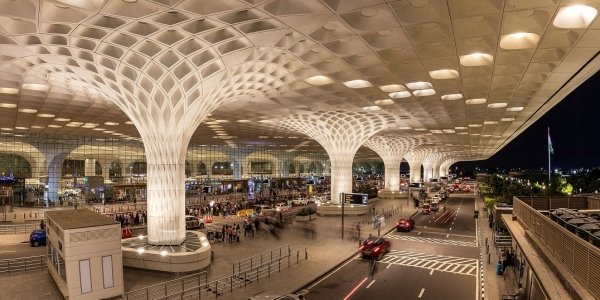
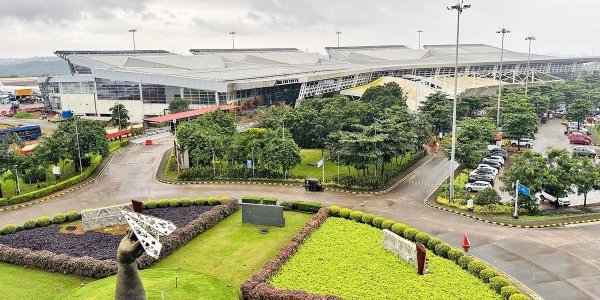
Amidst the challenging global environment, India’s rapidly improving aviation infrastructure resonated positively, with Elbers highlighting the country’s rapid pace of airport development — with nearly nine new airports being added each year. He remarked that one new airport every six weeks is a scale and ambition not seen in many other parts of the world. Such developments position India as a rising global aviation hub — a stark contrast to the stagnation in infrastructure growth seen elsewhere, especially in developed markets.
Financial Landscape and Revenue Repatriation
On the financial front, the industry’s cautious optimism was tempered by frustration over blocked airline revenues in several markets. As of April 2025, an estimated $1.3 billion remained inaccessible to airlines due to government-imposed restrictions — an improvement from the $1.7 billion figure in October 2024 but still a major point of concern.
The panel underscored the importance of collaborative pressure from IATA and member airlines on governments to ensure timely repatriation of revenues.
Strategic Expansion and Alliances

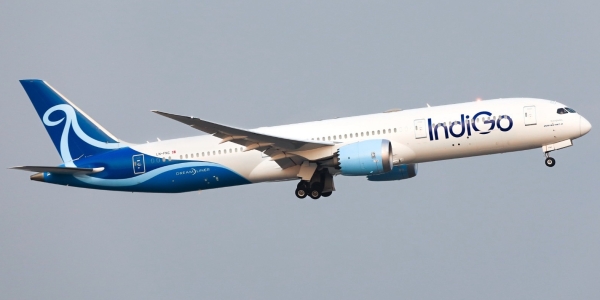
IndiGo has significantly stepped up its international operations compared to the previous year. The airline has doubled its widebody order from 30 to 60 aircraft. It has started flights to Europe for the first time, and is entering into codeshares with Air France, KLM, Virgin Atlantic, and Delta.
Elbers revealed that IndiGo would soon codeshare to as many as 30 points in Europe, noting, “It’s about scaling up with global reach while staying focused on cost discipline.”

Adrian Neuhauser of Abra Group—which includes Avianca and GOL—provided a regional view. He noted that Latin America remains vulnerable to economic volatility and regulatory inconsistency. However, consolidation across markets has allowed Abra to achieve greater resilience and scale.
“Our strategy is about creating a platform — multiple brands under one umbrella — that can adapt to different regulatory environments,” he said. “But it’s also about sharing technology and leveraging synergies.”
Neuhauser was cautiously optimistic about long-term demand in Latin America but called for greater cross-border alignment among regulators to reduce friction for carriers.
Growth and Turbulence
The “BlueSky” initiative, a collaboration between JetBlue and United Airlines, has emerged as a significant development. Under this arrangement, United is set to receive some slots at JFK, and JetBlue would be running their ancillary services through its platform.

However, reflecting on the failed JetBlue–Spirit merger, Joanna Geraghty expressed her frustration. She stated that they had spent years with the Department of Justice. She explained that JetBlue represents 6 per cent—or, more accurately, 5 per cent—of domestic seats in the US and operates in a landscape dominated by four large carriers. She voiced her concern that when a small entity tried to combine with another small entity to become a medium-sized one, they were told no, while the DOJ had allowed all the big mergers. She further criticised what she perceived as inconsistent enforcement, remarking that the DOJ under the Biden administration had blocked their merger while letting others go through, which she found extremely frustrating.

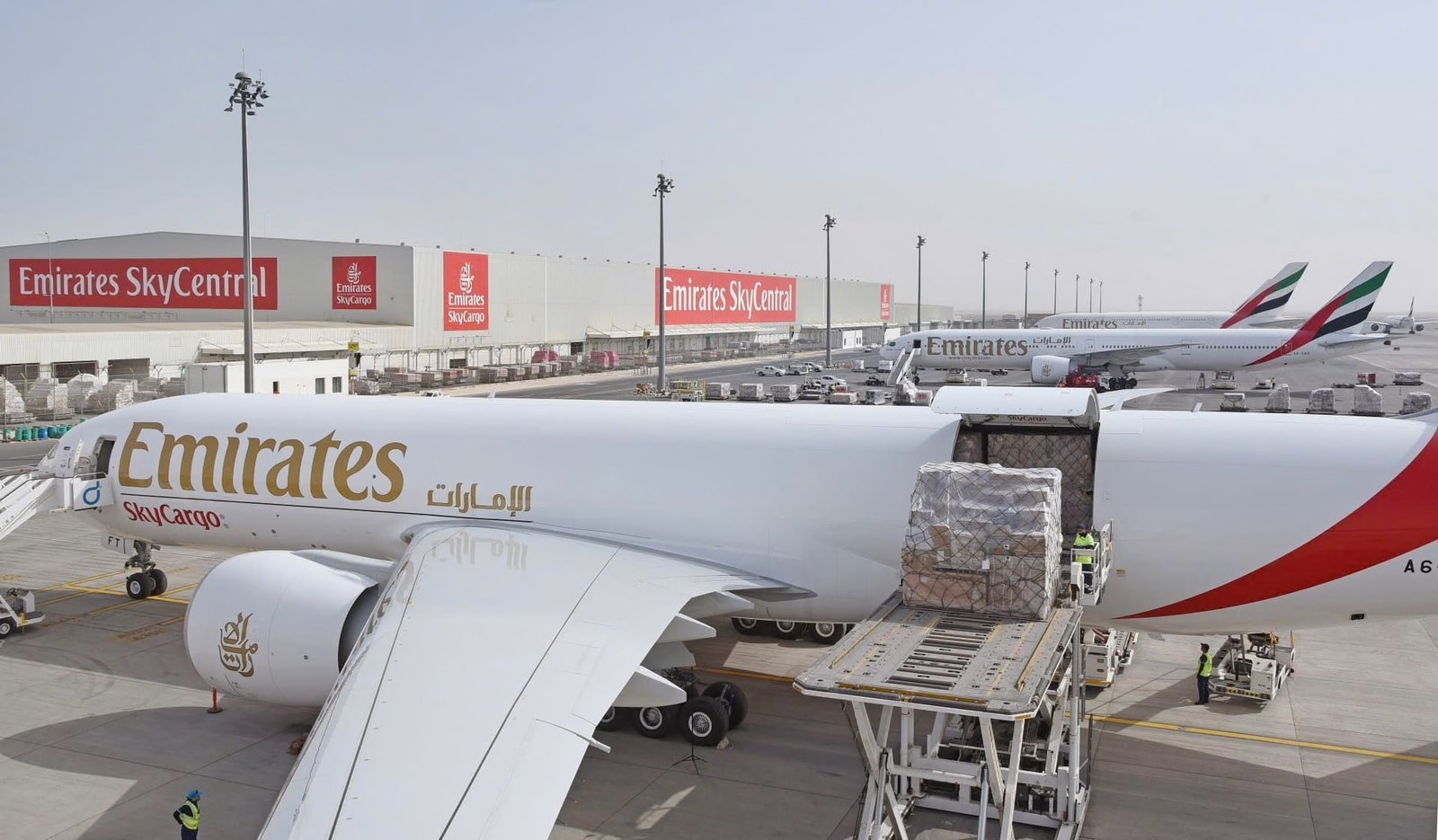
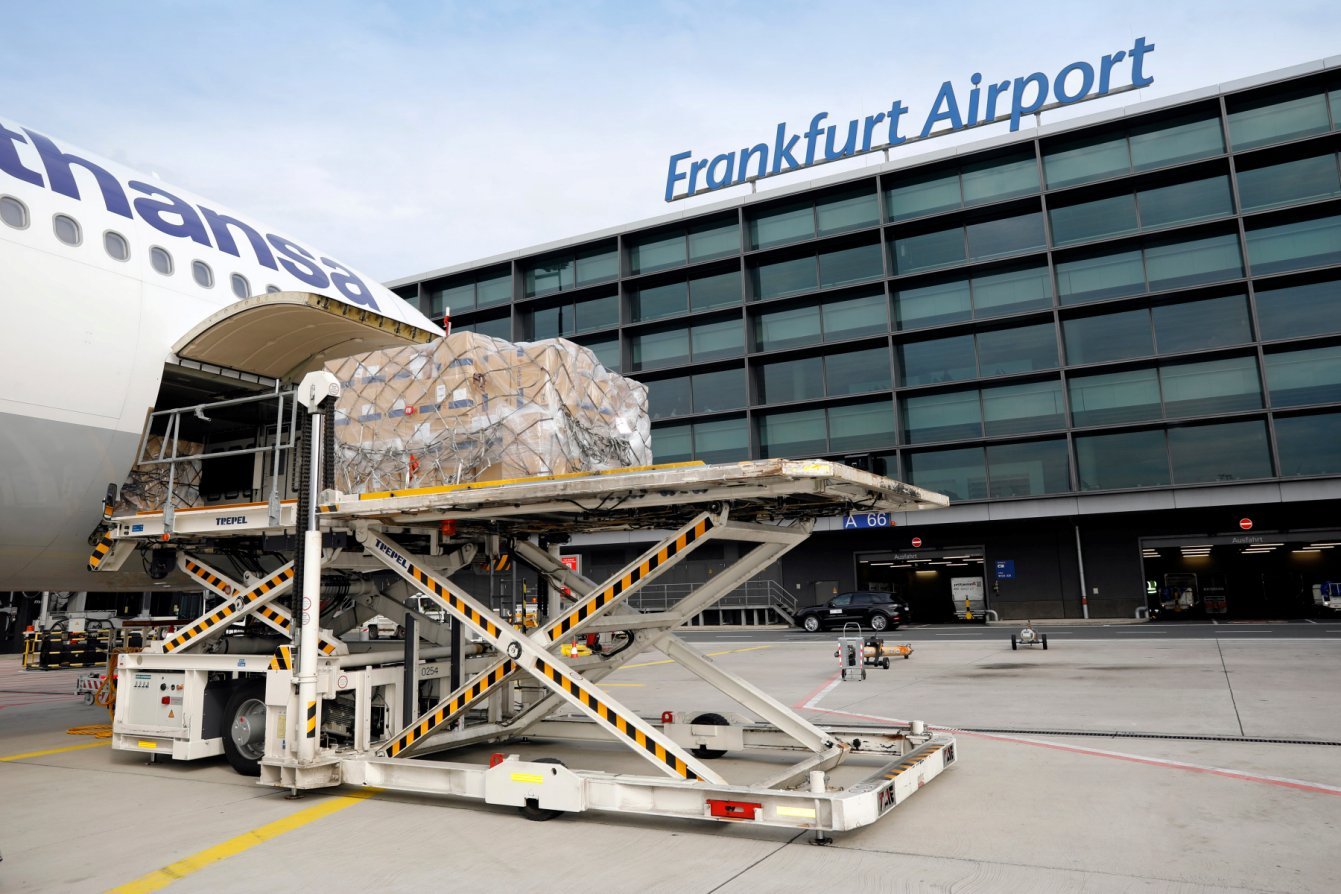
Richard Smith of FedEx brought a cargo perspective to a panel otherwise dominated by passenger airlines. He described how e-commerce and evolving trade patterns continue to reshape cargo operations. While the global cargo market has cooled somewhat from pandemic highs, demand remains robust, and infrastructure investments continue.
Smith also spoke on FedEx’s expanding intercontinental services, which now increasingly integrate with partner airlines’ bellyhold capacity. He echoed concerns about infrastructure gaps and geopolitical friction, which are complicating cargo flows in key regions.
Sustainability and SAF Adoption
The panel also briefly touched on SAF, acknowledging that while progress is being made — with production expected to double in 2025 — high costs and limited supply remain serious barriers.
India, some noted, has potential to emerge as a major SAF hub in the coming years, thanks to its biofuel capacity and supportive policy environment. However, global uptake remains low, accounting for just 0.7 per cent of total fuel usage in 2025, far short of what’s needed to meet net-zero goals.
Takeaways
The CEO Panel at the 81st IATA AGM offered a panoramic yet pragmatic view of global aviation’s current trajectory. Tariffs are undoubtedly affecting the cargo market, while the more familiar issues of supply chain problems, infrastructure constraints, and sustainability continue to affect operations, profitability, and demand. But there is optimism that such a resilient industry as aviation will pull through.
From India’s infrastructural rise to regulatory roadblocks in the US, and from supply chain headaches to innovative partnerships, the discussion reflected an industry grappling with complexity but poised for reinvention. If one message came through clearly, it was that aviation’s future will not be shaped by any single airline or policy — but by the collaborative efforts of leaders willing to take bold, adaptive steps in a rapidly changing world.
The 81st IATA AGM and WATS brought together the top leadership from airlines, the aviation value chain and governments as the aviation industry faces complex and dynamic operating, business and geopolitical environments. The next IATA’s AGM has been announced to be held in Rio de Janeiro, Brazil, in June 2026, hosted by LATAM Airlines Group.