













India’s Air Cargo Ambition: Charting a Path to 10 Million Metric Tonnes by 2030

- Prime Minister Narendra Modi emphasised India’s focus on expanding air cargo capacity to strengthen its position in the global supply chain. The country targets 10 million metric tonnes by 2030, up from 3.5 million.
- Since May 2022, the sector has made significant strides through infrastructural upgrades, technological advancements, and policy reforms, including new cargo facilities at major airports and initiatives to develop Tier II and Tier III airports into cargo hubs.
- Despite progress, challenges such as slow cargo growth at key airports and limited freighter aircraft pose hurdles; however, rapid infrastructure development and rising e-commerce demand suggest a promising outlook for India’s air cargo growth.
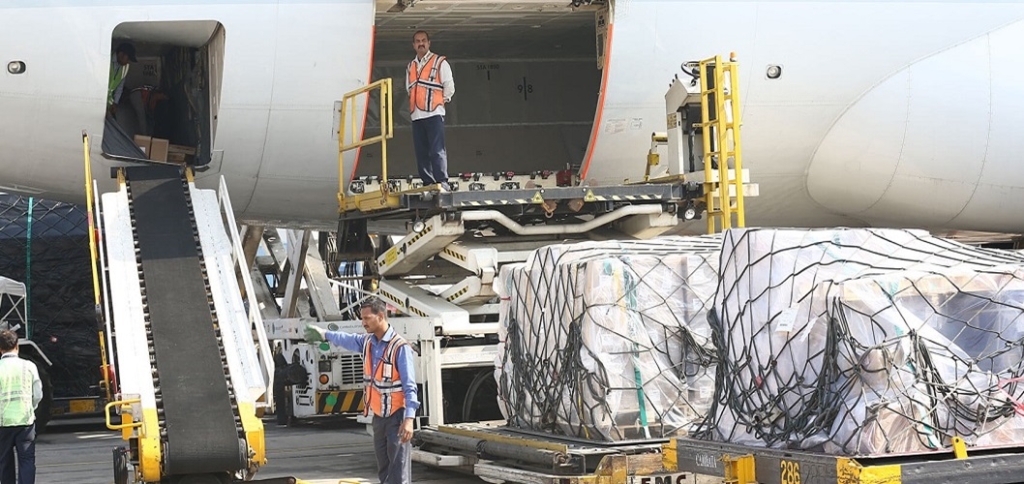
Prime Minister Narendra Modi recently addressed the 81st Annual General Meeting of the International Air Transport Association (IATA), emphasising India’s strategic focus on expanding its air cargo capacity. He highlighted that such growth would position India as a global aviation supply chain leader. The PM outlined the country’s ambitious goals: to increase air cargo volume from the current 3.5 million metric tonnes annually to 10 million metric tonnes by 2030, aligning with the government’s Mission 2030 vision. This growth, he said, reflects not just rising numbers but also India’s enhanced role in the global logistics ecosystem, supported by improvements in infrastructure and adherence to international best practices.
Historically, the air cargo sector in India has shown remarkable evolution. In May 2022, Jyotiraditya Scindia, then Minister of Civil Aviation, remarked at the Air Cargo Forum India (ACFI) that the sector had transformed from an underdog to a superdog. He emphasised that to reach the 10 million metric tonnes target, industry players needed to focus on transporting smaller cargo loads from Tier II and Tier III cities to metropolitan hubs, which could be facilitated by acquiring smaller aircraft. Additionally, he advocated for developing a hub-and-spoke model to streamline cargo movement from smaller cities to larger metros and then internationally, alongside infrastructure improvements and paperless processing.
Since then, the sector has made significant strides. The Ministry of Civil Aviation (MoCA) has actively worked to overcome obstacles on the path to 10 million metric tonnes by 2030. Glyn Hughes, Director General of The International Air Cargo Association (TIACA), expressed optimism about government engagement, stating, “When you have a government that’s engaged, it’s positive. When you have a government with a plan, it is even better. When you have a government that commits to writing that plan, it creates the right (growth) environment.”
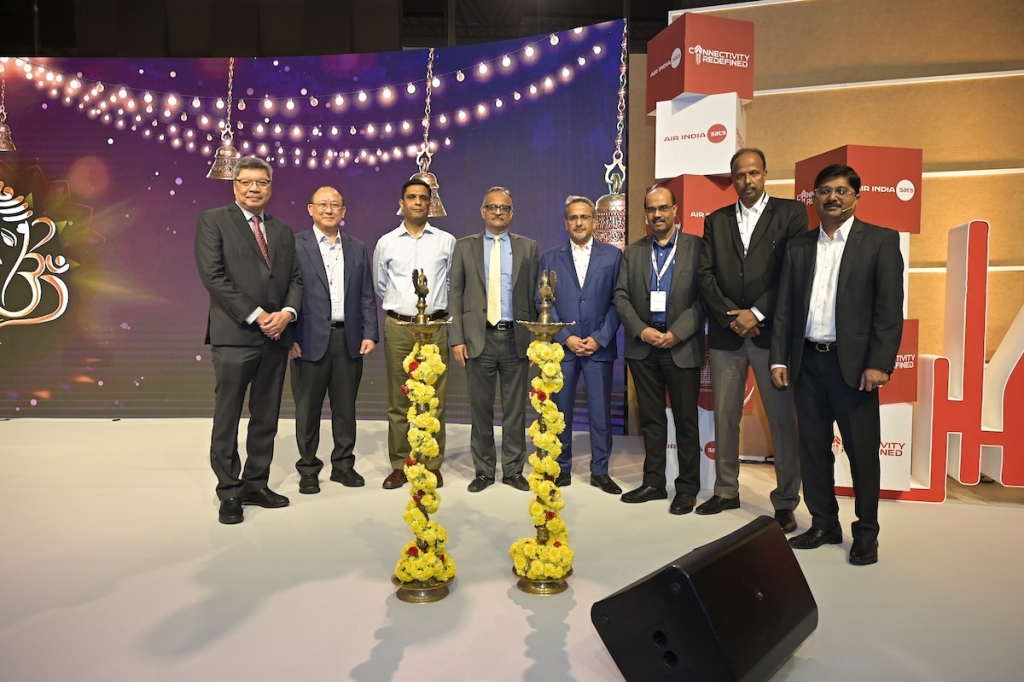
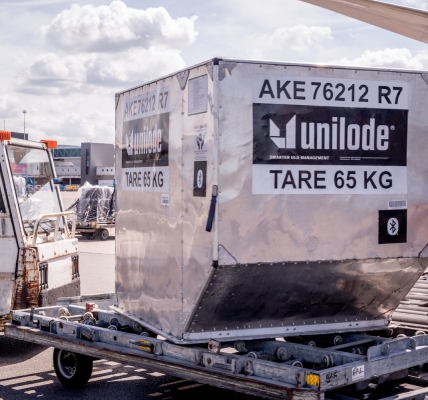
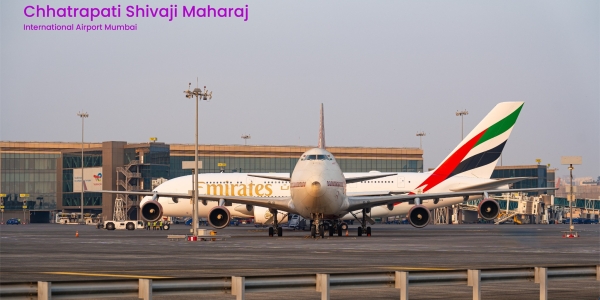
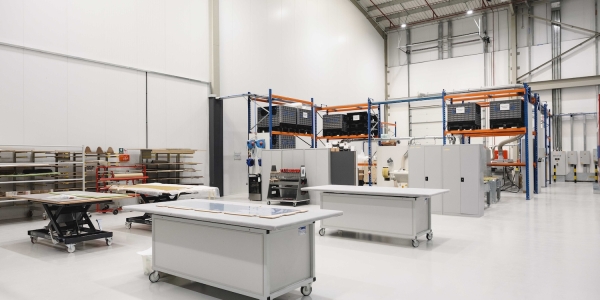
India’s progress hinges on investments in infrastructure, technological upgrades, and policy reforms. Major airports are developing state-of-the-art cargo facilities, including automated handling systems, cold storage for pharmaceuticals, and dedicated express zones. For example, Delhi International Airport has expanded its cargo terminal, Mumbai International Airport has built a new cargo complex, and Bengaluru Airport has enhanced its air cargo facilities. Technological advancements are reducing turnaround times and enhancing security measures. Tier II and Tier III airports are also being upgraded to become cargo hubs, making India more attractive to international carriers and exporters.
However, challenges remain. While the Gati Shakti initiative aims to develop a multimodal logistics infrastructure, the lack of dedicated freighter aircraft could hinder growth. Currently, India’s freighter fleet comprises just over 18 narrow-body aircraft operated by Blue Dart, IndiGo, SpiceJet, and Quikjet—a tripling over the last seven years. Boeing’s World Air Cargo Forecast predicts that freight volume between South Asia and Europe will double, and between South Asia and East Asia will quadruple over the next two decades. A Boeing spokesperson noted, “We expect to see continued growth and activity to meet the Indian government’s stated goal of transporting 10 million tonnes of air freight by 2030.” The forecast projects an annual growth rate of 6.3%, requiring more than 80 freighters in India within 20 years.
India’s national carrier, Air India, primarily focuses on belly cargo but has not yet introduced dedicated freighters. CEO Campbell Wilson remains optimistic, noting that post-privatisation, cargo revenues have tripled while passenger revenues doubled. He highlighted ongoing efforts to improve cargo services, including non-stop international routes, better systems, and more consistent product delivery, viewing the airline as a credible player with significant upside potential.
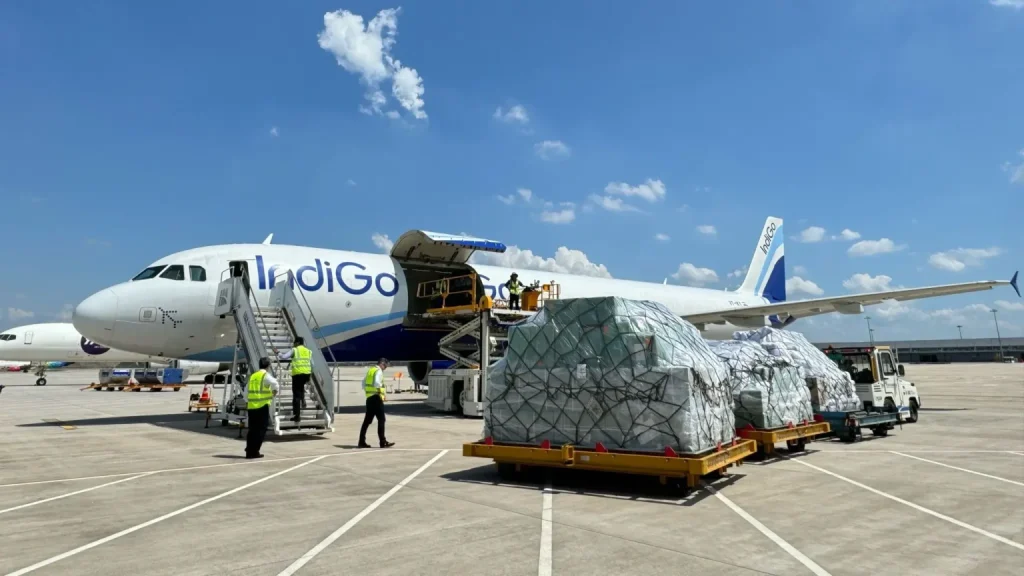
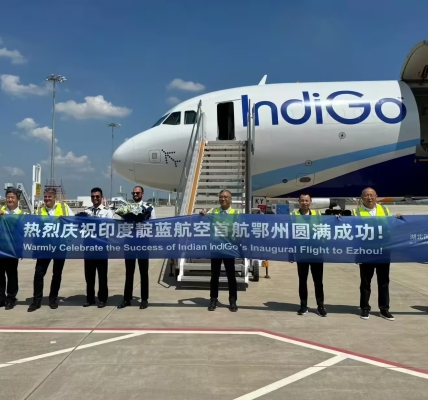
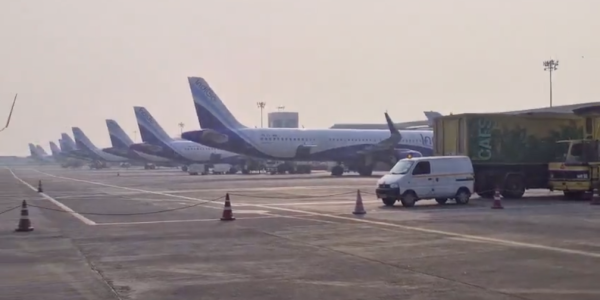
IndiGo’s cargo operations have also experienced rapid growth, both domestically and internationally. While specific figures are unavailable, the airline plans to introduce wide-body aircraft from 2027, boosting cargo capacity. Its maiden international service from Mumbai to Amsterdam and Manchester, operated by a wet-leased Boeing 787, can carry up to 18-20 tonnes of cargo each way. CEO Pieter Elbers emphasised the opportunity, stating, “The opportunity for cargo for us is significant. It nicely coincides with the Make in India campaign, which is becoming more prominent as India positions itself as a global manufacturing hub.”
Infrastructure development for freighter growth is progressing swiftly. Boeing, for instance, has partnered with Hyderabad-based GMR Aero Technic to convert passenger Boeing 737s into freighters. The company aims to establish India’s first conversion line, delivering Boeing Converted Freighters (BCF). Nevertheless, reaching the target of 10 million metric tonnes presents hurdles. Cargo stakeholders point out that major airports like Delhi and Mumbai, both joint ventures and top cargo handlers, have experienced sluggish growth. Data from April to September 2023-24 indicates an average decline of 2.1% in cargo traffic at these airports. Despite these setbacks, the outlook remains optimistic. A report by Research and Markets forecasts India’s air cargo market to reach a value of US$17.22 billion by 2028.
India’s air cargo sector is on a promising growth trajectory, driven by infrastructural investments, technological improvements, and policy reforms. With initiatives like Gati Shakti laying the groundwork for multimodal logistics, the sector’s future looks bright, though it must address challenges like fleet expansion and infrastructure bottlenecks. The country’s airports are seeing increasing throughput—Delhi’s IGIA handled around 1.0 million metric tonnes in FY2024-25, with international cargo at 729,784 tonnes and domestic cargo at 379,735 tonnes. Mumbai processed 654,756 tonnes of international cargo in FY2025, an 11% increase from the previous year, making it India’s second-largest international cargo hub. Chennai International Airport handled 38,018 tonnes in March 2025, up from 29,452 tonnes in February.
Bengaluru Airport surpassed the 500,000 MT mark for the first time in FY2025, with a 17% increase over 2024, handling 502,480 MT. Although India’s domestic air cargo represents less than 1% of global traffic, the sector is poised for expansion, fueled by more than 25% annual growth in e-commerce—a game-changer for the industry. The sector’s potential is further underscored by projections that cargo volume will grow significantly over the next two decades.
Looking ahead, India’s freight infrastructure and capacity are set to expand, with forecasts indicating strong growth. Boeing’s forecast, in particular, underscores the need for more freighters to meet demand. While challenges persist, including slow growth at key airports like Delhi and Mumbai, the overall outlook for India’s air cargo sector remains optimistic, supported by government initiatives, private sector investments, and increasing global trade connectivity. The journey to 10 million metric tonnes by 2030 is well underway, with the sector’s evolution poised to elevate India’s position in the global logistics and supply chain landscape.