




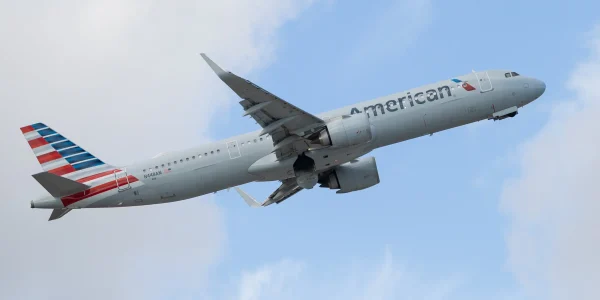





- As India’s international air traffic experiences significant growth over the past few decades, the competition between Air India and IndiGo intensifies.
- Vistara’s merger within Air India and the significant aircraft orders position the combined entity as a formidable player, while IndiGo’s ambitious expansion plans and international focus set the stage for a competitive future.
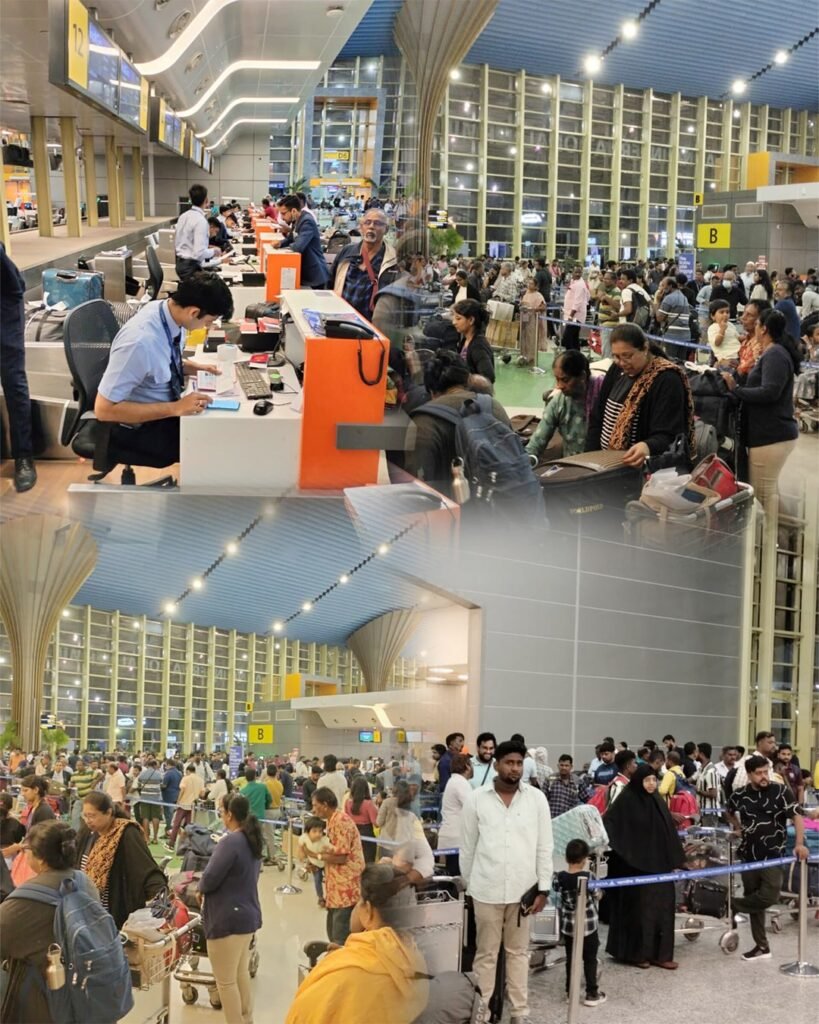
India’s international air traffic has experienced considerable growth over the past few decades, reflecting the country’s increasing economic power, rising middle class, and global connectivity aspirations. The sector’s expansion is a reflection of not only advancements on the domestic front but also its integration into the global economy. Historically, India’s international air traffic was relatively modest, largely dominated by state-owned carriers like Air India. However, the liberalisation of the Indian economy in the early 1990s marked a turning point. Economic reforms paved the way for private carriers and foreign airlines to enter the market, significantly boosting competition and quality of service. This shift was crucial in making air travel more accessible and affordable for a larger segment of the population.
The Indian international air traffic market is served by a mix of domestic and international airlines. Domestic carriers like Air India, IndiGo, and SpiceJet have expanded their international routes, while international airlines such as Emirates, Qatar Airways, and Singapore Airlines have increased their frequency and destinations to and from India. The entry of low-cost carriers has also played a significant role in making international travel more affordable.
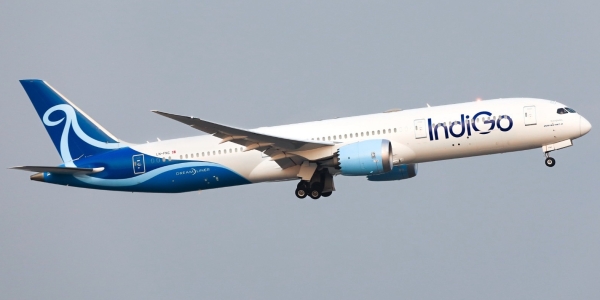
Over the last few years, domestic market leader IndiGo has made silent strides in international air travel. The airline deploys more seats than Air India, carries more passengers than Air India but with the consolidation of Tata group airlines from four to two, the balance seemed set to shift in favour of Air India. This changed with the order for 30 A350s by IndiGo this summer, altering the dynamics of the country’s global aviation market.
Understanding capacity – by Seats and Available Seat Kilometres
IndiGo has more international departures than Air India but has lesser capacity. Puzzling as it may sound, capacity in aviation is not measured only by seats but by Available Seat Kilometres or ASK. The two important metrics analyse an airline’s capacity and performance.
Capacity by seats refers to the total number of seats an airline offers on its flights over a certain period. This is a direct count of all seats available and aggregated over a period like daily, monthly or yearly. The metric helps understand the sheer volume of passenger carrying capacity a particular airline offers.
ASK is a more complex measure of an airline’s capacity. It takes into account not only the number of seats but also the distance those seats are flown. ASK is calculated by multiplying the number of available seats on a flight by the distance (in kilometres) that flight covers. ASK is a critical metric for understanding an airline’s overall capacity and efficiency. It reflects the potential revenue-generating capability of the airline, as it combines seat availability with the operational scope (distance). This metric is particularly useful in financial and performance analyses, helping airlines to evaluate how effectively they are utilising their fleets over long and short-haul routes.
Seats are used for operational planning and resource allocation, ASK is used for financial performance, capacity planning and efficiency analysis. Airlines use ASK to decide on route profitability. Longer flights with more seats contribute more to ASK, influencing decisions on which routes to prioritise or expand. ASK helps airlines assess how effectively they are using their aircraft. High ASK values typically indicate better utilisation of the fleet, assuming high load factors (percentage of seats filled). ASK allows for more meaningful comparisons between airlines with different route structures. An airline operating many long-haul flights may have a higher ASK compared to one operating primarily short-haul flights, even if the latter has more flights or seats in total.
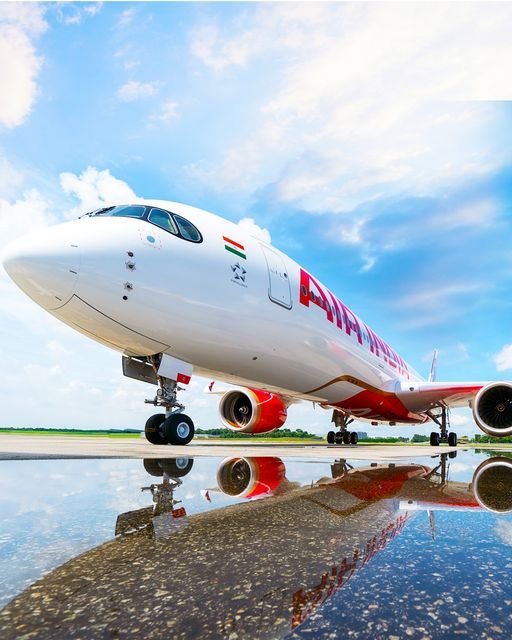
IndiGo leads in seats, but Air India leads in capacity
As of May 2024, IndiGo operated 6433 international flights and ferried 11,21,897 passengers. The same month, Air India operated 3781 international flights and ferried 7,36,369 passengers. IndiGo’s capacity by ASK was 16,338,000 while that of Air India was 19,345,000
In 2023, Air India’s international departures stood at 44,055, while IndiGo had 66,944 international departures. Air India flew 8,102,159 international passengers while IndiGo carried 11,172,608. Air India deployed capacity by ASK of 215,908,000, while last year IndiGo deployed only 167,930,000. These numbers are so because IndiGo operates short haul flights while Air India has a large presence on ultra long haul and long haul flights with widebody aircraft.
Indian carriers have not been able to take-on the combined might of foreign carriers, while continuing to carry less than 50% of the total international traffic to and from India. While a lot gets said about Dubai and Emirates, there are hubs across the region like Doha, Abu Dhabi, Frankfurt, London as well as the newer ones in Vietnam, where airlines from their respective countries have far bigger presence as compared to Indian carriers.
Did IndiGo go-ahead or Air India stumble?
The answer is mix. Air India, which was up for privatisation, was not expanding rapidly leading up to the privation days. The pandemic saw IndiGo scale down to bare minimum but wait for its time to soar. On the other hand, a depreciated rupee, high travel demand led IndiGo to shift gears and significantly grow its capacity on international routes rather than domestic.
IndiGo has intelligently added codeshares with Turkish Airways and Qatar Airways which helps it carry passengers till intermediate point and then they can fly onwards with partner carriers. The same has been implemented with Qantas, opening up new vistas for the airline.
Air India, while over two years old in the Tata fold, has had to invest in fleet renewal, and establish some basic processes, amongst other initiatives. This has meant that the focus has not been on expansion in true sense but rather on consolidating the market along and getting grounded planes back in the air. While Air India had a headstart all along, the slowdown during COVID to prepare it to sell the airline, combined with IndiGo making the most of this time with a heavy cash balance, ultimately worked in favour of IndiGo.
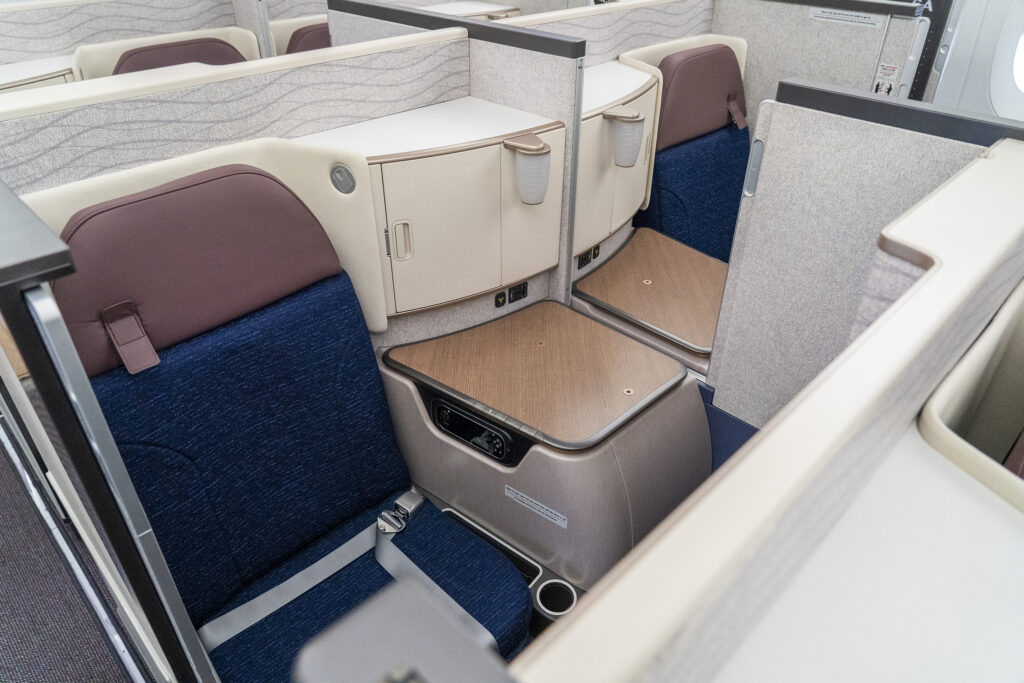
IndiGo’s A350 order
IndiGo, India’s largest airline by market share, has made a significant leap in its strategic growth by placing an order for Airbus A350 aircraft. This move marks a crucial moment in IndiGo’s expansion plans, as it ventures into the realm of long-haul international flights. Historically known for its focus on the domestic and short-haul international market with a fleet dominated by Airbus A320 family aircraft, IndiGo’s decision to integrate the wide-body A350 into fleet signifies a major shift in its operational strategy. The A350, renowned for its fuel efficiency, advanced aerodynamics, and passenger comfort, is well-suited for long-distance travel, aligning perfectly with IndiGo’s aspirations to connect India with more distant global destinations.
This order underscores IndiGo’s ambition to elevate its service offerings and tap into new, lucrative markets. The A350’s extended range capability opens up a plethora of route possibilities, enabling direct flights from India to destinations in North America, Europe, and Australia without the need for layovers. Such routes are highly attractive to business and leisure travellers alike, offering convenience and time savings. Moreover, the A350’s advanced features, such as reduced noise levels and superior cabin air quality, promise an enhanced passenger experience, which is crucial for long-haul flights.
IndiGo’s strategic timing for this order also reflects a broader trend in the aviation industry, where carriers are increasingly prioritising aircraft that offer better fuel efficiency and lower operating costs. The A350’s cutting-edge technology and composite materials contribute to a significant reduction in fuel consumption and emissions, aligning with global sustainability goals. This move not only positions IndiGo as a forward-thinking airline in terms of environmental responsibility but also offers economic advantages by reducing per-seat operating costs over long distances.
Why are international flights important?
International flights are generally more lucrative than domestic flights due to a combination of higher ticket prices, increased ancillary revenue opportunities, longer flight durations, larger market access, and strategic partnerships. Additionally, while domestic flights have additional taxation on fuel, the same does not hold true for International ones. Passengers travelling long distances are willing to pay a premium for the convenience and necessity of reaching international destinations. Additionally, these flights typically offer multiple travel classes, including premium economy, business, and first class, enabling airlines to generate more revenue per seat through premium services.
International flights present numerous ancillary revenue opportunities. Passengers on these routes often carry more luggage, leading to higher baggage fees. Airlines can also charge for enhanced in-flight services such as meals, entertainment, and Wi-Fi, which are more commonly utilised on longer flights. Duty-free sales of luxury goods and other products can significantly boost additional revenue, a unique advantage of international routes.
International flights access a larger and more diverse market. These flights cater to a mix of business travellers, tourists, expatriates, and international travellers, creating a broader customer base. Business travel is a significant component of international flights, and business travellers are generally less price-sensitive compared to leisure travellers. They are more likely to book premium cabins and last-minute flights, which are highly profitable for airlines.

What does the future hold?
Air India will merge Vistara within itself and has a solid order book of both narrowbody and widebody aircraft. IndiGo, also has a solid order book and will begin inducting the A350s starting in 2027. So, where does the competition take the two then? The Tata group airlines together will continue to lead in departures and passengers together for a foreseeable future. On the domestic front too, the combined entity will see increased capacity and frequency on key metro routes like Delhi – Mumbai – Delhi.
Every airline, whether IndiGo or Tata group, is looking ahead for a ride beyond 2030. By then IndiGo envisions itself to be a 600-aircraft airline and Tata group would have received all aircraft that it ordered in 2023. The Indian economy is expected to grow steadily, increasing purchasing power of Indian traveller. The addition of airports at Delhi and Mumbai, along with talks of additional airports at Chennai and Bengaluru will create enhanced capacity as well.
Vistara’s merger with Air India will add only six widebody planes but the biggest assets could be the four A321LRs which are currently not flying the Long Range they are truly meant to fly in full strength. The airline deploys them to Mauritius from Mumbai and Hong Kong from Delhi. The Delhi – Denpasar Bali flight which initially saw the A321LR, has been upgraded to the 787 Dreamliner. The combined entity will be a tough nut to crack for IndiGo, but that is for March 2025 and beyond.