











- Pratt & Whitney Canada’s PW100/150 Family is the powerplant of choice for turboprop regional transport aircraft.
- Advancements like the PW127XT series and hybrid-electric propulsion are set to shape the future of regional aviation in India.
Turboprop-powered Regional Transport Aircraft (RTA) make up a vital component of India’s domestic civil aviation fleet. Indian carriers operate two important aircraft types on regional routes: IndiGo and Alliance Air operate the ATR 42/72 family of aircraft, and SpiceJet is the sole operator of De Havilland Canada’s DHC-8-400 RTAs.
It is estimated that both aircraft types are in service with Indian airlines, totalling approximately 90 aircraft. What is common between these two aircraft types, however, is that they are all powered by Pratt & Whitney Canada’s (P&WC) PW100/150 turboprop engine family. In fact, P&WC’s PW100 engine family powers 90 per cent of all regional turboprop aircraft operating today in the 30- to 90-passenger category. These PW100-powered regional turboprop aircraft consume 25 – 40 per cent less fuel than similar-sized jets while operating on typical regional routes of 584 km miles or less. All PW100 family engines are also certified to operate with a 50 per cent Sustainable Aviation Fuel (SAF) blend.
The newest engine variant in the PW100 family, the PW127XT is now the standard on all new ATR aircraft and first entered service in 2022. This engine has also been selected to power the upcoming Deutsche D328eco aircraft. The PW127G is also the powerplant for the Indian Air Force’s latest military transport, the C-295.
Key Market
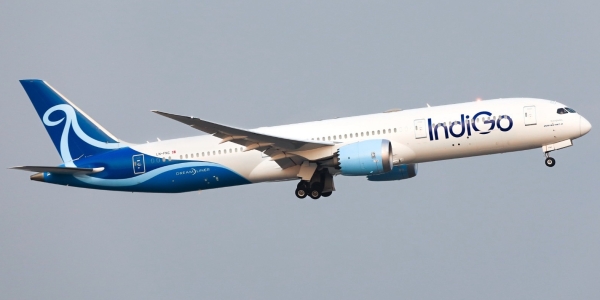
IndiGo is a key operator for P&WC in India and the Asia Pacific market in general. IndiGo inducted its first ATR 72-600 aircraft in 2017 and will eventually have over 100 PW127M engines (including spares) for its fleet of 50 ATR72-600 aircraft. Powered by PW127M engines, IndiGo’s ATR 72-600s have a seating capacity of 78 passengers, can take off using just 1315m of runway, and can land within 915m. With a range exceeding 1300 km, it is ideal for short to medium-haul operations.
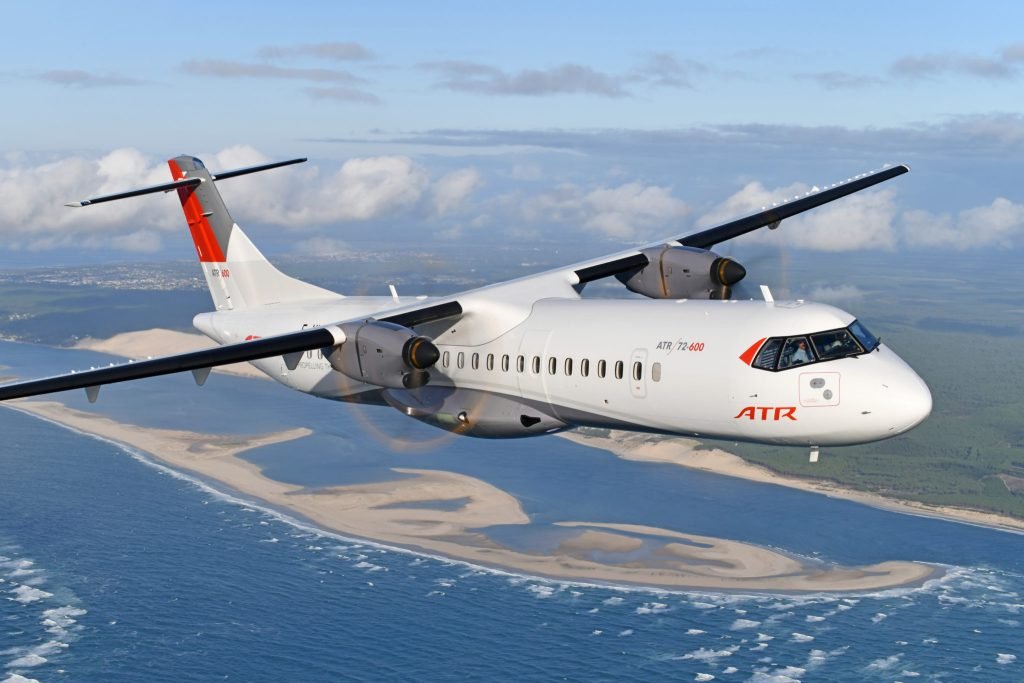
IndiGo has also opted for all of its aircraft to have P&WC’s Flight, Acquisition, Storage and Transmission (FAST) prognostics solution – including a propeller vibration trend monitoring capability. It entered into a Fleet Management Programme contract for ten years with P&WC in October 2017.
The regional airline Alliance Air operates a fleet of 18 ATR72-600 aircraft, 2 ATR42-600s and one Dornier Do-228. It introduced its first PW127M powered ATR 72-600 aircraft into its fleet in December 2014. The PW127M engines powering Alliance Air’s ATR aircraft are maintained at Pratt & Whitney’s engine MRO facility located in Singapore. Alliance Air’s Hindustan Aeronautics Limited (HAL) built Do-228 is powered by two Honeywell Aerospace TPE 331-10 turboprop engines.
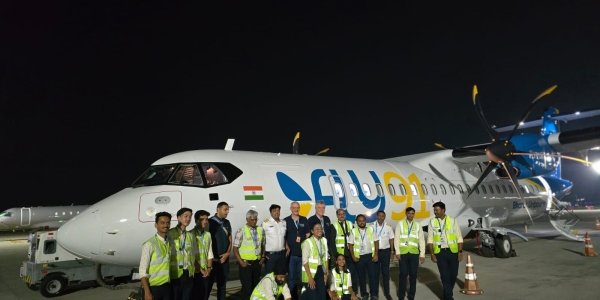
The latest Indian airline to opt for PW127 M-powered ATR 72-600 turboprop passenger aircraft is the regional carrier FLY91. In March this year, it entered into a multi-year engine services agreement with P&WC for the Maintenance, Repair, And Overhaul (MRO) of its PW127M engines.
SpiceJet continues to operate a fleet of 22 DHC-8-400 RTAs, which can seat 78 passengers. The Dash 8-Q400 is powered by two Pratt & Whitney PW150A turboprop engines. Aircraft availability is a key factor for airlines, with the ability of a commercial aircraft to take off as scheduled often depending on the readiness and reliability of its engines. P&WC claims that the PW100/PW150 engines have four times more flying hours than its nearest competitor, and the PW150A engine has a dispatch availability of more than 99.96 per cent. Constant improvements to the engine family have also meant that over the last decade, the time on-wing availability of the PW150 has increased by up to 30 per cent.
40 Years of Service
Pratt & Whitney Canada celebrated the 40th anniversary of its PW100 engine family in July this year. In the ensuing decades, it has manufactured 9,000 engines, which have logged approximately 200 million flight hours to date. In total, P&WC has completed 200 engine-type certifications over a 60-year period, which is considered a singular accomplishment in the world of aviation. The company’s entire engine family has achieved more than one billion hours of flight across the entire fleet since the introduction of the PT6 in 1963.
There are nearly 3,000 PW100-powered aircraft in service, with over 600 operators in 128 countries. “The PW100 engine has helped transform regional aviation globally, bringing the social and economic benefits of aviation to thousands of communities which otherwise would not have been served by air connectivity,” said Maria Della Posta, president of Pratt & Whitney Canada. “The PW100 engine family is recognized as the industry benchmark for its exceptional versatility, efficiency and reliability, and we continue to enhance its performance with the latest PW127XT series, offering better fuel burn and significantly reduced maintenance costs.”
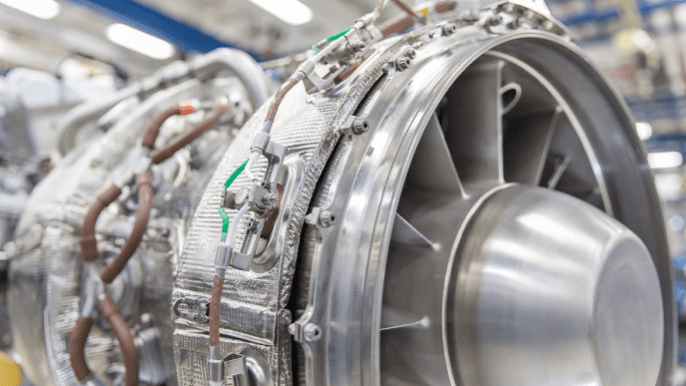
The PW100 is a three-shaft, two-spool engine with low-pressure and high-pressure compressors powered independently by cooled turbine stages. PW100-powered regional turboprop aircraft consume 25 to 40 per cent less fuel than similar-sized jets, with correspondingly lower greenhouse gases. The PW100 was launched on the De Havilland Canada Dash 8-100 and later selected for the ATR 42-600 72-600, Embraer EMB120 Brasilia, Fokker 50, AVIC XAC M60 and M600, and the Dornier 328.
Next-Gen Turboprop
P&WC’s PW127XT-M engines are now the standard engine on the ATR 72 and 42 aircraft and deliver a three per cent improvement in fuel efficiency. The other variants of the engine are the PW127XT-L and the PW127XT-S. The PW127XT-L will power the ATR 42-600S, which is a short take-off and landing (STOL) variant of the popular RTA. With the PW127XT-L’s higher thrust rating, the ATR 42-600S will be able to take off from runways as short as 800 meters. Deutsche Aircraft has selected the PW127XT-S for its D328eco regional turboprop.
The PW127XT-M consumes over 45 per cent less fuel as compared to other regional jets. The engine features innovative technology that reduces turbine operating temperatures, providing extra durability and improved efficiency. Some of the technological innovations include an increased capacity low-pressure compressor and high-efficiency high-pressure compressor, a new high-pressure turbine module for next-level efficiency and durability, along with an enhanced efficiency power turbine module.
The PW127XT also features a new gas-generator case reflecting P&WC’s latest design best practices with an improved oil distribution system. ATR operators will benefit from an increase in the PW127XT engine’s overhaul to 20,000 hours resulting in 40 percent extended time on wing. This brings real benefits to operators in allowing the aircraft to remain in revenue service for a longer duration and a reduction in overall engine maintenance costs by 20 percent.
Powerplant for the Future
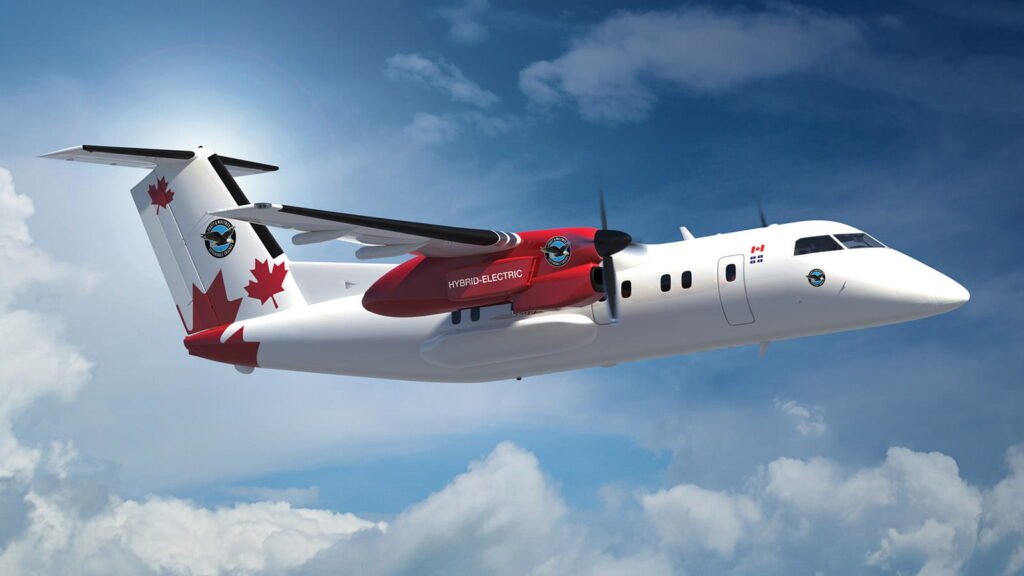
The future for turboprop engines will be the incorporation of hybrid-electric technology which is expected to deliver a step-change in efficiency for aircraft engines. Collins Aerospace will provide the advanced 1MW electric motor and controller for the hybrid-electric powerplant.
P&WC and Collins Aerospace have been working with De Havilland Aircraft of Canada Limited (De Havilland Canada) to integrate this hybrid-electric technology into a De Havilland Canada Dash 8-100 flight demonstrator.
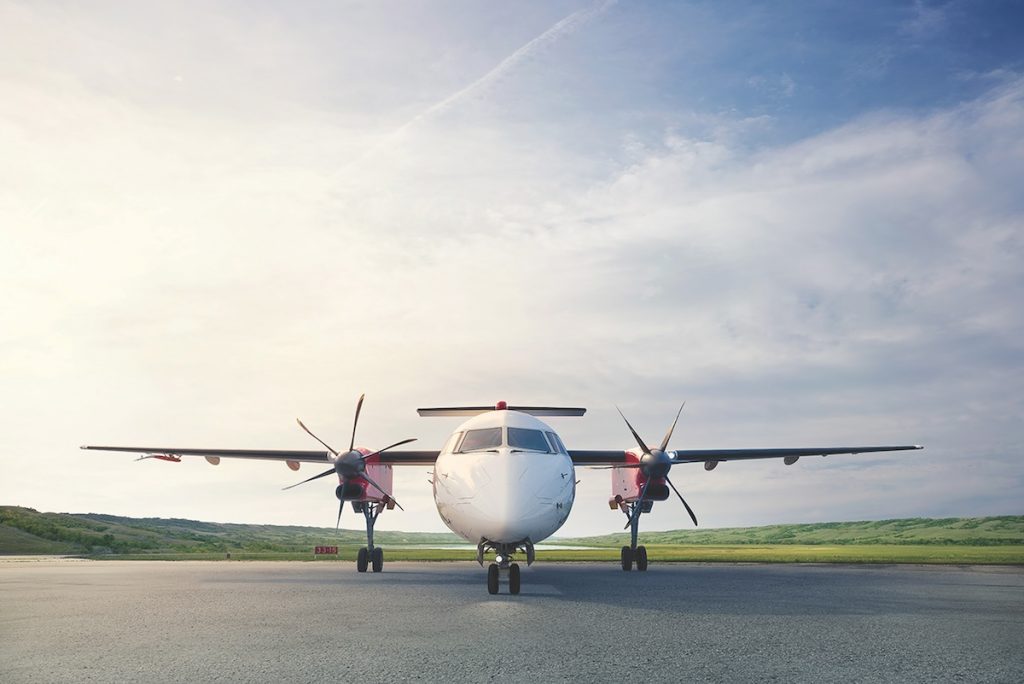
This new hybrid-electric propulsion technology is expected to deliver a 30 per cent reduction in fuel burn and CO2 emissions for the demonstrator aircraft compared to a modern regional turboprop airliner. The flight testing of the Dash 8-100 demonstrator was originally slated to begin in 2024.
Bright Future
With strong demand forecast for Regional Transport Aircraft in the ensuing years to come, demand for turboprop-powered aircraft, which can seat between 40-90 passengers, will remain high. India will remain a growing market for regional transport aircraft and it remains to be seen if Air India Express will also opt for adding RTAs to its fleet in the coming years. Such aircraft are vital for operating in Tier 2 and 3 Indian cities. The operating economics of turboprop-powered RTAs are a key factor for airline customers. With an installed base of nearly 200 turboprop engines with Indian carriers and more to come, greater in-country sourcing of maintenance and spares for these engines will be well received. At the present moment, it is P&WC’s PW127XT engine series that will be the most modern turboprop powerplant for RTAs; however, in the next decade, the incorporation of hybrid-electric technology into turboprop powerplants will transform their operating economics.