













AgustaWestland AW119Kx: Leading the single-engine helicopter category with aplomb

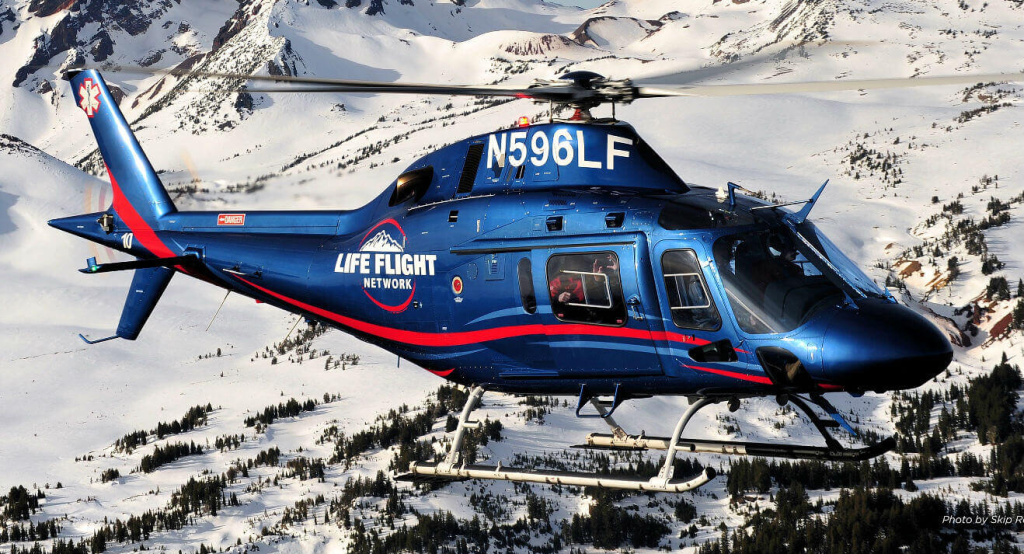
AgustaWestland AW119Kx
Launched in 2012 at the Air Medical Transport Conference (AMTC) in Seattle, USA, the AgustaWestland AW119Kx is an enhanced iteration of the AW119Ke Koala. With an extraordinary blend of precision engineering, powerful performance, and a pampered passenger experience, it caters to a wide array of missions, including emergency medical services (EMS), law enforcement, offshore transport, VIP/corporate travel, firefighting, and utility operations. Developed by Leonardo (formerly AgustaWestland) with over 350 units delivered globally by 2025, the AW119Kx has carved a niche for itself in the single-engine helicopter market, and solidified its reputation as a versatile and cost-effective platform, competing with models like the Bell 407GXi and Airbus H135.
In keeping with Leonardo’s emphasise on sustainability in its rotorcraft programs, its fuel-efficient design aligns with industry trends toward reducing environmental impact. The helicopter’s advanced avionics and redundant systems also contribute to lower maintenance demands, enhancing operational efficiency for commercial and government operators.
Cabin Experience
Measuring 6 feet 10 inches in length, 5 feet 3 inches in width, and 4 feet 2 inches in height, the aircraft features the largest cabin in its class, which provides an unparalleled space for a single-engine helicopter. It can comfortably seat up to six passengers in a standard configuration, with the flexibility to accommodate up to seven in high-density setups, such as for EMS missions with four medical attendants and a stretcher. The cabin’s modular design comes handy for rapid reconfiguration for diverse roles, from luxurious VIP layouts with leather seats to utility setups for cargo transport. For VIP configurations, the interior offers bespoke finishes, such as leatherette liners, leather-covered seats, and carpeted floors. Additional amenities include reading lights, cabin loudspeakers, and Bose Active Noise Reduction (ANR) headsets for all passengers. The spacious cabin, combined with wide sliding doors (1.10 meters) and short passenger footsteps on both sides, ensures easy access and egress, making it ideal for rapid EMS interventions or executive travel.
Effective soundproofing, low vibration levels, and the ventilation system create a quiet, serene and fresh cabin environment with large windows providing excellent visibility and natural light, enhancing the sense of space, similar to other Leonardo models like the AW169. The cabin includes a separate baggage compartment, measuring up to 2.3 meters (7 feet 6 inches) in length with a 44-cubic-foot capacity, accessible in-flight, which maximises interior space and can hold up to 10 suitcases.
Technology (Engines and Avionics)
The aircraft is powered by a single Pratt & Whitney PT6B-37A turboshaft engine, delivering 1,000 shaft horsepower (shp), with high power margins for safe operations in hot-and-high conditions. The engine’s dual-channel Full Authority Digital Engine Control (FADEC) system, enhances fuel efficiency and reliability while reducing pilot workload. The main rotor, with four composite blades and a titanium hub, ensures exceptional manoeuvrability and a smooth ride, while the shrouded tail rotor minimises noise, addressing community concerns in urban operations.
The Garmin G1000NXi Visual Flight Rules (VFR) glass cockpit features two 10.4-inch displays for Primary Flight Display (PFD) and Multi-Function Display (MFD). This avionics suite includes a Synthetic Vision System (SVS) with Highway in the Sky (HITS) depiction, a moving map, and a Helicopter Terrain Awareness and Warning System (HTAWS) with a worldwide terrain and obstacle database. All this significantly boosts situational awareness. An optional Genesys Aerosystems Instrument Flight Rules (IFR) glass cockpit allows safe operations in low-visibility and challenging weather, supported by features like VHF navigation, GPS/WAAS, and aural warning generators.
Additional avionics include a transponder (GTX-345R Mode-S/ADS-B dual mode), radar altimeter (GRA-55), and digital audio control system (COBHAM). The L3 Avionics System EFD 750 Electronic Standby Indicator ensures redundancy, while the Central Maintenance Computer (CMC) logs data for proactive maintenance. For EMS variants, night-vision imaging system (NVIS) compatibility and lighting for night vision goggles (NVGs) are available, enhancing operational flexibility.
Performance
The aircraft’s maximum speed of 138 knots (256 km/h), cruising speed of 130 knots (241 km/h), and range extending to 515 nautical miles (954 km) with standard fuel, or up to 563 nautical miles (1,043 km) with auxiliary tanks, all contribute to the ease of missions spanning cities like New York to Washington, DC, or Dubai to Riyadh. The helicopter offers a maximum endurance of five hours and 20 minutes, ideal for extended search and rescue (SAR) or law enforcement operations.
With a maximum take-off weight (MTOW) of 6,945 pounds (3,150 kg), the aircraft can carry a sling load of up to 1,000 kg (2,200 lb), supporting utility roles like firefighting with a Bambi bucket or belly tank (1,200-liter capacity). Climbing at a rate of 9.4 meters per second, it reaches a service ceiling of 15,000 feet (4,572 meters), enabling operations above adverse weather. The aircraft’s Category A Performance Class 1 certification ensures safe take-off and landing in congested areas, even in one-engine inoperative (OEI) conditions—a feature typically found in light twin-engine helicopters.
The aircraft’s high-resistance cocoon-type airframe, dual-independent hydraulic systems, and stability augmentation system (SAS) go a long way in enhancing safety and controllability. Emergency equipment like floats, an external hoist (204 kg capacity), and pulsed chip detectors further support its multi-mission capability. Further, its skid-type landing gear and reinforced design suggest suitability for varied terrains.
Specifications
| Category | Metric | Imperial |
| Length | 12.92 m | 42 ft 5 in |
| Rotor Diameter | 10.83 m | 35 ft 6 in |
| Height | 3.60 m | 11 ft 10 in |
| Cabin Length | 2.08 m | 6 ft 10 in |
| Cabin Width | 1.60 m | 5 ft 3 in |
| Cabin Height | 1.27 m | 4 ft 2 in |
| Cabin Zones | Up to 2 | |
| Passenger Capacity | Up to 7 | |
| Max Take-off Weight | 3,150 kg | 6,945 lb |
| Max Range | 954 km | 515 nm (563 nm with auxiliary tanks) |
| Max Speed | 256 km/h | 138 kts |
| Cruising Speed | 241 km/h | 130 kts |
| Service Ceiling | 4,572 m | 15,000 ft |
| Rate of Climb | 9.4 m/s | 1,850 ft/min |
| Engines | 1 × Pratt & Whitney PT6B-37A | 1,000 shp |
| Fuel Capacity | 870 litres | 230 US gal (standard) |
Key Takeaways
The aircraft’s spacious cabin, advanced avionics, and versatile mission capabilities make it a preferred choice for operators in EMS, law enforcement, and VIP transport, competing with the Bell 407GXi and Airbus H135. The helicopter’s ability to operate in hot-and-high conditions, access congested areas, and support diverse roles—from firefighting to offshore transport—positions it as a leader in single-engine helicopter market.
Embraced by operators like Life Flight Network (USA), the Portuguese Ministry of Defence, and the New York City Department of Environmental Protection Police, the aircraft boasts over 350 units in service worldwide. Its cost-effectiveness, redundancy in critical systems, best-in-class safety features combined with Leonardo’s global support network, makes the AW119Kx a high productive and reliable aircraft.