














Boeing 737 NG
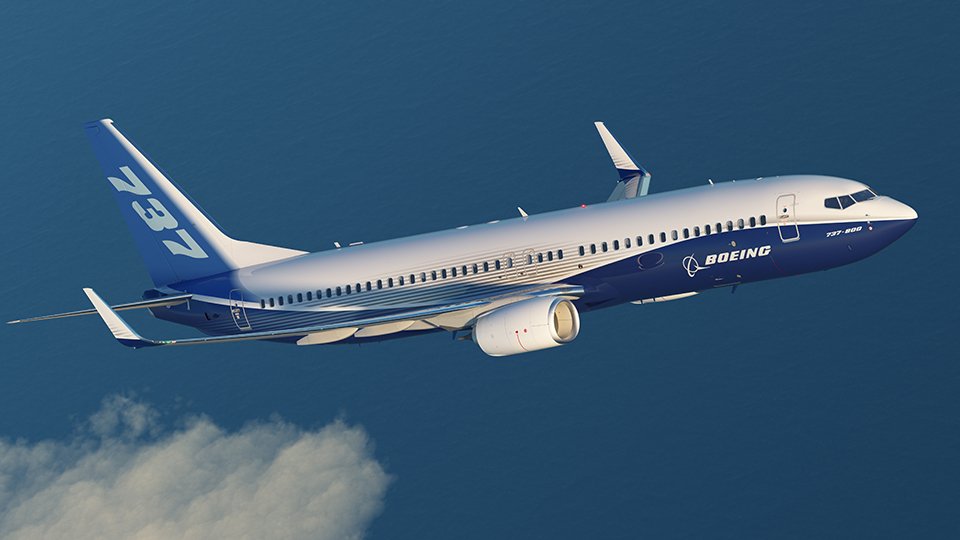
The Boeing 737 Next Generation (NG) series has played a significant role in the evolution of commercial aviation. As the third generation of Boeing’s 737 family, the NG series includes the 737-600, 737-700, 737-800, and 737-900 models. Introduced in the late 1990s, these aircraft became essential for airlines worldwide, offering enhanced performance, range, and passenger capacity over previous models. The NG series has been a workhorse for short- and medium-haul routes, dominating the market with over 7,000 units delivered to airlines across the globe.
Designed to meet the growing demands of modern air travel, this series incorporates cutting-edge avionics, fuel-efficient engines, and an upgraded wing design. It continues to serve a variety of operators, including low-cost carriers, traditional airlines, and cargo services. As global demand for efficient and flexible aircraft continues, the Boeing 737 NG remains a key player, even as its successor, the Boeing 737 MAX, enters the market.
Cabin Experience
The aircraft offers a passenger-friendly cabin designed for comfort and adaptability. With seating configurations typically ranging from 110 to 220 passengers, depending on the model and airline preference, the aircraft is known for its spacious and bright interiors. The cabin layout allows for multiple seating options, from economy to premium classes, meeting the diverse needs of various airlines.
The aircraft’s cabin features Boeing’s Sky Interior, available on later NG models, which includes sculpted sidewalls, LED mood lighting, and larger overhead bins to improve the passenger experience. This modern design reduces passenger fatigue on longer flights, contributing to a more relaxed and enjoyable journey. The wide aisle and advanced ventilation system enhance overall cabin comfort, while the noise-reduction technologies minimise cabin noise, providing a quieter atmosphere for travellers.
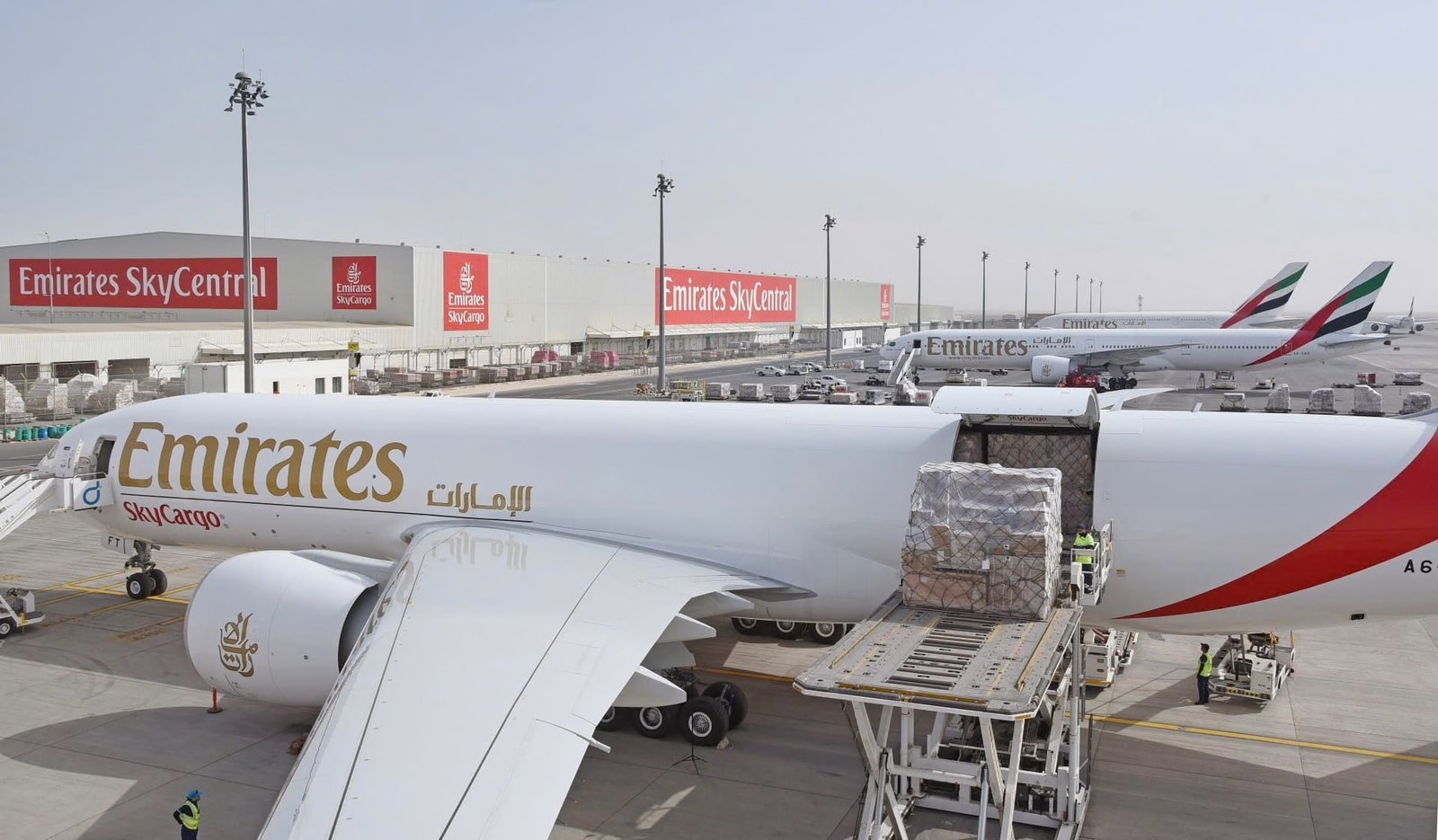
The NG series’ flexibility extends beyond passenger service, as the aircraft is frequently modified for cargo and combi configurations. The large cargo holds offer ample space for freight, making the 737 NG a valuable asset in the growing e-commerce and logistics sector.
Performance
Built with superior aerodynamics and powered by advanced CFM56-7B engines, the aircraft excels in both performance and efficiency. Its exceptional range and fuel economy make it an attractive option for operators seeking to optimise costs on short- to medium-haul routes. With a maximum range of 3,115 nautical miles (5,765 km) in the 737-800 variant, the NG series offers airlines the flexibility to operate across a wide variety of regional and international routes.
The aircraft is known for its fast turnaround times, high dispatch reliability, and minimal maintenance downtime, attributes that make it one of the most cost-effective aircraft in its class. The aircraft’s maximum cruising speed of Mach 0.79 (530 mph, 852 km/h) enables airlines to maintain punctual schedules, while its high fuel efficiency reduces operating costs.
The aircraft’s modular design, common engines, and flight deck systems reduce spare parts and training costs, making fleet expansion more affordable. As a result, airlines can optimize their operations while maintaining profitability.
In terms of versatility, the aircraft can operate from both major hubs and smaller regional airports, thanks to its short-field performance and enhanced takeoff and landing capabilities. Its ability to operate efficiently at high altitudes and in challenging weather conditions also contributes to its widespread adoption by airlines operating in diverse environments.
Technology (Engine & Avionics)
At the core of the aircraft’s operational success is the CFM56-7B engine, a highly reliable and fuel-efficient powerplant developed by CFM International. This engine provides up to 27,300 pounds of thrust, ensuring optimal performance even in challenging conditions. Known for its low maintenance requirements, the CFM56-7B has helped operators reduce downtime and maintenance costs, making the Boeing 737 NG an economical choice for airlines seeking both performance and affordability.
The 737 NG also boasts a state-of-the-art avionics suite, which includes the Collins Aerospace (formerly Rockwell Collins) avionics package, with advanced navigation, communication, and safety systems. The cockpit is equipped with large, easy-to-read digital displays, reducing pilot workload and enhancing situational awareness. The aircraft’s Flight Management System (FMS) incorporates GPS-based navigation, which allows for precise route planning and fuel-efficient flight paths, further reducing operational costs. Features such as the Global Navigation Satellite System (GNSS) and Required Navigation Performance (RNP) reduce track miles, fuel consumption, and noise, while also increasing operational reliability.
The aircraft is equipped with the optional Head-Up Display (HUD), which provides pilots with critical flight information during takeoff and landing. This technology enhances safety and precision in all weather conditions, particularly during low-visibility operations. The aircraft also features modern Traffic Collision Avoidance Systems (TCAS) and Enhanced Ground Proximity Warning Systems (EGPWS), improving overall situational awareness and reducing the risk of accidents.
The airplane’s environmental performance is further enhanced by innovative winglet technology, which reduces fuel consumption and engine wear, while cutting down on community noise. This has allowed operators to access highly regulated airports like London Heathrow during restricted hours.
Specifications
| Feature | Details |
|---|---|
| Length | 129 ft 6 in (39.47 m) – 138 ft 2 in (42.11 m) |
| Wingspan | 112 ft 7 in (34.32 m) |
| Height | 41 ft 2 in (12.55 m) |
| Cabin Width | 11 ft 7 in (3.54 m) |
| Seating Capacity | 110 – 220 passengers |
| Max Takeoff Weight (MTOW) | 155,500 lbs (70,530 kg) |
| Maximum Range | 3,115 nm (5,765 km) |
| Cruising Speed | Mach 0.79 (530 mph / 852 km/h) |
| Powerplant | 2 × CFM56-7B engines (each 27,300 lbs thrust) |
| Service Ceiling | 41,000 ft (12,500 m) |
Takeaways
The Boeing 737 NG series has carved its place among the most successful and reliable aircraft in commercial aviation history. Its combination of performance, fuel efficiency, and operational versatility has made it a go-to choice for airlines worldwide. Whether used for passenger transport, cargo, or specialised missions, the NG series continues to provide airlines with the flexibility they need to meet evolving market demands.
The NG series is characterised by its 100% 3D digital design, which ensures maximum commonality among different models (737-700, 737-800, 737-900). This design has improved operational efficiency and simplified maintenance. The enhanced wing design boosts range and takeoff performance, especially from high-altitude airports or short runways, providing greater flexibility in route management.
As the aviation industry shifts towards more sustainable and efficient models, the Boeing 737 NG remains a crucial asset, while transitioning toward the 737 MAX. Despite the rise of the 737 MAX, the NG series continues to be a cornerstone of many airline fleets, highlighting its enduring value in a competitive and dynamic market.