












Table of contents
Cessna Skylane
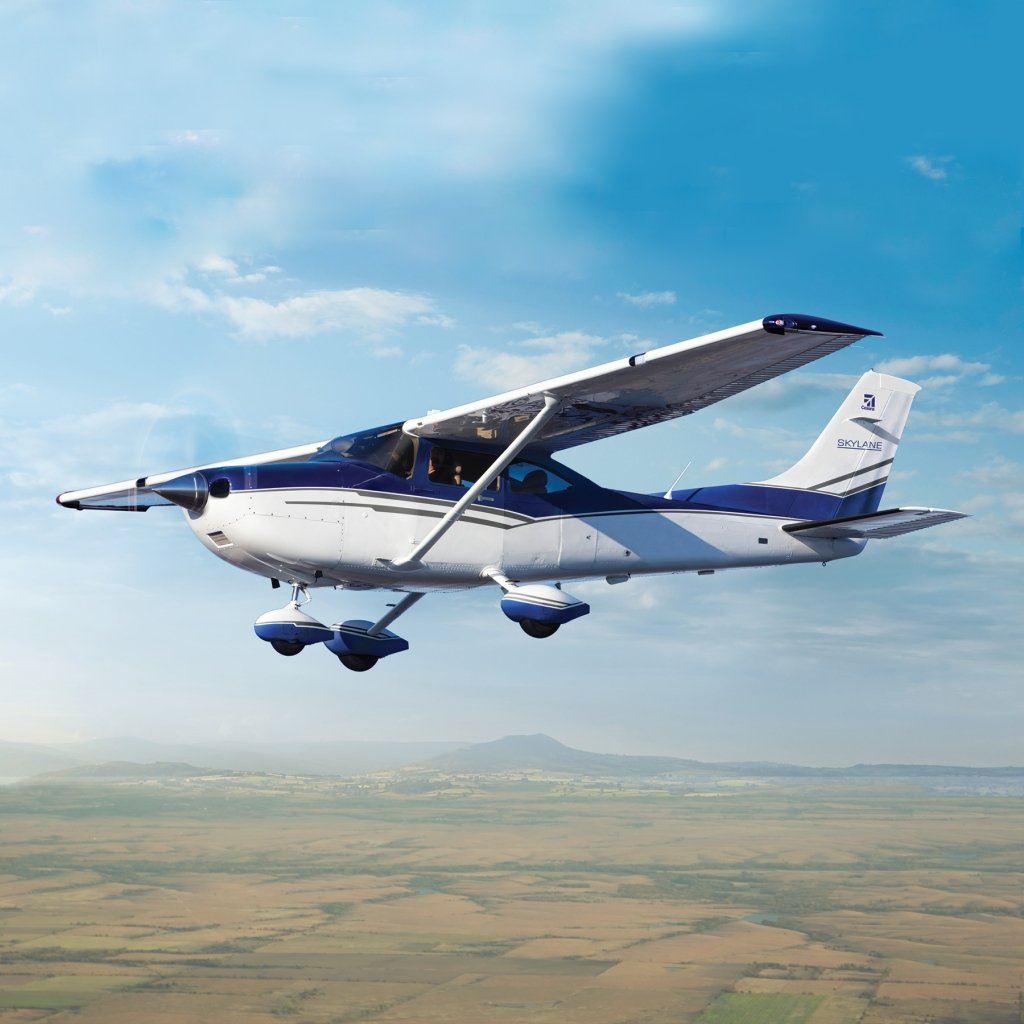
The Cessna Skylane is a versatile single-engine aircraft that has earned its place in the aviation community for its exceptional design, performance, and reliability. Originally introduced in the 1950s, the Skylane has continuously evolved, integrating advanced technology and modern avionics while preserving the classic, easy-to-handle qualities that pilots value. Built by Textron Aviation, the Skylane offers a robust Lycoming IO-540-AB1A5 engine, advanced Garmin avionics, and a spacious, comfortable cabin that suits both personal and professional flying needs. The aircraft appeals to a diverse set of aviators, from weekend enthusiasts to professional flight instructors and even remote operation specialists.
Introduced in 1956, the 182 model has undergone various refinements, leading to its current version. Widely favoured for general aviation, personal use, and pilot training, it is equipped for both beginner and seasoned pilots, providing dependable performance even at high altitudes and in diverse weather conditions.
Cessna Skylane: Cabin Experience
The Cessna Skylane cabin combines functionality with comfort, providing a spacious environment for up to four occupants, including the pilot. With a seating layout that includes two front seats and a roomy rear bench, the Skylane offers ample legroom, making longer flights more comfortable for passengers and pilots alike. High-mounted wings give the Skylane its signature panoramic views, allowing for unobstructed scenery—a major advantage for sightseeing, aerial photography, and any mission requiring visual observation. Additionally, the aircraft features sturdy, all-leather seating, high-quality materials, and soundproofing that reduces cabin noise for a quieter flying experience.
With an interior volume of around 93 cubic feet, it provides a relatively spacious environment for a light aircraft. Additionally, the cargo area can accommodate up to 200 pounds, making it suitable for light baggage and gear. It features dedicated compartments capable of accommodating luggage, recreational gear, and even specialised equipment, making it suitable for everything from short day trips to longer cross-country flights. Enhanced climate controls further add to cabin comfort, ensuring a pleasant experience for occupants regardless of the season.
Cessna Skylane: Technology (Engine and Avionics)
The Skylane is powered by a Lycoming IO-540-AB1A5 six-cylinder, fuel-injected engine that delivers 230 horsepower. This fuel-injected engine is known for its efficiency and low operational cost, making it ideal for a wide range of flying conditions, from sea level up to altitudes over 18,000 feet. It also has a time-proven track record of reliability and performance in both short and extended flights, making it a preferred choice among piston engines in general aviation.
In terms of avionics, the Garmin G1000 NXi suite gives the Skylane a significant technological edge. The NXi system provides a fully integrated flight deck with features like Synthetic Vision Technology (SVT), which displays 3D visuals of terrain, obstacles, and other essential flight information directly on the primary display, significantly enhancing situational awareness and safety. Other key safety systems include the Traffic Advisory System (TAS) and Automatic Dependent Surveillance-Broadcast (ADS-B) capabilities, allowing pilots to keep track of nearby air traffic and broadcast their own position for better airspace management.
The cabin’s layout includes ergonomic seats, a fully equipped avionics panel, and a well-designed arrangement for easy access to controls. The addition of optional air conditioning enhances passenger comfort on longer flights or in warmer climates.
The avionics suite incorporates Terrain Awareness and Warning System (TAWS), providing alerts about potential ground obstacles and promoting safer flight operations in rugged and hilly areas. The Skylane’s automatic flight control system (AFCS), integrated into the G1000 NXi, allows for easier autopilot management, making navigation smoother and less demanding, especially for single-pilot flights.
Cessna Skylane: Performance
The aircraft’s performance metrics make it versatile for a range of missions, including high-altitude operations and short-field takeoffs. With a strong power-to-weight ratio and aerodynamic efficiency, the Cessna Skylane offers impressive performance metrics for a single-engine piston aircraft. It boasts a maximum cruise speed of 145 knots true airspeed (KTAS), making it competitive within its class for cross-country and regional flights. The Skylane has a service ceiling of 18,100 feet, allowing it to operate above weather disturbances and providing additional operational versatility for mountainous regions.
Its climb rate of 924 feet per minute offers excellent takeoff and ascent capabilities, enabling pilots to reach cruising altitude quickly and efficiently. Also, the aircraft’s range of 915 nautical miles on a full tank provides the flexibility to undertake longer trips without frequent refuelling, making it an attractive option for pilots who value range and fuel efficiency.
The aircraft’s takeoff and landing distances are efficient for its size and weight class, with a takeoff distance of approximately 1,514 feet over a 50-foot obstacle and a landing roll of about 590 feet. Its maximum takeoff weight of 3,100 pounds and landing weight of 2,950 pounds contribute to a practical balance between payload and fuel capacity, while ensuring safety and stability during flight operations.
Cessna Skylane: Specifications
| Dimension | Specification |
| Length | 29 ft (8.8 m) |
| Height | 9 ft 4 in (2.8 m) |
| Wingspan | 36 ft (10.97 m) |
| Wing Area | 174 sq ft (16.17 sq m) |
| Weights | |
| Maximum Takeoff Weight | 3,100 lbs (1,406 kg) |
| Useful Load | 1,110 lbs (503 kg) |
| Fuel Capacity | 87 gallons (329 litres) |
| Performance | |
| Maximum Cruise Speed | 145 KTAS |
| Range | 915 nautical miles |
| Maximum Climb Rate | 924 ft/min |
| Maximum Operating Altitude | 18,100 feet |
| Engine Model | Lycoming IO-540-AB1A5 |
| Engine Power | 230 horsepower |
Takeaways
The Cessna Skylane remains a reliable and technologically advanced aircraft for modern general aviation needs. Whether used for personal travel, instructional flights, or specialised missions from short-field landings to long-haul journeys, the Skylane offers a well-rounded blend of performance, comfort, and cutting-edge avionics. Its Garmin G1000 NXi avionics suite, combined with the dependable 230-horsepower Lycoming engine, enhances pilot safety, situational awareness, and overall operational ease. With a well-thought-out cabin experience, endurance, spacious storage, and a high ceiling for a piston-powered plane, the Skylane continues to be a popular choice for both hobbyists and experienced aviators alike.
These attributes position the Skylane’s as a durable, comfortable, and capable aircraft with impressive versatility across a range of flying conditions and applications.