









Table of contents
Cessna Turbo Skylane
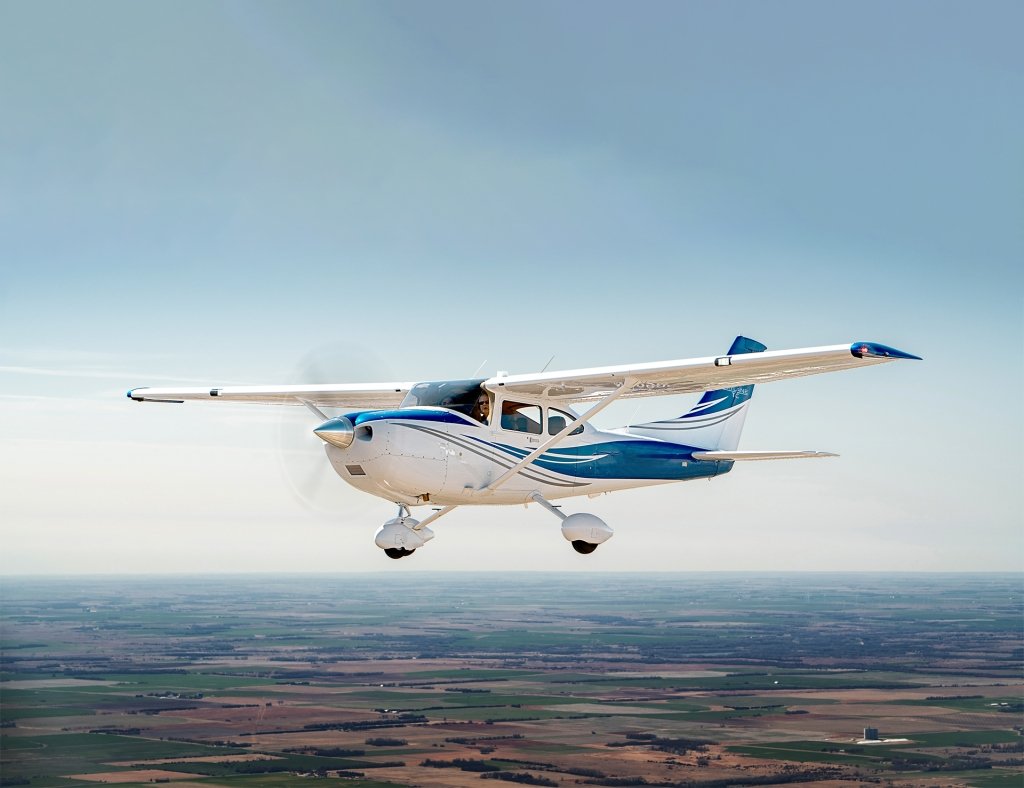
The Cessna Turbo Skylane, a single-engine piston aircraft, combines Cessna’s iconic reliability with performance improvements suited for diverse aviation needs, from private travel to regional transport and specialised mission support. Known for its turbocharged power and solid construction, the Skylane is designed to handle high-altitude operations, providing effective performance in varied environments. With a 310-horsepower Lycoming TIO-540-AK1A engine, the aircraft offers a robust solution for a variety of missions such as aerial photography, surveying, and adventure flying. A preferred choice among aviation enthusiasts and professionals alike, this aircraft builds on the standard Cessna Skylane platform. Combined with a maximum takeoff weight of 3,600 pounds and a useful load capacity that maximises payload flexibility, the Turbo Skylane efficiently serves pilots who frequently operate in remote or mountainous environments.
Cessna Turbo Skylane: Cabin Experience
The Turbo Skylane’s cabin offers a functional and comfortable interior. With seating for up to four passengers, the cabin features leather seats and adjustable headrests, providing a premium experience despite its relatively compact layout. Passengers enjoy a smooth flight experience facilitated by the high-wing design, which provides stability and excellent downward visibility, a distinct advantage for sightseeing or aerial surveying.
The interior design also reflects a focus on versatility, with a spacious luggage compartment that accommodates extra baggage, ideal for weekend trips, business travel, or light cargo transport. Optional upgrades include customisable seating materials, climate control, and various in-flight entertainment options to further enhance passenger comfort.
The Turbo Skylane’s modular cabin and substantial payload capacity make it well-suited for a variety of specialised missions. From aerial surveying to medical evacuations in remote areas, the aircraft’s adaptability offers a practical solution to diverse operational needs. Its reconfigurable cabin space allows for easy accommodation of passengers, cargo, or specialised equipment, and its ability to operate on shorter, unimproved runways expands access to isolated regions where transportation options are limited.
Cessna Turbo Skylane: Technology (Engine and Avionics)
The Cessna Turbo Skylane is powered by a Lycoming TIO-540-AK1A engine, a turbocharged, fuel-injected, six-cylinder powerplant that produces 235 horsepower. This engine is designed to perform consistently across a range of altitudes, providing the aircraft with the flexibility to handle flights in diverse environmental conditions. The turbocharging feature allows the aircraft to achieve and sustain high-performance outputs at altitudes that would challenge a non-turbocharged engine, making it suitable for mountainous or high-altitude regions.
The avionics suite is centred on Garmin’s G1000 NXi, a state-of-the-art glass cockpit that provides real-time data through intuitive, high-resolution displays. The Turbo Skylane’s cockpit features Garmin’s G1000 NXi glass cockpit, a highly intuitive and advanced avionics suite designed to enhance situational awareness and improve overall safety. Among the core technologies integrated into this system is Synthetic Vision Technology (SVT), which provides a 3D depiction of surrounding terrain, obstacles, and potential flight path challenges. SVT helps pilots navigate low-visibility or night-time conditions, elevating both awareness and safety by reducing the likelihood of unintentional terrain contact.
The Traffic Advisory System (TAS)and Automatic Dependent Surveillance-Broadcast (ADS-B) In and Out capabilities further enhance safety by continuously broadcasting the Turbo Skylane’s location and alerting pilots to other transponder-equipped aircraft nearby. ADS-B also provides precise, real-time information about the location and movement of surrounding aircraft, helping pilots avoid potential conflicts in-flight and maintain safe distances even in crowded or uncontrolled airspaces.
In addition, the Terrain Awareness and Warning System (TAWS) issues audio and visual alerts when the aircraft is in close proximity to elevated terrain. This system becomes especially valuable in mountainous regions, significantly reducing the risk of Controlled Flight Into Terrain (CFIT) incidents by enabling pilots to make well-informed adjustments to their flight path.
For long-distance flights, complex airspaces, or challenging weather conditions, the Turbo Skylane’s Automatic Flight Control System (AFCS) allows the pilot to engage autopilot functions that reduce manual workload and improve control over the aircraft’s course. This feature is especially beneficial in single-pilot operations, as it enables smoother altitude adjustments and seamless navigation through variable conditions.
Additionally, the Wireless Database Update feature allows pilots to access up-to-date navigational and airspace information, enabling real-time updates and eliminating the need for time-consuming manual updates. This functionality supports compliance with changing airspace regulations, contributing to a streamlined, efficient flying experience that ensures flight operations align with current Federal Aviation Administration (FAA) requirements and regional air traffic protocols.
These avionics enhance safety, especially in low-visibility conditions, complex airspace, or mountainous terrain, where the Turbo Skylane is designed to excel.
Cessna Turbo Skylane: Performance
The Turbo Skylane is optimised for versatility and power. Its maximum cruising speed of 165 knots and a maximum range of approximately 971 nautical miles allow for efficient long-distance travel, especially on regional routes. The aircraft can climb at a rate of 1,000 feet per minute and reach a maximum operating altitude of 20,000 feet, making it adept for operations in rugged terrain or areas with high elevations.
The landing gear, fixed rather than retractable, adds to its durability and simplifies maintenance, enhancing its suitability for less-developed airports or unimproved runways. With a useful load capacity of 1,030 pounds, the Turbo Skylane balances passenger and cargo needs effectively.
Its fuel capacity, 87 gallons, provides the range necessary for longer flights without frequent refuelling, while also supporting the aircraft’s ability to operate out of smaller airstrips with limited fuel services. This combination of performance, load-carrying ability, and ease of handling make the Turbo Skylane adaptable for various missions, from recreational flying to utility operations.
Cessna Turbo Skylane: Specifications
| Feature | Value |
| Length | 28 ft 3 in (8.61 m) |
| Wingspan | 36 ft (10.97 m) |
| Height | 9 ft 4 in (2.84 m) |
| Seating Capacity | 4 |
| Useful Load | 1,030 lbs (467 kg) |
| Maximum Takeoff Weight | 3,600 lbs (1,633 kg) |
| Maximum Cruise Speed | 165 KTAS (305 km/h) |
| Range | 971 nm (1,798 km) |
| Maximum Climb Rate | 1,000 ft/min (305 m/min) |
| Maximum Operating Altitude | 20,000 ft (6,096 m) |
| Fuel Capacity | 87 gal (329 L) |
| Engine | Lycoming TIO-540-AK1A |
| Engine Power | 235 hp |
Takeaways
The Cessna Turbo Skylane stands out as a high-performance, single-engine aircraft well-suited for pilots seeking altitude capability, versatility, and reliability. With its turbocharged engine, advanced avionics, and practical cabin design, the Turbo Skylane is an excellent option for those who frequently navigate rugged or high-altitude areas. The Garmin G1000 NXi suite enhances the safety and operational ease, especially for less-experienced pilots or those flying in challenging environments. Its fixed landing gear and high-wing design provide added durability and accessibility, making it a practical choice for pilots who require consistent performance in a compact, versatile package.
Whether used for leisure, business, or specialised missions, the Turbo Skylane delivers a balanced mix of performance, technology, and durability. These attributes make the aircraft a noteworthy model in the line-up of single-engine aircraft by Cessna.
The Turbo Skylane is effective for environmental surveysand mapping projects, as its high-wing design and stable flight characteristics allow for consistent, clear aerial observations. In medical evacuations, the aircraft’s spacious cabin can accommodate patients and medical personnel, along with necessary medical equipment, enabling quick responses in emergency situations across rural or remote areas.