












India-US air cargo volumes tumble pushing exporters to pivot to Europe and Asia

- Trump’s tariff shock hits India-US exports: In late August, the US doubled import duties on Indian goods triggering a sudden collapse in air cargo volumes and freight rates on the India-US trade lane.
- Sharp drop in exports: Data shows a 12% drop in the last week of August followed by another 14% decline in early September, while exporters, especially MSMEs, face survival-level challenges.
- Pharma sector escapes: Diversification emerges as lifeline. Pharmaceuticals are largely exempt for now. With India-to-Europe cargo rising and new trade routes opening, exporters and policymakers pivot toward alternative markets.
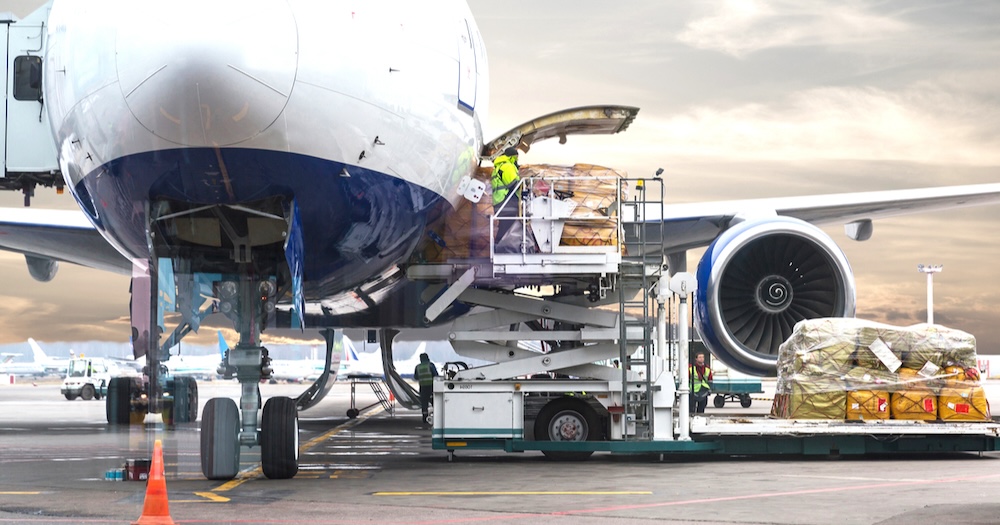
India’s biggest export lane has just been hit with a sledgehammer. Late August, the Trump administration doubled tariffs on Indian goods—from 25% to 50%—blaming Delhi’s Russian oil purchases. The impact was instant. Cargo to the US collapsed, rates tanked, and exporters suddenly faced their toughest demand shock in years.

The scale of disruption is brutal. WorldACD data shows exports plunging 12% in the last week of August, then another 14% in early September. Spot airfreight rates broke below $4/kg—uncharted depths for months.
Rajen Bhatia of Tulsidas Khimji was concerned: “Indian exporters are facing one of their toughest challenges in recent years. For exporters, especially MSMEs who make up over 40% of India’s export base, the tariffs are not just a margin hit, they’re a survival crisis.”

“Volumes are tanking. Clients are furious. Business plans are shredded,” said Dinesh Kumar Krishnan of United Shipping Services, who just last year set up shop in New Jersey. “The uncertainty is killing us.”
In the days before the hike, exporters rushed shipments out the door in one last surge. Once tariffs doubled, that urgency evaporated. What followed was a sharp nosedive.
The Global Trade Research Initiative warns India’s exports to the US could shrink from $87 billion in FY25 to just $49.6 billion in FY26. That’s a 43% wipeout in less than a year.

Not every sector is bleeding equally. Pharma rides exempt. But even steady medicine exports can’t fill bellies of half-empty planes. “Exporters can’t absorb a 50% cost shock,” said Afzal Malbarwala of Galaxy Freight.“At best, they can ride a 15% hit. Beyond that, they bleed. Persisting tariffs will move buyers to Vietnam.”
Pharmaceuticals, one of India’s strongest export sectors, so far remains virtually untouched: many generic drugs are not covered under the new duties.
But exporters have warned, cautioned Rajen Bhatia that any future tariff extension could disrupt a sector that supplies over 20% of US generics by volume.
Margins tell the story. Textiles look particularly grim. August exports slipped to $2.9 billion from $3.1 billion in July—falling right as tariffs kicked in. Gems, jewellery, auto parts, and shrimp are also reeling. The larger fear? India’s pitch as the world’s ‘China alternative’ suddenly feels fragile. “No investor bets billions on rules that may flip overnight,” Malbarwala cautioned.
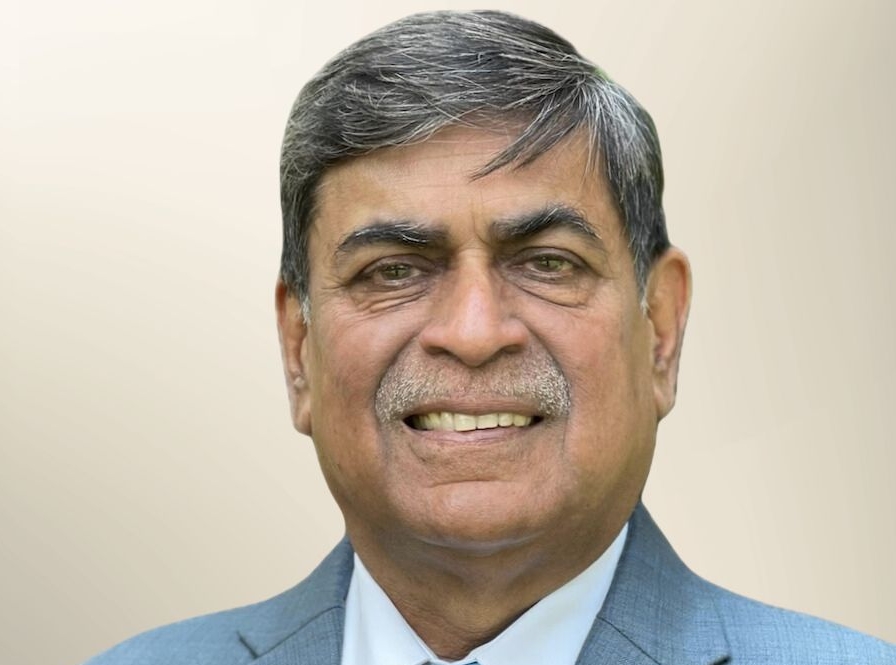
Still, some of the old hands aren’t panicking. “This is cyclical,” insisted C K Govil, President of the Air Cargo Agents Association of India. “If you’ve been in this trade long enough, you know shocks come and go. But we can’t deny dependency on the US is too high. Now’s the time to diversify lanes, digitize supply chains, and push sustainability. Today’s pain could set up tomorrow’s strength.”
Early signs support his optimism. India-to-Europe air cargo rose 8% year-on-year in September. Meanwhile, Sri Lanka’s US exports spiked 13% as buyers shifted sourcing. Corridors are already being re-routed.
Behind the numbers sits hard politics. Trump’s tariffs are blunt punishment for India’s continued Russian oil appetite. New Delhi is stuck balancing cheap fuel with collapsing exports. Officially, India is cushioning the blow. India’s merchandise exports has remained flat at US$437 billion in the most recent fiscal year due to tepid global demand, and tariff uncertainties.
The commerce ministry recently rolled out relief measures: easy loans, subsidized rates, and credit guarantees—aimed squarely at MSMEs. The goal, according to reports from the government, is to defend global market share without triggering countermeasures.
Industry, however, wants more. Chief among demands; reinstating the Interest Equalisation Scheme (IES), which offered cheaper credit lines. For exporters bleeding margins, that could mean survival. The IES was on pre- and post-shipment rupee export credit. MSME manufacturer-exporters had 3% interest subsidy.
The scheme helped exporters get more competitive credit rates when global interest rates and costs were high. The scheme officially ended on December 31, 2024 (the Budget allocations: for FY25, allocation was ₹2,482 crore under IES; but since it was not extended beyond December 2024, that allocation lapsed).
With the tariff challenge, exporters are asking for the reinstatement of the IES, especially for MSMEs, to help reduce credit costs and defend global market share. There have been suggestions to increase the subsidy from 3% to 5% for MSMEs.
The government is using “defensive” support (interest subsidies, credit guarantees, export promotion) rather than overt protectionist measures (tariffs, quotas). Many of these reliefs are internal subsidies, which are less likely to trigger trade countermeasures compared to e.g. dumping accusations or trade barriers, though in WTO rules some subsidies may still be challenged. Exporters say that without the IES, the competitive gap would widen, especially with those nations that have much lower cost of credit.

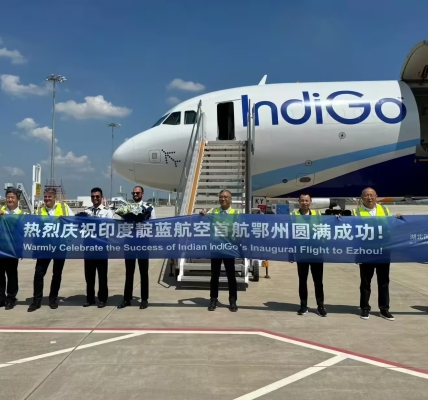
The new mandate for exporters is clear pivot from US to Europe. Europe is already seeing increased activity.
India’s exports to Europe in FY24 were US$98.9 billion, slightly up from US$98.3 billion in FY23: nearly double the exports to Europe from FY16, when exports were $50.4 billion.
In fact, Europe accounted for more than 20% of India’s total exports in FY24.
India has a trade surplus with 19 out of 27 EU countries in 2023-24: The Netherlands, UK, Germany, Italy, Belgium are among top European destinations. Most of the export growth is through engineering goods, machinery, petroleum products, electronic goods, etc.
The other countries India is looking forward to for exports are Africa and Southeast Asia. The routes are less lucrative than the US, but diversification is now survival. Everyone spent years building the US pipeline, according to Krishnan, and now they have been forced to rethink overnight. Diversification is no option for them: it’s oxygen.
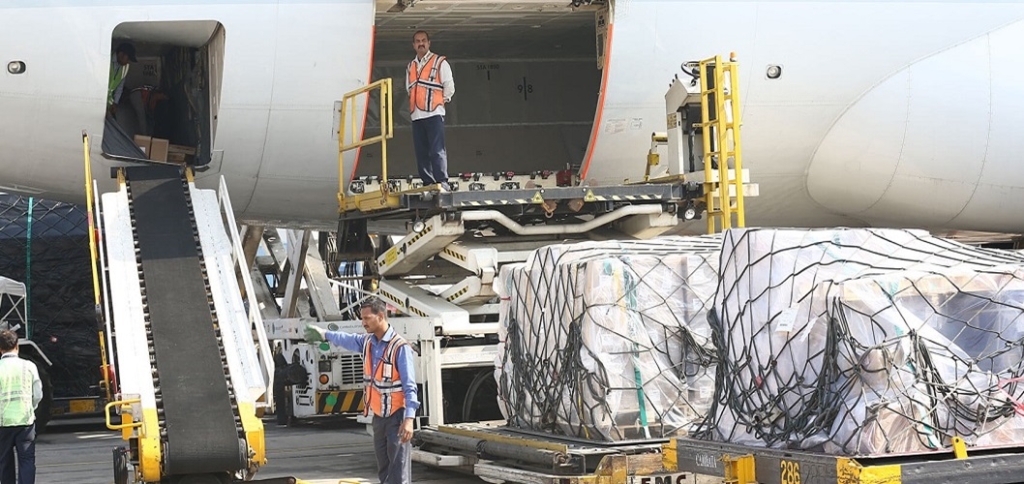
Much depends on politics. If Trump’s tariffs drag on, India risks losing serious ground to Vietnam, Mexico, even Bangladesh. If the trade winds shift, a rebound could arrive sooner, powered by pharma and engineering. For now, exporters are chasing alternatives, and authorities are firefighting with incentives. The India-US corridor, once a gold mine, is simply survival mode.
Govil, though, is optimistic: “This industry has resilience built into its DNA. We’ve survived 9/11, oil shocks, banking crises. Tariffs sting—but they won’t sink us. What matters is sharper execution, better tech, tighter operations. We’ll ride this out.”
The numbers are ugly, the shock undeniable. But the bigger question is what comes next. Will India emerge leaner, more diversified, and better positioned as a long-haul logistics hub? Or will America’s tariff wall detour buyers to Vietnam and keep investors away?
For now, exporters juggle cash flows. Airlines scramble for loads. Policy negotiators look for room to manoeuvre. And India’s air cargo artery—stunned, bruised, but still beating—flies through some of its roughest turbulence yet.
Also Read: Grounded by Policy: Why India’s Air Cargo Dreams Remain Stalled
| asdf | asdf | adsf |
|---|---|---|
| ad | adsf | adsf |
| adf | adfasdf | adsfasd |
| adf | fsa |
| ad | asdf | ||
| asdf | |||
| asdf | |||
| adsf |
asf