



Mumbai Airport’s Technology-Led Approach Powers Self-Service Expansion

- Mumbai Airport sees a clear shift toward digital-first travel, with passengers increasingly opting for self-service and contactless processes.
- Over 3.86 million check-ins and 7.15 lakh bags were processed via kiosks and self-baggage drop between April 2024 and August 2025, with adoption rates showing steady growth.
- DigiYatra usage surged from 12% to 32%, with more than 6.3 million travellers using biometric e-gates for faster, paperless journeys.
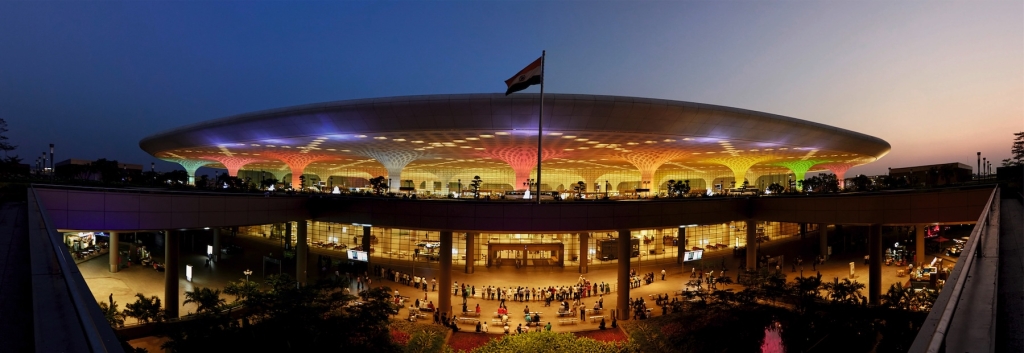
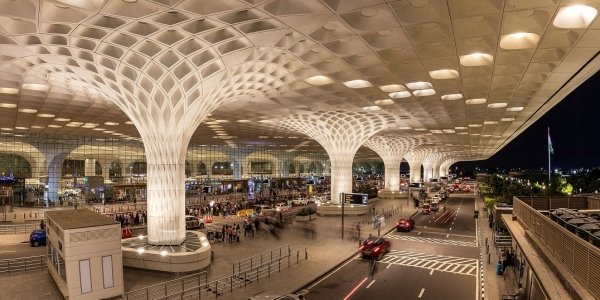
Chhatrapati Shivaji Maharaj International Airport (CSMIA) continues to lead India’s aviation sector in digital transformation, driven by a comprehensive 360-degree strategy aimed at creating a seamless, tech-enabled travel experience. CSMIA is enabling data-driven operations, mobile-first decisions and real-time collaboration across stakeholders – reinforcing its position as a future-ready gateway. From biometric verification to self-service baggage drops and common-use self-check-in kiosks, passenger adoption of digital services has grown significantly over the past 16 months.
Self-Check-In Kiosks
CSMIA’s self-check-in kiosks offer passengers the convenience of checking in, printing boarding passes, generating baggage tags and modifying seat preferences – without waiting at counters. Between April 2024 and August 2025, more than 3.86 million passengers printed their boarding passes using the self-check-in kiosks.
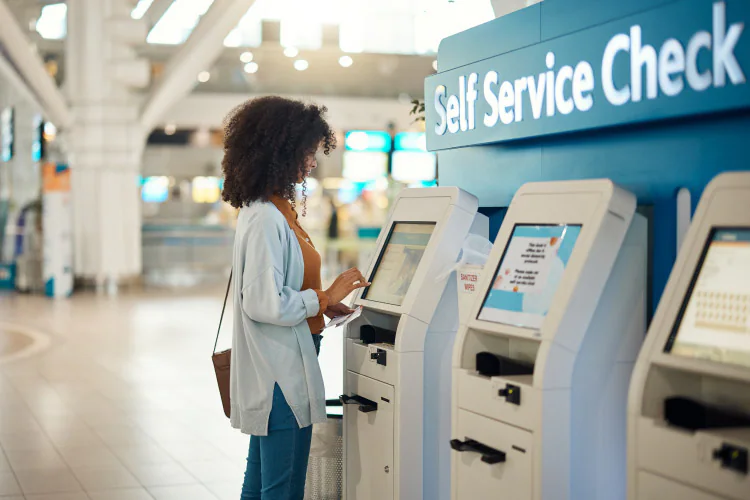
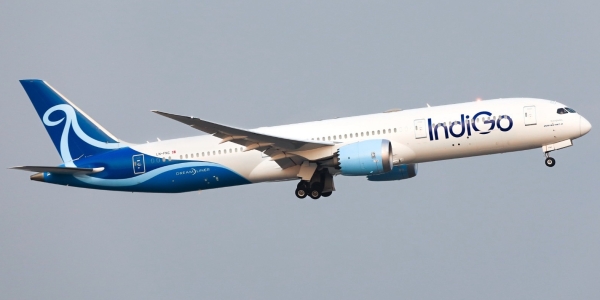
Domestic carriers led this shift, with IndiGo (2.58 million boarding passes), Air India (1.09 million boarding passes) and Air India Express (53,301 boarding passes) recording the highest usage of self-check-in kiosks between April 2024 to August 2025.
Among international airlines, Air France (90,902), Emirates (18,356), and Lufthansa (18,017) saw growing engagement.
August 2025 alone witnessed 264,414 boarding passes printed on self-check-in kiosks by users, nearly 41.84 per cent increase over April 2024 (1,86,419 boarding passes)
Self-Baggage Drop (SBD): Streamlining Check-In Further
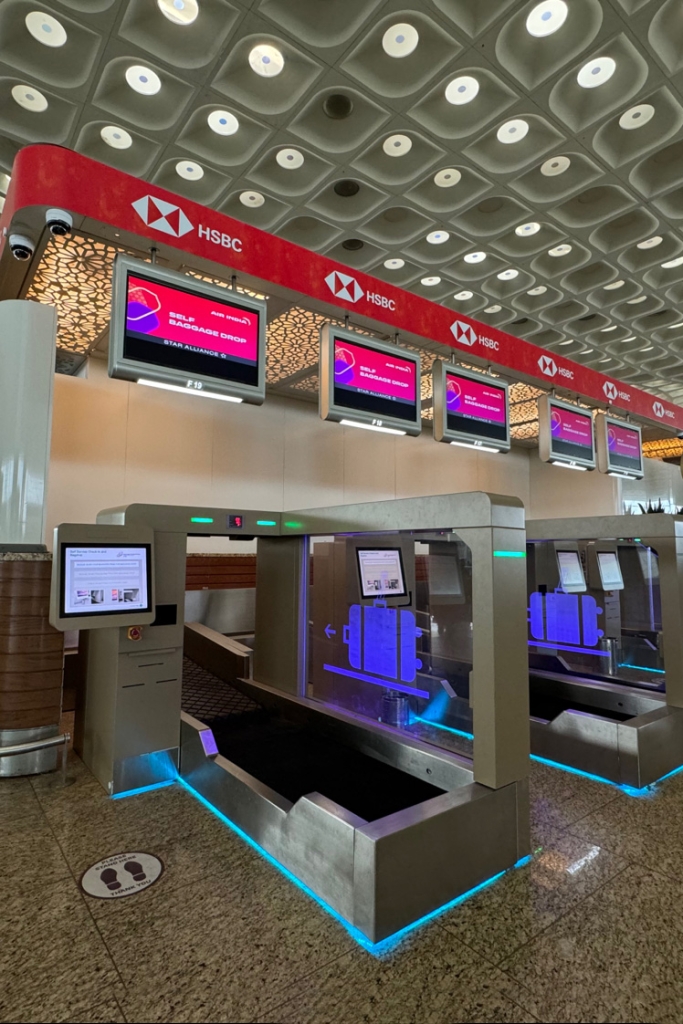
The 32 SBD units at CSMIA have also seen a growth in passenger usage. Between April 2024 and August 2025, around 7.15 lakh bags were processed through SBD machines.
SBD Units have exponentially helped a quicker passenger check-in process with an average processing time of 17 to 20 seconds.
Domestic carriers, such as IndiGo, Air India, and Air India Express, accounted for around 6 lakh bags checked in via SBD units, while international carriers, including KLM, Air France, Emirates, Lufthansa, and Swiss Airways, collectively contributed over 70,000 checked-in bags via SBD.
The rising trend of self-baggage drop machines used by passengers is driving the airport’s transition from traditional counters to hybrid SBD check-in models, with the International monthly adoption rate rising from 4.15 per cent in April 2024 to over 13.9 per cent by August 2025.
Similarly, the domestic monthly adoption also witnessed a rise from 5.26 per cent in April 2024 to 6.28 per cent in August 2025.
DigiYatra: Biometric Boarding on the Rise
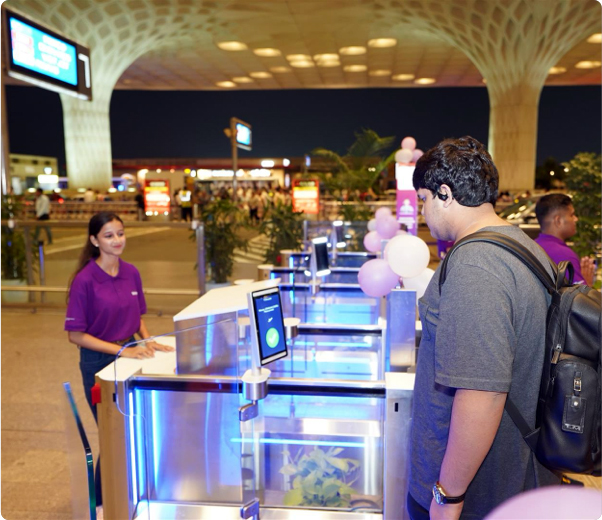
CSMIA’s 46 DigiYatra-enabled e-gates and 40 face pods across both terminals support biometric verification, offering a paperless and faster journey through terminal entry, security, and boarding gates.
DigiYatra service allows the passengers to pass through each checkpoint within an average of 2-3 seconds at each touch point.
Between April 2024 and August 2025, above 6.3 million passengers used DigiYatra, with monthly adoption rising from 12 per cent in April 2024 to 32 per cent by August 2025.
Airport Operation Command Centre (AOCC)
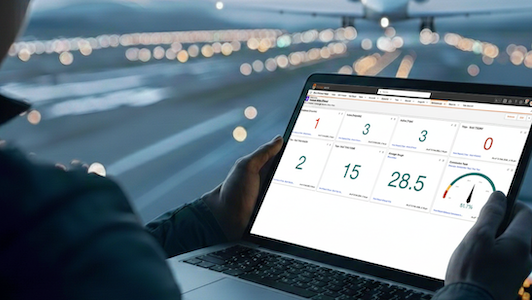
These digital shifts are supported by the airport’s modernised AOCC and aviio, a mobile-first, AI-powered platform by Adani Airports that enables predictive analytics and operational efficiency. The new gen AOCC equipped with advanced state-of-the-art digital systems is designed to enhance efficiency by bringing together key airport stakeholders for improved coordination.
The enhanced visuals, real-time data, and advanced communication systems empowers the CSMIA team to proactively manage both routine operations and emergencies with unprecedented efficiency.
Other Initiatives
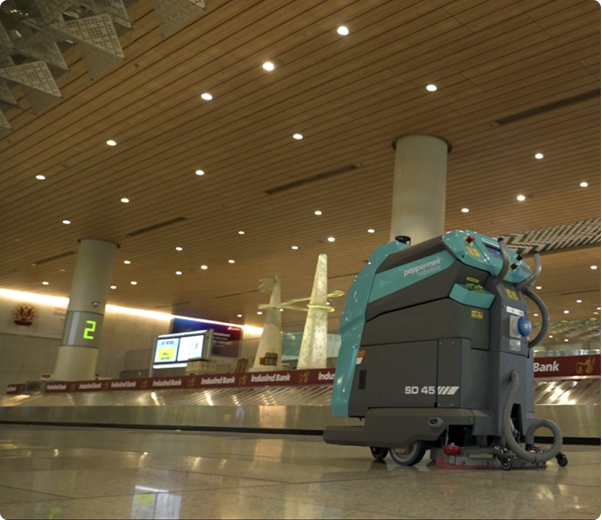
The deployment of Autonomous Cleaning Robots at CSMIA has enhanced hygiene and cleanliness, directly contributing to improved passenger welfare.
Similarly, the planned future initiatives include the deployment of smart washrooms, artificial Intelligence, and machine learning solutions across the terminals.
With strong passenger response across digital channels, CSMIA remains committed to evolving its ecosystem in line with global best practices.
As demand for self-service and touchless travel grows, the airport will continue investing in smart infrastructure to deliver a seamless and safe journey for all.
Also Read: Mumbai’s CSMIA Ranks in World’s Top 10 Airports…….