


















India’s air travel landscape is undergoing a remarkable transformation, with regional air connectivity emerging as a cornerstone of inclusive development. Yet, that segment remains largely untapped as regional and intercity travel is still dominated by road and railways. ATR, with its fuel-efficient, low operating cost, versatile aircraft tailored for short-haul journeys, has a dominant market share in India’s regional aircraft market, playing a vital role in bridging distances and connecting communities affordably across the subcontinent. Alexis Vidal, Senior Vice-President Commercial at ATR, delves into the pivotal role of regional aviation and the unique position of ATR in shaping India’s air transport market.
What is your view on the Indian regional aviation market?
We have studied India’s mobility patterns for the past two years, and the landscape of intercity travel reveals a compelling story of proximity and connectivity. A staggering 90% of intercity trips by all modes fall within the 100-400NM range. This range aligns perfectly with the scope of regional flights, underscoring the inherent logic and practicality of investing in regional aviation across the country to enhance connectivity and accessibility across the diverse regions of India. Yet, today, only 3% of those trips are conducted by air, indicating significant room for growth in air travel share. That is where you realise the immense potential of India. If you benchmark the share of air transportation in India against other markets in Europe or Asia, that number is typically 6 to 9%. Going from 3% to 6-9% would be a tremendous increase, which we believe to be totally realistic.
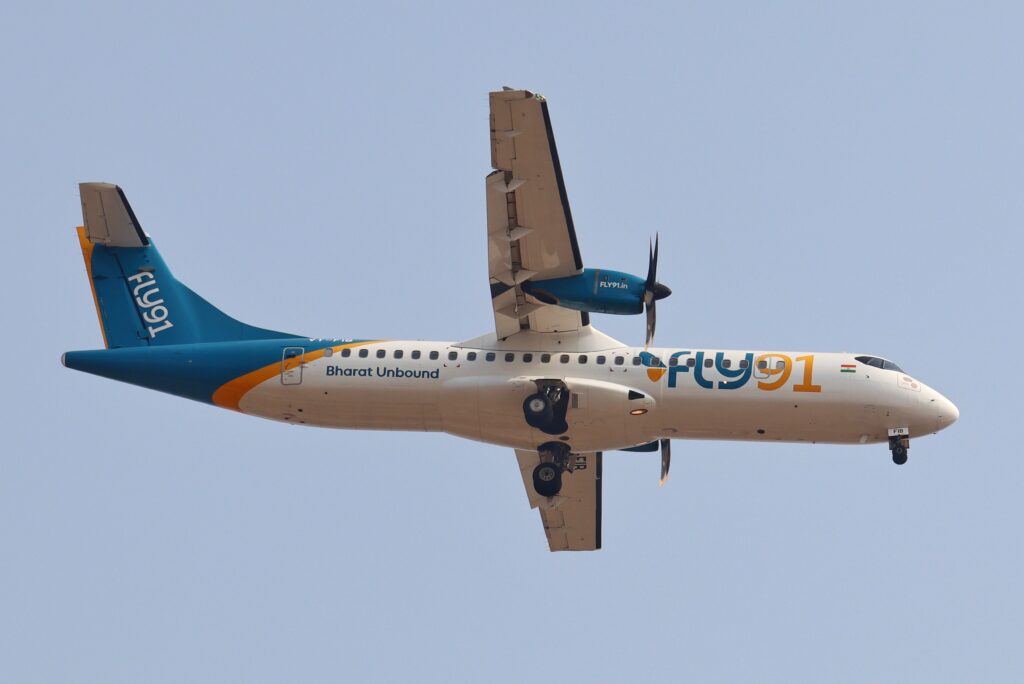
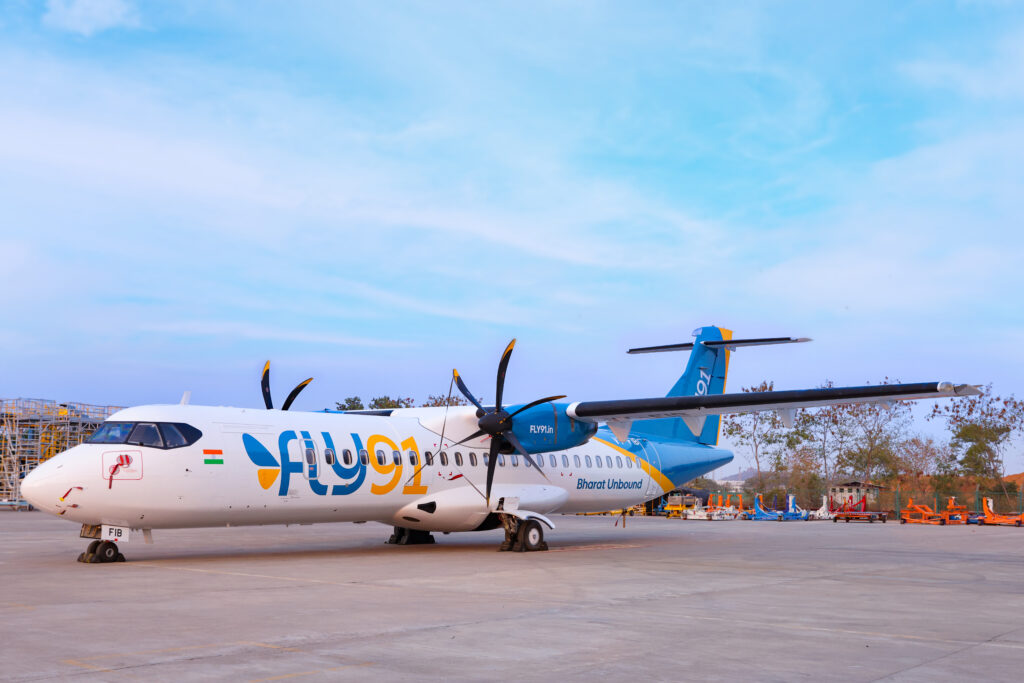
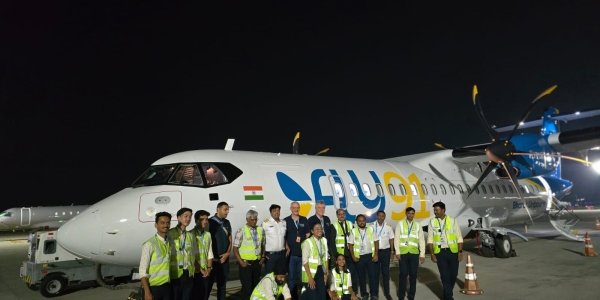
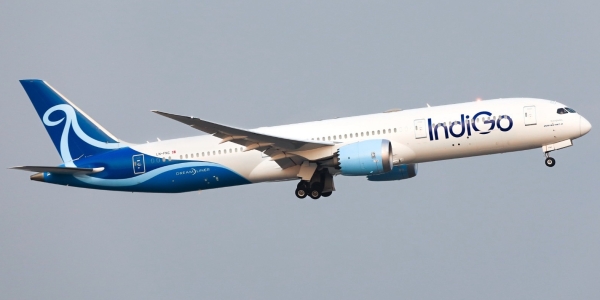
We are looking at India as one of our main markets if not our main market. There are 67 ATR aircraft flying across the country, with IndiGo, our largest airline operator, Alliance Air, our long-standing partner, and new airlines coming into play, like Fly91. We believe there is a potential in India for another 200 regional aircraft in the coming decade, and that growth will come from both existing and new customers, including startup regional airlines. That is a strong potential, and all this is very well supported by policies like the regional connectivity scheme UDAN. At ATR, we invested in a survey to quantify the travel patterns of around 20 million Indians in 2022 and 2023. From this survey we could see the flows between different cities by all modes of transport. We were able to identify an underlying potential for air services based on the demand and the speed and convenience of air transportation. We see a need for around 300 new regional routes under 750km.
What makes turboprop aircraft like ATRs best suited for regional routes?
In a low-fare market like India, what we believe works best is that airlines, irrespective of their size, are able to deliver affordability to passengers. By focusing on optimising yields and operational economics, ATR enables airlines to maximise profitability and sustainability without compromising on performance or passenger experience, and that is why ATR aircraft are very well suited: they are the most economically relevant aircraft to operate on regional routes. An ATR 72-600 burns 45% less fuel than a similar-sized jet on typical regional sectors. That level of efficiency makes the ATR aircraft fully relevant, and jet aircraft not so relevant for regional sectors, which remember, constitute 90% of all inter-city trips in India. With such a small market for longer flights, I really don’t see any contexts where anything else other than a turboprop would be more efficient for regional flights.
What are the challenges to the growth of regional air connectivity in India?
Boosting regional connectivity requires, as a first step, to develop the necessary infrastructure and regional airports. Here, we are really impressed by the energy of the Indian government, which is rapidly increasing the number of airports. Beyond the infrastructure, airlines with regional operations need to be supported through access to airport slots, particularly at large tier-I city airports, to be able to enhance connectivity between tier-I and smaller cities. That kind of support is important to keep the regional network valid and viable. Then, looking at flight operations in terms of flight time and schedule optimisation and focusing on developing the regional air freight market and ecosystem with policy support is another step to stimulate the development of regional operations.
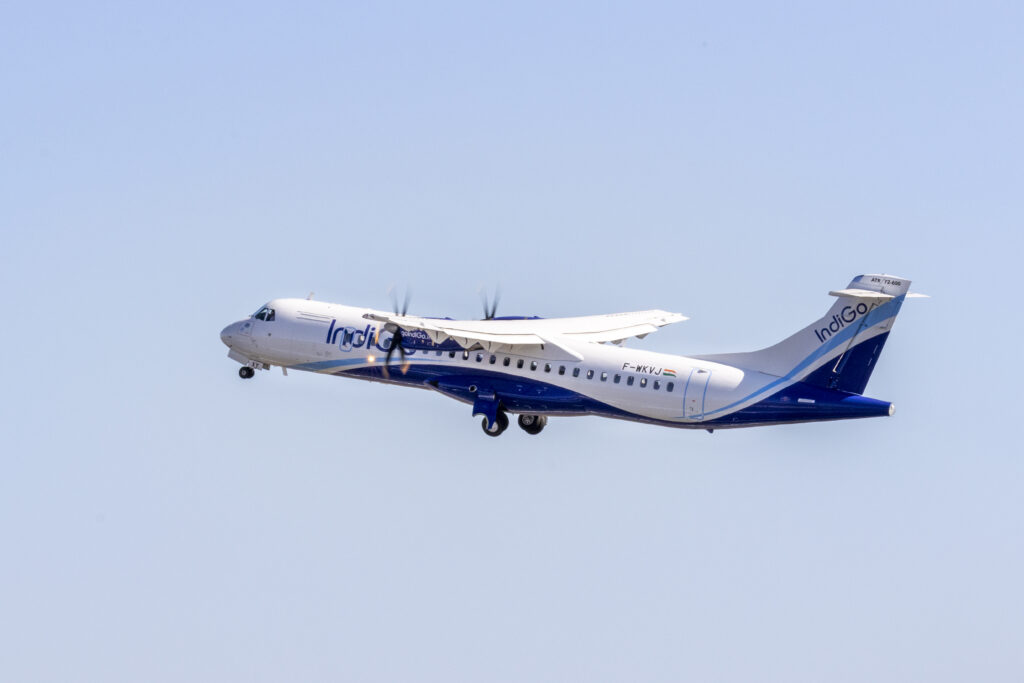
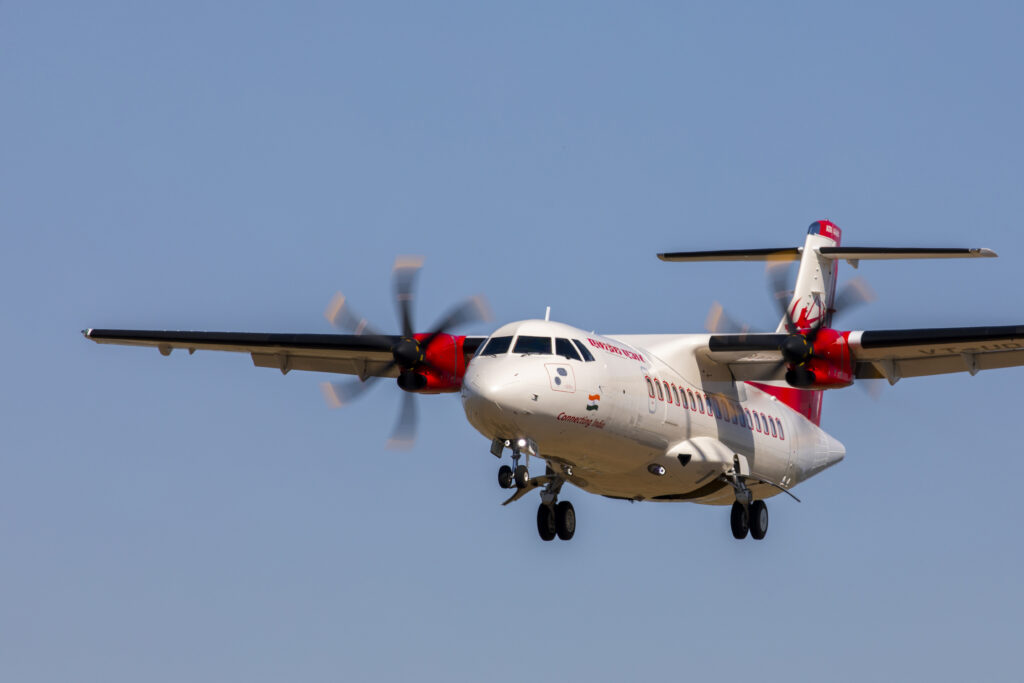
From our survey, we estimate that nearly half of the new demand coming into regional aviation will come from new routes, and the biggest proportion of that will be on flows between secondary cities. In the last five years, we have seen 200 routes opened by ATR, some of which have even been upgraded to larger jets. That is a proof of success: regional aircraft are allowing airlines and the government to create routes and develop them further. It is the ideal aircraft to open new routes and cover 90% of today’s travel needs across the country.
As India aspires to become a global aviation hub, ATR is poised to play a central role in this journey, fostering growth, innovation, and connectivity. We understand India’s ambitions, and we are the natural partner for Indian airlines looking to develop regional operations. We have been in the Indian market for 25 years, and we continue exploring avenues to enhance our supply chain efficiency, reduce costs, and improve the reliability of our aircraft, ensuring that we deliver value and excellence to our partners in India and beyond. By enabling airlines to operate cost-effective and sustainable services on underserved routes, we want to play our part in contributing to the democratisation of air travel and the economic empowerment of regional communities.