







- Eligibility & Training Pathways: Students must complete 12th with Physics, Chemistry, and Mathematics, clear a Class 1 Medical exam, and can choose from different training routes such as PPL → CPL, integrated programs, or degree + pilot training.
- Pilot Training & Costs: Becoming a pilot involves ground training, 200–250 flight hours, written exams, and licensing. Training costs in India typically range from ₹25–50 lakh, depending on the program and institution.
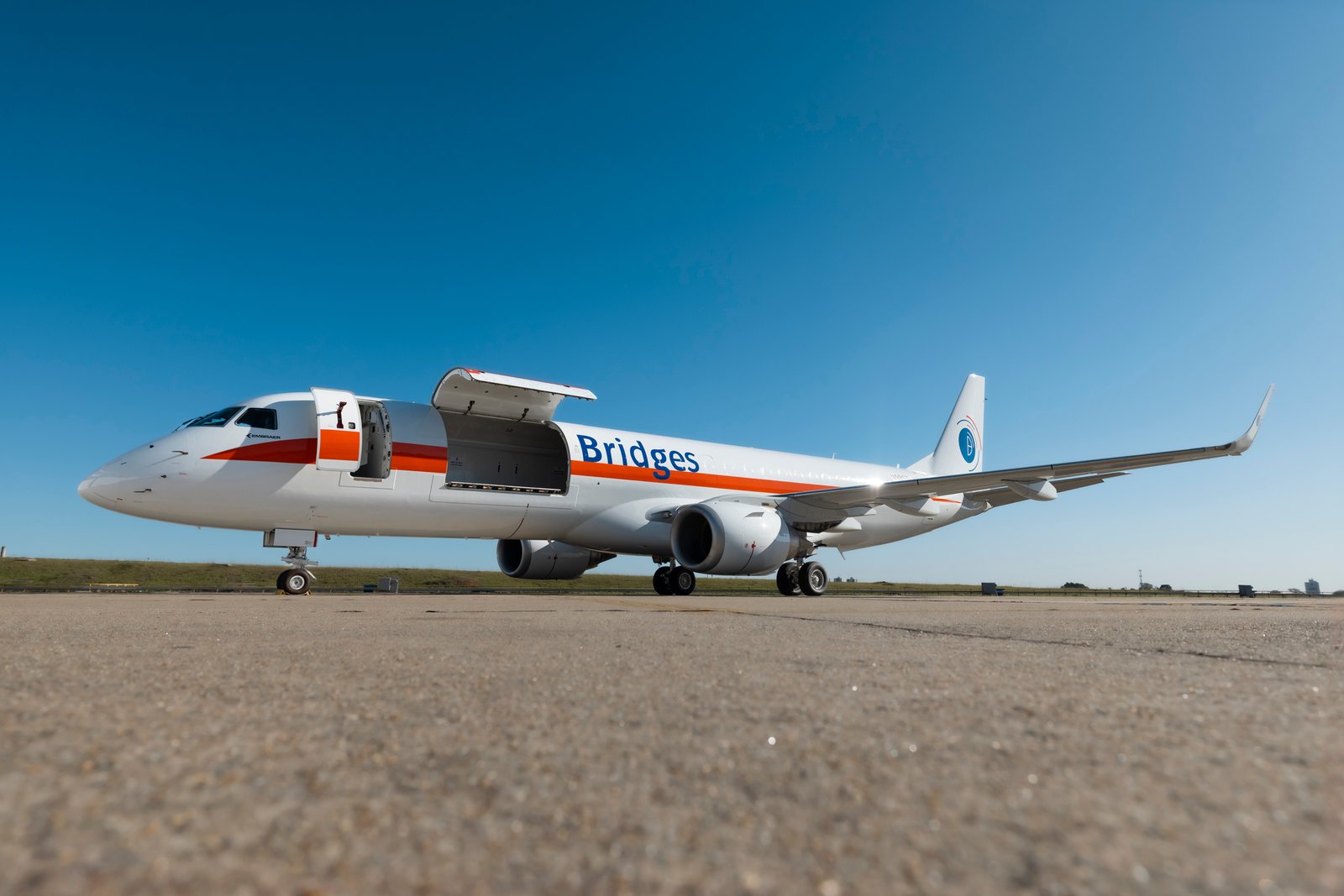
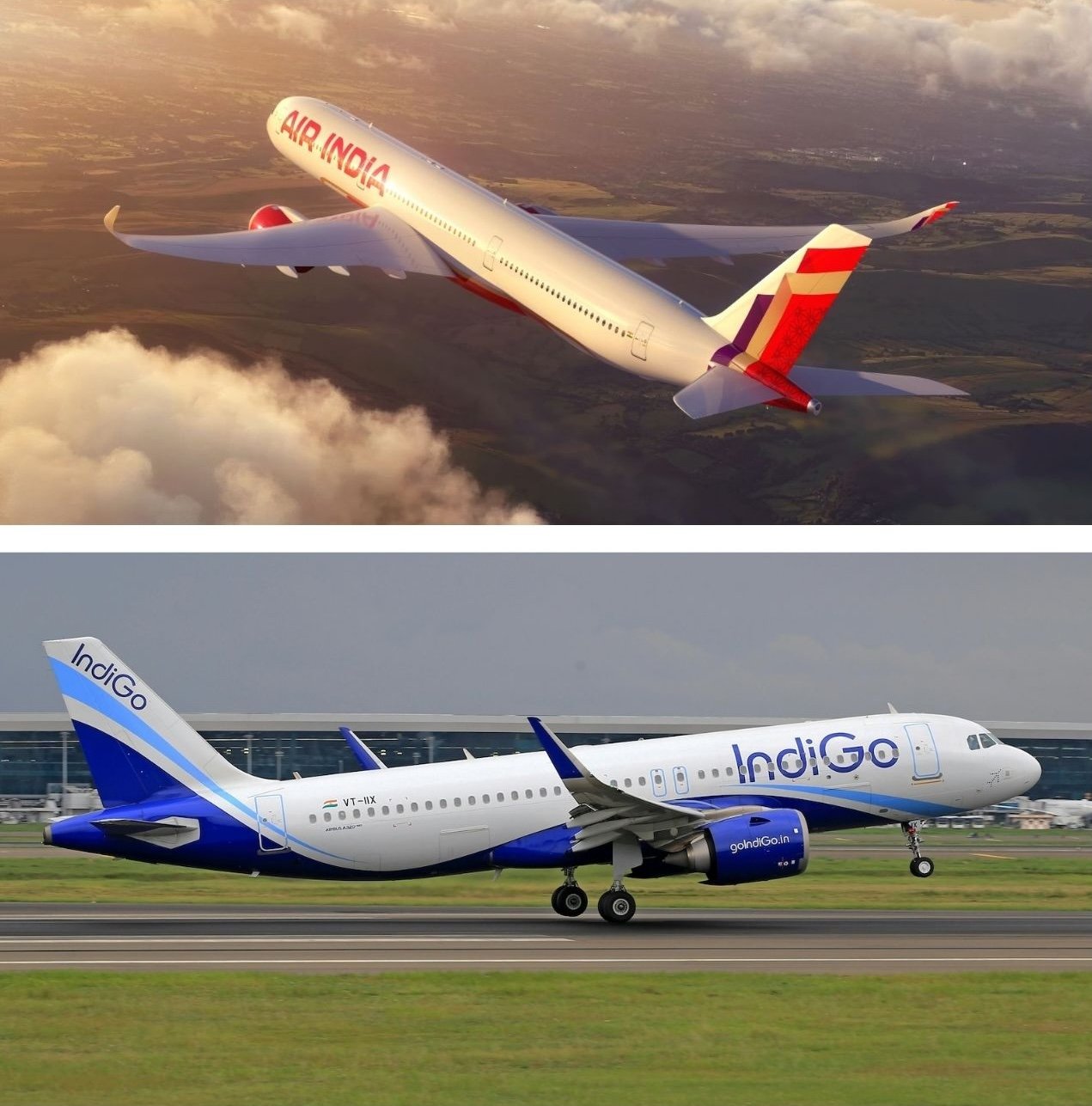
- Career Opportunities: After earning a CPL, students can pursue careers as airline pilots, cargo pilots, private jet pilots, flight instructors, or even military pilots, with attractive salaries and global travel opportunities.
How to Become a Pilot After 12th
Becoming a pilot is a dream career for many students. It combines adventure, responsibility, travel, and a high-paying career. If you have completed your 12th standard and want to pursue aviation, this guide will walk you through every step from eligibility to training, costs, career options, and tips for success.
Understanding the Pilot Profession
A pilot is responsible for flying and navigating an aircraft safely. The profession requires technical knowledge, mental alertness, physical fitness, and the ability to make quick decisions.
Pilots can specialize in various areas:
- Commercial Pilots (CPL): Fly passengers or cargo for airlines or private companies.
- Airline Transport Pilots (ATPL): Command large commercial aircraft, usually after gaining experience with CPL.
- Military Pilots: Operate fighter jets, transport aircraft, or helicopters in the air force or navy.
Eligibility Criteria After 12th
To start pilot training after 12th, you must meet certain academic and medical criteria:
Academic Requirements
- Completed 12th standard with Physics, Chemistry, and Mathematics (PCM).
- Minimum 50% aggregate marks in 12th.
- Good proficiency in English.
Age Requirement
- Minimum age: 17 years.
- Maximum age: Depends on the flying school or country’s regulations.
Medical Fitness
- Obtain a Class 1 Medical Certificate from a DGCA-approved medical center in India (or FAA-approved in the US).
- Medical standards include:
- Vision and color perception
- Hearing
- Cardiovascular health
- Mental health
Choosing the Right Pilot Training Pathway
After 12th, there are three main routes to becoming a pilot:
a) Private Pilot License (PPL) → Commercial Pilot License (CPL)
- PPL (Private Pilot License)
- Duration: 6–12 months
- Teaches basic flying skills
- Allows flying small aircraft privately
- CPL (Commercial Pilot License)
- Duration: 1–2 years
- Required for commercial flying
- Includes theoretical knowledge and 200–250 flight hours
b) Integrated Pilot Training Programs
- Combines PPL, CPL, and ATPL theory in one course.
- Duration: 2–3 years
- Benefits: Students start training immediately after 12th and gain exposure to multi-engine aircraft.
c) Degree + Pilot Training
- Some universities offer B.Sc. in Aviation or Aeronautical Science along with CPL training.
- Duration: 3–4 years
- Benefits: Academic qualification alongside pilot license
Pilot Training Process
Step 1: Entrance Exam and Selection
- Many flying schools conduct entrance exams or interviews.
- Tests cover PCM, English, and logical reasoning.
- Notable flying schools in India:
- Indira Gandhi Institute of Aeronautics (Delhi)
- Rajiv Gandhi National Flight Training Institute (Pune)
- Indira Gandhi Institute of Aviation (Chandigarh)
Step 2: Ground Training
- Covers theory subjects:
- Air Navigation & Flight Planning
- Aviation Meteorology
- Aircraft Technical Knowledge
- Air Regulations & Air Law
- Human Performance & Limitations
Step 3: Flight Training
- Conducted with single-engine and multi-engine aircraft.
- Includes:
- Solo flights
- Cross-country flights
- Night flying
- Simulator sessions
- Required minimum flight hours for CPL: 200–250 hours
Step 4: Exams and License
- Pass written exams (DGCA in India or FAA in the US)
- Complete practical flight test
- Obtain Commercial Pilot License (CPL)
Cost of Pilot Training
Pilot training is expensive, varying by school and country:
| Training Type | Approximate Cost (India) |
| PPL | ₹10–15 lakh |
| CPL | ₹25–40 lakh |
| Integrated Program | ₹35–50 lakh |
Funding Options: Student loans, scholarships, and airline sponsorship programs.
Career Opportunities After CPL
a) Airline Pilot
- Starts as First Officer (Co-Pilot), eventually promoted to Captain
- Average salary in India: ₹1.5–3 lakh/month (First Officer)
b) Cargo Pilot
- Operate cargo aircraft for logistics companies
- Flexible schedules with night flights
c) Corporate / Private Jet Pilot
- Fly private jets for businesses or high-net-worth individuals
- Attractive pay and perks
d) Flight Instructor
- Train new pilots at flying schools
- Gain flight hours while earning
e) Military Pilot
- Join Air Force or Navy through NDA or defense entrance exams
- Serve in fighter jets, transport, or helicopters
Skills Required to Become a Pilot
- Physical Fitness: Vision, hearing, and overall health
- Mental Alertness: Handle emergencies and stress
- Communication Skills: Clear communication with co-pilot and ATC
- Technical Knowledge: Understand aircraft systems and navigation
- Decision-Making Skills: Quick and accurate judgment
- Discipline and Teamwork: Work effectively with crew and ground staff
International Training Options
- USA: ATP Flight School, Embry-Riddle University
- Europe: Oxford Aviation Academy, Lufthansa Flight Training
- Australia: Australian National Flight Academy (ANFA)
Advantages:
- Global recognition of license
- Advanced aircraft and simulators
- Opportunities with international airlines
Timeline After 12th
| Step | Duration |
| PPL | 6–12 months |
| CPL | 1–2 years |
| ATPL (after 1500 flight hours) | Varies |
| First job as Co-Pilot | 1–3 years |
| Promotion to Captain | 2–5 years after experience |
Tips for Aspiring Pilots
- Focus on PCM in 12th for a strong foundation
- Maintain fitness and obtain Class 1 Medical Certificate early
- Research flying schools and compare fees, aircraft, and placement
- Develop communication and teamwork skills
- Prepare for written exams (DGCA/FAA)
- Gain flying experience through clubs or internships
- Plan finances carefully (loans/scholarships)
Challenges in Pilot Career
- High cost of training
- Limited airline positions (competition is high)
- Irregular schedules and long hours
- Stressful situations like emergency landings or bad weather
Conclusion
Becoming a pilot after 12th is challenging but rewarding. With determination, proper planning, and dedication, you can soar to great heights in aviation. The journey involves strong academics, physical and mental fitness, flight training, licensing, and perseverance.
Whether your dream is to fly commercial airliners, cargo planes, private jets, or join the military, the pathway is clear for those ready to invest in their future. A career as a pilot offers adventure, responsibility, global travel, and the chance to fulfill your dream of flying.