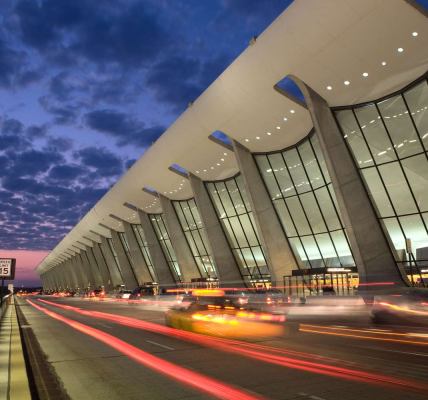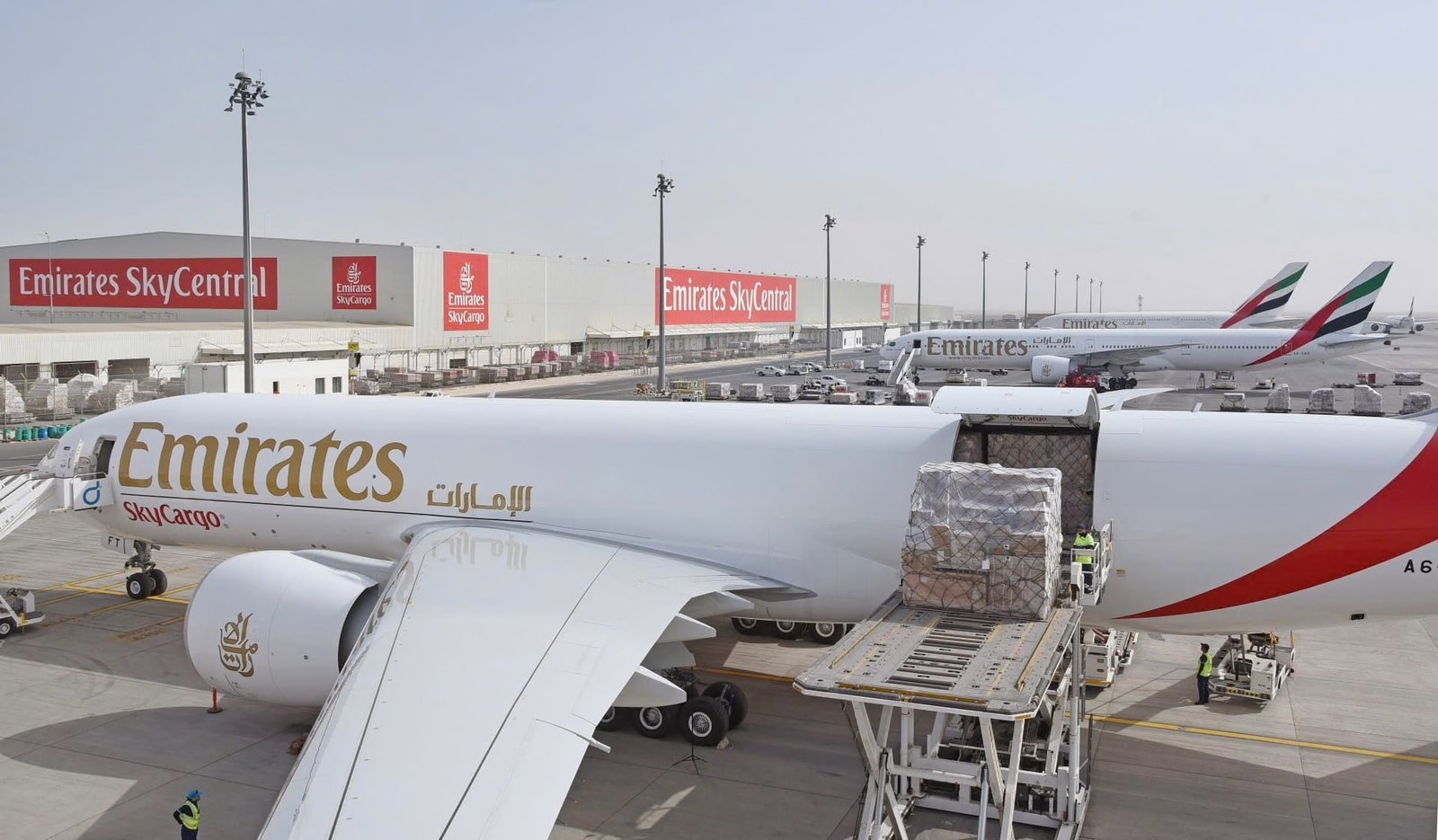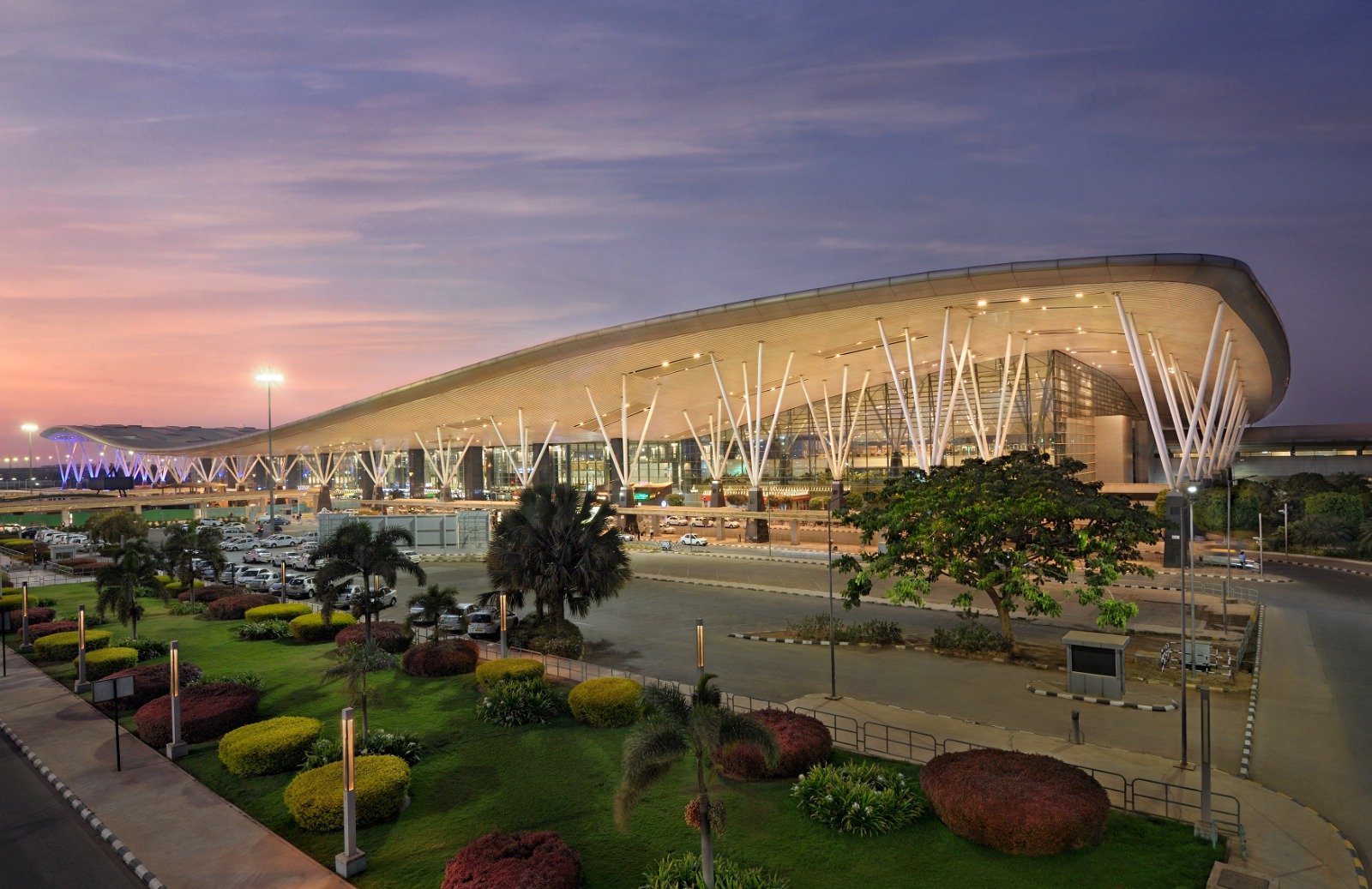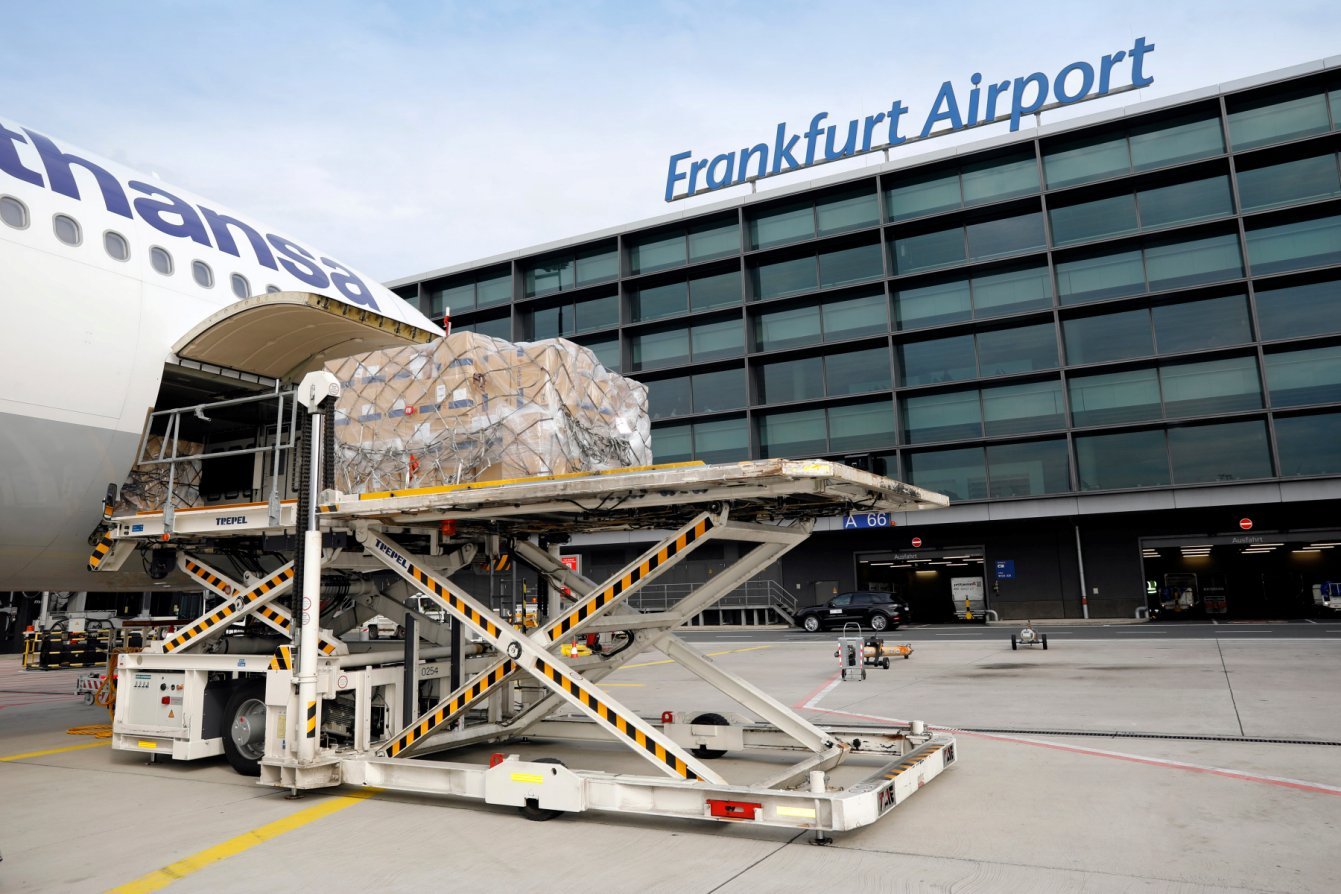















- India’s Aviation Boom: India is the third-largest domestic aviation market globally, driven by rising incomes, a growing middle class, and strong government support for infrastructure and regional connectivity.
- Diverse Industry Players: The sector includes leading airlines like IndiGo and Air India, major cargo operators like Blue Dart and SpiceXpress, and aerospace firms like HAL and Tata Advanced Systems, making it a complete aviation ecosystem.
- Future Growth & Challenges: Despite issues like high fuel taxes and financial instability, India’s aviation industry is set for massive growth through fleet expansion, green aviation, and international network expansion.
Aviation Companies in India
India is one of the fastest-growing aviation markets in the world. With its large population, strong economic growth, and expanding middle class, the demand for air travel in India has increased sharply in the last two decades. From domestic airlines to aircraft maintenance firms, and from airport operators to defense aviation manufacturers, aviation companies in India play a critical role in shaping the country’s transportation and economic future.
In this article, we will explore the major aviation companies in India, their contribution to the sector, and what lies ahead for the Indian aviation industry.
The Growth of Indian Aviation
The aviation industry in India has grown rapidly since the 1990s. Deregulation, privatization, and government reforms allowed private airlines to enter the market, breaking the monopoly of state-owned carriers. Today, India is the third-largest domestic aviation market in the world, after the United States and China.
Some key statistics about the Indian aviation market:
- Passenger traffic is expected to reach 412 million by 2030.
- India has 148 operational airports, with plans to increase to 200+ by 2030.
- More than 90% of India’s aviation market is dominated by low-cost carriers (LCCs).
This rapid growth has led to the rise of several successful aviation companies in different sectors: commercial airlines, cargo airlines, aircraft maintenance (MRO), airport operations, and defense aviation.
Major Aviation Companies in India
1. IndiGo Airlines

- Founded: 2006
- Headquarters: Gurugram, Haryana
- Type: Low-Cost Carrier
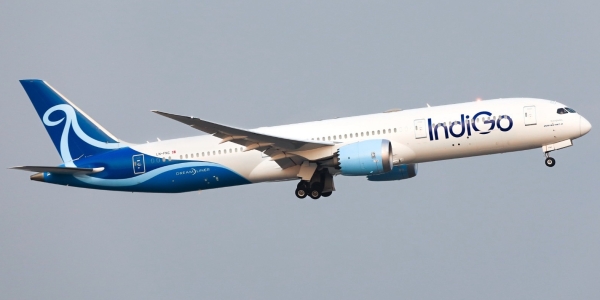
IndiGo is the largest airline in India by both fleet size and passenger market share. Known for its punctuality, affordable fares, and wide domestic network, IndiGo has consistently maintained over 55% market share in recent years.
Key Facts:
- Operates more than 1,900 flights daily.
- Fleet includes Airbus A320, A321neo, and ATR aircraft.
- Expanding internationally to destinations in the Middle East, Southeast Asia, and Europe.
IndiGo’s efficient low-cost model makes it one of the most profitable airlines in India.
2. Air India
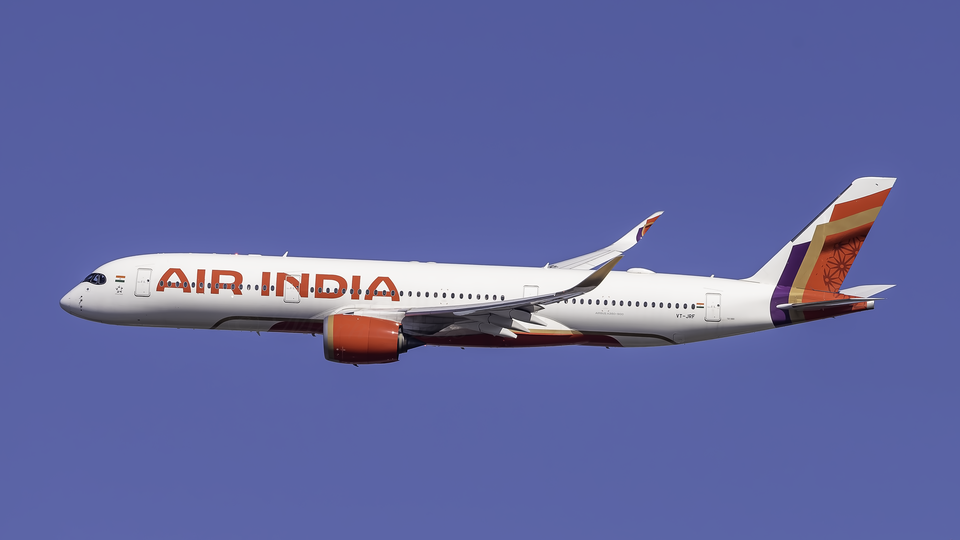
- Founded: 1932 (as Tata Airlines)
- Headquarters: New Delhi
- Type: Full-Service Carrier
Air India is the flag carrier of India, recently acquired by Tata Group from the Government of India in 2022. The airline is undergoing a massive restructuring to regain its past glory.
Key Facts:
- Operates a mixed fleet of Boeing and Airbus aircraft, including long-haul jets.
- Part of the Star Alliance, a global airline network.
- Offers direct flights to Europe, the U.S., Australia, and Asia.
Under Tata’s management, Air India has placed record-breaking aircraft orders with Boeing and Airbus to modernize its fleet.
3. Vistara
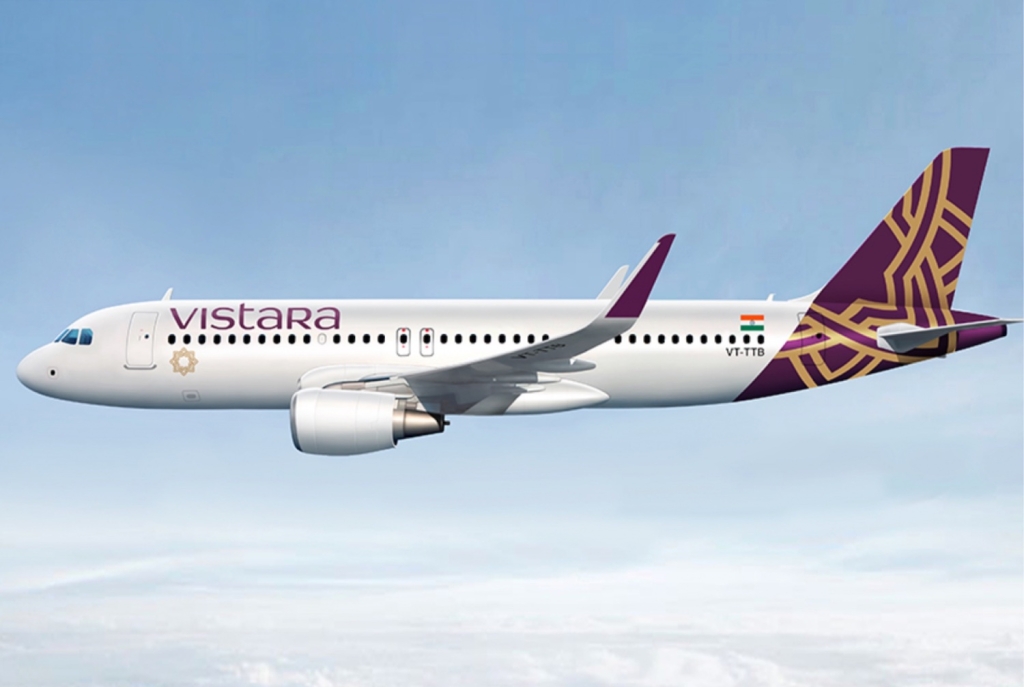
- Founded: 2015
- Headquarters: Gurugram, Haryana
- Type: Full-Service Carrier
Vistara is a joint venture between Tata Sons and Singapore Airlines. It is known for its premium service, stylish branding, and international expansion.
Key Facts:
- Fleet includes Airbus A320, A321neo, Boeing 787 Dreamliners.
- Focuses on business travelers and premium economy class.
- Recently announced a merger with Air India to form a stronger national carrier.
4. SpiceJet
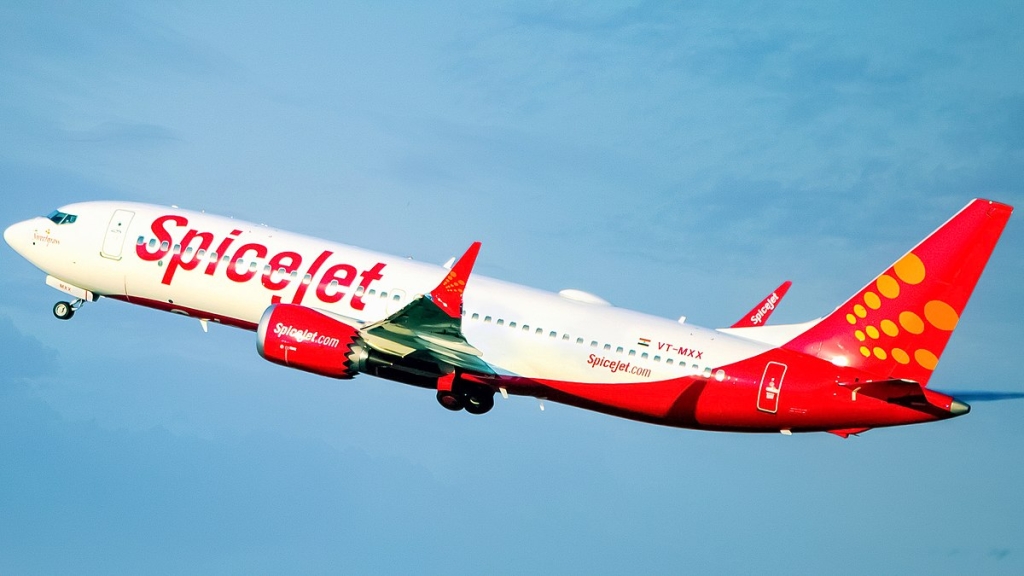
- Founded: 2005
- Headquarters: Gurugram, Haryana
- Type: Low-Cost Carrier
SpiceJet is one of India’s leading budget airlines. Despite facing financial challenges in recent years, it continues to operate a significant share of domestic flights.
Key Facts:
- Operates Boeing 737, Bombardier Q400 aircraft.
- Known for affordable fares and regional connectivity.
- Expanding into cargo services with SpiceXpress.
5. Go First (formerly GoAir)
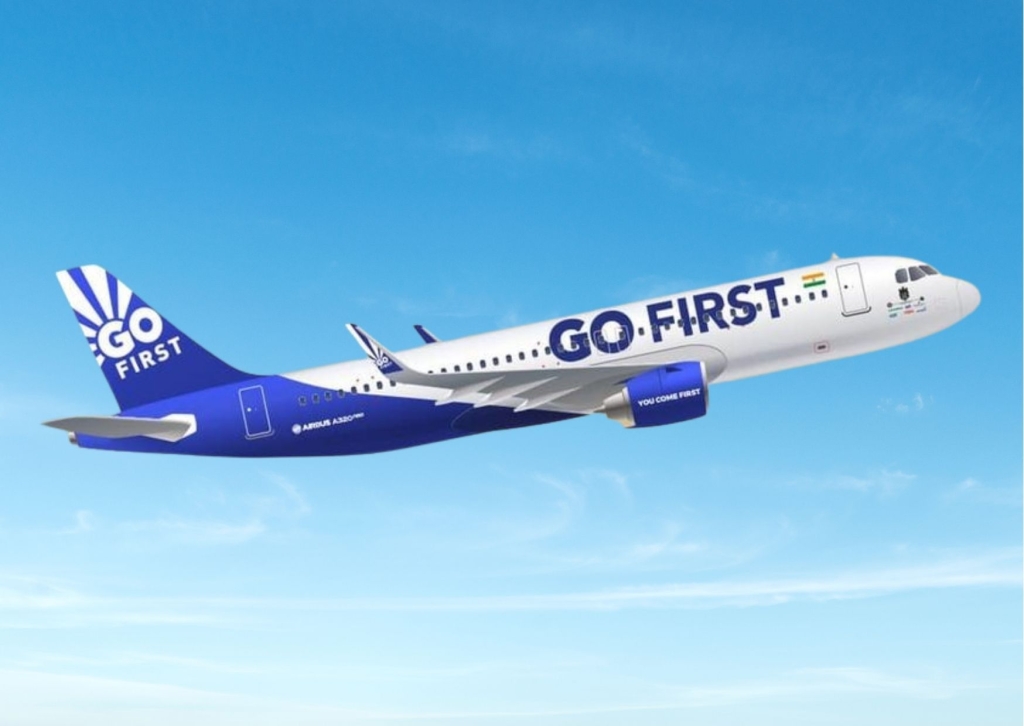
- Founded: 2005
- Headquarters: Mumbai
- Type: Low-Cost Carrier
Go First is another low-cost airline in India, though it has faced financial struggles in recent times.
Key Facts:
- Fleet includes Airbus A320neo aircraft.
- Known for on-time performance.
- Currently restructuring under insolvency proceedings.
6. AirAsia India
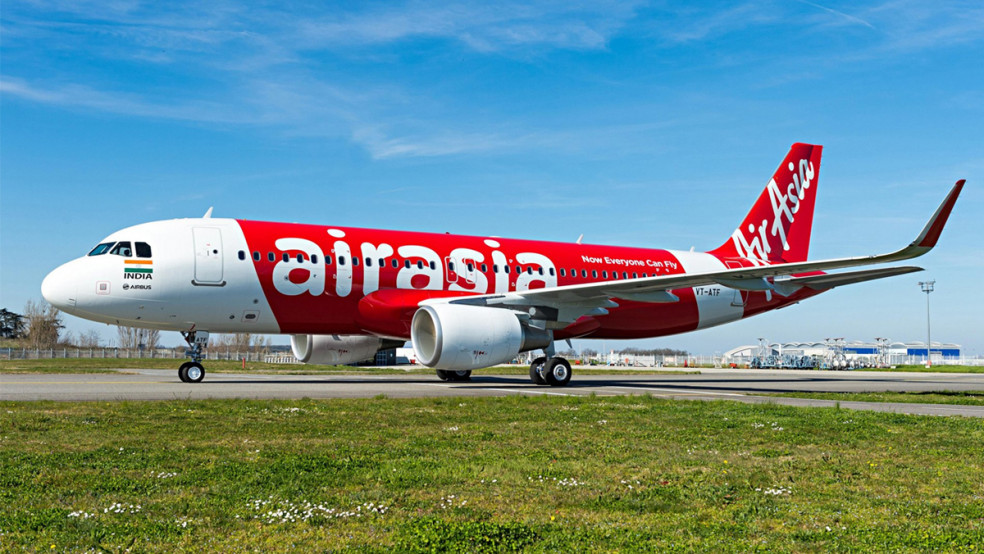
- Founded: 2014
- Headquarters: Bengaluru
- Type: Low-Cost Carrier
AirAsia India, a joint venture between Tata Sons and AirAsia Berhad, operates as a budget airline. It is now merging with Air India Express to strengthen Tata’s aviation presence.
Key Facts:
- Operates Airbus A320 aircraft.
- Focuses on affordable short-haul routes.
7. Air India Express
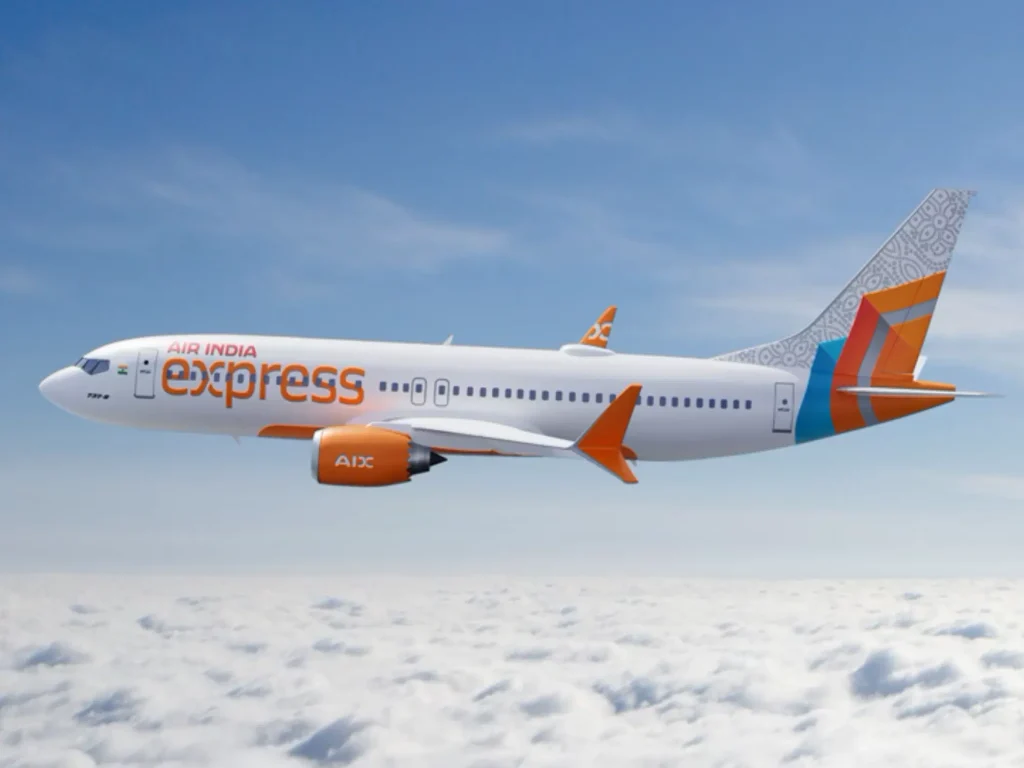
- Founded: 2005
- Headquarters: Kochi, Kerala
- Type: Low-Cost International Carrier
Air India Express is the low-cost arm of Air India. It primarily operates flights to the Middle East and Southeast Asia.
Key Facts:
- Operates Boeing 737 aircraft.
- Popular among migrant workers traveling to Gulf countries.
Cargo Aviation Companies in India
Cargo airlines are essential for transporting goods across India and abroad. With e-commerce and logistics booming, cargo aviation is expanding rapidly.
1. Blue Dart Aviation

- India’s first and largest cargo airline.
- Operates Boeing 757 freighters.
- Serves major Indian cities with overnight express services.
2. SpiceXpress
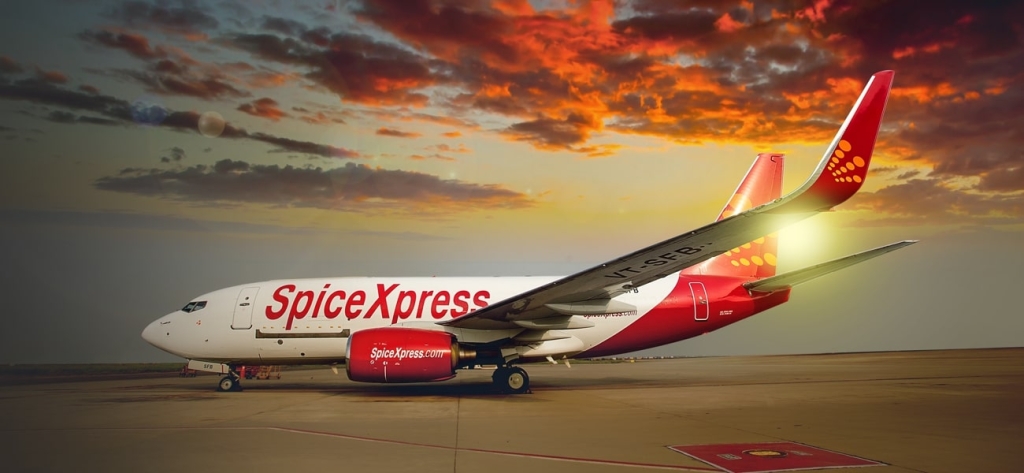
- Cargo division of SpiceJet.
- Uses Boeing 737 freighters and Q400 aircraft.
- Expanding internationally into Southeast Asia and Middle East.
3. Quikjet Airlines
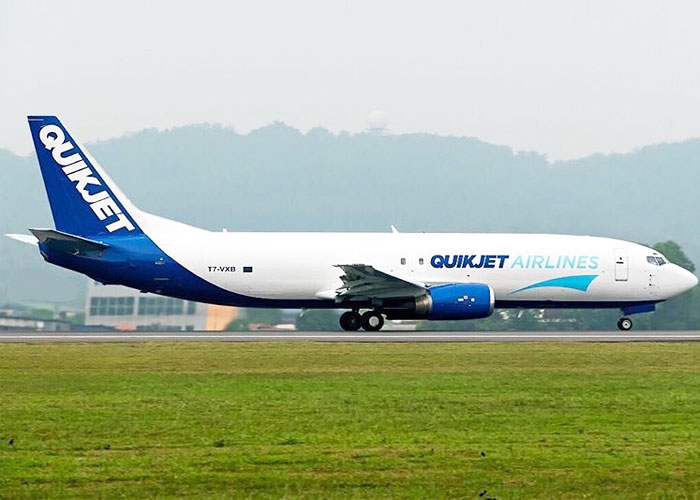
- Operates cargo services for Amazon and other logistics companies.
- Focus on express parcel delivery.
Airport and Infrastructure Companies
Apart from airlines, several companies manage airports and aviation infrastructure in India.
1. Airports Authority of India (AAI)
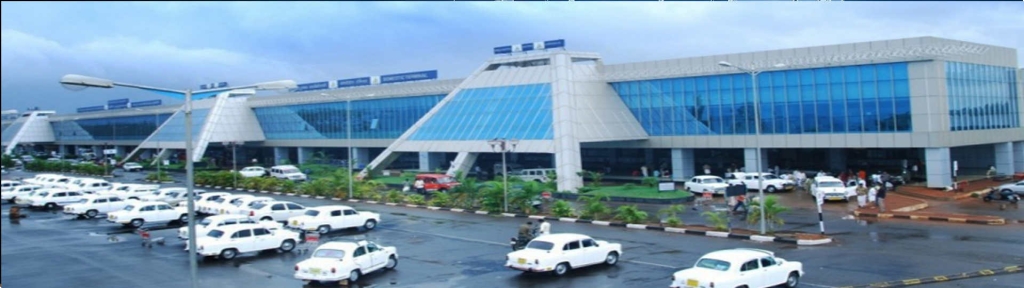
- Government-owned organization managing 100+ airports.
- Provides air traffic management and airport operations.
2. GMR Group

- Private company managing Delhi and Hyderabad airports.
- Known for world-class airport facilities.
3. GVK Group (Adani Group now operates)
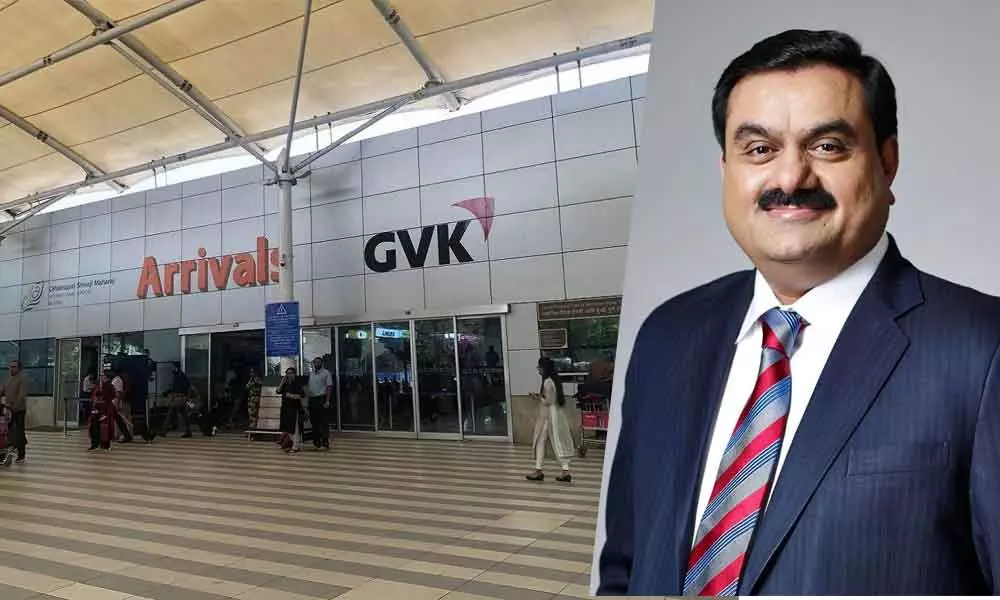
- Earlier managed Mumbai airport, now part of Adani Group.
- Adani Airports operates seven airports across India.
Aviation Manufacturing and MRO Companies
1. Hindustan Aeronautics Limited (HAL)
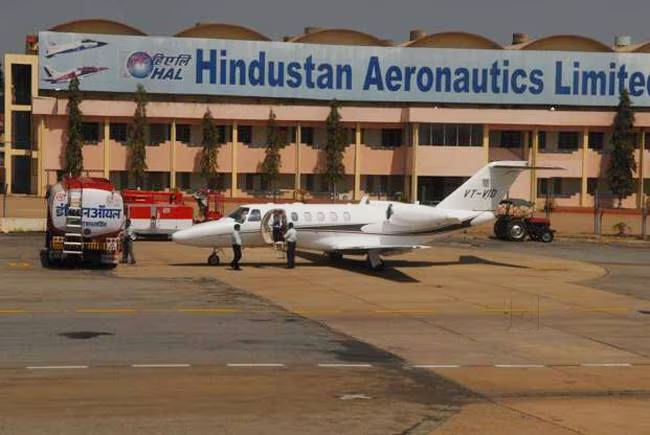
- State-owned aerospace and defense company.
- Manufactures fighter jets, helicopters, and aircraft engines.
- Key player in India’s defense aviation sector.
2. Tata Advanced Systems

- Works in aerospace manufacturing, including components for Boeing and Airbus.
- Building military aircraft and drones for India.
3. IndiGo Technics, Air India Engineering Services Ltd. (AIESL)
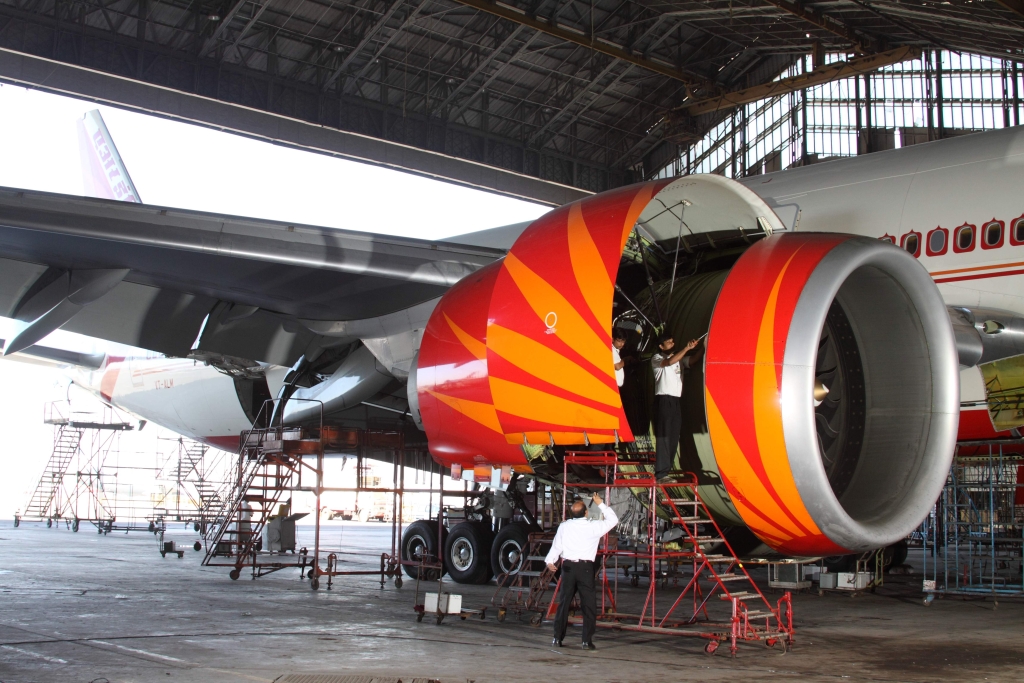
- Provide Maintenance, Repair, and Overhaul (MRO) services.
- MRO sector is expected to grow to $5 billion by 2030.
Challenges Faced by Aviation Companies in India
While the aviation industry is growing, it faces many challenges:
- High fuel costs – Aviation turbine fuel (ATF) is heavily taxed in India.
- Infrastructure limitations – Many airports are overcrowded.
- Financial instability – Several airlines (like Jet Airways, Kingfisher) have collapsed.
- Competition – Price wars among low-cost carriers reduce profit margins.
Future of Aviation in India
The future looks bright for Indian aviation. Key trends include:
- Regional Connectivity Scheme (UDAN) – Making air travel affordable to smaller towns.
- Green Aviation – Investment in sustainable fuels and electric planes.
- International Expansion – Indian airlines ordering hundreds of aircraft to expand abroad.
- Private Investments – Companies like Tata, Adani, and GMR reshaping India’s aviation ecosystem.
India aims to become a global aviation hub, connecting Europe, Asia, and the Middle East.
Conclusion
Aviation companies in India are at the heart of one of the world’s fastest-growing markets. From IndiGo’s dominance in low-cost travel to Air India’s global ambitions, and from cargo airlines like Blue Dart to aerospace giants like HAL, the sector is diverse and dynamic.
With rising demand, improved infrastructure, and government support, India’s aviation companies are set to soar even higher in the coming decade.