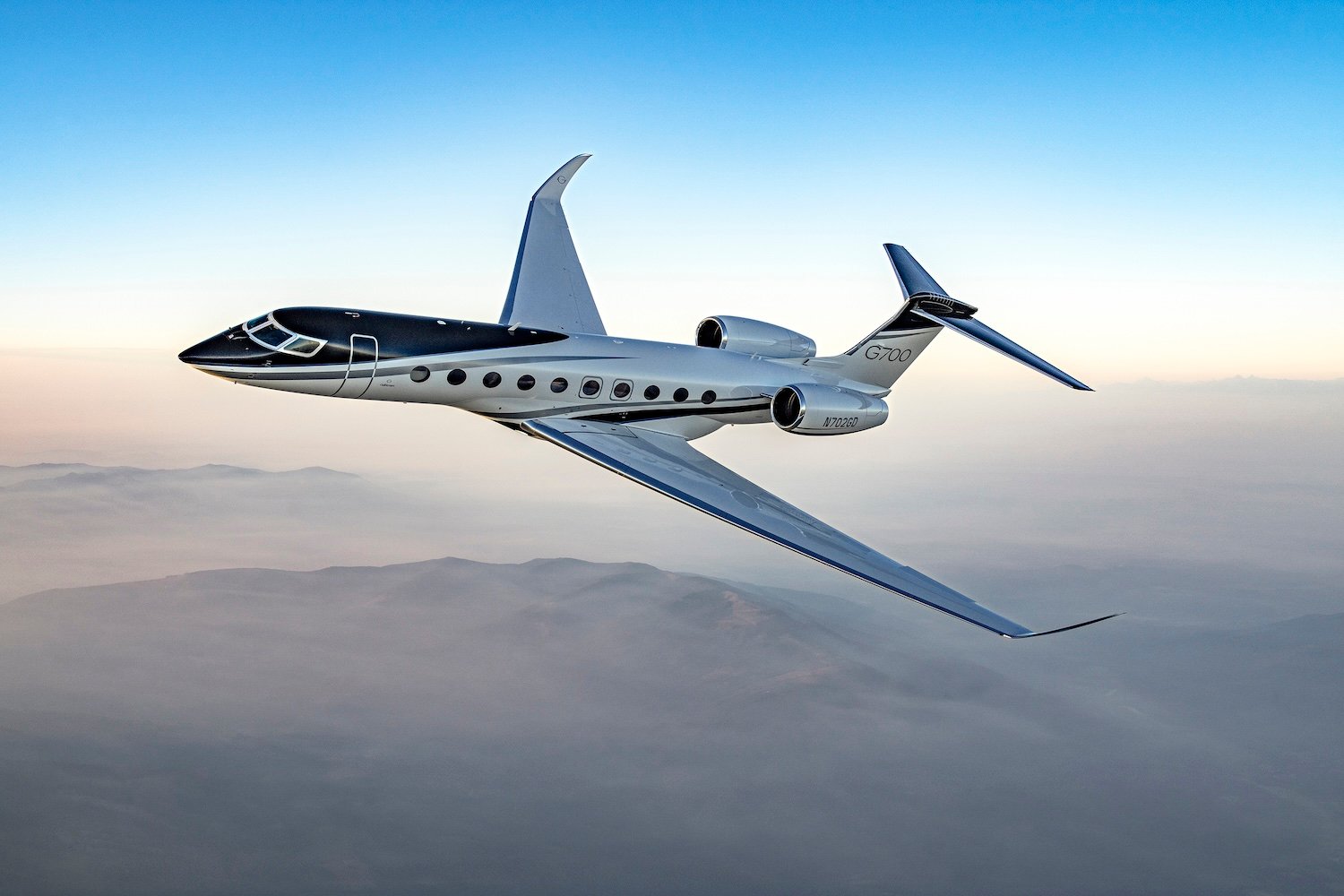



















- Global Preservation of Aviation History: Aviation museums worldwide showcase historic aircraft, pioneering technologies, and the stories of aviators, preserving each country’s unique contributions to aviation.
- Educational and Cultural Significance: These museums serve as living classrooms, inspiring STEM careers, honoring veterans, and offering travelers insights into aviation’s impact on global connectivity and innovation.
- Country-Specific Highlights: From the U.S.’s pioneering flights to Russia and China’s space achievements, and India, Japan, and Australia’s regional contributions, each nation’s aviation museum reflects its distinct journey in aviation history.
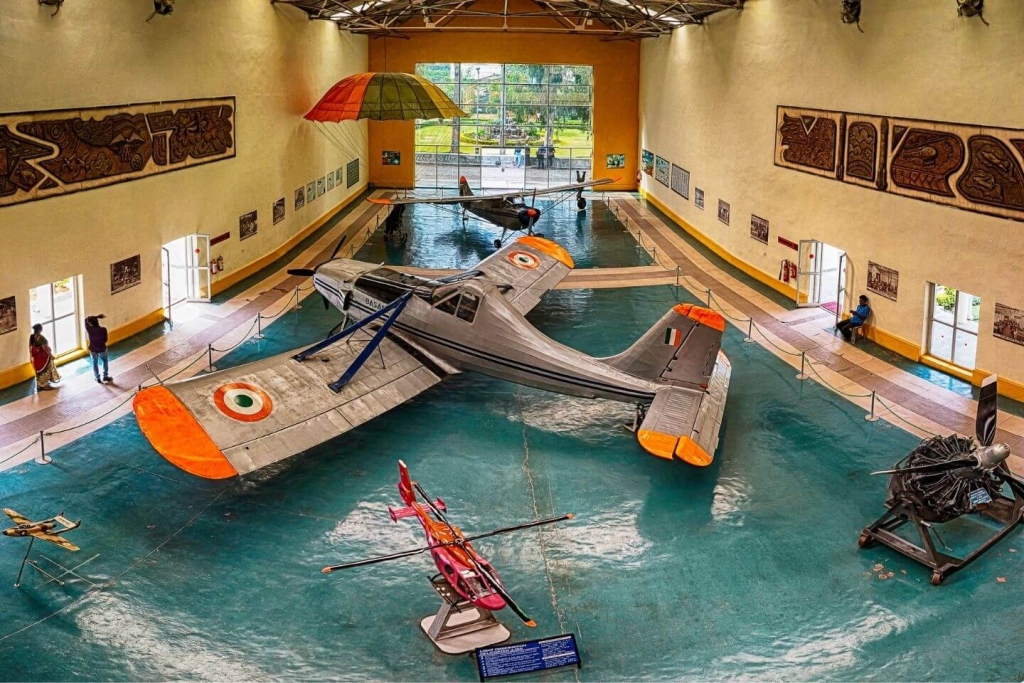
Aviation is one of humanity’s greatest achievements, transforming travel, defense, exploration, and even global culture. To preserve and showcase this legacy, countries around the world have established aviation museums that highlight historic aircraft, pioneering technologies, and the stories of those who dared to fly. These museums are not just collections of airplanes; they are cultural landmarks where history, engineering, and adventure intersect.
Aviation Museums
In this article, we’ll take a country-wise journey across the globe, discovering the top aviation museums in the United States, United Kingdom, France, Germany, Russia, China, India, Japan, Canada, and Australia. Each of these nations has played a significant role in aviation history, and their museums reflect a deep pride in innovation, military heritage, and civil aviation milestones.
Aviation Museums in United States
The United States is considered the heart of aviation history. From the Wright brothers’ first powered flight in 1903 to the development of the space shuttle, America has always been at the forefront of aerospace progress.
1. National Air and Space Museum (Washington, D.C.)
- Operated by the Smithsonian Institution.
- Home to the Wright Flyer of 1903, Charles Lindbergh’s Spirit of St. Louis, and the Apollo 11 command module.
- Attracts millions of visitors annually, making it one of the most visited museums in the world.
2. Steven F. Udvar-Hazy Center (Virginia)
- Extension of the Smithsonian’s Air and Space Museum.
- Displays large aircraft and spacecraft, including the space shuttle Discovery, SR-71 Blackbird, and the Concorde.
- Offers panoramic views of Dulles Airport.
3. National Museum of the United States Air Force (Dayton, Ohio)
- The world’s largest military aviation museum.
- Features more than 350 aircraft and missiles, including presidential aircraft and Cold War bombers.
- Known for its vast collection of experimental aircraft.
4. Pima Air & Space Museum (Tucson, Arizona)
- Houses more than 400 aircraft, including rare prototypes.
- Located near Davis-Monthan Air Force Base, known for its “airplane boneyard.”
Aviation Museums in United Kingdom
The UK has a proud aviation tradition, from World War I biplanes to modern jet fighters.
1. Royal Air Force Museum (London and Cosford)
- Split across two sites.
- London branch emphasizes the RAF’s role in both World Wars.
- Cosford houses experimental aircraft, Cold War jets, and massive transport planes.
2. Imperial War Museum Duxford (Cambridge)
- Located on a historic WWII airfield.
- Features live air shows and flying demonstrations.
- Famous for Spitfires, Hurricanes, and Lancaster bombers.
3. Fleet Air Arm Museum (Yeovilton)
- Focuses on naval aviation history.
- Includes aircraft carriers’ replicas and Royal Navy aircraft collection.
Aviation Museums in France
As the birthplace of many aviation pioneers, France is home to some of the world’s finest aviation collections.
Musée de l’Air et de l’Espace (Paris – Le Bourget Airport)
- One of the oldest aviation museums in the world (founded in 1919).
- Features Concorde prototypes, early hot air balloons, and World War aircraft.
- Includes space exploration galleries with Ariane rockets.
Musée Aeroscopia (Toulouse)
- Located in the home city of Airbus.
- Displays the Airbus A300B, Concorde, and the Super Guppy transport aircraft.
- Interactive exhibits explain modern commercial aviation.
Aviation Museums in Germany
Germany has contributed significantly to aviation technology, particularly during the early 20th century and the jet age.
Deutsches Museum (Munich)
- Renowned science and technology museum with a vast aviation section.
- Displays early gliders, WWII fighters, and modern helicopters.
Luftwaffenmuseum der Bundeswehr (Berlin-Gatow)
- Focuses on the history of the German Air Force.
- Features Cold War-era East German and NATO aircraft.
Auto & Technik Museum Sinsheim (Sinsheim)
- Famous for displaying both Concorde and Tupolev Tu-144 supersonic jets side by side.
- Also showcases military aircraft, cars, and technology displays.
Aviation Museums in Russia
Russia, and formerly the Soviet Union, has been a powerhouse in aerospace innovation.
Central Air Force Museum (Monino, near Moscow)
- The largest aviation museum in Russia.
- Holds over 170 aircraft, including Cold War bombers, MiG fighters, and experimental planes.
Museum of Cosmonautics (Moscow)
- Dedicated to Soviet space exploration.
- Features spacecraft, space suits, and equipment used by Yuri Gagarin.
Aviation Museums in China
China’s rapid aviation growth is reflected in its museums that celebrate both military and commercial aviation.
China Aviation Museum (Beijing)
- The largest aviation museum in Asia.
- Built into a former underground bunker.
- Contains more than 200 aircraft, including Soviet-era jets and Chinese prototypes.
Shanghai Aerospace Museum (Shanghai)
- Focuses on aerospace development in modern China.
- Displays rockets, satellites, and civil aircraft.
Aviation Museums in India
India’s aviation history ranges from its first flights in 1911 to being a major hub for civil and military aviation today.
Indian Air Force Museum (New Delhi – Palam)
- Displays India’s rich air force history.
- Includes vintage aircraft like the Hawker Hunter, Sukhoi-7, and MIG-21.
- Features a “Hall of Fame” with stories of Indian Air Force heroes.
HAL Heritage Centre and Aerospace Museum (Bengaluru)
- Run by Hindustan Aeronautics Limited.
- Exhibits prototypes developed in India, including the HAL Marut.
- Focuses on indigenous aircraft manufacturing and aerospace engineering.
Aviation Museums in Japan
Japan’s aviation museums highlight both WWII-era aircraft and cutting-edge aerospace advancements.
Tokorozawa Aviation Museum (Tokyo)
- Built on Japan’s first airfield.
- Focuses on both historic aircraft and modern aeronautics.
Yushukan Museum (Tokyo – Yasukuni Shrine)
- Displays wartime aircraft including the Mitsubishi Zero.
- Offers a perspective on Japan’s WWII aviation history.
Aviation Museums in Canada
Canada has contributed to aviation through bush flying, aerospace industries, and military operations.
Canada Aviation and Space Museum (Ottawa)
- The largest aviation museum in Canada.
- Houses over 130 aircraft, from early bush planes to jet fighters.
- Highlights Canada’s contribution to space research.
Western Canada Aviation Museum (Winnipeg)
- Focuses on bush flying heritage and local Canadian aviation pioneers.
Aviation Museums in Australia
Australia’s aviation museums emphasize its role in the Pacific theatre of WWII and civil aviation development.
Australian War Memorial – Aircraft Collection (Canberra)
- Preserves WWII aircraft such as the Lancaster bomber and Kittyhawk fighter.
Australian Aviation Heritage Centre (Darwin)
- Focuses on WWII aviation in the Pacific.
- Displays a massive B-52 bomber and aircraft used in the defense of Darwin.
RAAF Museum (Point Cook, Victoria)
- Dedicated to the history of the Royal Australian Air Force.
- Includes historic jets and flying displays.
Why Aviation Museums Matter
Aviation museums are more than static displays of airplanes. They are living classrooms where engineering meets history, and imagination takes flight. For students, they inspire careers in STEM fields. For veterans, they preserve memories of service. For travelers, they provide insight into how aviation shrank the world and expanded human possibility.
Each country’s aviation museum reflects its unique journey from wartime struggles to peaceful exploration, from early experiments to space-age achievements.
Conclusion
Exploring aviation museums country by country shows how aviation is a truly global story. The United States preserves its pioneering role, the UK emphasizes wartime valor, France and Germany celebrate innovation, Russia and China highlight power and space exploration, while India, Japan, Canada, and Australia bring regional perspectives.
Whether you’re an aviation enthusiast, a student of history, or simply a curious traveler, these museums are worth visiting. They remind us that humanity’s dream of flight once impossible is now an everyday reality, and they inspire the next leap forward into the skies and beyond.