


















- Modern Spiritual Gateway: Maharishi Valmiki International Airport (AYJ) combines world-class infrastructure with Ramayana-inspired architecture, serving as a gateway for millions of devotees visiting Lord Ram’s birthplace.
- Strong Connectivity: The airport offers direct flights to major Indian cities like Delhi, Mumbai, and Bengaluru, with future plans for international routes to Southeast Asia and the Middle East.
- Economic and Cultural Impact: It boosts religious tourism, generates local employment, and strengthens Ayodhya’s position as a global spiritual and cultural destination.
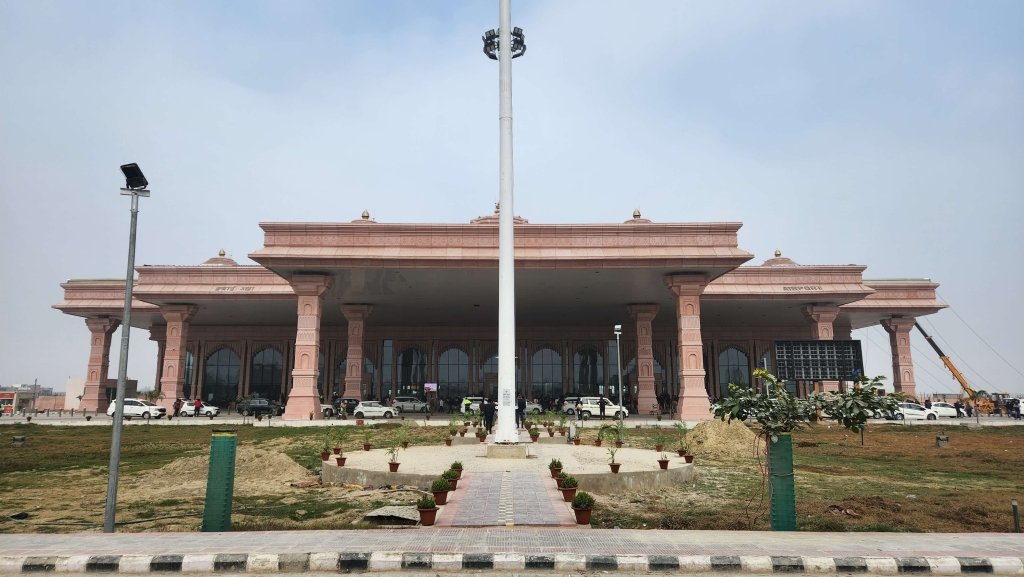
Airport in Ayodhya
The airport in Ayodhya, officially named Maharishi Valmiki International Airport (AYJ), is the newly developed airport serving the holy city of Ayodhya in Uttar Pradesh. Located around 8–10 kilometers from the city center, the airport is a vital gateway for millions of devotees and tourists visiting the birthplace of Lord Ram.
Inaugurated in December 2023, the airport has been developed as part of the government’s initiative to improve connectivity to religious and heritage destinations in India. With world-class design, modern facilities, and international standards, Ayodhya Airport has quickly become a major aviation hub in northern India.
Overview of Ayodhya Airport
Maharishi Valmiki International Airport is named after Maharishi Valmiki, the sage who authored the Ramayana. It has been designed with a blend of modern infrastructure and traditional architecture, reflecting Ayodhya’s spiritual significance.
Managed by the Airports Authority of India (AAI), the airport has been built to accommodate both domestic and international flights. The terminal design includes artwork and murals depicting scenes from the Ramayana, creating a divine and cultural ambiance for passengers.
Facilities at Ayodhya Airport
Ayodhya Airport offers modern amenities and essential passenger services:
Passenger Terminal
- A modern terminal with a capacity of 10 lakh passengers annually (Phase 1).
- Check-in counters, baggage handling, and automated systems for smooth processing.
Lounges
- Comfortable seating lounges with Wi-Fi and relaxation areas.
- Premium lounge services for business-class travelers.
Shopping and Dining
- Food courts serving local Awadhi delicacies and Indian snacks.
- Souvenir shops selling handicrafts, religious artifacts, and Ramayana-themed items.
Transport
- Prepaid taxis, app-based cabs, and bus services connect the airport to Ayodhya city and nearby towns.
- Travel time to Shri Ram Janmabhoomi Mandir is approximately 20–25 minutes.
Parking
- Ample parking space for private cars, buses, and two-wheelers.
Special Assistance
- Wheelchair access, special counters, and staff support for senior citizens and differently-abled passengers.
Connectivity of Ayodhya Airport
Ayodhya Airport has rapidly expanded its connectivity to serve the rising demand of pilgrims and tourists.
Domestic Destinations
- Delhi – Frequent flights connecting Ayodhya to the national capital.
- Mumbai – Major metro and financial hub.
- Bengaluru, Kolkata, Hyderabad, Ahmedabad – Other key cities connected with direct flights.
International Prospects
- The airport is being developed as an international airport, with future plans to operate flights to Southeast Asia and the Middle East to cater to global devotees.
Airlines like IndiGo, Air India, and Akasa Air have already started regular operations.
Importance of Airport in Ayodhya
Ayodhya Airport holds immense religious, cultural, and economic significance:
Religious Tourism
- Acts as the primary entry point for devotees visiting the Shri Ram Janmabhoomi Mandir.
- Boosts pilgrimage tourism by connecting Ayodhya with the rest of India.
Cultural Heritage
- Promotes Ayodhya’s identity as a global spiritual destination.
- Symbolizes India’s tradition through its architecture and design.
Economic Growth
- Generates employment opportunities and supports local businesses.
- Facilitates the hospitality, handicraft, and transport sectors.
Strategic Connectivity
- Enhances Uttar Pradesh’s tourism circuit by linking Ayodhya with Varanasi, Prayagraj, and Lucknow.
Travel Experience at Ayodhya Airport
Travelers at Ayodhya Airport experience a unique combination of modern comfort and spiritual ambiance. From the moment passengers enter the terminal, the Ramayana-inspired design creates a cultural connection with the city’s heritage.
The airport ensures efficient services, quick transfers, and convenient access to the main temple town, making it ideal for pilgrims and tourists alike.
Future Developments
Ayodhya Airport is being developed in multiple phases:
- Expansion of the runway to handle wide-body aircraft.
- Increase in passenger handling capacity to cater to rising demand.
- More international flight connections to accommodate global devotees.
- Additional lounges, retail outlets, and food courts for passenger convenience.
Once fully operational, it will be one of the largest religious tourism airports in India.
Conclusion
The airport in Ayodhya – Maharishi Valmiki International Airport – is not just an aviation hub but a spiritual gateway for millions of devotees visiting the holy city of Lord Ram. With world-class facilities, strong connectivity, and symbolic design, the airport is set to play a transformative role in Ayodhya’s development.
For pilgrims, tourists, and international visitors, Ayodhya Airport offers a seamless travel experience while capturing the essence of India’s cultural and spiritual heritage.