









IndiGo doubles A350-900 order to 60 jets; 2027 deliveries to power long-haul push

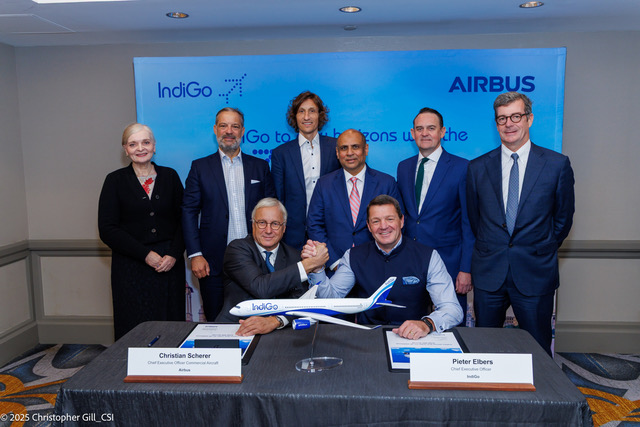
- IndiGo has firmed its order for 30 additional Airbus A350-900s, doubling its wide-body commitment to 60 aircraft. The agreement, converting purchase rights first outlined at the IATA AGM 2025, leaves 40 rights intact for future expansion, with first deliveries scheduled from 2027.
- Powered by Rolls-Royce Trent XWB-84 engines under a TotalCare deal, the A350s will enable nonstop flights from India to New York, Toronto, and Sydney from 2027.
- The A350 fleet reinforces IndiGo’s expanding long-haul strategy, aligning its global ambitions with India’s vision of becoming a leading aviation hub.

IndiGo’s latest contract with Airbus marks a defining moment in India’s aviation story. With its firm order for 30 additional Airbus A350-900 aircraft, announced on October 17, 2025, IndiGo has doubled its wide-body order to 60 jets: a decisive signal that the country’s largest airline is preparing its ground to compete globally. Following this conversion, IndiGo retains purchase rights for 40 more A350s for future growth.

“Today is a special day for IndiGo as we solidify our commitment to expanding our international footprint and offering unparalleled connectivity to our customers,” said Pieter Elbers, CEO of IndiGo. “The conversion of this MoU into a firm order for 30 additional A350-900s is a testament to our confidence in the future of Indian aviation and our strategic partnership with Airbus.”
The big move, first revealed as a Memorandum of Understanding at the IATA AGM in New Delhi in June 2025, aligns well with IndiGo’s next step in its evolution to become a player in the long-haul market. The planes will start to be delivered in 2027, and more aircraft will arrive in the early 2030s.
The new A350-900s form the cornerstone of IndiGo’s international strategy. Each aircraft, powered by Rolls-Royce’s Trent XWB-84 engines, can fly nearly 15,700 kilometres (and up to 18,000 km depending on seat configuration), enough for nonstop services from Delhi or Mumbai to New York, Toronto, or Sydney.
Elbers emphasised that the expansion aligns directly with India’s national goal of becoming a global aviation hub. “In line with India’s vision of becoming a global aviation hub and our aspiration to establish ourselves as a leading global aviation player by 2030, IndiGo is taking decisive steps forward,” he said. These aircraft, he emphasised, would “play a pivotal role in enabling IndiGo to expand its reach, connect India with more destinations across the globe, and offer our customers new international travel opportunities.”
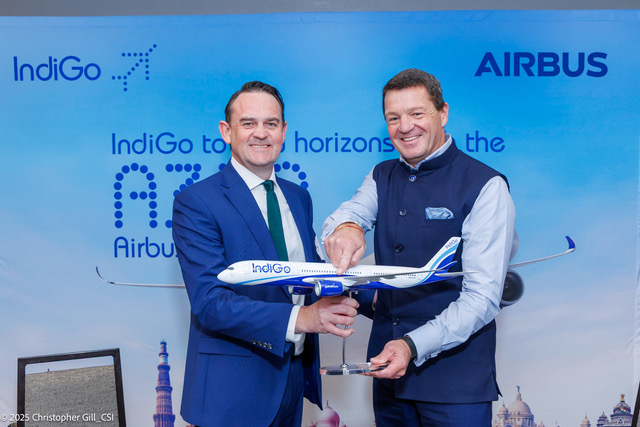
Benoît de Saint-Exupéry, Executive Vice President of Sales at Airbus, could not agree more. “The A350’s unparalleled fuel efficiency, range, and passenger comfort perfectly align with IndiGo’s ambitious growth plans and international long-haul network ambitions. This milestone reinforces our strong partnership with one of the fastest-growing airlines in the world.”
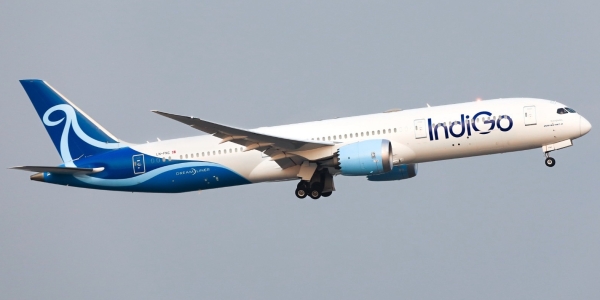
With these widebodies, IndiGo is poised to expand far beyond its current European footprint. The carrier has already initiated long-haul operations using damp-leased Boeing 787-9s to Manchester and Amsterdam, with new routes to Copenhagen, London, and Athens launching soon. The A350s will extend that reach—enabling nonstop flights from India to the Americas and Australia, routes currently dominated by Air India, Emirates, and Qatar Airways.
Industry observers expect IndiGo to tap diaspora-heavy destinations such as Toronto, Newark, and Melbourne, while exploring high-yield leisure markets like Rome, Zurich, and Singapore. The A350’s range and fuel efficiency will provide IndiGo the flexibility to serve both established hubs and emerging routes in Latin America, Africa, and the Pacific.
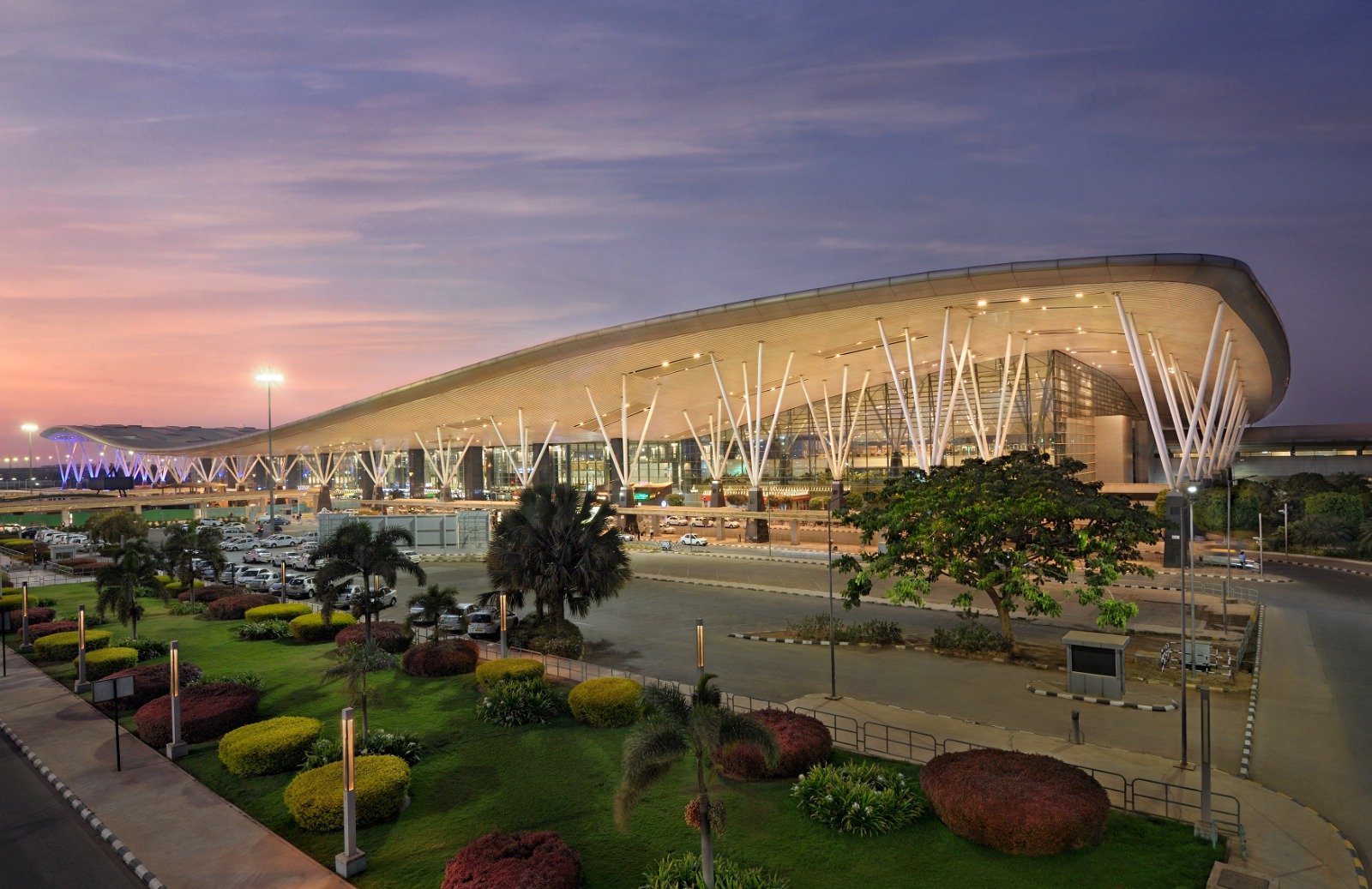
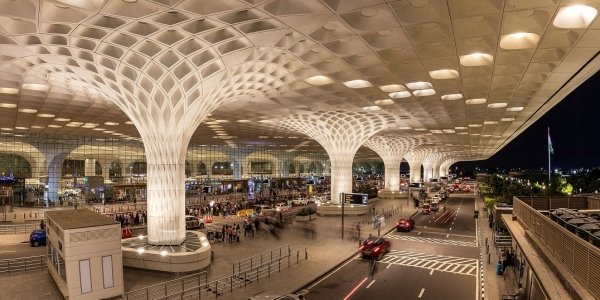
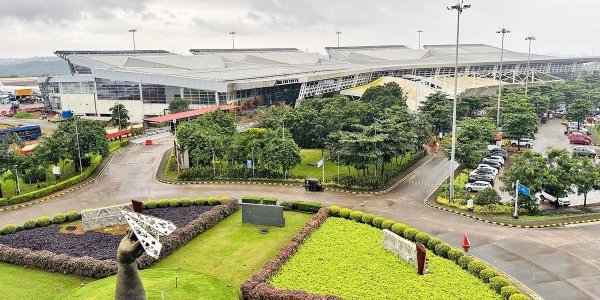
India is today the world’s third-largest aviation market. With airport modernisation underway at Delhi, Mumbai, Bengaluru, and Hyderabad—and new hubs like Navi Mumbai and Noida nearing launch—IndiGo’s international push synchronises with the government’s plan to make the country a global aviation powerhouse.
Having mastered operational consistency and cost control across a fleet of more than 400 aircraft, IndiGo has already outpaced its competitors domestically. With nearly 900 narrow-body aircraft on order, mostly A320 and A321 variants, the A350 represents a clear shift—from a regional powerhouse to a truly intercontinental airline.
IndiGo’s long-haul journey will not be without turbulence. Launching intercontinental services is both an opportunity and a test of resilience. Low-cost carriers such as AirAsia X and Norwegian have learned that balancing fuel prices, crew costs, and passenger expectations can be challenging on ultra-long-haul sectors.
IndiGo’s success has been built on high aircraft utilisation and quick turnarounds—efficiencies that are harder to maintain on flights lasting 14 hours or more. Its A350s are expected to feature a two-class layout, with a modest premium cabin and dense economy seating, allowing IndiGo to adapt its low-cost DNA for long-haul markets without reinventing its identity.
All IndiGo A350-900s will be powered by Rolls-Royce Trent XWB-84 engines—the same model that powers fleets at Qatar Airways, Singapore Airlines, and Cathay Pacific.
The engine is regarded as one of the most fuel-efficient in service, delivering up to 25 per cent lower fuel burn than previous-generation engines and certified for up to 50 per cent sustainable aviation fuel (SAF) blends.
However, the worldwide record does display some warning signals. In 2024, Malaysia Airlines found a “potential issue” with a high-pressure fuel hose on a Trent XWB-84 engine, which was averted quickly after a check. At the same time, the European Union Aviation Safety Agency, in response to an in-flight engine fire, issued an emergency directive. However, the incident in question was the heavyweight Trent XWB-97 engine on the A350-1000, not the -900 variant. The regulators have since stated that it was not necessary to extend the directive to the XWB-84 fleet.
Although the events were only singularly and geographically separated, they still, however, point to the necessity of the closest attention and care of the maintenance staff. In a situation like this, the Rolls-Royce TotalCare program and planned MRO partnerships with IndiGo will surely be instrumental in ensuring reliability and maximum operational hours of the fleet as the airline’s long-haul activities increase.
The A350’s lightweight composite design and aerodynamic efficiency are expected to reduce IndiGo’s per-passenger emissions significantly. The type’s compatibility with SAF aligns with India’s growing emphasis on greener aviation, and IndiGo’s future A350 operations may pioneer sustainable fuel use in South Asia.
“The combination of the mission capability of these aircraft and the performance of the Trent XWB engines will enable IndiGo with enhanced operational flexibility and strategic optionality as it enters a new phase of growth,” the airline noted.
Despite optimism, the transition to wide-body operations presents structural challenges. Route extensions require a lot of money and are greatly affected by the price of fuel in the world market, the value of the currency, and the agreements for air services between two countries.
However, the advantages are just as significant. The A350-900s will enable IndiGo to go around the usual Middle Eastern hubs and thus offer direct India-West and India-Pacific connections. Indian travellers will have shorter journeys and fares at par with the market; the airline will be able to enter those markets where foreign carriers have been monopolising for a long time.
IndiGo’s decision to double its A350 order is more than just an increase in the airline’s fleet – it is a statement of the company’s future. The company is making a huge bet on the future of India’s global connectivity while at the same time using its efficiency as a trademark to re-establish what a low-cost carrier is capable of achieving on the world stage.
As Elbers pointed out: “These aircraft will play a pivotal role in enabling IndiGo to expand its reach, connect India with more destinations across the globe, and offer our customers new international travel opportunities.”
If executed well, the A350 era could transform IndiGo from a regional giant into a global standard-bearer for India’s aviation resurgence.
Also Read: IndiGo Turns Norse Atlantic’s Struggles Into a Long-Haul Opportunity