






SkyWest Flight 6469: Panic at 15,000 Feet Brings 9/11 Memories Back to US Skies

- Emergency return to Omaha: SkyWest Flight 6469, flying from Omaha to Los Angeles, was forced to turn back shortly after takeoff due to a communication failure between the cabin crew and the pilots.
- Cockpit confusion sparks alarm: When flight attendants knocked on the locked cockpit door to alert the pilots, the crew misinterpreted it as a possible hijack attempt, triggering heightened security concern.
- Glitch behind the chaos: The cause was traced to a static noise from an intercom system that had been accidentally left on, leading the pilots to believe someone was trying to break in.
- Safe landing and deeper lessons: The aircraft landed safely without injuries, but the episode underscored the vital importance of cockpit communication and training, reviving haunting memories of 9/11.
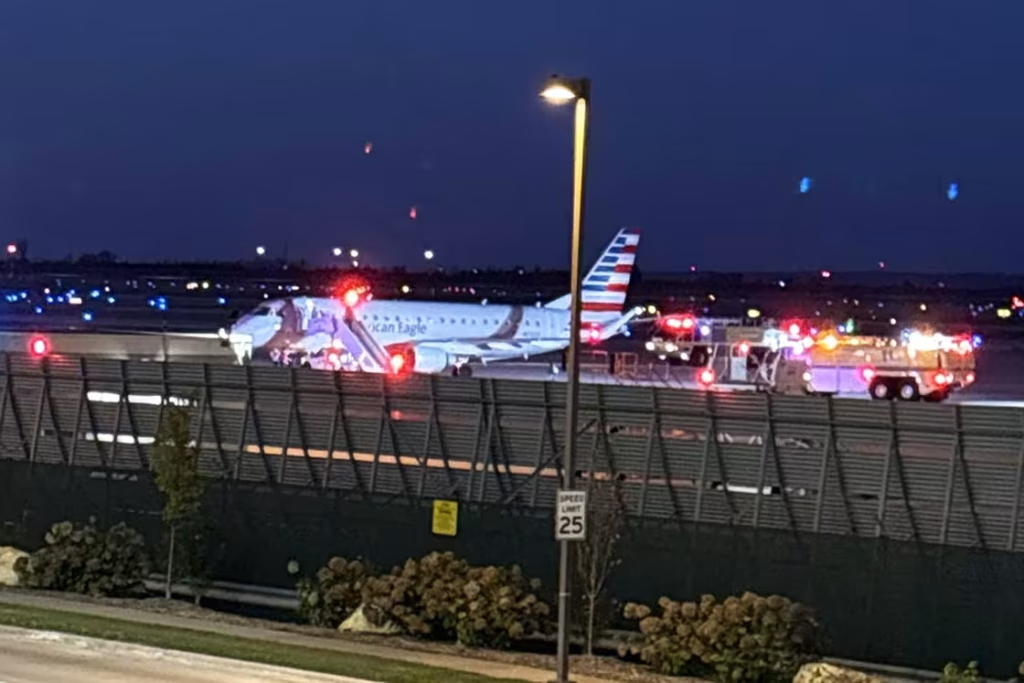
Barely 36 minutes after taking off, US’ SkyWest Airlines routine evening Flight 6469 from Omaha to Los Angeles took a sudden turn into a nerve-wracking ordeal on October 20, 2025, when it was forced to return to Omaha just 36 minutes after departure.
The incident, sparked by a communication glitch, briefly brought back fears reminiscent of the harrowing days of September 11, 2001.
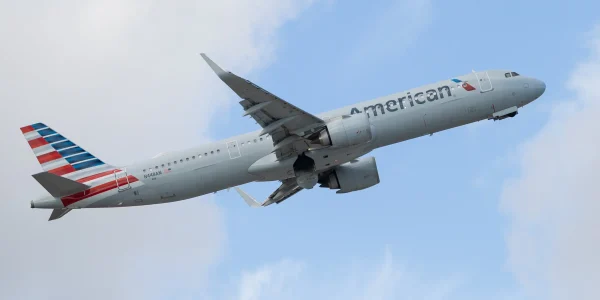
Flight 6469, an Embraer ERJ-175 operating for American Airlines, had left Eppley Airfield at 6:41 PM local time, carrying 75 passengers and crew. Eighteen minutes into the flight, as the aircraft climbed through 15,000 feet over rural Nebraska, cabin crew members realised they could not reach the pilots via the interphone system. What should have been a routine in-flight check suddenly spiralled into uncertainty.
The crew made attempts to establish communication but could not get through. The lead flight attendant, following protocol for communication failure, made the rare decision to knock on the cockpit door—a measure intended to alert pilots when technology fails. But the sequence of events that followed was a succession of misunderstandings.
The noises of knocks at the door and interference over the intercom made the pilots on board think that people might try to enter the cockpit by force. The reinforced cockpit doors, a post-9/11 security measure, were designed precisely to prevent unauthorised entry, but in this instance, they amplified the panic. Not being able to verify communication and the unexpected sounds of knocking led to an acute sense of panic, causing the crew to respond as if the situation was a hijacking. Within minutes, the decision was made: the aircraft would turn back to Omaha.
Passengers onboard captured the confusion in real-time. “We weren’t sure if something was going on with the airplane, so that’s why we’re coming back here,” the captain announced after landing, attempting to calm the visibly rattled passengers. The emergency landing, executed flawlessly despite the panic, brought the aircraft back to Eppley Airfield at 7:45 PM local time. Law enforcement boarded the plane, further heightening the surreal nature of the event, before it was determined that no security threat had existed.
The noise that disturbed so many people was later found to have been caused by a simple technical glitch: the communication system had been left on unintentionally, and that’s why the static noises were produced. The pilots thought someone was trying to break into the aircraft. The crew knocking on the door only contributed to the alarm of the pilots. Luckily, no one was injured and no real danger occurred. However, the incident is a stark reminder of how easily our minds can deceive us especially under most high-stakes situations in aviation.

The event reminded passengers of 9/11. The scaring sight of a flight attendant knocking violently on the cockpit door, the sudden return of the pilots, and the presence of law enforcement so fast caused a sense of dread that they had experienced before. Air transit professionals commented that despite the presence of several layers of safety in modern aircraft, the moments of doubt arising as a result of communication failure could escalate quickly. The FAA has started an inquiry into both the technical system and the procedural response malfunction.
SkyWest and American Airlines assured that after the problem was fixed, the plane was going to continue its trip to LAX. The two airlines have stressed that the passengers’ safety was their first concern, and the quick decisions made by the flight attendants and the pilots were instrumental in ensuring that no real threat came to fruition.
Although Flight 6469’s pilot and crew were able to overcome the challenge with safety, it underscores the necessity for the aviation sector to understand this very point: even the tiniest of technical lapses, when interpreted by a stressed human in a certain way, could result in the kind of panic that reverberates with past disasters. The incident may lead to renewed emphasis on the protocol for communication between pilots, reliability of the intercom, and training for emergency response so that next time if a minor glitch occurs, it wouldn’t cause a wave of terror in the cabin.
Also Read: Ahmedabad Crash Sparks Urgent Rethink of India’s Aviation Safety Standards