















ATR calls for balanced EU climate rules to safeguard regional air connectivity

- Regional airlines operate many of Europe’s most essential but low-volume routes, and they face disproportionate cost and regulatory pressures under new green mandates.
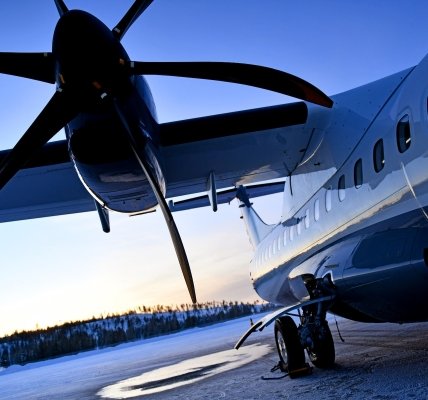
- Modern turboprop aircraft like the ATR 72-600 offer proven low-emission connectivity in places rail or road cannot reach, supporting both climate and cohesion goals.
- Policymakers must tailor aviation decarbonisation measures (fuel rules, SAF access, PSO tender criteria) so that remote regions are not disconnected in the name of sustainability.
As Europe moves ahead with stricter climate rules for aviation, turboprop manufacturer ATR has cautioned EU policymakers that regional airlines—which serve islands, remote communities and low-demand routes—could be disproportionately affected unless rules reflect their reality.
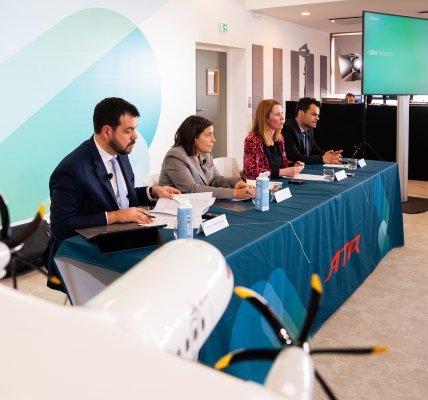
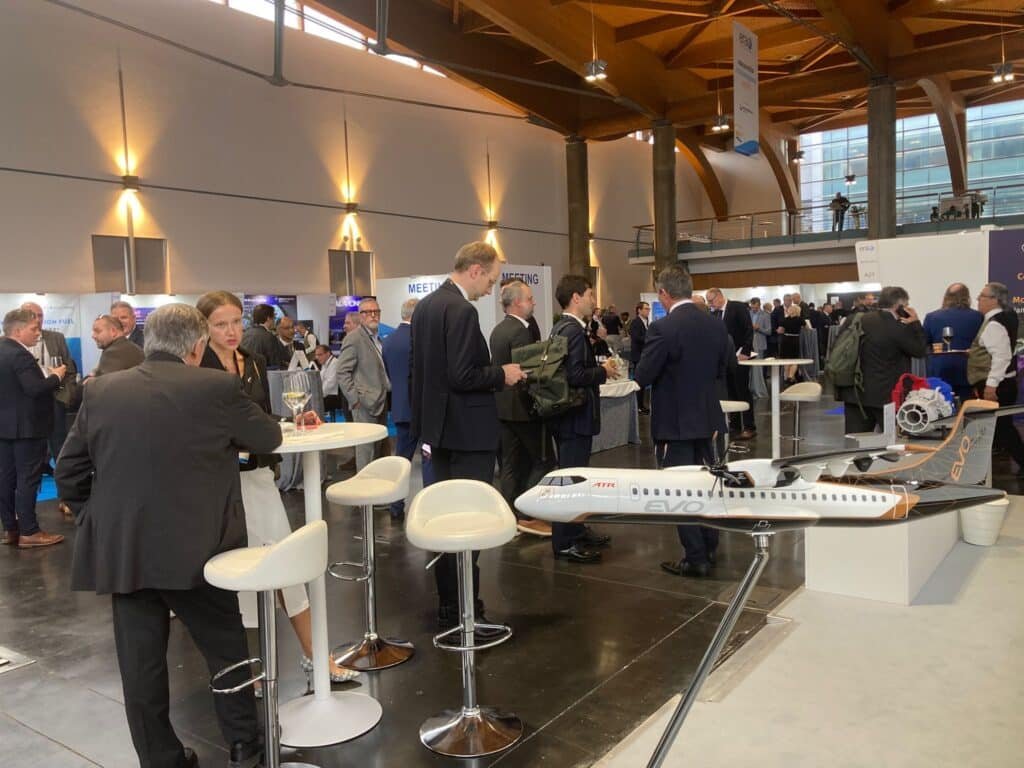
Speaking on the sidelines of the European Regions Airline Association (ERA) General Assembly, the world’s leading turboprop manufacturer called for a “proportionate, inclusive, and performance-based” approach to regulation, cautioning that a uniform application of green policies could unintentionally weaken vital air links.
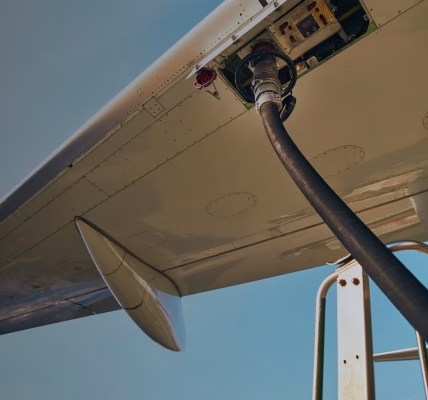
The appeal comes as the European Union begins enforcing its Fit for 55 legislative package, which aims to reduce emissions by 55 per cent by 2030. A key part of that effort is the ReFuelEU Aviation Regulation, which requires fuel suppliers and airlines to blend increasing shares of Sustainable Aviation Fuel (SAF) into every litre uplifted at EU airports—starting at 2 per cent next year and rising to 70 per cent by 2050. The law also introduces an “anti-tankering” rule, compelling carriers to refuel locally rather than flying in cheaper, conventional fuel from outside the bloc.
While these measures are essential to Europe’s climate ambition, ATR argues that their practical impact will fall hardest on regional operators. Smaller carriers typically fly short, low-margin routes, often from airports where SAF availability is still limited. In such cases, compliance costs and operational restrictions could lead to route reductions or even isolation of remote areas.
“Regional airlines are more than just carriers—they’re lifelines,” said Nathalie Tarnaud Laude, Chief Executive Officer of ATR. “They serve the most essential routes and are already leading the way in low-emission aviation. We must protect them, not penalise them.”
Connectivity that rail and road can’t replace
Across Europe, regional airlines perform a task few others can. They connect island communities, mountainous regions and coastal towns where railways are unfeasible and ferry services are seasonal. ATR’s data underline that reality:
- 88 per cent of Europe’s Public Service Obligation (PSO) flights—routes subsidised to ensure essential access, are operated by regional aircraft, and 62 per cent of those are ATR turboprops.
- About 23 per cent of European airports rely exclusively on turboprop aircraft.
- More than 1,000 turboprop routes operate in Europe, of which only two exceed 1 million annual seats—both inter-island routes in the Canary Islands, highlighting that only a very few routes are large enough for high-speed rail to become viable.
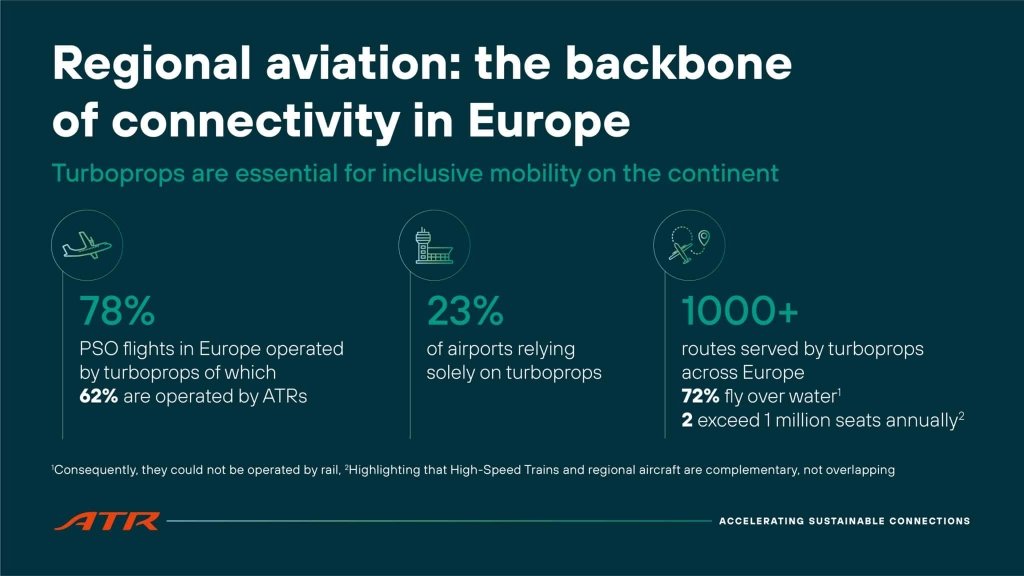
That geography shows why ATR insists turboprops and rail are complementary, not competing. High-speed trains may link major cities, but regional aircraft remain indispensable for smaller markets and islands where there are no tracks to lay. In places such as Norway, Scotland, and Corsica, turboprops are not a niche choice—they are the backbone of mobility.
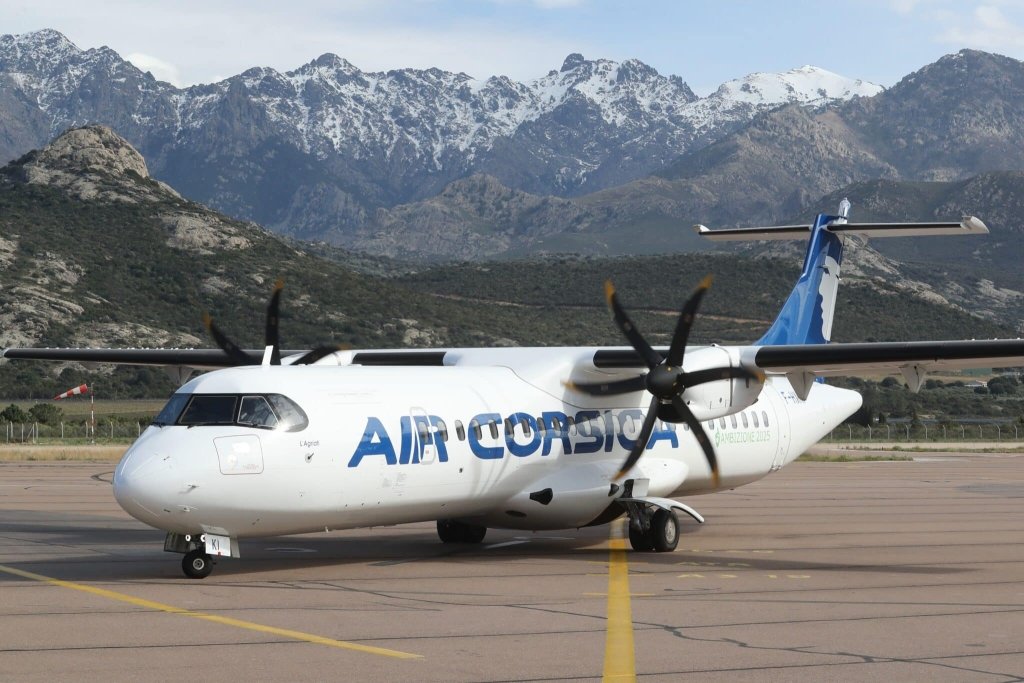
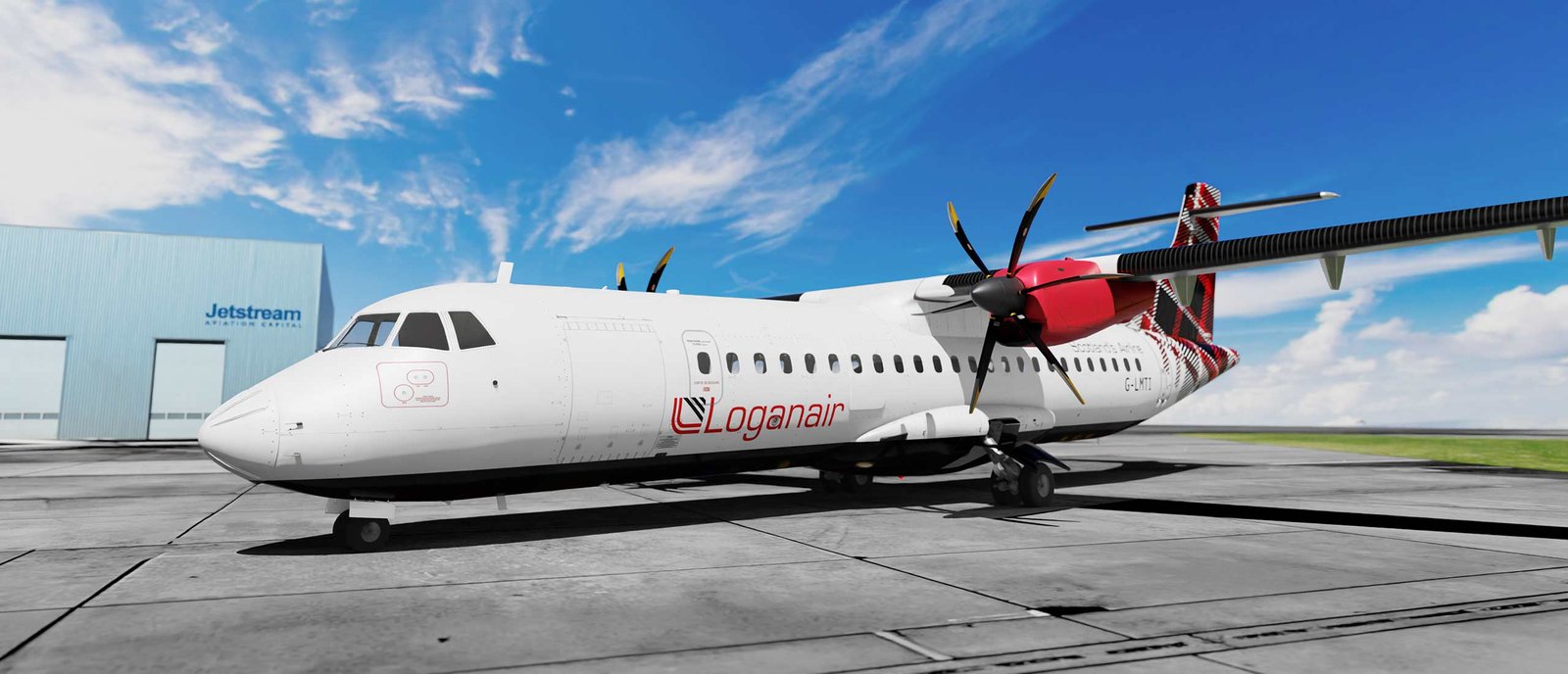
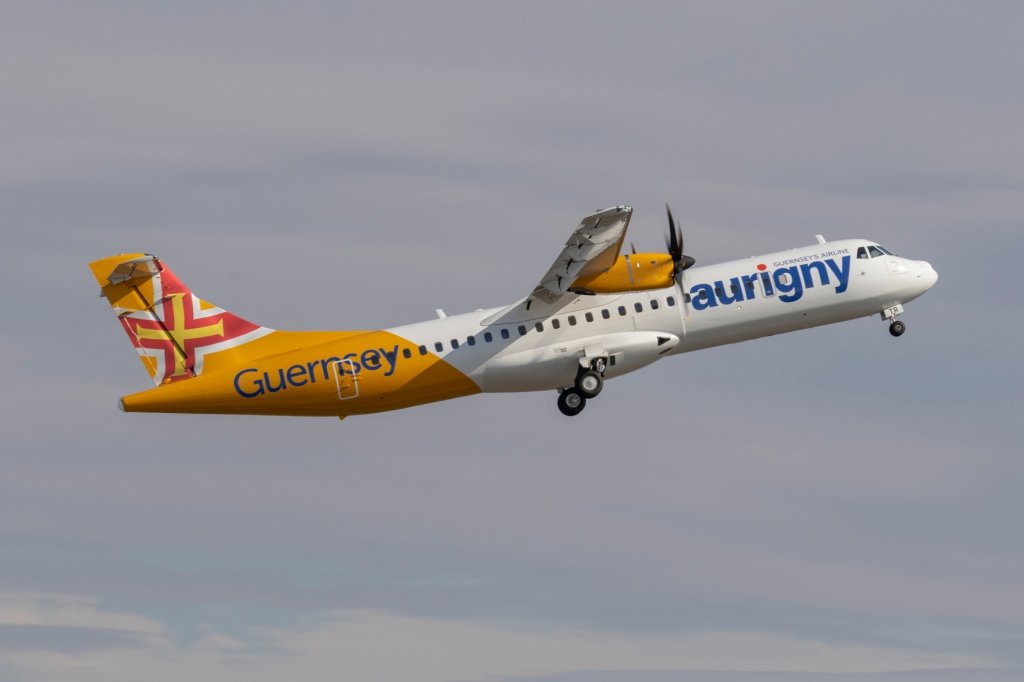
Norway’s Widerøe operates dozens of short-runway flights linking fjordside towns; Loganair’s ATRs and Islanders connect the Scottish isles; Air Corsica’s ATR fleet sustains year-round services between the island and mainland France. For these communities, the aircraft are public utilities in all but name.
Turboprops’ environmental head start
ATR’s case rests on the idea that regional carriers are already doing more with less. The ATR 72-600, its best-known model, emits 45 per cent less CO₂ per trip than comparable regional jets and consumes significantly less fuel on sectors below 500 kilometres.
It is also the first sub-100-seat aircraft to be certified under the International Civil Aviation Organisation’s CO₂ efficiency standard (CS-CO₂)—ahead of the 2028 deadline, when such certification will become mandatory for all new types.
Beyond CO₂, turboprops offer advantages rarely captured in emissions accounting. Because they cruise at lower altitudes, they almost never generate persistent contrails, a major contributor to non-CO₂ climate effects.
EASA and academic studies have shown that these high-altitude contrails can double aviation’s warming impact; regional aircraft operating below those layers therefore bring a built-in environmental benefit that has yet to be formally recognised in regulation.
ATR aircraft are already cleared for 50 per cent SAF use today, and the company aims to certify 100 per cent compatibility by 2030. Earlier this year, it signed an agreement with ATOBA Energy to develop SAF logistics for regional carriers, exploring mass-balance and book-and-claim systems that allow airlines to purchase verified SAF volumes even when physical supply is limited.
“Clean aviation isn’t a buzzword for us,” Tarnaud Laude said. “It’s a programme we’re flying in, with real partners and real impact.”
Hybrid-Electric Path Ahead
The company’s long-term decarbonisation plan ties directly into the EU’s Clean Aviation Joint Undertaking, which funds demonstrator projects for next-generation aircraft.
As part of its Ultra-Efficient Regional Aircraft (UERA) programme, ATR will lead two initiatives—HERACLES and DEMETRA—to test hybrid-electric propulsion, advanced propeller systems and fully electrified onboard architectures using an ATR 72-600 testbed.
The first hybrid-electric flight is targeted for 2030. Clean Aviation estimates that such technology could cut fuel burn and CO₂ emissions by around 30 per cent compared with today’s standards.
If successful, the programme would pave the way for a new regional aircraft entering service in the mid-2030s, combining hybrid-electric systems with 100 per cent SAF capability. For ATR, it is proof that regional aviation can be part of Europe’s climate solution rather than a casualty of it.
Policy fine-tuning, not exemption
In Estoril, ATR laid out five recommendations for policymakers to ensure regional aviation remains viable while decarbonising:
- Apply anti-tankering rules proportionately, recognising that turboprops already consume less fuel.
- Recognise non-CO₂ benefits of turboprops—like fewer contrails—within regulatory frameworks.
- Design PSO tenders around measurable environmental performance (fuel burn, SAF use, non-CO₂ mitigation) rather than propulsion type.
- Double EU funding for civil aviation research in the next Multiannual Financial Framework to accelerate low-emission regional aircraft development.
- Ensure SAF deployment is inclusive and cost-effective, so smaller regional airlines are not excluded by high cost or logistics.
Each of these proposals echoes issues already under discussion in Brussels.
Regional carriers say they support SAF targets but need supply assurance at smaller airports, where infrastructure investment lags behind hubs.
The European Regions Airline Association (ERA) has made similar calls, warning that uneven rollout could “cut connectivity before it cuts emissions.”
The European Commission has started addressing this through subsidy schemes and guarantees for SAF producers, but ATR and its operators want those measures aligned with regional access needs, not just large-airport economics.
Bridging ambition and access
Behind ATR’s appeal lies a broader question for Europe: can it pursue aggressive decarbonisation without compromising cohesion? Regional aviation supports 335,000 jobs, contributes €23.1 billion to Europe’s economy, and carries not only tourists but students, patients and workers who have no alternative means of travel.
About 72 per cent of ATR flights in Europe operate over water, underlining how many routes are irreplaceable. If fuel rules and cost pressures squeeze these operators out, the effect will not be measured only in emissions saved but in communities disconnected.
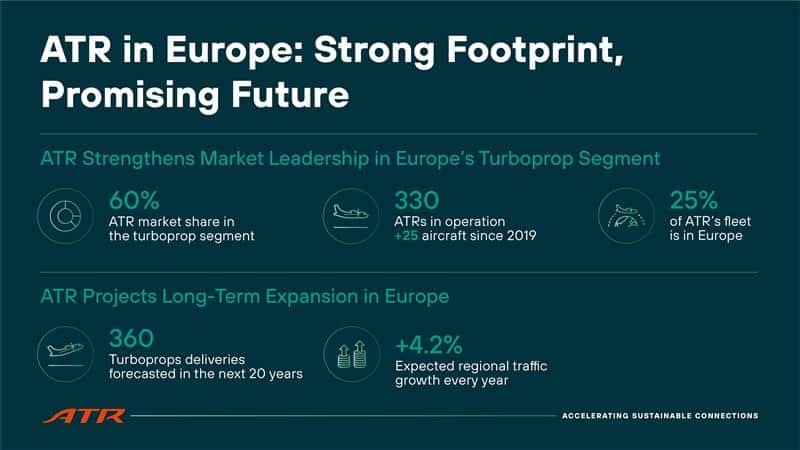
“With 330 aircraft flying across the continent – 25% of our global fleet – we know what a day in the life of a European regional airline looks like. Our operators are building bridges,” says Alexis Vidal, ATR’s SVP Commercial. “They connect people, ideas, and opportunities. That’s the Europe we believe in.”
ATR’s message is therefore less about resisting change than about designing it wisely. With hybrid-electric technology on the horizon and SAF adoption accelerating, the company insists that regional aviation can continue to shrink its footprint—if the regulatory path allows it to survive the transition.
Europe’s challenge now is to ensure that the journey to net-zero skies does not leave its smaller destinations stranded on the ground.
A Parallel for India’s Regional Growth
ATR’s appeal to Europe finds a clear parallel in India, where the twin goals of regional access and sustainable aviation are advancing side by side. India’s UDAN (Ude Desh ka Aam Naagrik) programme has awarded over 1200 routes, of which more than 625 have been operationalised since 2017, connecting smaller towns such as Jharsuguda, Kullu, and Shillong with major hubs.
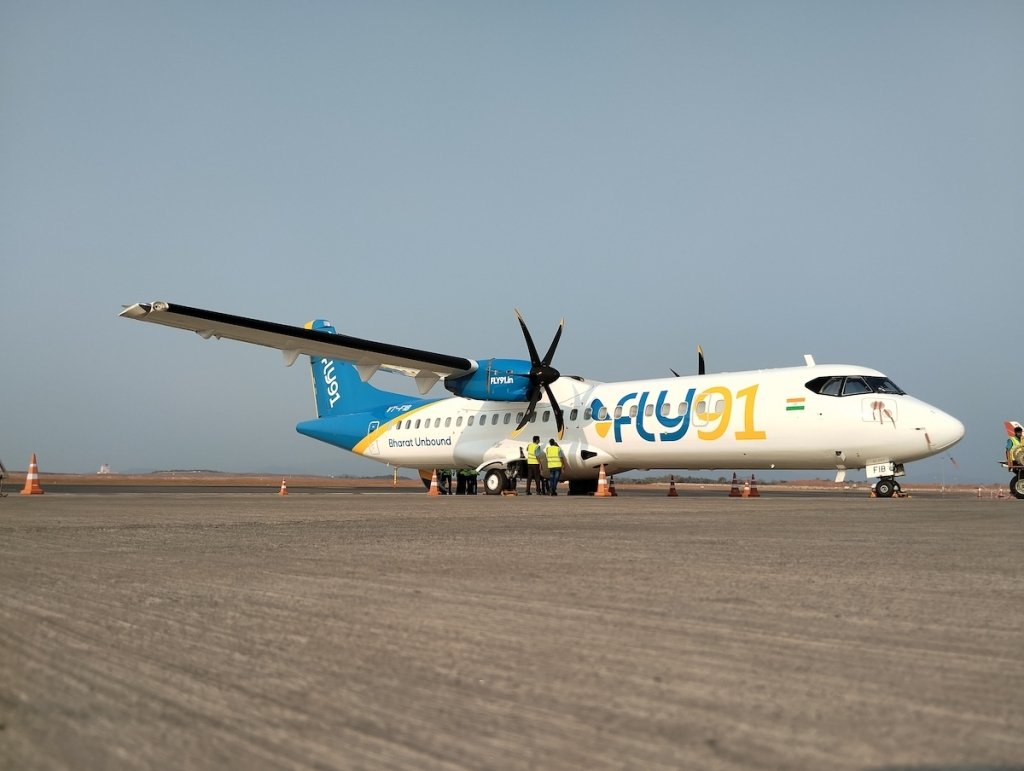
A large share of these flights are operated by ATR 72 aircraft, used by carriers like IndiGo, Alliance Air and FlyBig because of their ability to serve short runways and low-demand sectors at lower operating costs.
ATR has already delivered over 70 aircraft to Indian operators and continues to support local MRO and pilot-training initiatives.
The company estimates that turboprops account for nearly 80 per cent of India’s regional aircraft fleet, mirroring their dominance in Europe’s PSO markets.
India is also testing SAF-blended flights—IndiGo and AirAsia India completed successful SAF demonstrations in 2023—placing the country on a similar path toward greener regional operations.
As India expands air access to smaller cities while pursuing its net-zero emissions targets by 2070, ATR’s message to Europe holds equal weight: sustainable aviation policies must move in step with connectivity goals, ensuring that growth in smaller and remote markets remains both viable and environmentally responsible.
Also Read: SAF Reality Check – Aviation’s Green Gap