















Route Round-Up: IndiGo Lands at Heathrow, China Routes Revive, Gulf & Thailand Drive Growth

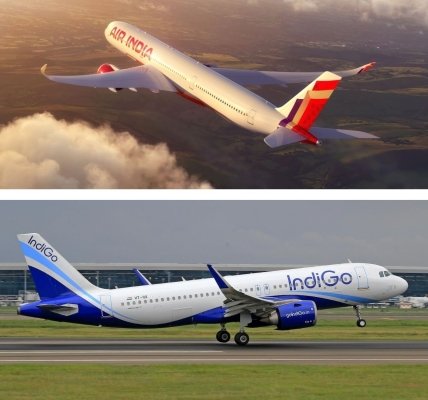
- IndiGo marks its first long-haul entry to Europe with daily Mumbai–London Heathrow flights on Boeing 787-9s, while reopening India–China skies via Kolkata–Guangzhou.
- Air India Express and Akasa Air expand short-haul international reach from Bengaluru and Delhi, adding new Gulf links to Jeddah, Riyadh, Kuwait and Abu Dhabi.
- SpiceJet returns to Southeast Asia with new Phuket routes from Delhi and Mumbai, rounding off one of the busiest weeks yet in India’s winter schedule.
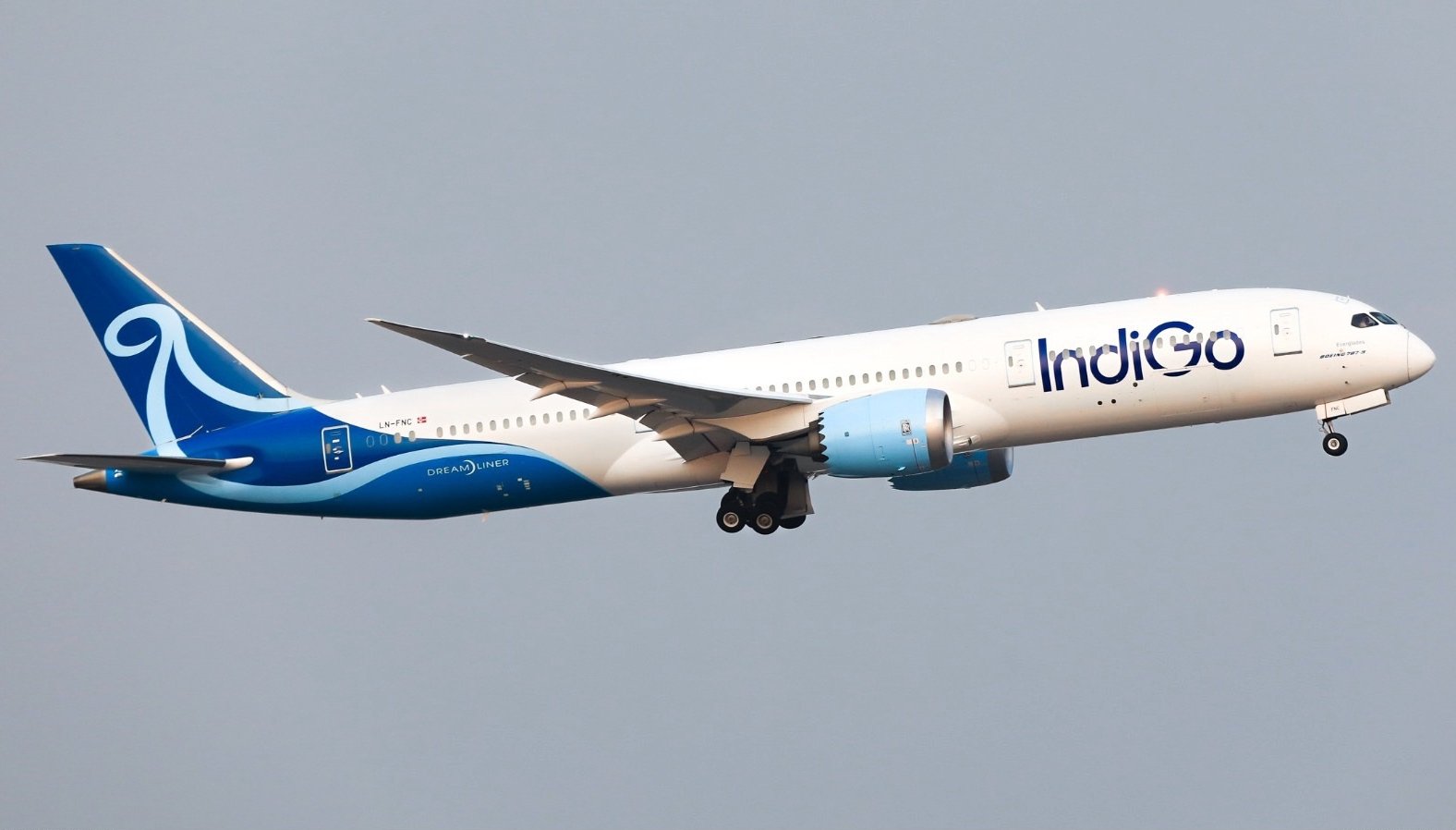
It was a defining week for India’s aviation network — one that blended new international launches with long-awaited resumptions. As the Northern Winter 2025 schedule came into effect, carriers across the spectrum — from full-service giants to low-cost challengers — unveiled fresh routes and strengthened their global footprints across Europe, the Middle East, and Asia. The surge reflected not only seasonal demand but also the country’s deeper integration into global air corridors.
IndiGo leads the charge
IndiGo dominated the week’s headlines with two major launches and a third route announcement, underlining its ambition to become a serious global player.
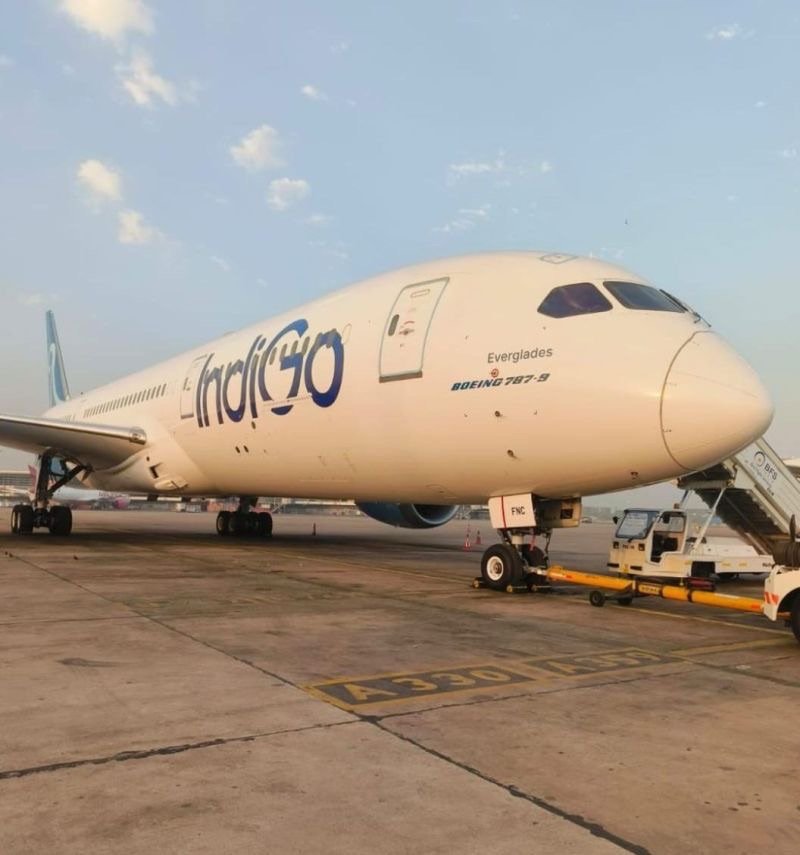
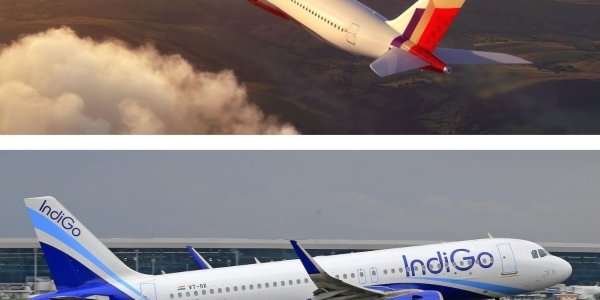
Mumbai–London Heathrow took off on October 27, marking IndiGo’s first daily long-haul service to Europe’s busiest hub.
Operated by Boeing 787-9 Dreamliners in a dual-class layout (Economy and “IndiGoStretch” business product), the new flight departs Mumbai at 14:45 and lands at Heathrow at 19:20 local time.
The return leaves London at 21:30 and arrives in Mumbai at 11:45 the next day. The move places IndiGo in direct competition with Air India, Vistara, and British Airways on one of the world’s densest long-haul corridors.
Barely hours before, IndiGo restored direct India–China connectivity after a five-year suspension. Flight 6E 1703 from Kolkata to Guangzhou departed late on October 26, arriving the next morning in southern China. The daily Airbus A320 service re-opens a vital corridor for exporters, students and medical travellers. Building on that, IndiGo has already announced Delhi–Guangzhou daily flights starting November 10, closing the gap in North India’s access to mainland China.
The airline capped the week with a Middle East addition: a new Bengaluru–Riyadh route, announced October 30 for launch on November 16. The five-times-weekly link will make Riyadh IndiGo’s fourth Saudi destination after Delhi, Mumbai and Hyderabad, using late-night Airbus A320 departures that serve both corporate and project-market traffic from southern India.

Photo: IndiGo
By diversifying across Europe, China and the Gulf, the airline is positioning itself as India’s first low-cost operator to sustain a truly global footprint while retaining its efficiency-driven DNA.
Air India and Air India Express adjust for growth
While Air India did not announce any new routes this week, its winter expansion plan unveiled earlier in October continues to shape upcoming capacity additions — including frequency increases on Delhi–Kuala Lumpur and Delhi–Denpasar (Bali) effective in November and December.
The airline is also inducting additional refurbished A320neo aircraft and reconfigured widebodies into its regional fleet as part of the ongoing Vihaan.AI transformation programme aimed at improving cabin consistency and reliability.
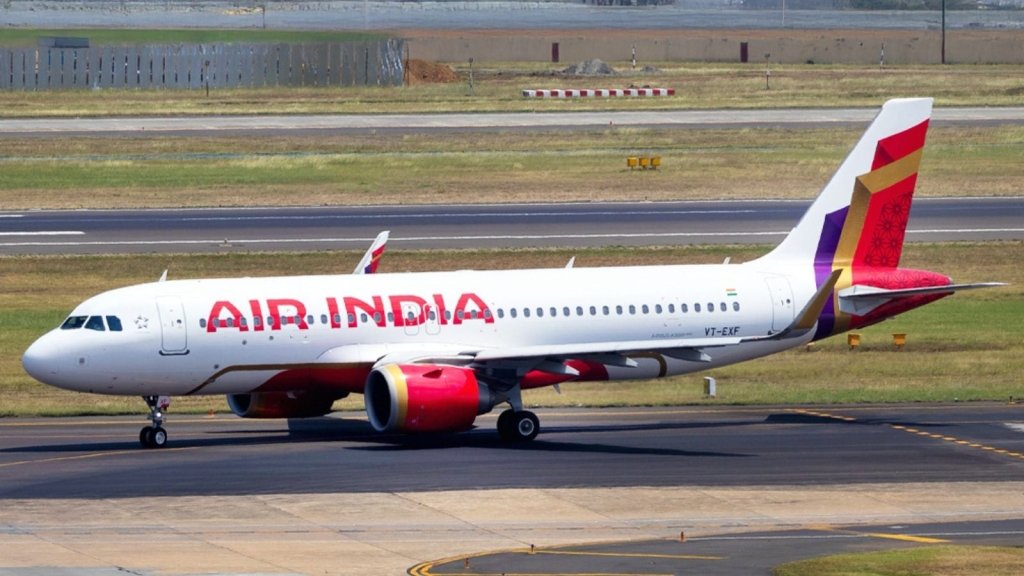
Subsidiary Air India Express, now operating under a unified low-cost brand, widened its Gulf network from Bengaluru with three new routes launched between October 26 and 27 — Jeddah, Riyadh and Kuwait. These direct flights enhance southern India’s connectivity to Saudi Arabia and the wider GCC, reducing dependence on India’s western gateways such as Mumbai and Kochi.
According to an airline spokesperson, “The expansion from Bengaluru marks the start of a new phase for Air India Express — one that brings South Indian cities directly onto the global map through affordable, non-stop connections.”
SpiceJet eyes Thailand’s beaches
SpiceJet re-entered the Southeast Asia leisure market with back-to-back launches to Phuket, Thailand’s most-visited island.
The Delhi–Phuket service began on October 31, while the Mumbai–Phuket service follows on November 6. Both operate daily under the airline’s Winter 2025 schedule, complementing existing Bangkok flights and targeting India’s surging outbound leisure demand.
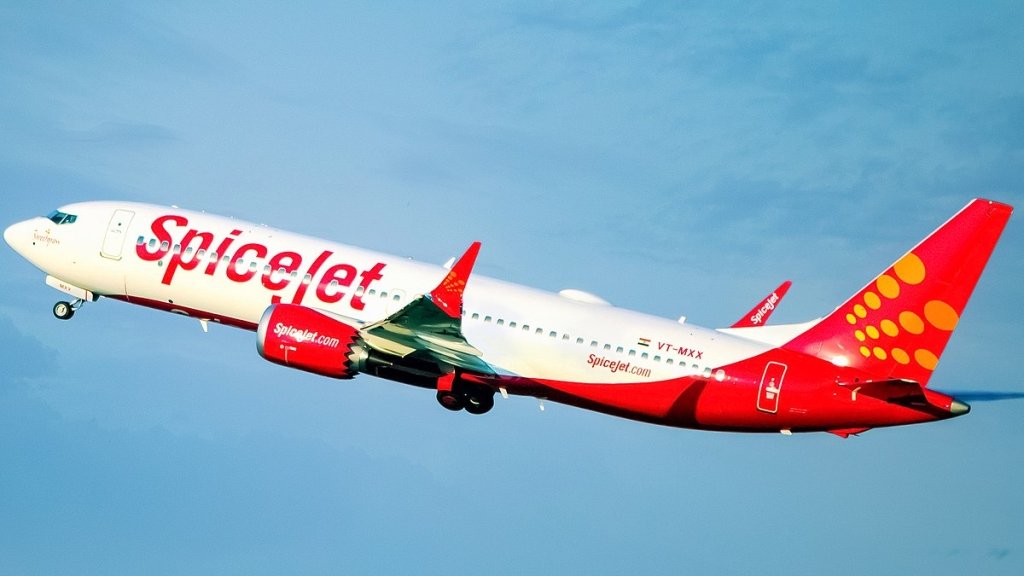
In a statement, the airline said: “With Thailand among the most preferred short-haul destinations, these flights will make travel easier and more affordable for Indian travellers.” The twin launches also mark SpiceJet’s return to international expansion after months of domestic consolidation, signalling renewed confidence in fleet deployment and network stability.
Akasa Air’s international momentum builds
Fast-growing Akasa Air strengthened its international presence as the winter schedule took effect on October 27. The airline named Delhi its third operational base and expanded Gulf connectivity with non-stop Abu Dhabi–Cochin and Abu Dhabi–Chennai services.
It also increased Jeddah operations to 26 weekly flights — a 270 per cent rise over Winter 2024 — and lifted Riyadhfrequency to five weekly. Abu Dhabi departures rose 14 per cent as the airline signalled future plans for Sharjah and evaluated new destinations in Kenya, Ethiopia, Egypt, Kazakhstan and Uzbekistan.

An Akasa Air spokesperson said the carrier “remains committed to connecting new global markets that align with India’s trade, diaspora and tourism flows.” The expansion also cements Akasa’s reputation as India’s youngest airline to build a sustainable Middle East footprint within two years of launch.
China Eastern restores Shanghai–Delhi
Across the Himalayas, China Eastern Airlines confirmed its return to India with Shanghai (Pudong)–Delhi non-stops starting November 9. The airline will begin with three weekly A330-200 flights (Wednesday, Saturday, Sunday) and increase to five weekly from January 2, 2026.
This marks the first Chinese-operated passenger service to India since 2020, following a gradual diplomatic and regulatory thaw. Alongside IndiGo’s new Guangzhou pairings, the resumption is a significant step toward normalising Asia’s aviation flows.
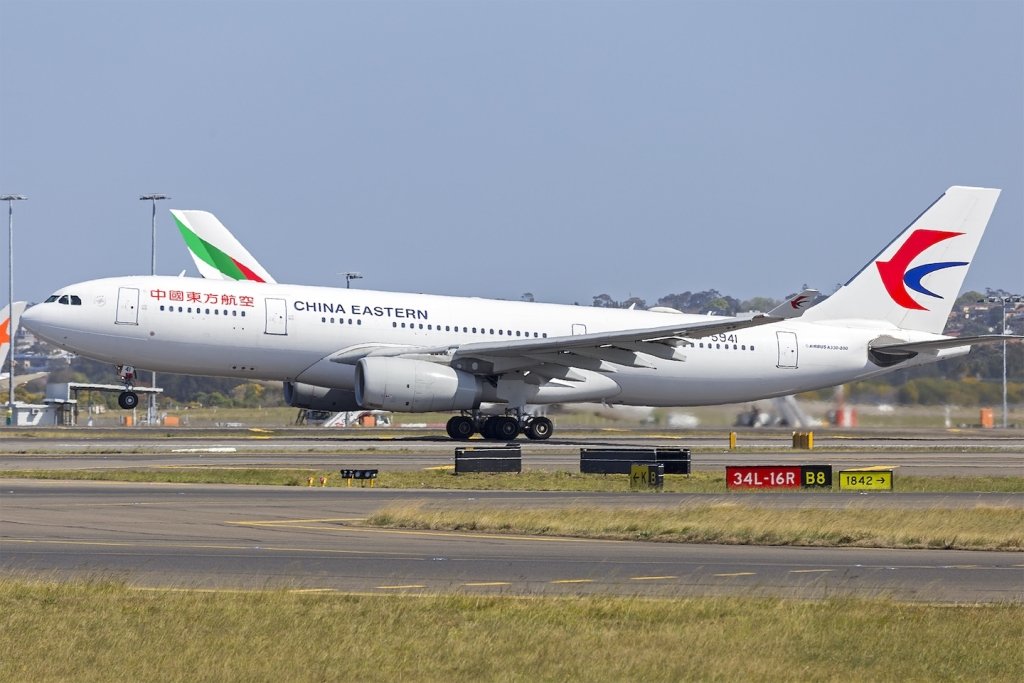
In a Shanghai statement, China Eastern called the Delhi route “a milestone in restoring cultural, economic and tourism exchanges between the two countries.” The timing precedes the Lunar New Year travel season, when outbound Chinese demand traditionally peaks.
Saudi LCC flyadeal sets sights on India
Low-cost Saudi carrier flyadeal, a subsidiary of Saudia, confirmed that it will begin services to India in the first quarter of 2026. The airline plans to start with Mumbai as its initial gateway before expanding to four to six Indian cities during its first year of operations.
flyadeal will use its Airbus A320neo fleet and operate from key Saudi bases — Riyadh, Jeddah, Dammam, and Medina — to serve both business and religious travel segments.
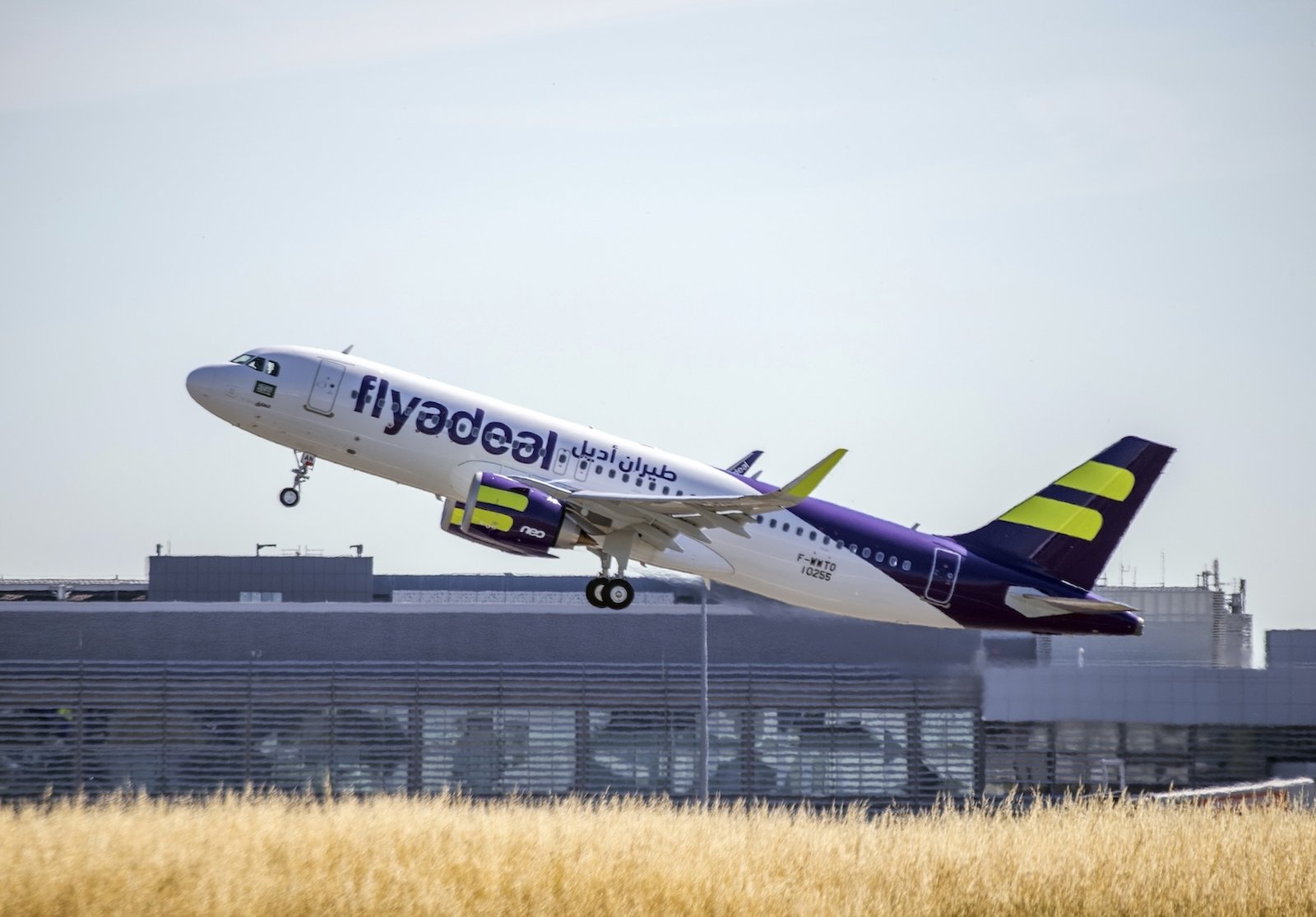
Chief Executive Officer Steven Greenway said India is “a natural next step,” adding that the new routes will support growing bilateral demand and Saudi Arabia’s Vision 2030 goal of tripling tourism arrivals to 150 million annually.
Looking ahead
With additional route launches through November — including IndiGo’s Delhi–Guangzhou and Bengaluru–Riyadh services — India’s international map is set to widen even further.
Industry projections indicate that international seat capacity will grow 11–13 per cent year-on-year through FY 2026, driven largely by Middle East and East Asia routes. The resumption of China services alone could restore over half a million annual seats, while new long-haul operations, such as Mumbai–London, are positioning low-cost carriers in markets long dominated by legacy airlines. Together, these developments mark a shift from consolidation to expansion — as Indian aviation strengthens its position within the global network.
Also Read: India–China Flights Resume After Five Years, Starting with IndiGo’s Kolkata–Guangzhou Route