








How De Havilland Is Driving India’s Last-Mile Aviation Revolution

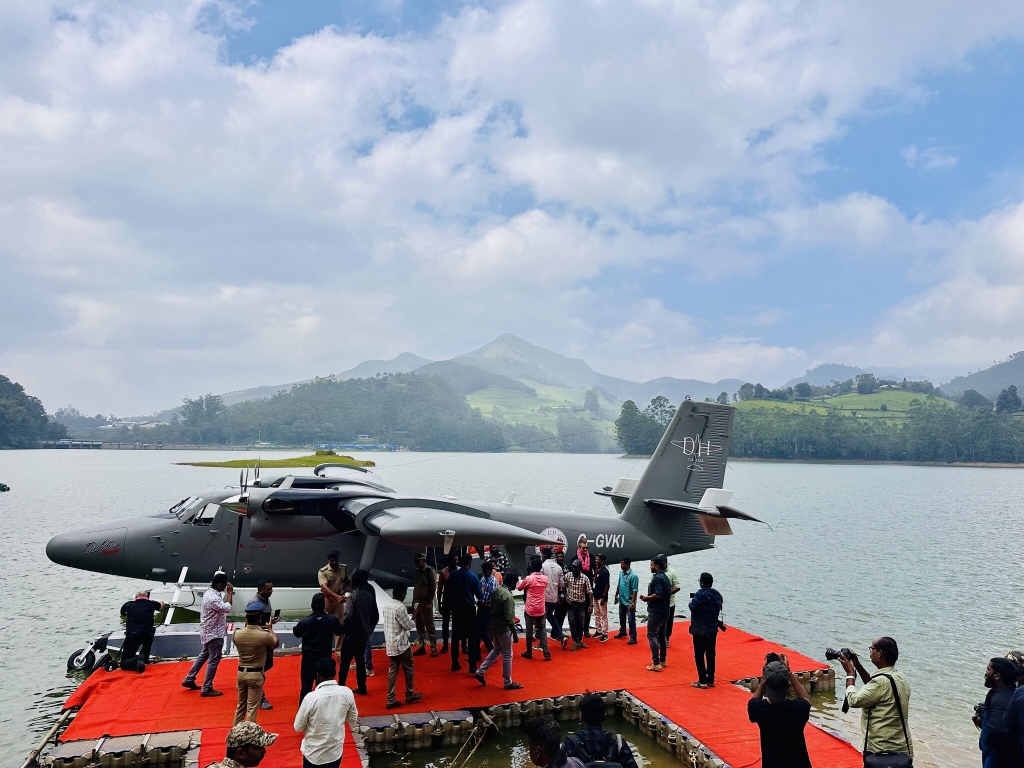
- India will launch its first commercial seaplane service from Kochi in December, signalling a breakthrough in regional aviation and a new phase of connectivity for remote destinations.
- De Havilland’s Twin Otter is emerging as the key aircraft for last-mile access, capable of operating without airports and dramatically reducing travel time to isolated regions.
- Despite regulatory progress and infrastructure development, the sector’s biggest challenge remains financing, with limited access to aircraft funding and continued reliance on UDAN subsidies for route viability.

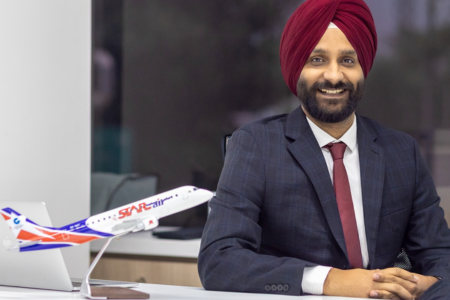
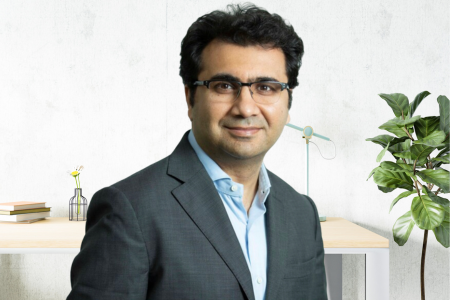
De Havilland is reshaping India’s regional aviation landscape. With over 500 aircraft operating across Asia Pacific and the Middle East, the company sits at the centre of India’s emerging seaplane and last-mile connectivity revolution. Yogesh Garg, Vice President-Sales for Asia Pacific and the Middle East at De Havilland, recently shared insights into how the company is helping unlock connectivity in India and what critical lessons the country must adopt from the Maldives.

Yogesh brings 15 years of De Havilland experience to his leadership of a region that spans Saudi Arabia to the Philippines, and Mongolia to India’s North East.
His vantage point is unique: he sees the full picture of regional aviation, commercial aircraft, seaplanes, and the infrastructure challenges that have long constrained India’s tier-3 and tier-4 cities.
“Over the past two years, I have witnessed remarkable evolution in Indian aviation, and De Havilland has been part of that transformation,” Yogesh explains.
Two years ago, De Havilland partnered with the Ministry of Civil Aviation to tackle seaplane operational challenges. The result: a 10-day demonstration roadshow across diverse water bases throughout India, from high seas and backwaters to dams at 5,000 feet and flowing rivers. Demo flights covered Shillong, Andaman and Nicobar Islands, Lakshadweep, Kochi, and Guwahati.
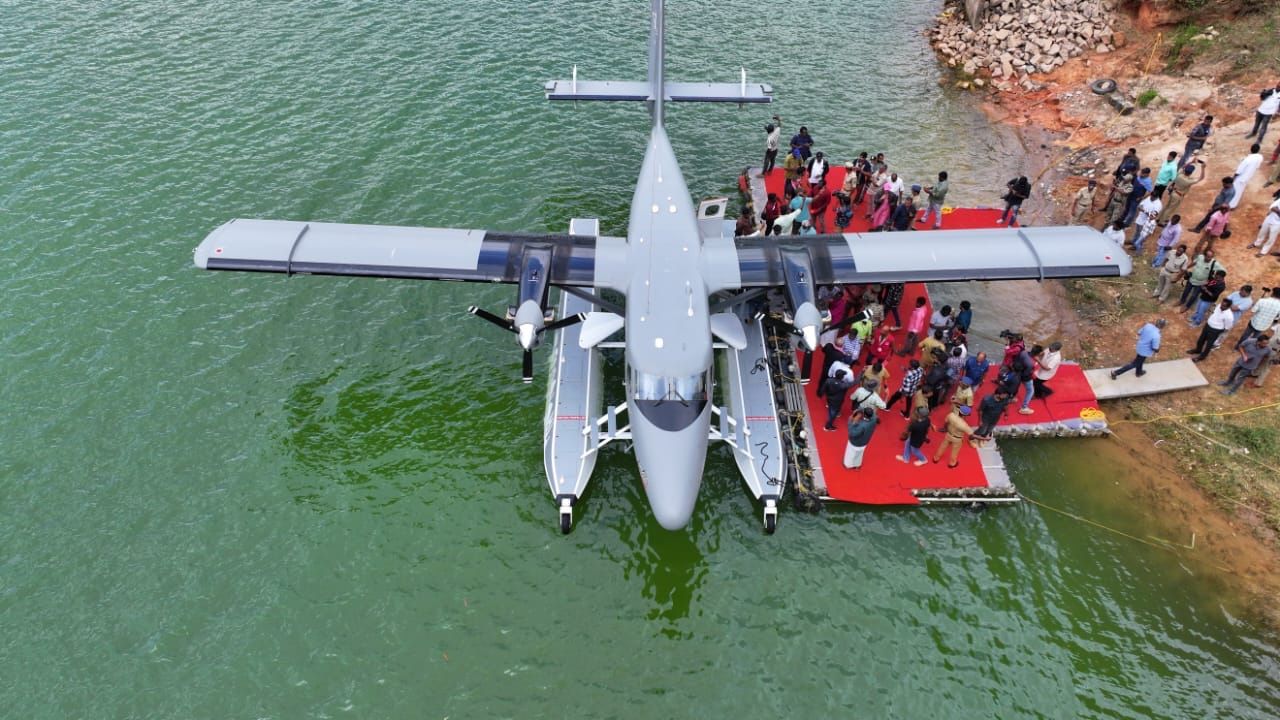
The government’s response was decisive. “The government has been extremely receptive and genuinely committed to bringing about change,” Yogesh observes. Within two years, regulatory changes emerged, new seaplane policies were created, and accelerated engagement with all relevant ministries — the Directorate General of Civil Aviation (DGCA), Bureau of Civil Aviation Security (BCAS), and Airport Authority of India (AAI)– took shape. Most significantly, India’s first commercial seaplane service is about to launch. Skyhop will become the inaugural operator, beginning services from Kochi in December.
This matters because it signals India’s recognition of a critical gap: small aircraft and regional connectivity that had been historically ignored. While policy focused on major routes and larger aircraft, remote areas remained isolated. The Regional Connectivity Scheme (UDAN) helped, but it required aircraft designed for challenging terrain, where De Havilland’s portfolio becomes strategically essential.
Solving Last-Mile Connectivity: The Twin Otter Difference
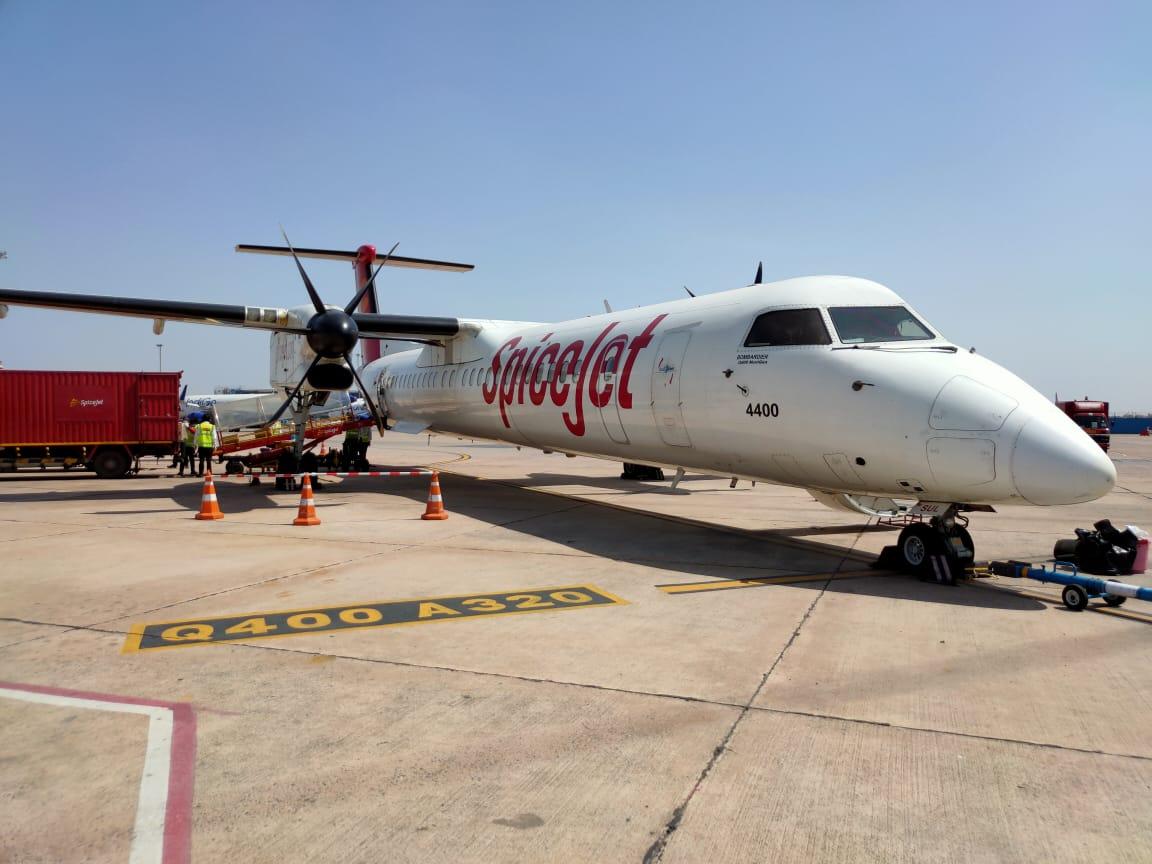
De Havilland’s portfolio spans 9-seater to 90-seater aircraft, covering the full spectrum of regional aircraft. The Dash 8, operating with SpiceJet, connects tier-2 cities on routes requiring 45 minutes to two hours, where load factors stay healthy. But the Twin Otter represents De Havilland’s answer to India’s real connectivity challenge.
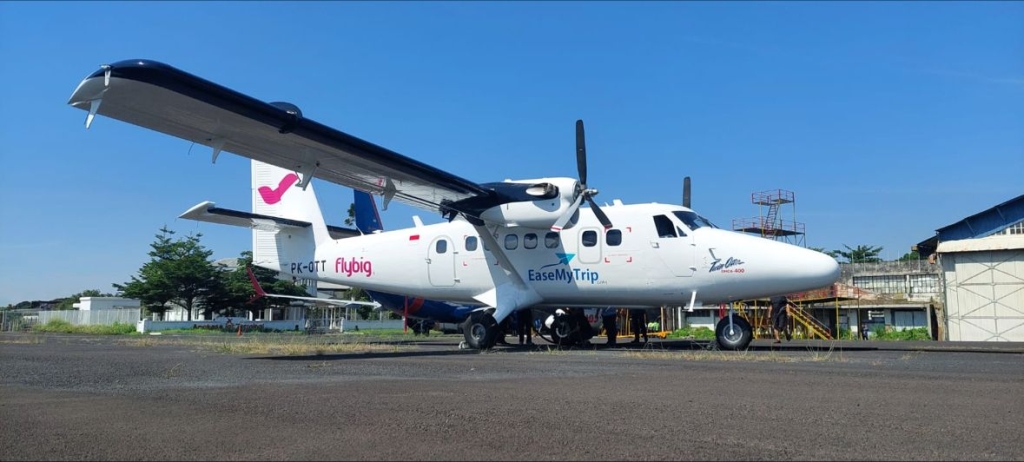
The Twin Otter is striking. It can be configured as an amphibian or seaplane and operates where no other aircraft can. It lands and takes off with a full load on a 450-metre runway. More remarkably, it needs no airport at all: it operates from beaches, marshland, rough terrain, and even unpaved runways, thanks to its large, low-pressure tyres.
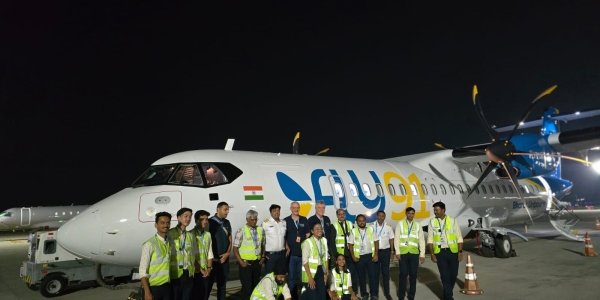
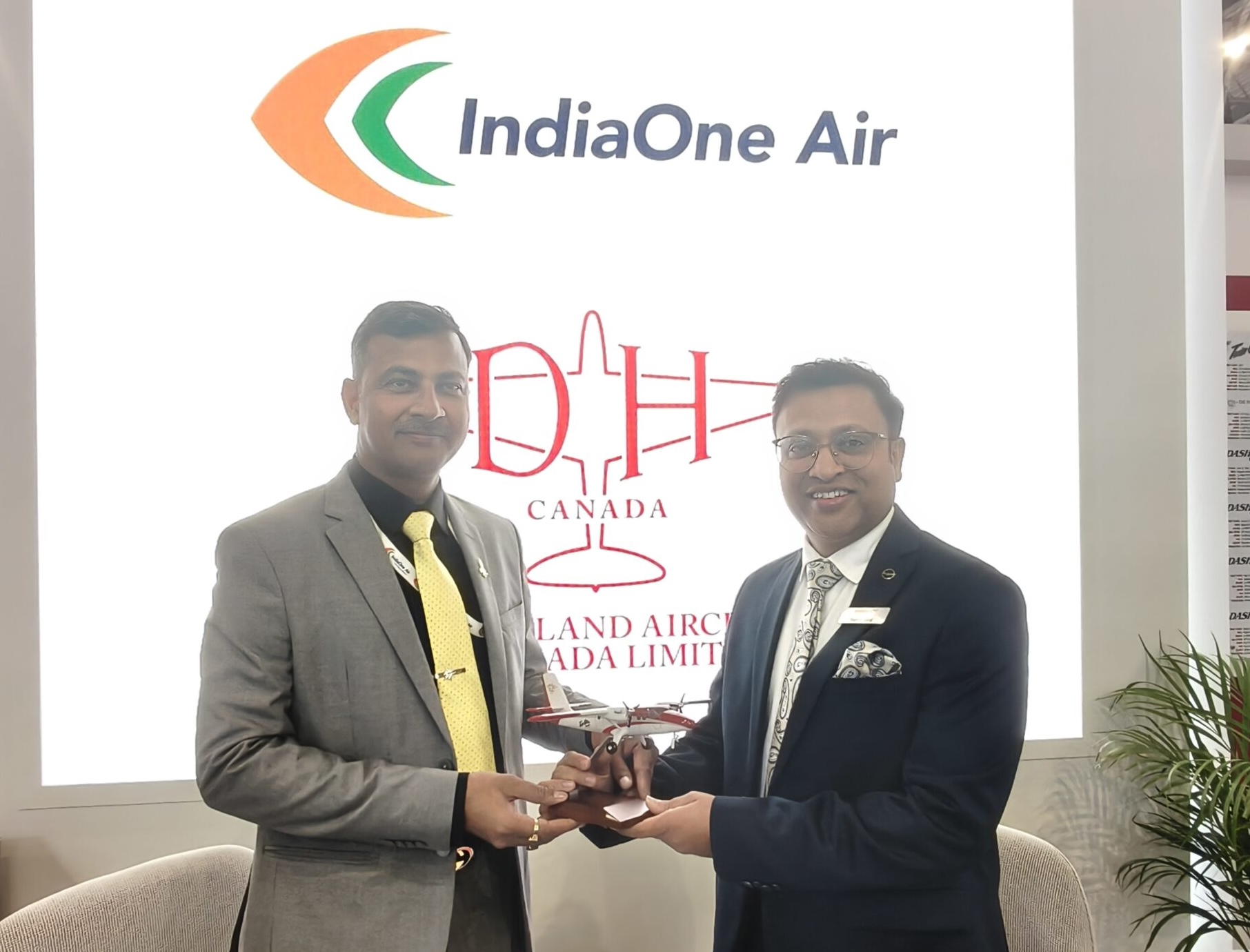
“This aircraft will genuinely transform last-mile connectivity in India,” Yogesh asserts. The market agrees. De Havilland already operates Twin Otters with FlyBig providing regional connectivity. More significantly, IndiaOne Air recently signed a letter of intent for 10 aircraft, a substantial commitment showing market confidence.
India’s current De Havilland fleet: 33 Dash 8s with SpiceJet (some being returned), 4 Twin Otters with FlyBig, 1 Twin Otter with the Airport Authority of India, plus Skyhop’s new fleet. Compare this to the Maldives — a territory far smaller than most Indian states, which operates 118 Twin Otters and 10 Dash 8s. The gap reveals India’s potential.
The Twin Otter’s appeal is practical. It operates independently, without complex ground infrastructure. For remote areas where airport development lags demand, this matters enormously. These aircraft reach places previously inaccessible, turning eight-hour road journeys into 50-minute flights.
More critically, they’re versatile: aircraft lifespan reflects this durability. The De Havilland Beaver has flown for 75 years and is still in operation.
Twin Otters have been flying for 40-50 years. De Havilland’s legacy, with aircraft delivering decades of service in diverse and demanding environments, reflects its commitment to durability, reliability and long-term utility.
De Havilland extends aircraft life aggressively. The Dash 8 initially certified for 80,000 cycles, now operates at 160,000 cycles — double the life.
Maintenance intervals have improved dramatically: heavy checks previously required at 6,000 cycles now occur at 8,000 cycles, a 33 per cent improvement. This approach solves two problems simultaneously: operators save money, and the environmental impact from aircraft disposal diminishes.
A Blueprint for India: How Regulation Unlocked Seaplane Operations
Perhaps the most revealing insight concerns India’s regulatory approach toward seaplanes. India, the world’s third-largest domestic aviation market, initially failed to launch seaplane operations. The turning point came when officials chose genuine learning over pride.
“As an Indian, I am genuinely impressed by how open our government has been,” Yogesh reflects. “Over the past year, we conducted multiple trips with DGCA officials and Indian government representatives to the Maldives, specifically to understand their operational approach.” What they discovered changed everything.
The core issue: regulation. Previously, seaplanes were regulated identically to conventional aircraft, burdened with rules designed for 300-seat airliners. A 19-seater seaplane cannot justify maintaining 30 to 40 personnel. The regulations were fundamentally misaligned with operational reality.
The breakthrough came when authorities recognised seaplanes needed a different classification. “The government has now segregated seaplanes and tailored regulations specifically for this category,” Yogesh explains.
The Maldives showed what was possible. Operating 600 to 900 seaplane flights daily, transporting 5,000 to 6,000 passengers, across 15-minute to 1-hour flights connecting multiple islands, Maldives achieved operational efficiency despite severe resource constraints. Critically, their regulatory procedures balanced safety with practicality, requirements stayed robust, but bureaucracy was stripped away.
“They have broken down every procedure into manageable components,” Yogesh notes. Infrastructure costs exemplify this: The Maldives builds jetties and aircraft parking areas for $10,000 to $15,000; India initially was spending 5 to 10 crores. Today, India builds equivalent infrastructure for 15 to 20 lakhs, a tenfold cost reduction reflecting procedural simplification.
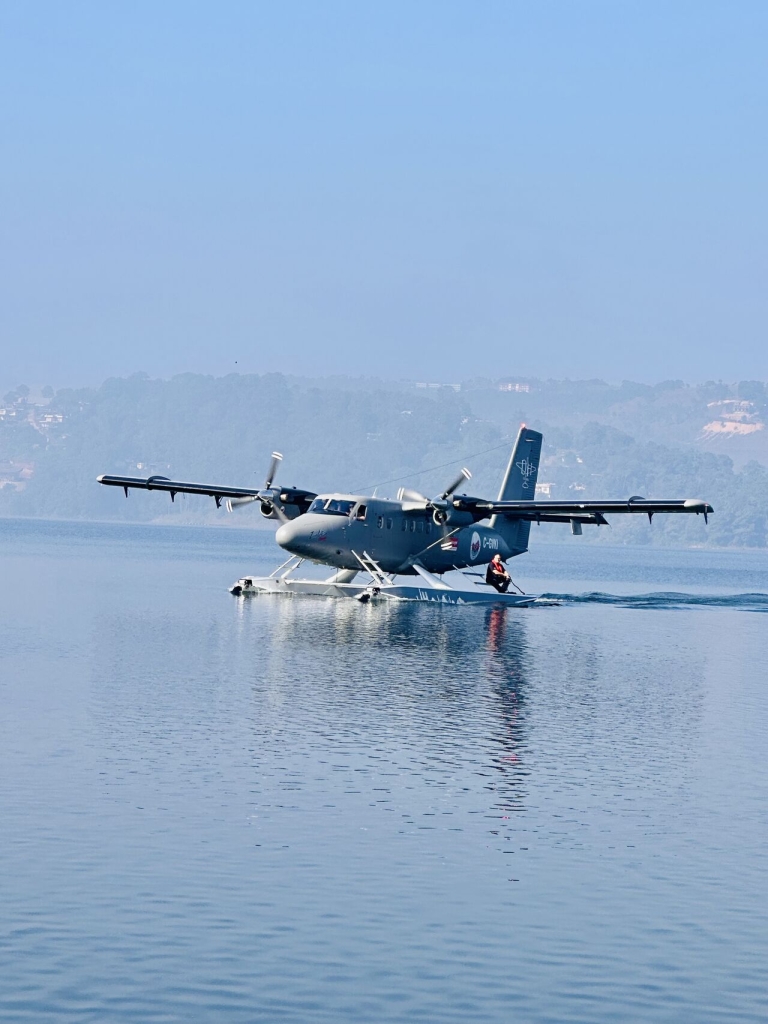
Photo: LinkedIn/Yogesh Garg
Maldives also revealed that properly maintained older aircraft could operate safely, shifting India’s resistance to accepting aircraft beyond 20 years old.
Most importantly, Maldives demonstrated the power of ecosystem cohesion: airports, operators, regulators, and security agencies working together rather than in silos.
Geography reinforces the lesson: India shares the Maldives’ archipelago structure.
Lakshadweep mirrors the Maldives. Connectivity opportunities exist between Kerala and other states, between Ahmedabad and Gujarat. Yet India hadn’t leveraged these advantages until recently.
“Our new regulations are fundamentally shaped by Maldivian best practices,” Yogesh confirms.
This reveals a broader lesson: geographic advantage requires removing regulatory barriers that inhibit rather than enhance safety. The government’s pivot from viewing seaplanes through a conventional aircraft lens to recognising their unique operational needs was transformative.
The Financing Wall: India’s Critical Constraint
Despite regulatory progress, a formidable barrier remains: financing. Yogesh identifies this as the primary impediment to the scaling of regional aviation. Aircraft lessors remain hesitant about the Indian market, though the government is actively working to build their confidence.
The core problem persists: Indian banks don’t finance aircraft. Operators rely on foreign or EXIM banks, a constraint limiting ambition. “There are no dedicated Indian banks aggressively financing aircraft acquisitions,” Yogesh observes. This represents a genuine gap constraining regional aviation growth.
This financing challenge intersects with regional economics. Operators in tier-3 and tier-4 markets face structural headwinds: passengers lack spending power, they cannot currently afford 7,000 to 8,000 rupees per seat.
Government subsidies through UDAN remain essential. “Without UDAN subsidies, regional route viability collapses,” Yogesh asserts.
Subsidies should continue on routes requiring them until markets develop and passenger spending power increases. This economic reality explains why larger operators hesitate to enter this segment: regional routes generate smaller revenues requiring significant operational scale to achieve profitability.
De Havilland projects targeting 40 to 50 Twin Otter aircraft for India over the coming years. Achieving this requires addressing financing alongside regulatory advancement. Supporting infrastructure helps: De Havilland partners with Flying Simulator Training Centre (FSTC) in Hyderabad for pilot training on Dash 8s. Maintenance support comes through GMR Aero Technic and AirWorks. But financing remains the critical constraint.
“Once aircraft begin operating successfully and demonstrating returns, confidence builds,” Yogesh suggests. Lessor participation will grow as operators demonstrate profitability and aircraft recovery viability improves.
Beyond Seaplanes: A Broader Regional Vision
State governments increasingly recognise this opportunity. De Havilland engages multiple states, particularly Andhra Pradesh, which actively promotes seaplane development. De Havilland conducted a demonstration flight from Vijayawada to Srisailam with the Chief Minister and Union Minister aboard, a 50-minute flight that replaced an eight-hour road journey. Same-day Srisailam temple visits become possible via seaplane.
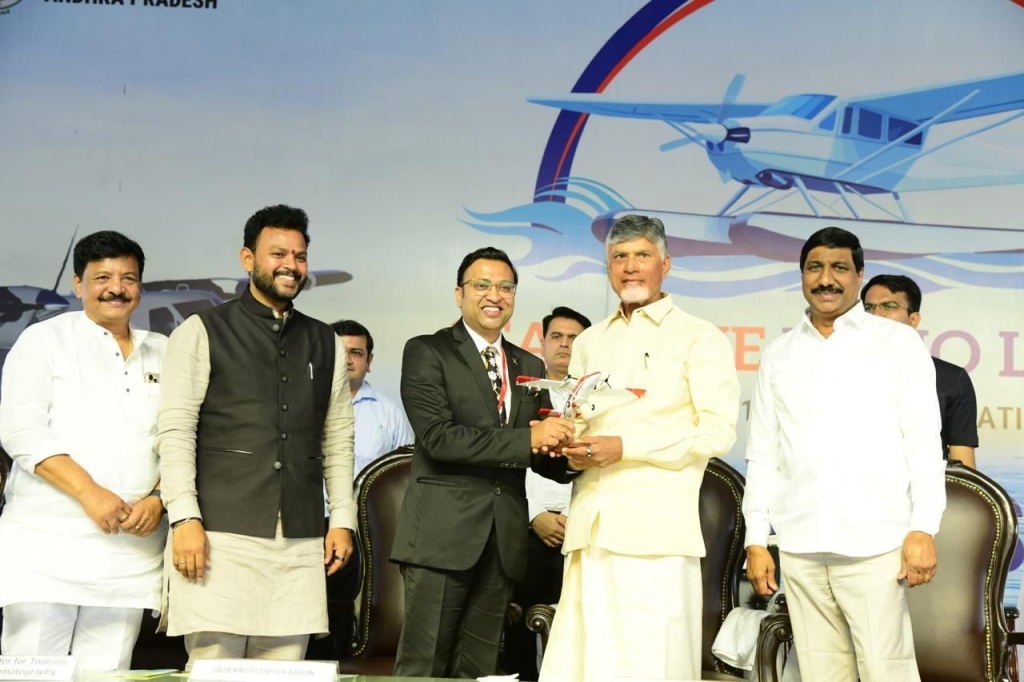
Andhra Pradesh’s government thinks innovatively about leveraging aviation for domestic tourism. Chief Minister N. Chandrababu Naidu highlighted Gandikota, a stunning gorge location virtually unknown to most Indians. Gandikota’s inaccessibility has kept it off the tourist radar. Seaplane access opens India’s hidden gems to Indian travellers.
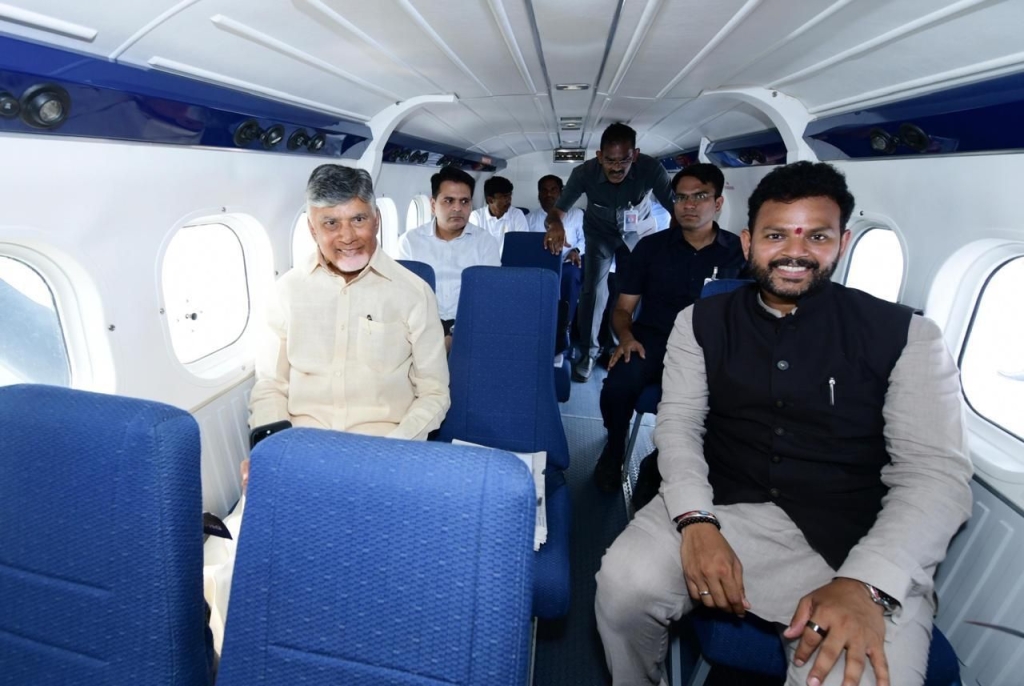
This represents sophisticated state-level thinking: leveraging aviation infrastructure to unlock tourism potential while improving regional connectivity to remote areas.
De Havilland’s expansion in India reveals a broader truth: regional aviation growth requires simultaneous advancement across regulation, financing, infrastructure, and ecosystem cohesion.
Maldives provided the blueprint; India is now executing. Whether the country achieves scale remains to be seen, but the foundation is finally in place.
Also Read: The Return of the Flying Boat: How Jekta’s Hydrogen Vision Could Transform Regional Aviation