














- Increase Lift at Low Speeds: Flaps extend from the wing’s trailing edge to increase wing curvature and surface area, allowing airplanes to generate enough lift while flying slower.
- Aid in Safe Takeoff and Landing: During takeoff, flaps help lift the aircraft off shorter runways at lower speeds. During landing, they allow stable, controlled descent and reduce landing speed.
- Increase Drag When Needed: Extended flaps create extra drag, which slows the airplane during landing and provides better control, while retracted flaps improve efficiency during cruise flight.
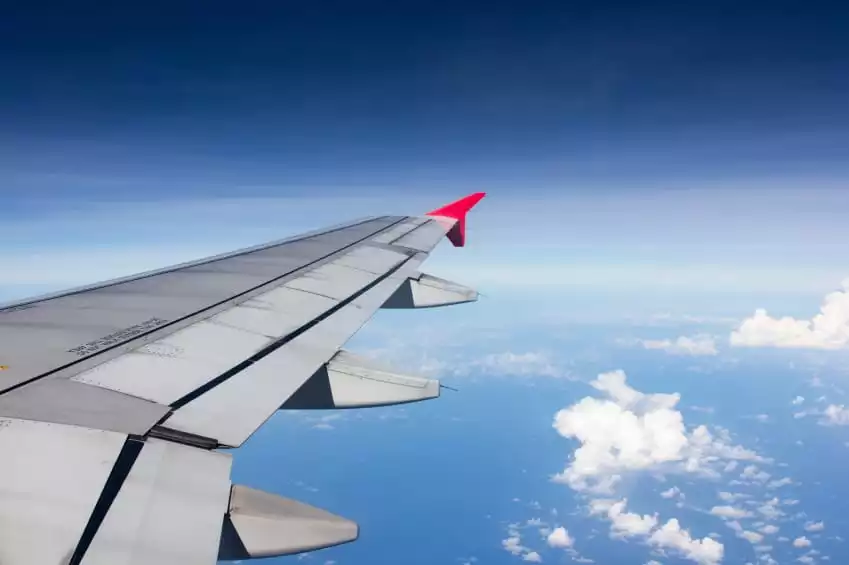
Airplane flaps are an important part of an aircraft’s wing and play a crucial role during takeoff and landing. Many passengers notice flaps moving when a plane is preparing to land or just after takeoff, but few understand why flaps are used. In simple terms, the purpose of airplane flaps is to increase lift and drag, allowing the aircraft to fly safely at lower speeds.
This article explains what airplane flaps are, how they work, and why they are essential for safe flight.
What Are Airplane Flaps?
Airplane flaps are movable surfaces located on the trailing edge of the wings. Pilots can extend or retract them as needed, depending on the phase of flight. When flaps are deployed, they change the shape and surface area of the wing, which directly affects how the air flows over it.
Flaps are mainly used during:
- Takeoff
- Landing
During cruise flight, flaps remain fully retracted.
Main Purpose of Airplane Flaps
The primary purpose of airplane flaps is to increase lift at lower speeds. Normally, an airplane needs high speed to generate enough lift to stay airborne. Flaps allow the aircraft to produce the same amount of lift at a much lower speed.
This makes it possible for airplanes to:
- Take off from shorter runways
- Land safely without excessive speed
How Do Airplane Flaps Work?
When flaps are extended:
- The wing becomes more curved
- The wing’s surface area increases
- Airflow over the wing changes
These changes increase lift but also create more drag. Drag helps slow the aircraft down, which is especially important during landing.
So, flaps perform two important functions at the same time:
- Increase lift
- Increase drag
Why Are Flaps Important During Takeoff?
During takeoff, the airplane is still accelerating and has not reached cruising speed. By extending flaps slightly:
- The aircraft can lift off at a lower speed
- The takeoff distance is reduced
- Heavy aircraft can depart safely from shorter runways
Once the airplane climbs and gains speed, flaps are gradually retracted to reduce drag.
Why Are Flaps Important During Landing?
Landing requires the aircraft to fly slowly and steadily while descending. Flaps help by:
- Allowing stable flight at low speed
- Increasing drag to slow the airplane
- Providing better control during descent
Without flaps, airplanes would need extremely long runways and higher landing speeds, making landings unsafe.
Types of Airplane Flaps
There are several types of flaps used on aircraft, including:
- Plain flaps
- Split flaps
- Slotted flaps
- Fowler flaps
Modern commercial airplanes commonly use slotted or Fowler flaps because they provide high lift with better control.
Are Flaps Used in Cruise Flight?
No. During cruise, flaps are fully retracted because:
- They create unnecessary drag
- Drag increases fuel consumption
- Retracted flaps improve efficiency
Flaps are only used when low-speed performance is required.
Conclusion
So, what is the purpose of airplane flaps?
Airplane flaps allow an aircraft to take off and land safely at low speeds by increasing lift and drag. They make flying safer, more efficient, and possible from airports with shorter runways.
Without flaps, modern commercial aviation as we know it would not be practical or safe.