







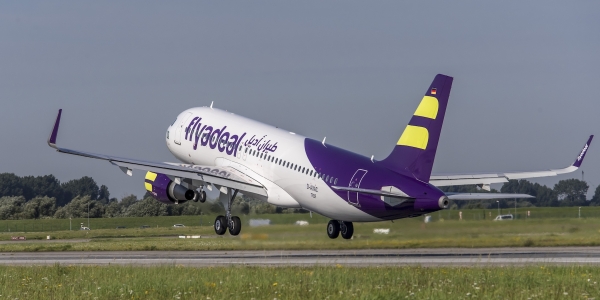


- Security Against Liquid Explosives: Liquids are restricted in cabin baggage because some chemicals can be disguised as everyday liquids and used to make explosives. Limiting amounts reduces potential threats onboard.
- 100 ml Limit and Screening: Each liquid container must be 100 ml or less and fit in a clear bag. Small quantities are easier to screen and safer, while larger volumes are allowed only in checked luggage where advanced screening and risk management are possible.
- Exceptions and Controlled Purchases: Baby food, essential medicines, and duty-free liquids are allowed under specific conditions. Liquids bought after security are safe because they have already been screened.
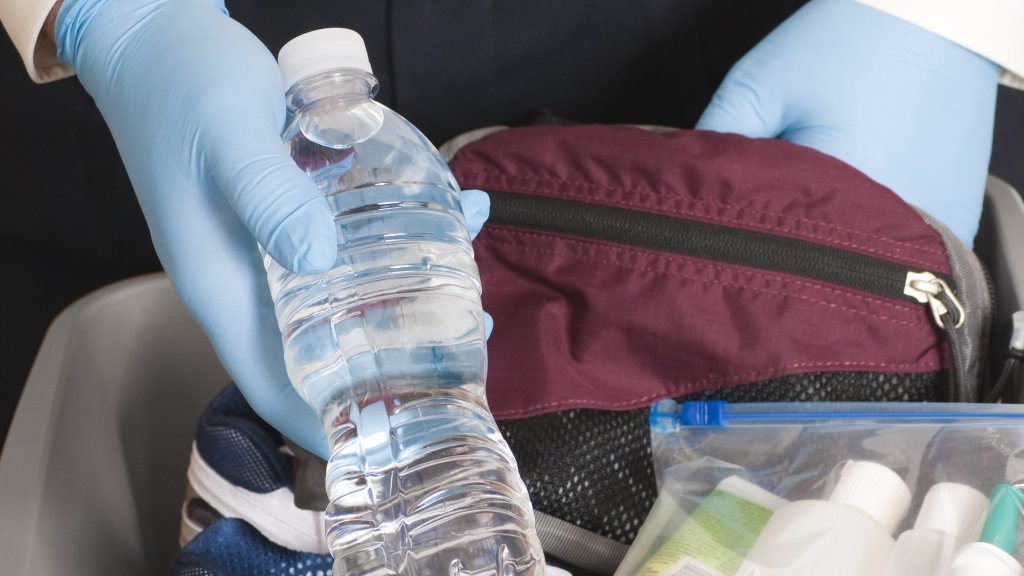
If you have ever flown on an airplane, you may have noticed strict rules about carrying liquids in your hand baggage. Shampoo bottles, water, perfumes, gels, and even toothpaste are limited in size. Many passengers ask a common question: why can’t you bring liquids on a plane?
The reason is not comfort or convenience—it is aviation security and passenger safety. This article explains the real reason behind liquid restrictions, how the rules work, and what you are allowed to carry.
What Is the Liquid Restriction Rule?
Most airports around the world follow a common rule for liquids in cabin (hand) baggage:
- Liquids must be in containers of 100 ml (3.4 oz) or less
- All liquid containers must fit inside one transparent, resealable plastic bag
- Each passenger is allowed one liquid bag only
Liquids exceeding this limit must be placed in checked luggage.
Why Are Liquids Restricted on Airplanes?
The Main Reason: Security Threats
Liquid restrictions were introduced due to the risk of liquid explosives. Some dangerous chemicals can look like normal liquids such as water or soft drinks but can be used to create explosives when mixed.
Unlike solid weapons, liquid explosives:
- Are difficult to detect visually
- Can be disguised in everyday containers
- Can be mixed after passing security
Because of this risk, aviation authorities introduced strict liquid limits to prevent potential threats onboard aircraft.
The 2006 Security Plot That Changed Everything
Liquid restrictions became global after a terror plot uncovered in 2006. Authorities discovered a plan to use liquid chemicals carried in hand baggage to create explosions during flights.
After this incident:
- Airports worldwide tightened security
- Liquid limits were standardized
- Advanced screening procedures were introduced
These rules remain in place today as a preventive safety measure.
Why Only 100 ml? Why Not More?
The 100 ml limit is based on safety testing and risk assessment.
- Small quantities of liquid are less likely to be dangerous
- Limited volume reduces the chance of harmful chemical reactions
- Security staff can manage and screen small amounts more effectively
While 100 ml is not zero risk, it significantly reduces the possibility of a serious threat.
Why Are Liquids Allowed in Checked Baggage?
You may wonder: if liquids are dangerous, why are they allowed in checked bags?
The reason is risk control:
- Checked baggage is screened using more powerful detection systems
- Bags are stored in the cargo hold, away from passengers
- Any security threat in the cargo area can be managed differently than inside the cabin
Because of this, larger liquid containers are allowed in checked luggage.
What Counts as a “Liquid” on a Plane?
Many passengers are surprised by what airport security considers a liquid. These include:
- Water, juice, soft drinks
- Shampoo and conditioner
- Perfume and deodorant sprays
- Toothpaste and creams
- Gels and hair products
- Liquid makeup and mascara
If it can pour, spray, spread, or flow, it is treated as a liquid.
Are There Any Exceptions?
Yes, some liquids are allowed beyond the 100 ml limit.
Baby Food and Milk
Parents traveling with infants can carry:
- Baby milk
- Formula
- Baby food
These may be tested separately by security.
Medicines and Medical Liquids
Essential medicines, syrups, and medical liquids are allowed if:
- They are required during the journey
- You declare them at security
- Supporting documents may be requested
Duty-Free Liquids
Liquids purchased at airport duty-free shops are allowed if:
- Sealed in security bags
- Proof of purchase is available
- Seal is not broken before arrival
Why Can You Buy Water After Security?
Passengers often ask why water bottles are banned at security but sold inside the terminal.
The reason is simple:
- Items sold after security have already passed screening
- Airports control what enters the secure area
- Risk is reduced once screening is complete
Will Liquid Rules Change in the Future?
Airports are gradually introducing advanced security scanners that can:
- Analyze liquid contents
- Detect explosive materials more accurately
Some airports have already relaxed liquid limits, but global implementation takes time. Until new technology is available everywhere, the 100 ml rule remains standard.
Tips for Passengers to Avoid Problems
- Pack liquids in checked baggage when possible
- Use travel-size containers
- Keep liquid bag easily accessible
- Do not carry unnecessary liquids in hand baggage
These simple steps can save time at airport security.
Is Flying With Liquids Actually Dangerous?
No. The restrictions are preventive, not because everyday liquids are dangerous. Aviation security is designed around the principle of zero tolerance for risk, even if the probability is very low.
The goal is to ensure:
- Passenger safety
- Secure flights
- Prevention of any possible threat
Conclusion
So, why can’t you bring liquids on a plane?
The restriction exists to prevent security threats involving liquid explosives. Limiting liquids to small quantities makes flights safer and allows security teams to effectively screen passengers.
While the rules may feel inconvenient, they play a critical role in keeping air travel one of the safest forms of transportation in the world.