








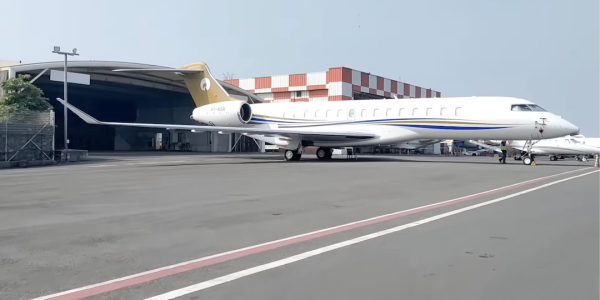




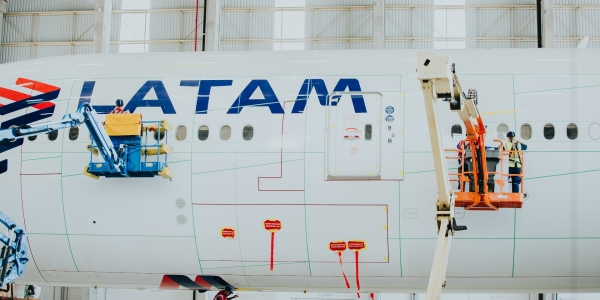
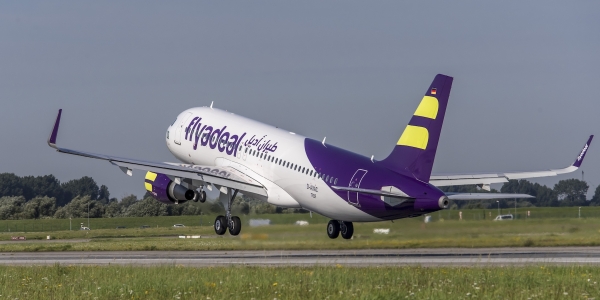


- On average, around 100,000 flights operate worldwide daily, including commercial, cargo, private, and military flights.
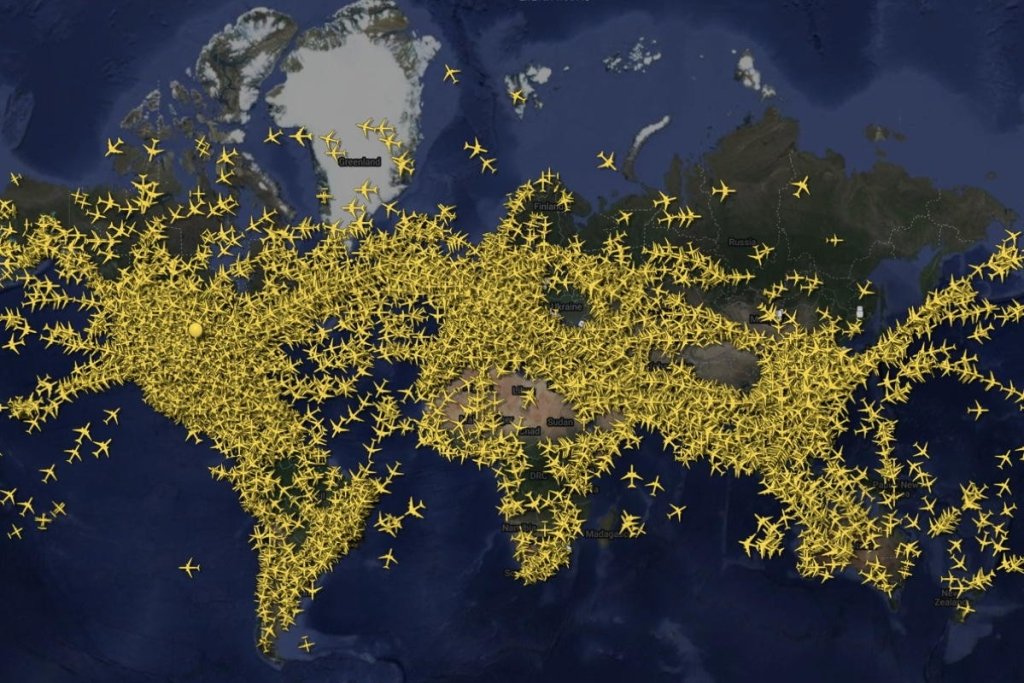
- At any given moment during peak hours, approximately 7,000–9,000 aircraft are in the sky simultaneously.
- Daily flight numbers fluctuate due to seasonal demand, day of the week, weather conditions, and global events, with a long-term trend of steady growth.
Every day, thousands of airplanes take off and land across the world, creating one of the busiest and most complex transportation systems ever built. From short domestic hops to long intercontinental journeys, air travel connects people, goods, and economies across continents. But a common question many aviation enthusiasts and travelers ask is: how many flights operate per day worldwide?
This article explains the average number of daily flights and the factors that influence global air traffic.
What Does “Flights Per Day Worldwide” Mean?
The term “flights per day worldwide” refers to the total number of aircraft movements in a 24-hour period across the globe. This count includes:
- Commercial passenger flights
- Cargo and freight flights
- Private and business jets
- Charter services
- Military and government flights
It represents all aircraft that take off and land worldwide in a single day.
Average Number of Flights Per Day Worldwide
On average, around 100,000 flights operate worldwide every day. This figure includes all types of aviation activity and is considered a reliable global estimate in recent years.
The number shows how active and essential air travel has become in daily life, supporting tourism, business, trade, and emergency services across the world.
Breakdown of Daily Global Flights
Commercial Passenger Flights
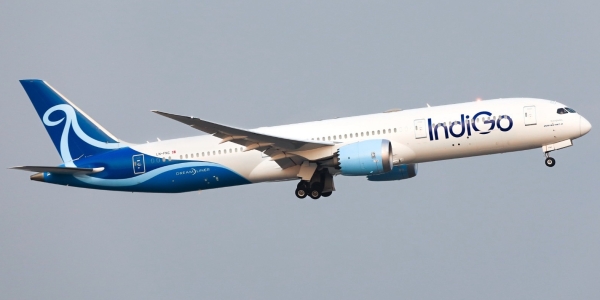
Commercial airlines make up the largest share of daily flights. Thousands of airlines operate scheduled routes connecting major international hubs and smaller regional airports. These flights carry millions of passengers every day for business, leisure, education, and family travel.
Short-haul domestic flights occur more frequently than long-haul international flights, contributing heavily to the total count.
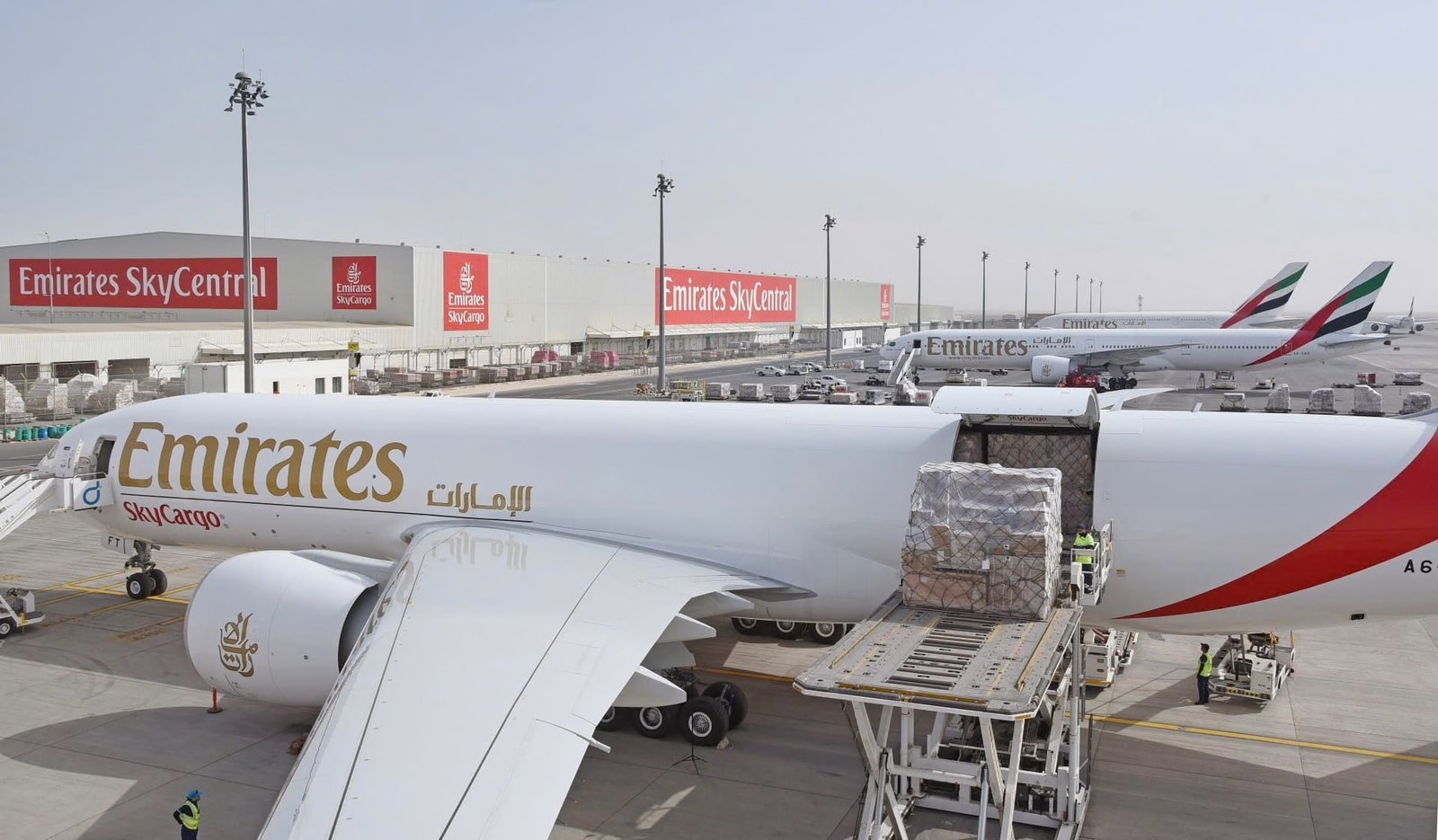
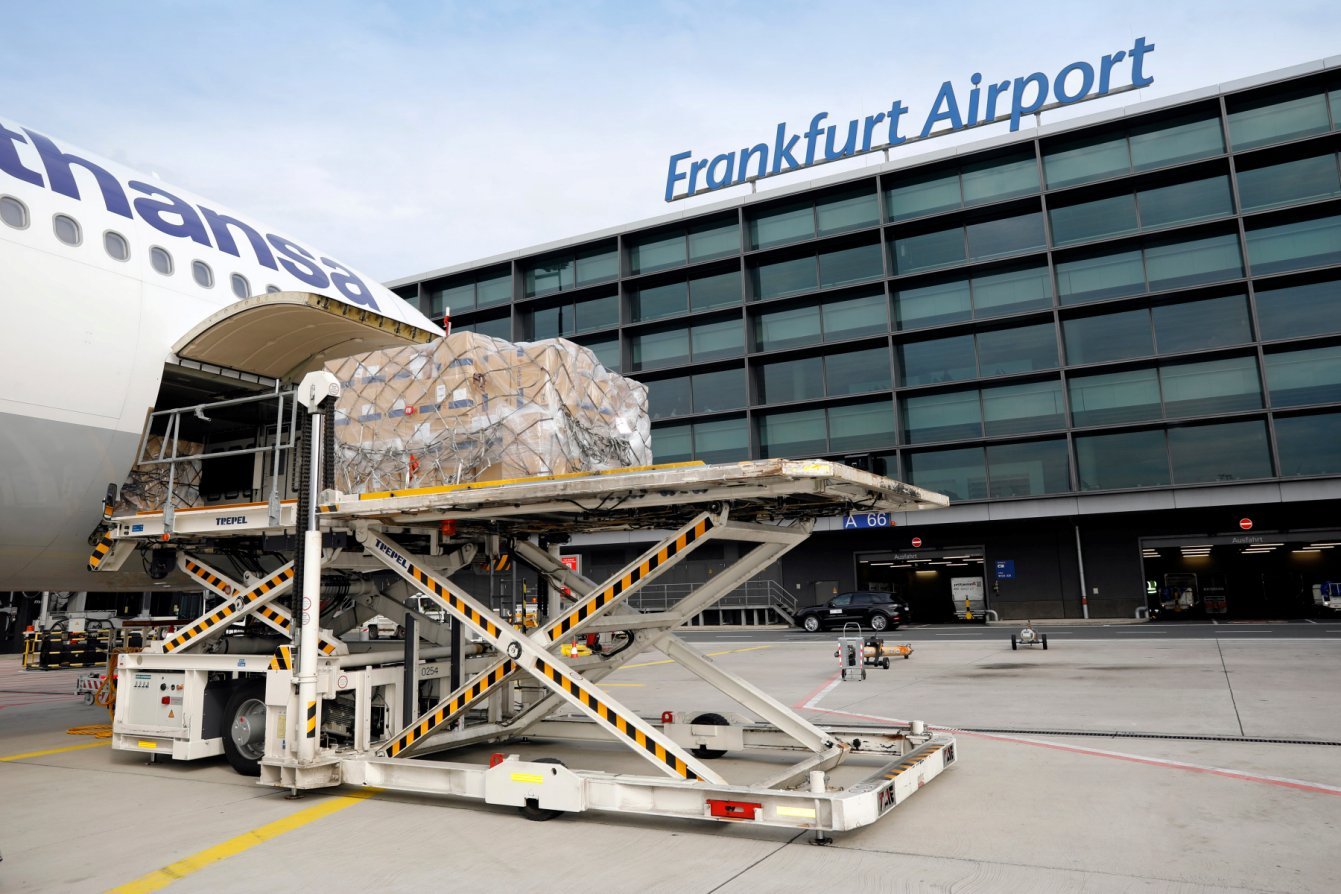
Cargo and Freight Flights
Cargo flights are a critical part of global aviation. These aircraft transport:
- E-commerce packages
- Medical supplies
- Industrial equipment
- Perishable goods
Many cargo flights operate at night to support fast global delivery networks, adding significantly to daily flight numbers.
Private, Business, and General Aviation
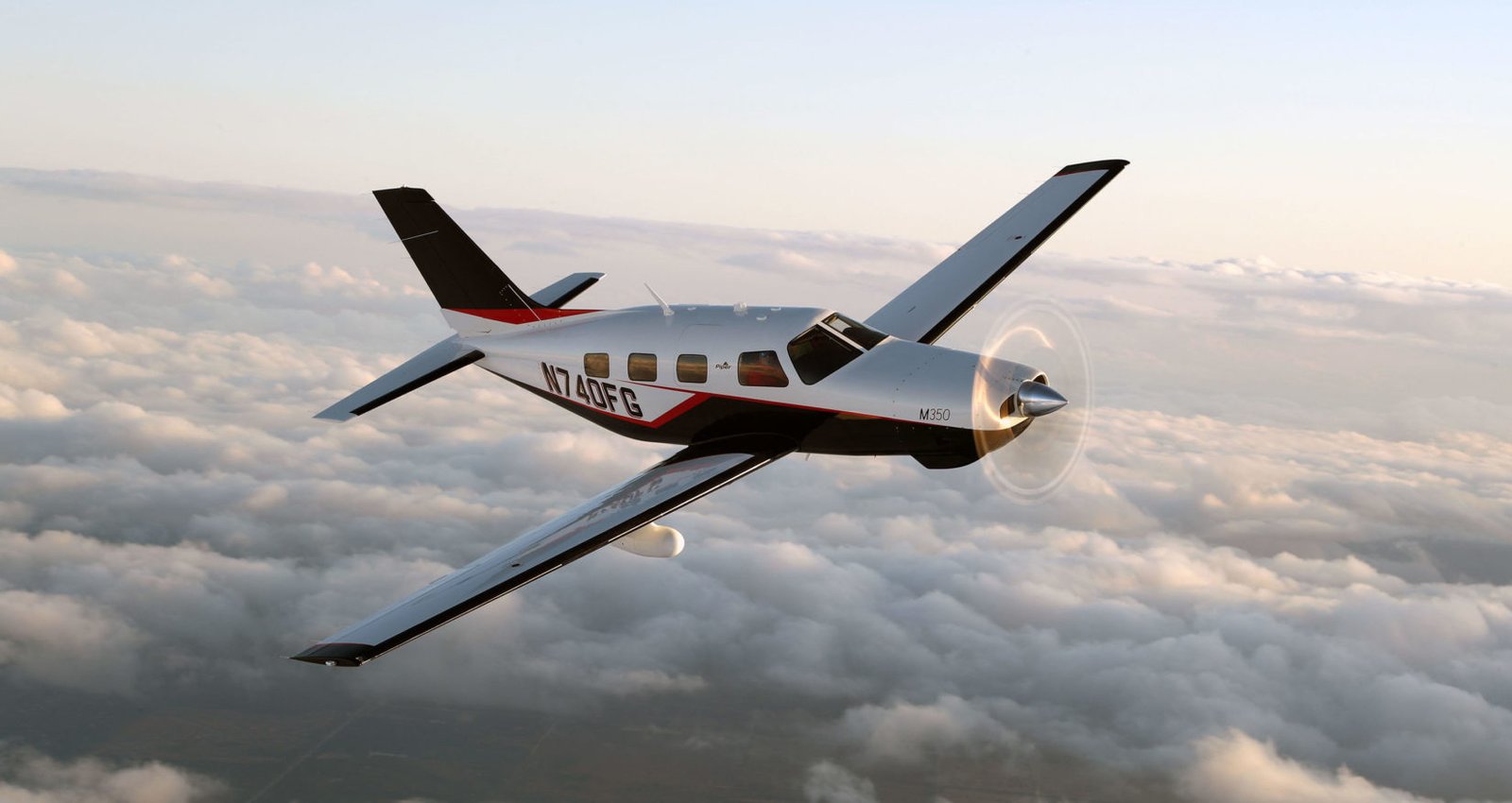
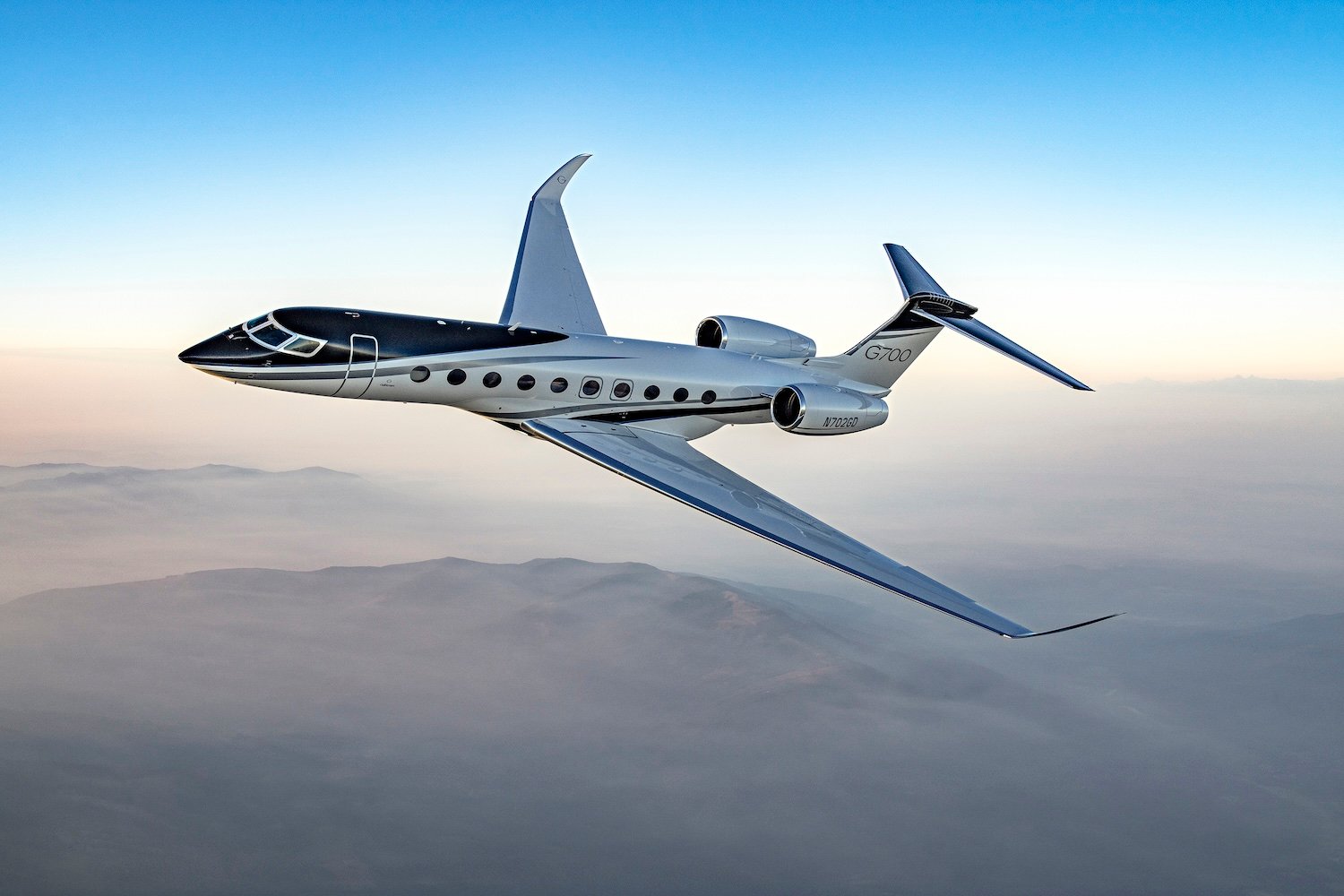
Private jets, business aircraft, and training flights are fewer in number compared to commercial flights, but they still contribute to daily global air traffic. These flights are common in regions with strong corporate aviation and flight training activities.
Military and Government Flights
Military aircraft, surveillance planes, and government-operated flights also operate daily. While exact numbers are often undisclosed, they form a consistent part of worldwide aviation activity.
How Many Airplanes Are in the Sky at One Time?
Although around 100,000 flights occur in a full day, not all aircraft are airborne at the same moment. At peak hours, there are typically 7,000 to 9,000 aircraft in the sky simultaneously.
This number varies depending on:
- Time of day
- Geographic region
- Seasonal travel demand
Peak traffic usually occurs during daytime hours in North America, Europe, and parts of Asia.
Factors That Affect Daily Flight Numbers
Seasonal Travel Demand
Flight numbers increase during:
- Summer vacation seasons
- Major holidays
- Festival and tourism periods
During off-peak seasons, airlines reduce frequency, slightly lowering daily totals.
Day of the Week
Business travel increases flights on weekdays, while leisure travel often peaks on weekends. This causes small but noticeable variations in daily air traffic.
Weather Conditions
Severe weather such as:
- Snowstorms
- Hurricanes
- Heavy fog
can lead to flight cancellations or delays, temporarily reducing the number of flights in a day.
Global Events
Events like pandemics, economic slowdowns, or geopolitical tensions can significantly impact flight numbers. Conversely, recovery periods often see rapid growth in daily flights.
Why Knowing Daily Flight Numbers Matters
Global Connectivity
The number of daily flights shows how interconnected the world has become. Air travel allows people and businesses to interact across long distances in hours rather than days.
Economic Impact
A high number of daily flights supports:
- Airlines and airports
- Aircraft manufacturers
- Tourism industries
- Millions of aviation-related jobs
Global flight activity is closely tied to economic growth.
Air Traffic Management and Safety
Managing tens of thousands of flights per day requires advanced air traffic control systems, strict regulations, and trained professionals to ensure safety and efficiency in crowded airspace.
Environmental Planning
With aviation contributing to fuel consumption and emissions, understanding flight volumes helps governments and organizations plan for:
- Fuel-efficient aircraft
- Sustainable aviation fuels
- Improved flight routing
Is the Number of Flights Increasing?
Yes. Over the long term, global flight numbers are steadily increasing. Growth is driven by:
- Rising middle-class travel demand
- Expansion of low-cost airlines
- Improved airport infrastructure
- Growing cargo and logistics needs
While short-term declines can occur, the overall trend remains upward.
Summary: How Many Flights Per Day Worldwide?
- Average daily flights worldwide: ~100,000
- Commercial flights: Majority of total
- Aircraft in the sky at one time: ~7,000–9,000
- Trend: Long-term growth
Conclusion
So, how many flights operate per day worldwide?
On average, around 100,000 flights take place every day across the globe, including passenger, cargo, private, and military aircraft. This enormous number highlights the scale, complexity, and importance of modern aviation.
The global air traffic system continues to grow, connecting people and economies while shaping the future of transportation.