










- Weather affects all stages of flight, with thunderstorms, fog, snow, ice, and extreme temperatures causing delays, diversions, or cancellations.
- Pilots and airlines manage weather risks using advanced forecasting, radar, anti-icing systems, and adjusted flight planning.
- Despite disruptions, modern aircraft and trained crews ensure flying remains safe under most weather conditions.
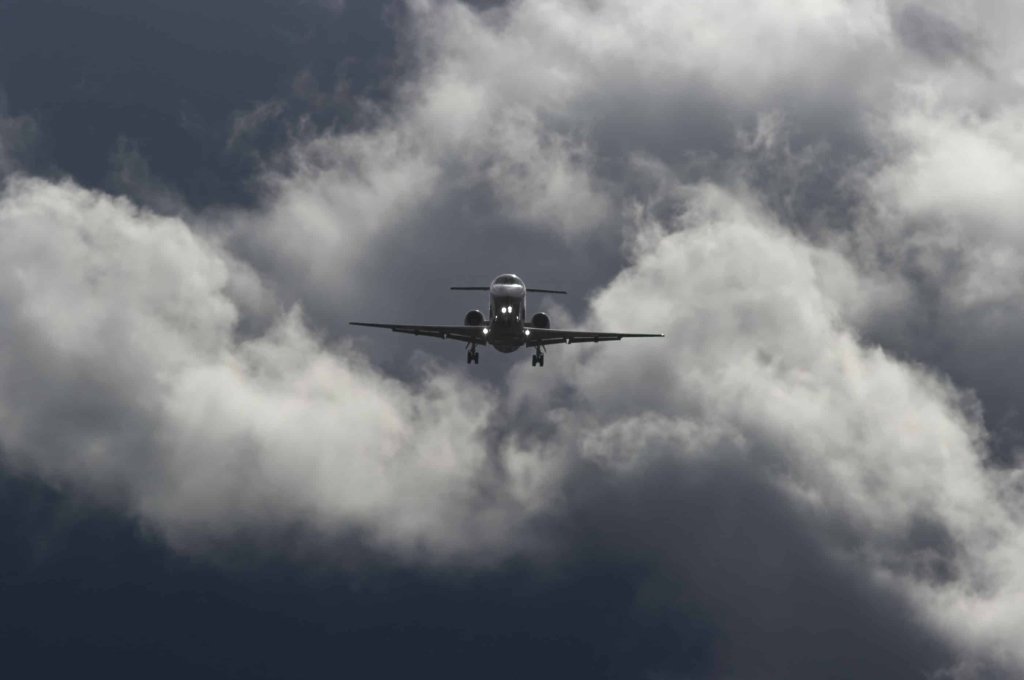
Weather plays a critical role in aviation safety and efficiency. While modern airplanes are designed to fly in a wide range of weather conditions, weather can still affect flight schedules, routes, comfort, and safety. This is why flights are sometimes delayed, diverted, or even canceled due to weather.
In this article, we will explain how weather affects airplane flights, which weather conditions are most dangerous, and how pilots and airlines manage these challenges.
Why Weather Is Important in Aviation
Airplanes operate in the open atmosphere, which means they are constantly exposed to changing weather. Pilots, air traffic controllers, and airlines carefully monitor weather conditions to ensure safe operations.
Weather affects:
- Takeoff and landing
- Flight routes
- Fuel consumption
- Passenger comfort
- On-time performance
Thunderstorms and Heavy Rain
How Thunderstorms Affect Flights
Thunderstorms are among the most dangerous weather conditions for aviation. They can cause:
- Strong turbulence
- Sudden wind changes (wind shear)
- Lightning strikes
- Heavy rain reducing visibility
Pilots usually avoid thunderstorms entirely by flying around them. Severe thunderstorms near airports can delay or cancel flights.
Heavy Rain
While airplanes can fly in rain, heavy rain:
- Reduces visibility
- Increases landing distance
- Can cause delays during takeoff and landing
Turbulence: The Most Common Weather Impact
Turbulence is caused by unstable air movements.
Types of Turbulence:
- Thermal turbulence (caused by rising warm air)
- Mechanical turbulence (from mountains or buildings)
- Clear-air turbulence (invisible and difficult to detect)
Although turbulence is uncomfortable, it is rarely dangerous to the airplane. Pilots adjust altitude or speed to minimize its effects.
Wind and Crosswinds
Strong Winds
Wind can help or hurt flights:
- Headwinds slow the aircraft but improve fuel efficiency
- Tailwinds increase ground speed and shorten flight time
Crosswinds
Strong crosswinds during landing and takeoff can be challenging. Each aircraft has a maximum crosswind limit, and if wind exceeds this limit, flights may be delayed or diverted.
Fog and Low Visibility
Fog mainly affects takeoff and landing, not cruise flight.
Problems Caused by Fog:
- Reduced runway visibility
- Difficulty in taxiing
- Increased risk during landing
Modern airports use instrument landing systems (ILS) that allow aircraft to land safely in low visibility, but extremely dense fog can still cause delays or cancellations.
Snow and Ice
Snowfall
Snow can disrupt flights by:
- Reducing runway friction
- Limiting visibility
- Causing airport closures
Ice Formation
Ice is more dangerous than snow.
Ice can:
- Increase aircraft weight
- Reduce lift
- Interfere with engine airflow
Aircraft are de-iced before takeoff in cold conditions to remove ice and snow from critical surfaces.
High Temperatures and Hot Weather
Hot weather affects aircraft performance.
Why Heat Is a Problem:
- Hot air is less dense
- Reduced lift generation
- Longer takeoff distance required
In extreme heat, some flights may:
- Reduce passenger load
- Delay departure
- Cancel flights at high-altitude airports
Cold Weather and Extreme Cold
Cold weather can:
- Affect hydraulic systems
- Freeze moisture in fuel lines
- Make ground operations difficult
However, airplanes are designed to operate at very low temperatures at high altitudes, so cold air itself is not usually a problem once airborne.
Hurricanes, Cyclones, and Severe Storms
Large weather systems like hurricanes and cyclones:
- Ground aircraft in affected regions
- Cause widespread cancellations
- Force route diversions
Airlines usually cancel flights well in advance to avoid safety risks.
How Pilots and Airlines Manage Weather Risks
Advanced Weather Forecasting
Airlines use:
- Satellite weather data
- Radar systems
- Real-time updates
Flight Planning
Pilots adjust:
- Routes
- Altitudes
- Fuel load
Aircraft Technology
Modern airplanes have:
- Weather radar
- Anti-icing systems
- Advanced navigation equipment
Is Flying Safe in Bad Weather?
Yes. Flying remains one of the safest forms of transportation, even in poor weather.
Reasons:
- Conservative safety rules
- Highly trained pilots
- Strict aircraft certification
- Continuous weather monitoring
When flights are delayed or canceled due to weather, it is done to protect safety, not convenience.
Why Weather Causes Flight Delays Even Far Away
Bad weather at one airport can affect flights worldwide due to:
- Aircraft and crew scheduling
- Air traffic congestion
- Limited alternate airports
This is why weather delays can spread across an entire airline network.
Conclusion
So, how does weather affect airplane flights?
Weather influences every stage of a flight, from takeoff to landing. Conditions such as thunderstorms, fog, wind, snow, and extreme temperatures can cause delays, diversions, or cancellations. However, thanks to modern technology, strict safety standards, and skilled pilots, airplanes can safely handle most weather conditions.
Weather-related disruptions may be inconvenient, but they are a necessary part of ensuring safe and reliable air travel.