













Airbus A320 Fleet Grounded for Urgent Software Fix — What Caused the Glitch and Why It Matters

- A sudden uncommanded pitch-down incident on a JetBlue A320, traced to corrupted data affecting the Elevator Aileron Computer (ELAC) during a period of high solar radiation, led EASA to issue an Emergency Airworthiness Directive on November 28, 2025.
- Regulators, including EASA, FAA and DGCA, required the immediate installation of the stable ELAC L103+ software version or replacement hardware before passenger operations could resume, affecting nearly 6,000 A320-family aircraft worldwide and 338 aircraft in India.
- The grounding demonstrated how increasingly software-dependent flight-control systems can introduce new forms of vulnerability, and highlighted the need for stronger scrutiny of digital systems during certification as aviation becomes more technologically complex.
On November 28, 2025, the global air transport industry was shaken when the European Union Aviation Safety Agency (EASA) issued an Emergency Airworthiness Directive (EAD) requiring all Airbus A320-family operators to immediately implement software and hardware updates before passenger flights.
The conforming action of the airworthiness directive was due to the incident in midair on October 30, 2025– a JetBlue A320 operating from Cancún to Newark was involved. The aircraft was reported to have “pitched down abruptly without pilot input” and lost altitude before finally diverting to Tampa, where 15+ passengers were hurt. Preliminary investigations of the accident reveal that the flight control logic of the aircraft has been compromised, specifically that the Elevator Aileron Computer (ELAC) was affected by the data corruption caused by the intense solar radiation – a risk that was not taken into account during certification.
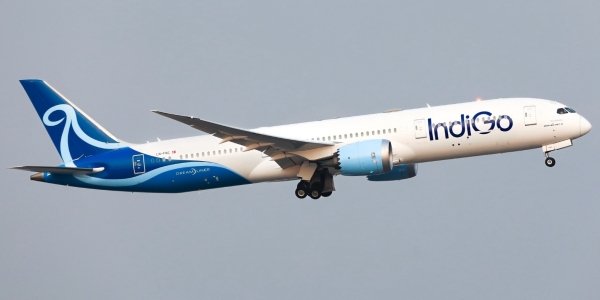
In total, there are 6,000 A320-family aircraft worldwide, that is, over half of the world’s active A320 fleet, which have been identified as the potential source of the problem. The two largest A320 operators in India, IndiGo and Air India (including Air India Express), confirmed that 338 aircraft require mandatory updates. By November 29-30, DGCA filings showed that about 56% of Indian aircraft had already received the update.
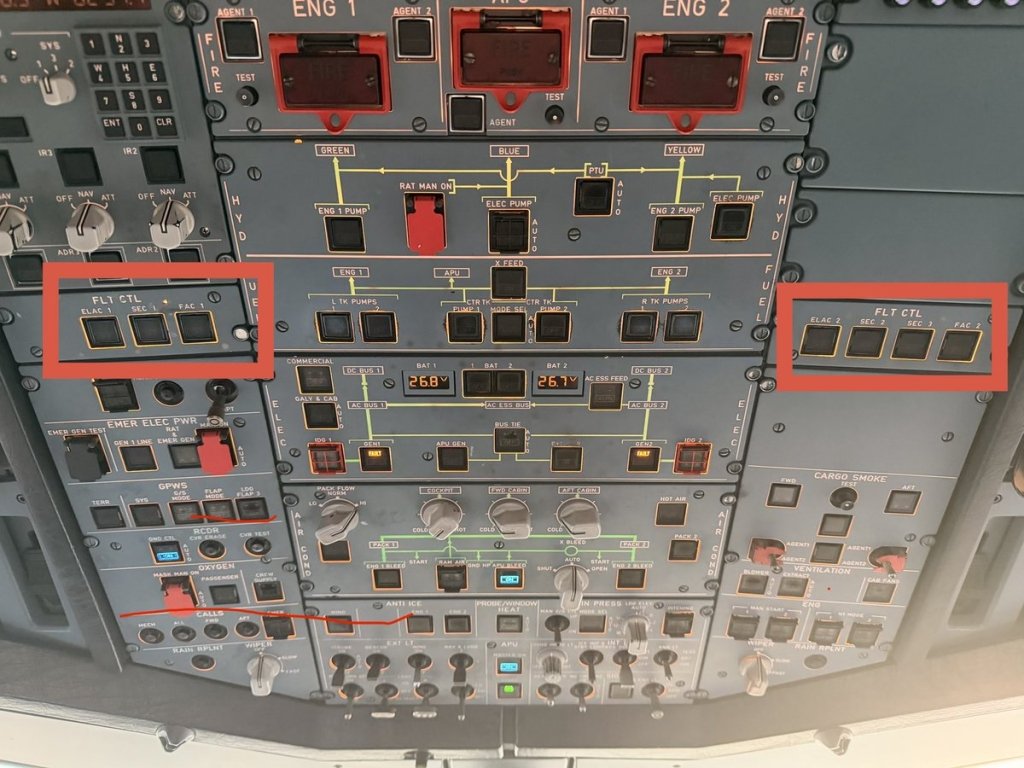
ELAC (Elevator Aileron Computer) was the heart of the problem. ELAC is a key part of the A320’s fly-by-wire flight-control system. Its function is to convert pilot or autopilot commands to the flight-control surfaces, most specifically the ailerons, which control roll, and elevators, which control pitch. ELAC is also responsible for implementing Airbus’s built-in flight-control laws, which ensure that the aircraft behaves safely while maintaining its operational limits, and it constantly monitors the system for irregularities.
The 2025 bug is not the result of a mechanical failure. What happened was that a software update created a vulnerability that, in turn, made ELAC vulnerable to data corruption during periods of high solar radiation. In a few instances, the corrupted data could lead to the uncommanded movement of flight-control surfaces, like the sudden pitch-down that happened in JetBlue 1230.
After the investigators found the connection between the JetBlue incident and the ELAC vulnerability, the risk was registered by the regulators as systemic. A natural event, such as a solar storm or a series of them, is rare but can be predicted, and since the A320 is everywhere in the world, the consequences could be huge.
EASA was the first to act and instructed all A320 operators to check for a “serviceable” ELAC unit in each aircraft before the latter was allowed to fly any further. The agency gave a two-pronged prescription, including:
- Installing a stable, earlier version of ELAC software (L103+), or
- Replacing affected hardware with a tested ELAC B L103+ unit, depending on aircraft configuration.
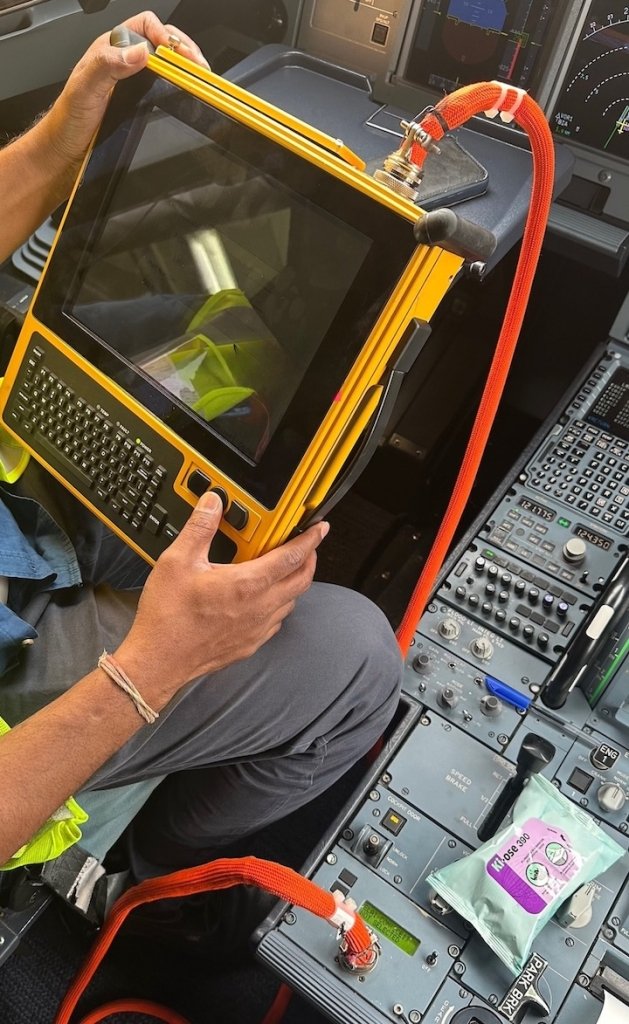
The U.S. Federal Aviation Administration (FAA) issued its own directive shortly after, covering approximately 545 U.S.-registered A320-family aircraft, and the DGCA in India likewise prohibited the operation of any aircraft that had not undergone the mandatory modification.
The point was clear and unambiguous: “Not a single A320 should be permitted to carry passengers unless ELAC compliance is verified.”
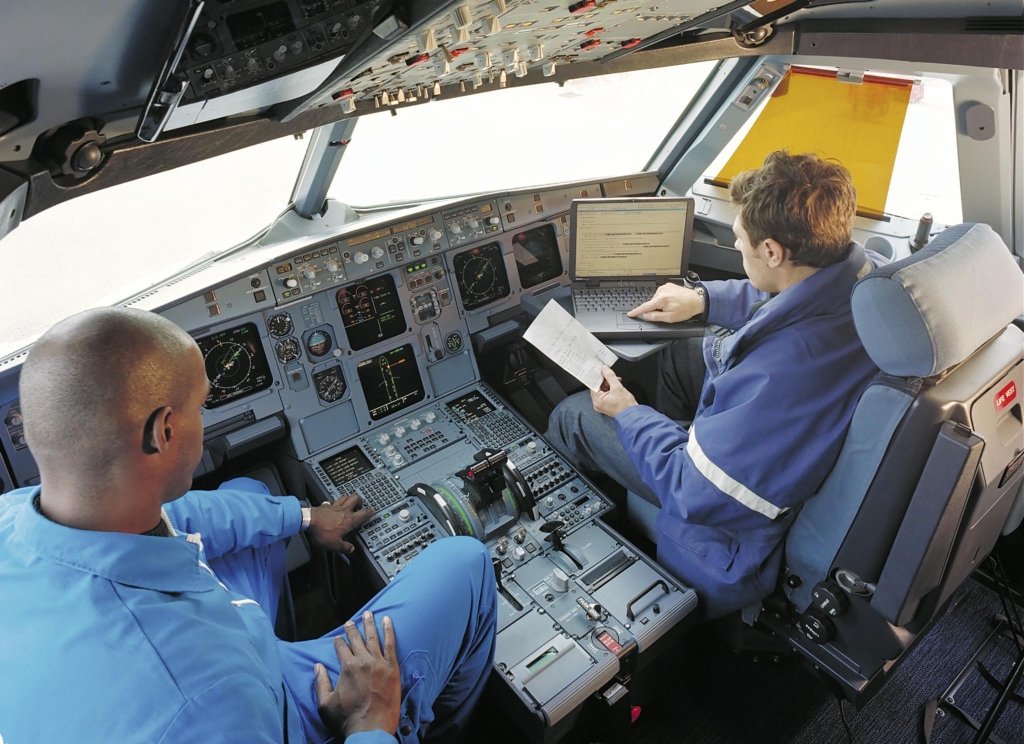
As per Airbus’s instructions, most of the carriers can renew the aircraft’s airworthiness by simply installing the previously stable ELAC software version L103+ from the rollback point.
A few aircraft will have to be replaced with the new ELAC B L104 hardware.
Because both interventions were straightforward and relatively quick (often just a few hours per aircraft), airlines managed to return the bulk of the nearly 6,000 aircraft to flight status in a short period of time.
On November 30, a large number of airlines worldwide, including those in India, had completed the required modifications and were able to operate normally again.
Was this Airbus’s “Boeing-777 moment”? Most people thought that the sheer scale of recall would lead to a crisis similar to the grounding of the Boeing 777 fleet. However, experts advise not to draw parallels between the two. They argue that the difference between the two incidents is that this case involves software data corruption rather than a structural or aerodynamic flaw.
The solution was apparent and rapidly implementable once the problem was localised.
Moreover, regulators and Airbus did not waste any time in their efforts–they were prompt, transparent, and presented clear instructions as well as offered convenient routes for compliance.
Furthermore, most of the planes had already met the requirements both worldwide and locally in India, which drastically limited the transport sector downtime.
Nevertheless, the incident highlights a very important point: with the increasing software dependency of today’s aircraft, the industry should be ready for new types of vulnerabilities, mostly involving the interaction of digital systems with nature.
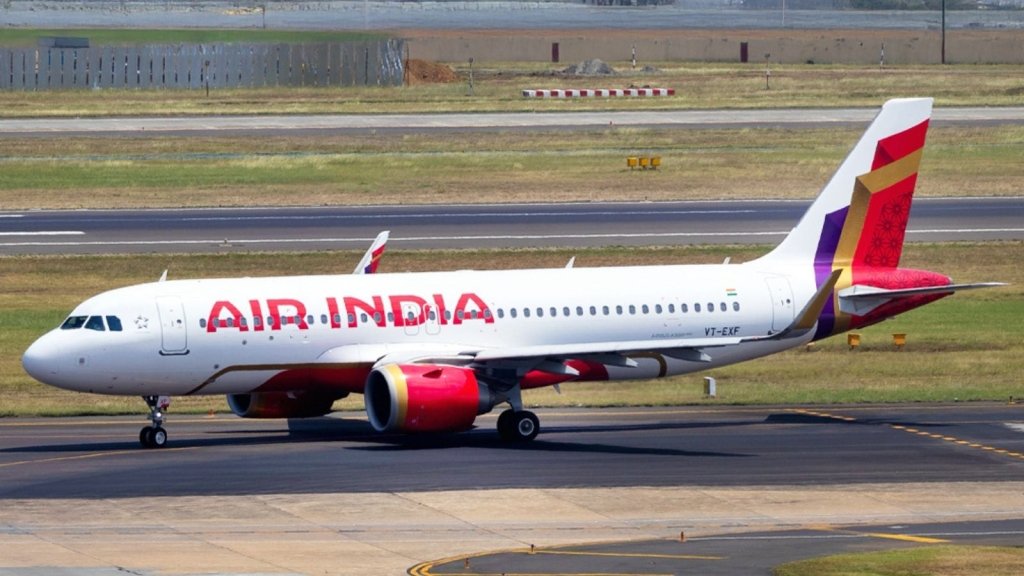
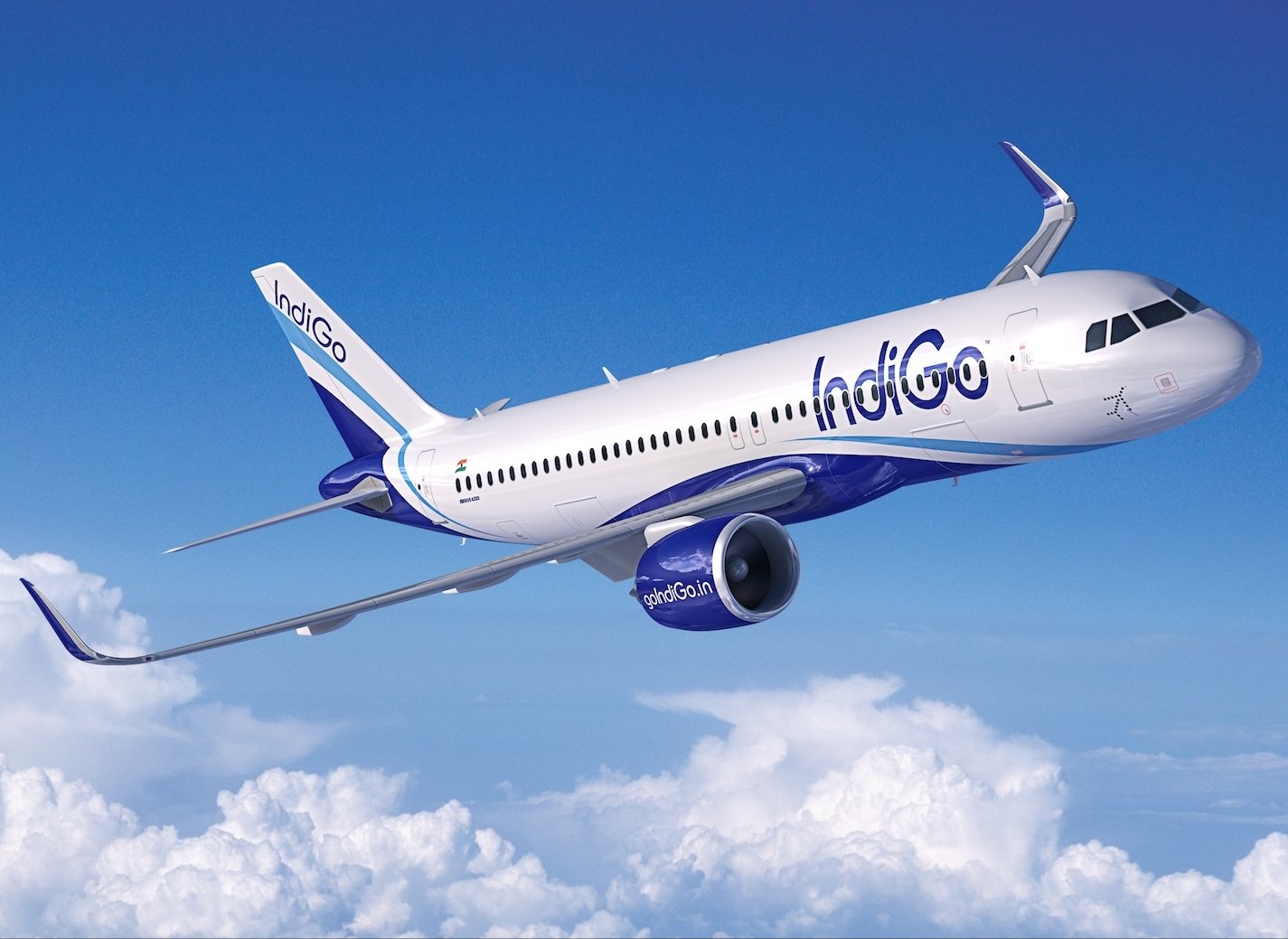
For Indian carriers, especially the likes of IndiGo and Air India, which are substantially reliant on the A320 platform, the timing of the grounding and the update exercise couldn’t be worse.
With the winter travel season in full swing, passenger traffic growing, and utilisation cycles running tight, the short grounding of approximately 350 aircraft led to scheduling difficulties and a strain on operations.
Luckily, the scenario was not aggravated to the point where the passengers would have been severely impacted. After the problem was fixed in a short time, the majority of the planes in India have started flying, and the airlines have declared that only a few cancellations and slight disruptions have taken place.
The software glitch of the A320 in 2025 will not be a sad story of the aviation industry. It is rather a warning, a reminder that even a mature and well-tested aircraft like the A320 cannot be considered invulnerable to the intersection of nature with complex digital flight-control systems.
For the likes of EASA, FAA, and DGCA, the incident is a wake-up call to extend the same level of scrutiny to the software as they do for the physical hardware in terms of resilience. For Airbus and the rest of the global aircraft manufacturers, it is a message that “certification protocols must be changed to not only foresee but also be prepared for complex and non-traditional threats such as space-weather phenomena like solar radiation.”
Whether this will lead to a reputational crisis similar to that of the Boeing 777 or not depends on how well Airbus and the regulators will be able to extract lessons from this near-miss. The industry now has to decide whether to treat this as an isolated software glitch or as a sign of future vulnerabilities of increasingly digital, fly-by-wire aviation coming its way.
Also Read: Understanding How GNSS Spoofing and Jamming Threaten Global Aviation Safety