













- Adani’s interest in Embraer is less about challenging Airbus or Boeing and more about securing long-term control over aviation’s industrial choke points — airports, cargo, MRO and training — at a time of geopolitical uncertainty.
- By pairing defence-focused manufacturing with regional civil aircraft, the Embraer strategy allows Adani to expand its aviation footprint without confronting Airbus or Boeing directly, instead concentrating on secondary routes, government-backed demand and long-term fleet requirements.
- While final assembly would bring jobs and industrial activity, it does not confer design or technological sovereignty, reinforcing a deeper reality: India may be choosing managed dependence and stability over indigenous aerospace capability in an uncertain global environment.

On the face of it, the idea sounds deceptively simple: Adani Group wants to assemble Embraer regional jets in India. Another “Make in India” headline, another memorandum of understanding, another promise of jobs and capability. But look closer, and the move reveals something more deliberate and more unsettling.
This is not about building India’s answer to Airbus or Boeing. It is about control, insulation, and permanence in a world where aviation has become hostage to geopolitics, supply shocks and backlog politics in distant factories.
Dominance may be part of the motivation. But domination is not the objective. Structural leverage is.
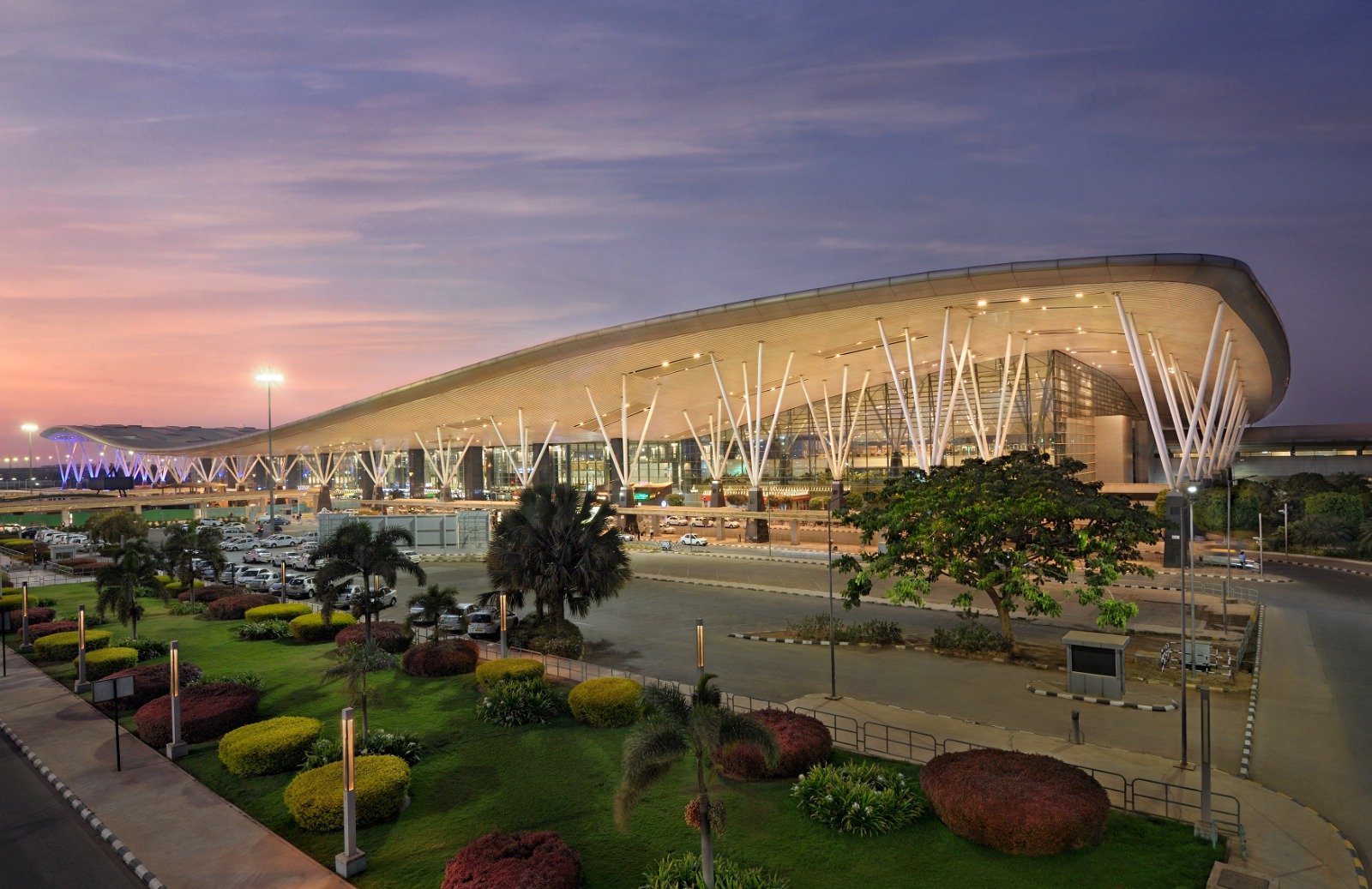
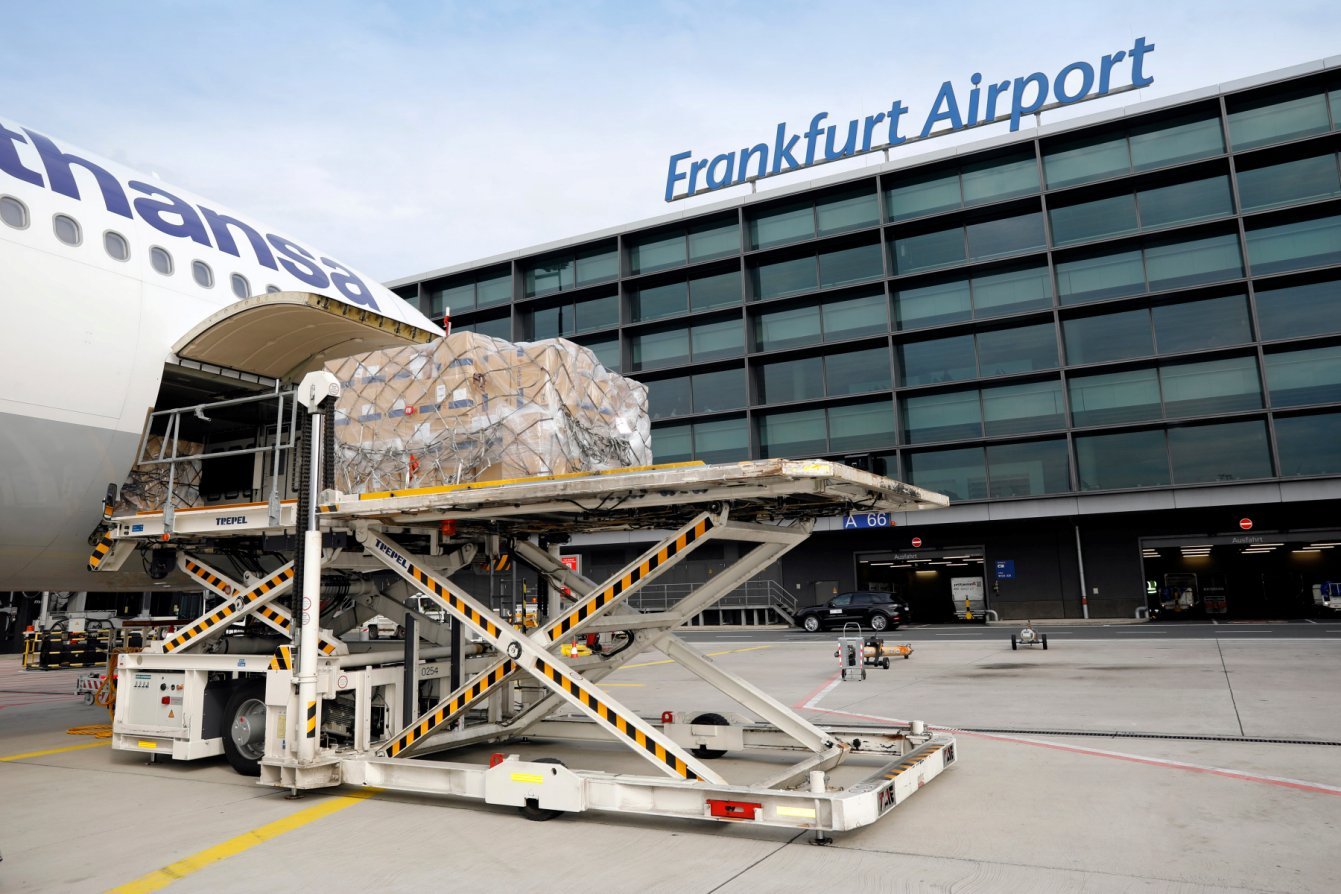
Adani already sits across almost every fault line of Indian aviation: airports, ground handling, cargo terminals, logistics parks, defence manufacturing, data, and energy. Aircraft manufacturing — even limited to final assembly — is the last missing keystone.
Add that, and no meaningful part of Indian aviation operates outside Adani’s orbit.
This is why the Embraer move matters. Not because India is finally “making planes”, but because who controls the industrial choke points is changing.
Embraer is not Boeing. It is not Airbus. And that is precisely why it fits.
First, defence comes before airlines. Embraer’s C-390 Millennium occupies a strategic sweet spot: modern, NATO-compatible, faster and cheaper to induct than American heavy airlifters, and politically easier to negotiate than platforms tied tightly to Washington. For India, it aligns neatly with transport fleet renewal, maritime surveillance variants and multi-role needs. For Adani, defence manufacturing offers what civil aviation rarely does: state-backed demand, long programme cycles and predictable cash flows.
Second, civil aviation without a frontal war. Embraer’s E-Jets will not dislodge Airbus and Boeing from India’s narrowbody fleets. They do not need to. They fit secondary routes, thinner sectors, regional connectivity, charter and state operations. In other words, the unglamorous edges of the market — exactly where India’s growth is spreading as tier-II and tier-III airports come online.
Third, the industrial learning curve. Embraer’s global model is modular, distributed and more open to technology transfer than the tightly guarded Airbus-Boeing ecosystem. As a first step into aircraft assembly, it is pragmatic rather than aspirational.
If carried through, the Adani–Embraer project would give India its first final assembly line for commercial passenger aircraft, placing it in a small club that includes the United States, Brazil, France, Canada and China. That matters — but it matters with caveats.
Final assembly typically accounts for 15–20% of an aircraft’s value. The intellectual property, certification authority, aerodynamic design and systems integration remain in São José dos Campos. India gains industrial activity and jobs, but not design sovereignty.
After 85 years of aerospace activity, this is where India stands: welcoming a Brazilian manufacturer to assemble aircraft it never learned to design itself.
That uncomfortable truth has sparked comparisons with Brazil’s own trajectory — a country with half India’s GDP and a fraction of its population, yet home to the world’s third-largest commercial aircraft manufacturer. The contrast is not about talent. It is about policy architecture.
This is not Adani’s first aerospace courtship. In 2017, the group partnered with Saab to locally manufacture Gripen-E fighters for the Indian Air Force. The partnership lasted nearly six years — and then collapsed.
Saab eventually terminated the arrangement, quietly and not publicly, acknowledging what the industry had long suspected: political proximity and industrial ambition cannot substitute for clear policy, assured orders and executable programmes. The long-delayed MRFA fighter tender drifted, budgets tightened, and the strategic partner model remained opaque. The result was a high-profile marriage that produced no aircraft.
That experience looms over the Embraer story. It underlines a hard lesson: India does not kill aerospace projects through lack of intent, but through procedural paralysis.
On defence-linked assembly and government-backed orders, the odds are good. On MRO, training and lifecycle services, success is likely. Even modest fleet numbers generate decades of maintenance revenue, and Adani is already consolidating MRO assets into a single platform.
But the risks are real.
Indian airlines are brutally cost-sensitive, obsessed with fleet commonality, and deeply locked into Airbus and Boeing. Convincing them to induct a new aircraft type — even one assembled domestically — will be hard. Delivery slots and incentives may help, but habit is powerful.
Execution is another challenge. Aircraft manufacturing is unforgiving, quality-critical and slow to break even. Infrastructure expertise does not automatically translate into aerospace excellence.
And without export orders, any Indian assembly line risks becoming a political factory — busy, symbolic, and inward-looking.

Seen through that lens, Adani’s Embraer bet looks less like conquest and more like future-proofing.
Airports need aircraft customers. Defence platforms need domestic manufacturing. Cargo networks need reliable lift. MRO hubs need installed fleets. Aircraft assembly locks all of this together.
In a decade defined by sanctions, supply disruptions and industrial nationalism, Adani is betting that owning the industrial base beats renting capacity from the West.
It is a sober, unsentimental calculation — and perhaps the most revealing signal yet of where Indian aviation is heading. Not toward indigenous design glory, but toward controlled dependence, managed by private capital, where the state once failed to deliver.
The real question, then, is not whether Adani will dominate Indian aviation. It is whether India, at last, is willing to accept that assembly is not sovereignty — but it may be the price of stability in an unstable world.
Also Read: Adani Defence Acquires FSTC, India’s Leading Flight Training Provider, in ₹820 Crore Deal