

















- Blockchain’s early promise in air cargo—digital airway bills, transparent ledgers, and vaccine traceability—has narrowed to specialised uses in pharma and customs, while broader adoption remains limited by cost and complexity.
- Artificial intelligence has taken centre stage, powering faster cargo clearances, predictive logistics, and real-time visibility across airports, freight terminals, and cross-border networks through integrated digital cargo management systems.
- With India’s air cargo volumes expected to triple by 2030, AI-driven automation and selective blockchain use are together reshaping how airports, customs, and logistics providers move high-value goods, cut dwell times, and build trust in global trade.
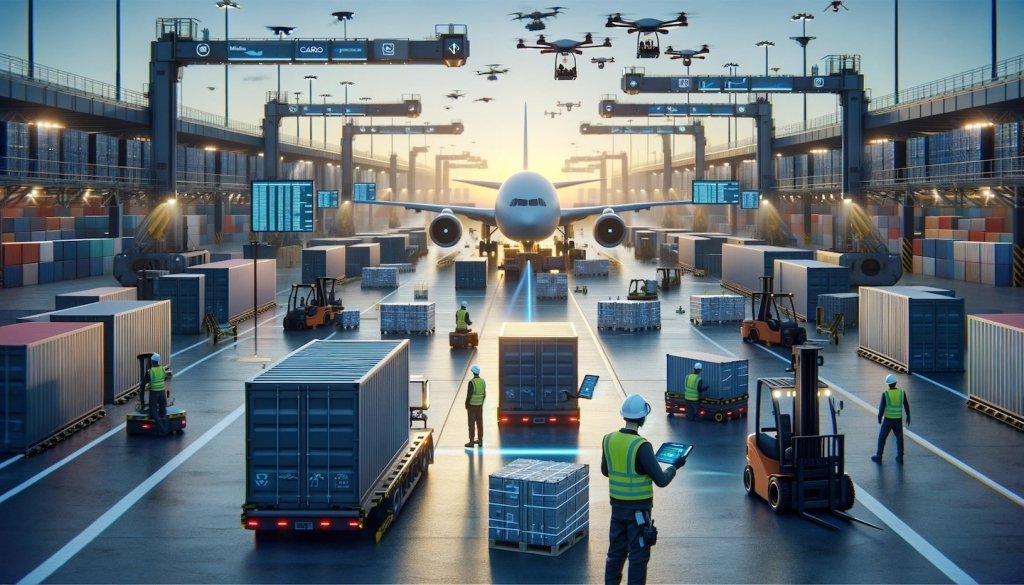
Photo: eNEST
Between 2017 and 2021, blockchain was positioned as the game-changer for the air cargo sector, offering digital airway bills, tamper-proof documentation and efficient records. But slow adoption by the sector, coupled with the rapid advancement of artificial intelligence and robotics, has pushed blockchain to a supportive domain.
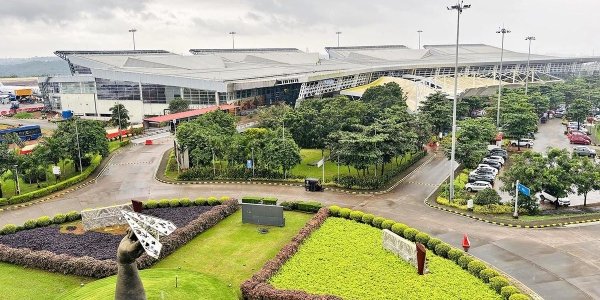
When it began, several projects took off in India. The Rajiv Gandhi International Airport in Hyderabad introduced the Vaccine Ledger. At Bengaluru’s Kempegowda International Airport, Kale Logistics Solutions developed a blockchain-based Airport Cargo Community System (ACCS) that allowed airlines, freight forwarders, customs, and ground handlers to share records seamlessly and eliminate paperwork.
Apollo LogiSolutions, in partnership with IndiGo Cargo and StaTwig, deployed blockchain during the pandemic for vaccine distribution, providing visibility across the supply chain, ensuring cold chain compliance, and minimising the risk of counterfeit medicines.
Overarching AI Swathe
The technology showed promise, but then artificial intelligence (AI) took over. The AI swathe seems overarching at the moment.
The primary reason for the slow adoption of blockchain has been the structure of the air cargo industry, per se, where multiple stakeholders are in the supply chain. Aligning these stakeholders, including airlines, freight forwarders, ground handlers, customs, and transport providers, onto a single blockchain network has not only proved complex but also challenging.
With interoperability issues, too many pilots were siloed, without standardisation, and that limitation remains. Above all, the costs of deploying blockchain infrastructure have been high, and each of the cargo operators weighed return on investment before making any commitment. As a result, blockchain has remained a supporting tool in the cold chain, customs integrity, and document verification, among other applications.
Air cargo operators are using blockchain, but not with the same hype or broad adoption that was predicted a few years ago.
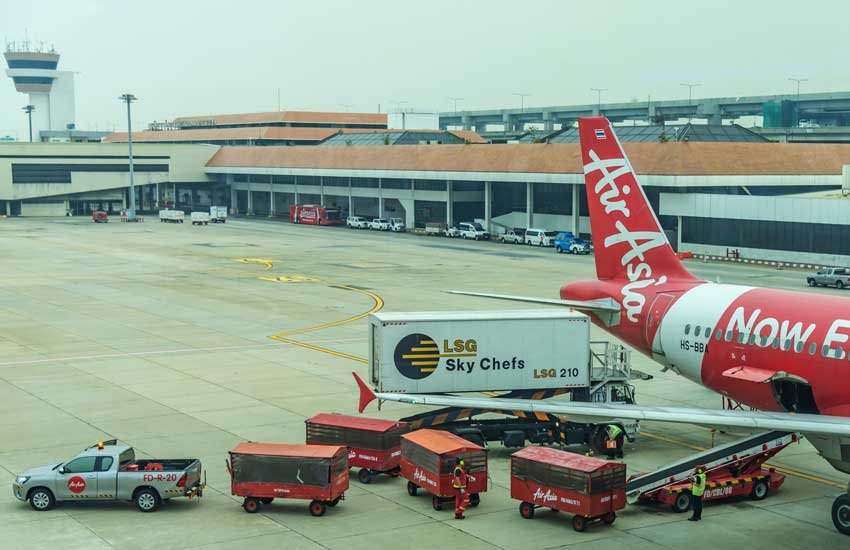
For instance, Air Asia’s logistics arm, Teleport, in April 2020 launched Freightchain, the world’s first blockchain-based digital air cargo network. It enabled real-time bidding and booking of AirAsia’s cargo capacity, with its first pilot flight shipping pharmaceuticals from Bengaluru to Ulan Bator in Mongolia.
Freightchain was actively used to digitally interline AirAsia Group flights with other carriers, expanding Freightchain’s reach and bringing on board around 10 airlines and their agents by mid-2021. This initiative helped improve capacity utilisation and streamline booking processes, but then it didn’t really take off as expected by the company.
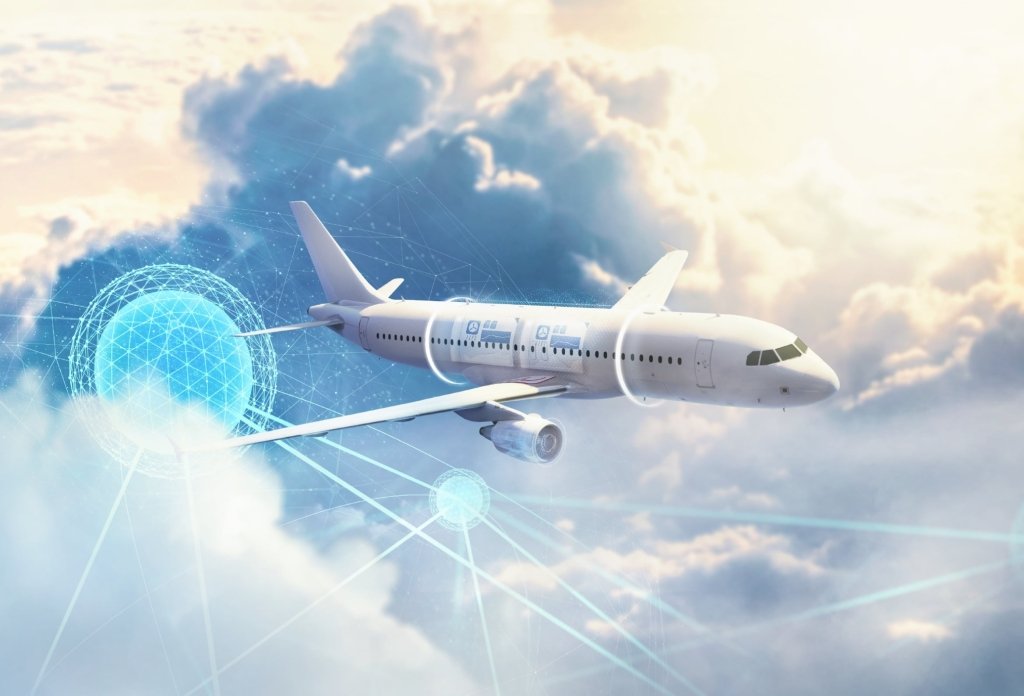
Photo: Group Concorde
Teleport discontinued the platform. In an email response, Teleport said that it “had previously launched Freightchain, our blockchain-based air cargo booking platform.
However, the platform is no longer in operation.” Teleport has shifted focus to broader logistics solutions, such as Wiremind’s ‘Skypallet’ (cloud-based software as a service) for smarter load planning, and is targeting to deliver two million parcels by 2025 through a hybrid network of belly cargo and freighters.
Blockchain in pharma and cold chain
Instead of being a universal solution, blockchain today is used in specific, high-value use cases where data integrity, traceability, and security are non-negotiable. For instance, it’s in use in pharmaceutical and cold chain logistics.
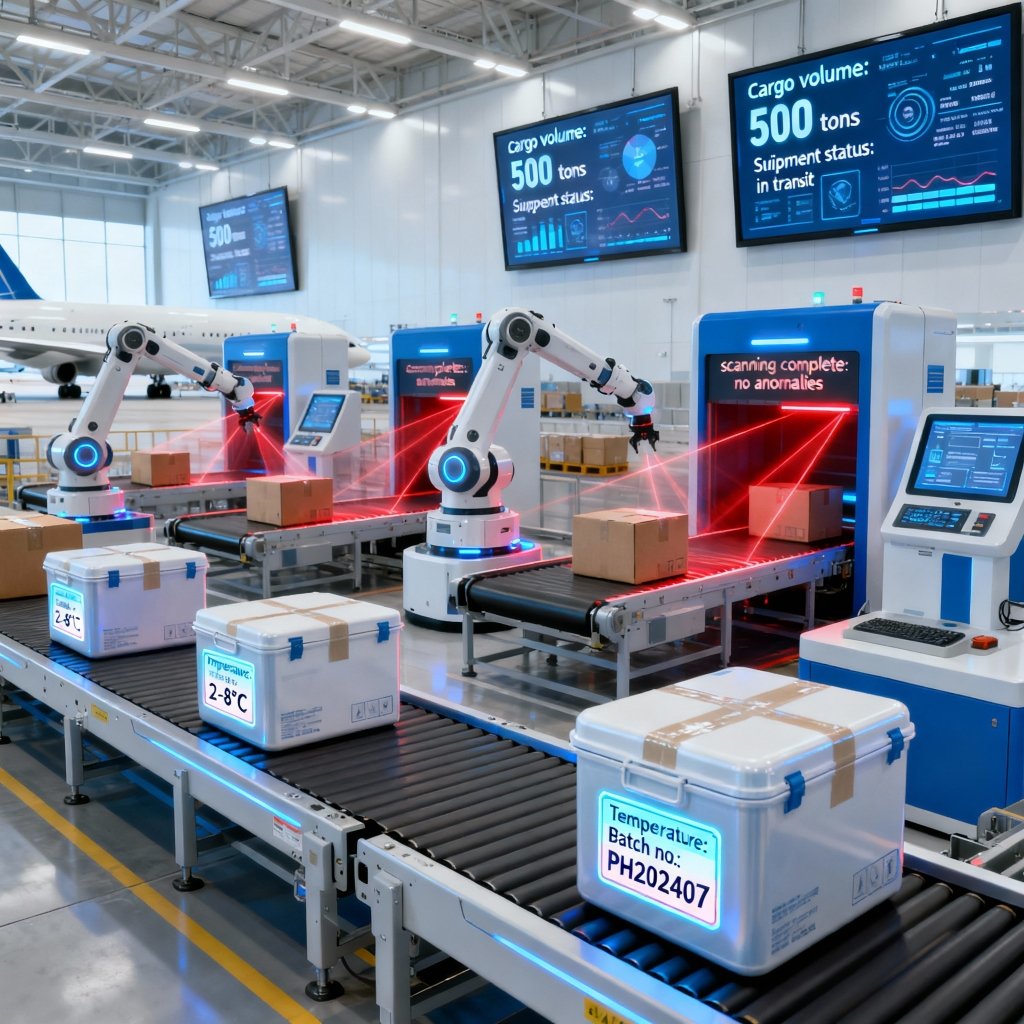
There is the example of GMR Hyderabad Air Cargo, which has deployed Vaccine Ledger (StaTwig’s blockchain platform) to ensure end-to-end visibility of vaccine and pharma shipments, wherein the blockchain technology continuously logs temperatures, handover and transportation of pharma products, thus reducing risks of spoilage.
Representative Image
Similarly, the Central Board of Indirect Taxes and Customs (CBIC) has experimented with blockchain to create tamper-proof digital records for cargo clearance.
Some of these pilots are still ongoing, though integration with legacy systems remains slow. In October 2021, the CBIC launched a prototype of the Electronic Cargo Tracking System (ECTS), powered by blockchain.
The pilot was implemented at the Inland Container Depot (ICD) Tughlakabad in Delhi, with a focus on high-risk goods, such as liquor.
The initiative aimed to secure container documentation and enable GPS-based tracking, promising enhanced data integrity and reduced revenue leakage. The very next year, it deployed blockchain to curb illicit trade. The technology, combined with RFID tagging, was used to enhance end-to-end tracking of cargo movements, including storage in bonded warehouses and Special Economic Zones (SEZs).
Customs clears 52 per cent of air cargo the same day
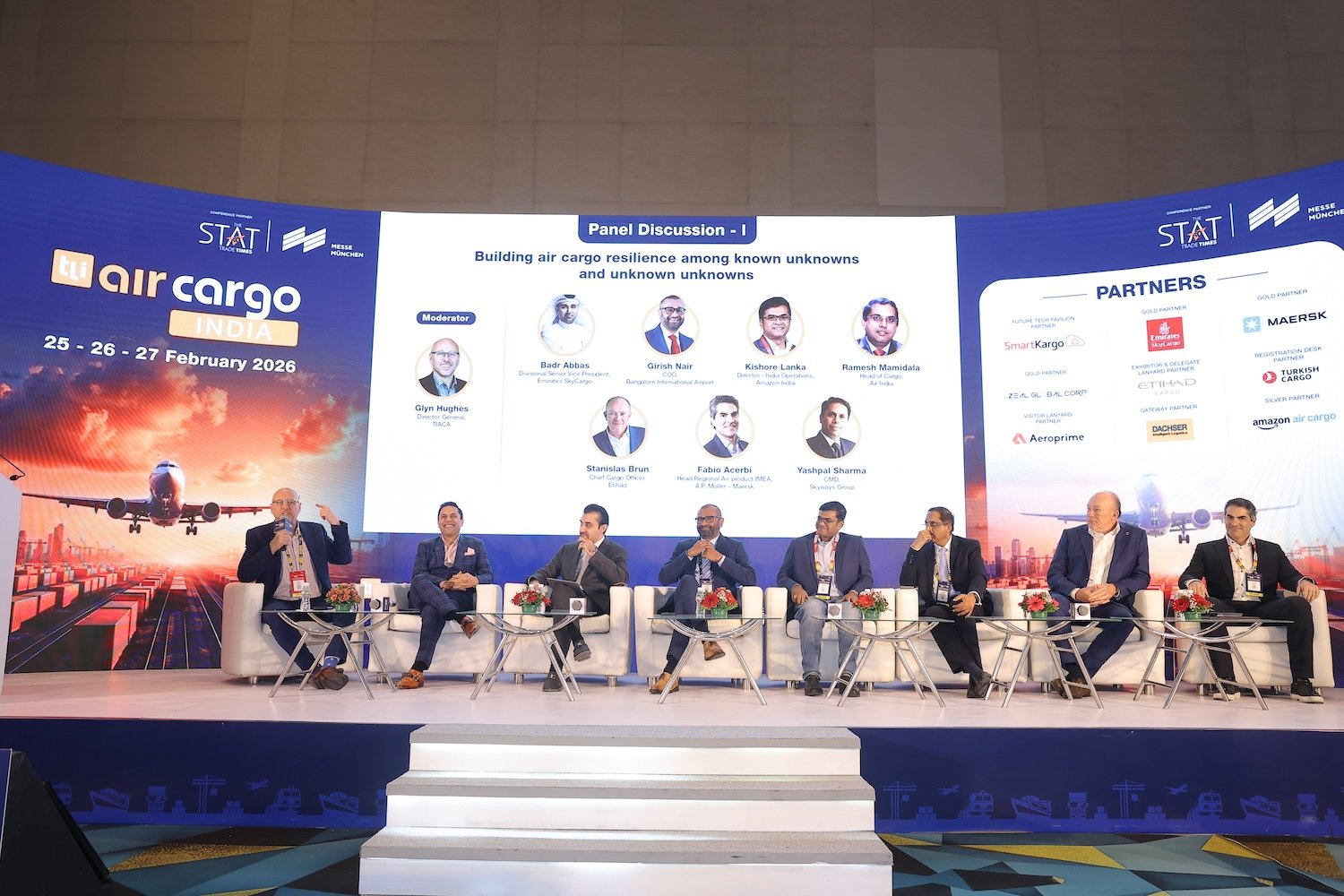
At the recent Air Cargo Forum India in Delhi, where a knowledge paper titled ‘India’s Air Cargo Horizon – Seizing Global Reroutes, Regional Dominance and Resilience’ was launched, the Principal Commissioner of Customs, Delhi, Dheeraj Rastogi, pointed out that customs operations have evolved, integrating advanced technologies such as AI, blockchain, and risk-based segmentation. These innovations have reportedly contributed to more efficient cargo processing and reduced transaction costs.
Rastogi mentioned, “Currently, 52 per cent of air cargo is cleared on the same day, with average clearance time at Delhi Air Cargo reduced from 41 hours to 35 hours. The department remains committed to maintaining a fine balance between revenue mobilisation, national security, trade facilitation, and legal compliance. Given the increasing complexities introduced by e-commerce, a collaborative, data-driven approach between industry stakeholders and regulatory authorities is imperative. Our collective goal must be to build a seamless, AI-enabled ecosystem that supports India’s emergence as a global leader in air cargo logistics.”
With India’s air cargo volumes projected to triple to 10 million metric tonnes per annum (MTPA) by 2030, the paper highlighted the sector’s rapid evolution, driven by the e-commerce boom, policy momentum, greenfield infrastructure and rising demand for high-value cargo, such as pharmaceuticals and perishables.
Amar Kale, CEO and Co-Founder of Kale Logistics Solutions, has said that technologies such as AI, blockchain, robotics, driverless trucks, data clouds, etc., are disruptive and transforming the air cargo sector.

He states that declarations, if not documents, may still be required, and critical documents like the Certificate of Origin will be issued using the ‘blockchain’ technology.
When the driverless trucks arrive at the shipper’s warehouse, smart tags can be placed on packages, allowing devices connected to the Internet of Things (IoT) to communicate over a 5G network.
While the truck is en route, the forwarder can pay the terminal charges using cryptocurrency/blockchain technology or book a slot for acceptance at the airport. The electronic token can be delivered to the truck. The boom barriers at the airport cargo complex could be opened based on the electronic token in the truck, and the truck could then dock at the assigned dock.
“The cargo would announce itself at the terminal and can be screened via high-speed, high-resolution scanning technology and volume/weight measuring machines. Shipments that have already received pre-clearance can move on the roller skates directly into the collapsible containers or pallets with in-built identification tokens based on the load plan received by the carrier’s system. The ULDs (unit load devices) can be sealed with electronic seals and moved on the roller skates onto the driverless dollies, from where they can then be loaded onto an aircraft. The APIs from the aircraft navigation system constantly show the movement of cargo in the air.”
Cargo Management System
Kale Logistics has introduced the Cargo Management System (CMS), which tracks, stores, and delivers, revolutionising the logistics industry by enhancing visibility, speed, and cost efficiency. CMS is a centralised platform that automates and streamlines cargo operations across air, sea, road, and rail. From booking and documentation to tracking, billing, and compliance, it replaces manual, paper-heavy workflows with real-time digital processes, ensuring faster, more accurate, and more resilient cargo movement.
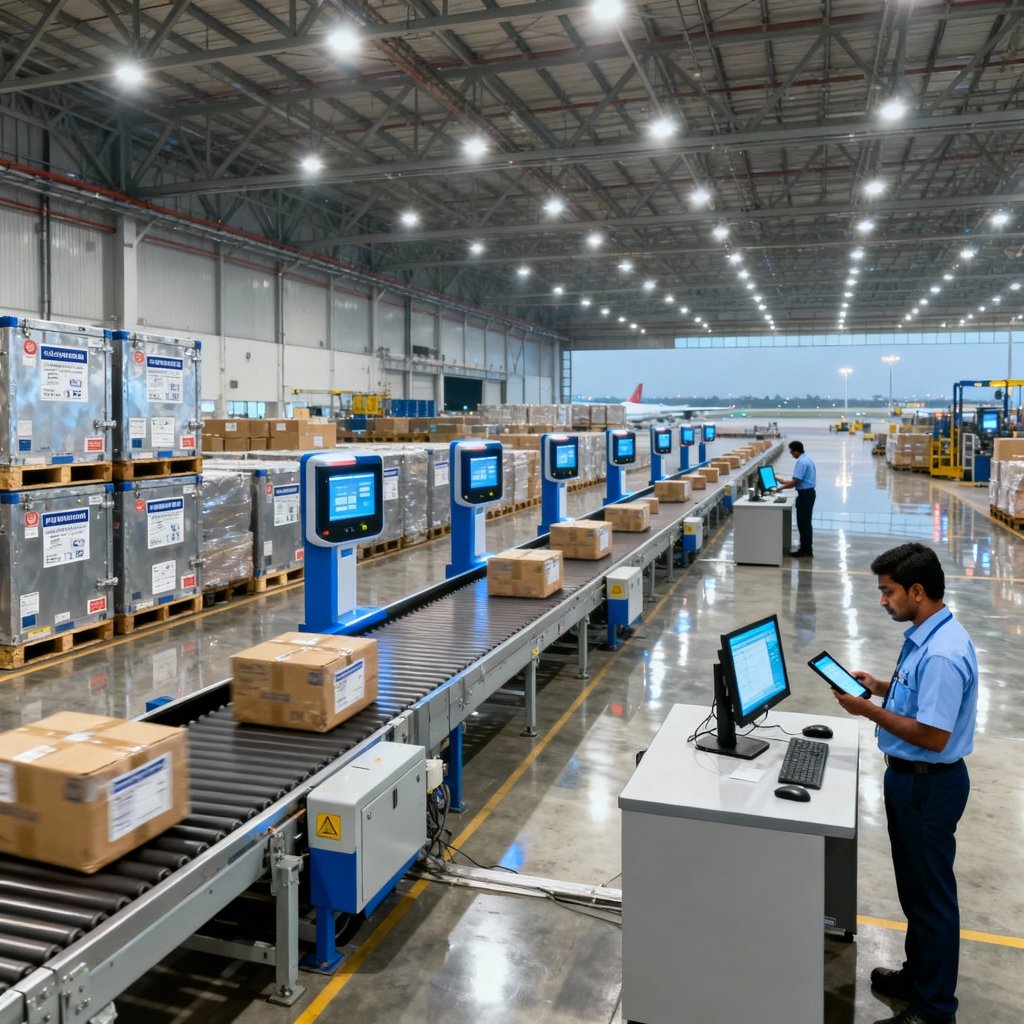
Kale Logistics adds that AI, machine learning, and blockchain will make CMS platforms smarter, predicting delays, optimising loads, and enhancing trust. As autonomous vehicles and robotics grow in logistics, CMS will serve as the command hub for a highly automated supply chain. A CMS is no longer optional; it is imperative.
Bengaluru International Airport has already adopted an ACS (Airport Community System) platform with blockchain components, enhancing transparency and coordination among stakeholders. Similarly, in the movement of high-value cargo, such as luxury goods, electronics, and perishables, some operators and forwarders are turning to blockchain for chain-of-custody tracking, ensuring that shipments remain untampered throughout transit. This offers shippers and customers greater confidence in the integrity of their goods.
Blockchain Perfect Fit for Pharma
While blockchain pilots in air cargo span multiple categories, pharmaceuticals represent the strongest case for adoption. With India being the world’s largest supplier of generics, it exports over $25 billion worth of drugs annually to more than 200 countries—nearly 60 per cent of which move by air cargo.
Given the sensitive nature of medicines, these shipments must strictly comply with temperature controls and international regulations such as EU Good Distribution Practices (GDP) and U.S. FDA standards. Even minor lapses in documentation or cold chain management can lead to shipment rejections, reputational risks, and, in severe cases, compromised efficacy of life-saving drugs.
Despite investments in dedicated pharma corridors at hubs like Mumbai, Delhi, Hyderabad, and Bengaluru, persistent challenges remain—manual paperwork, cold chain integrity gaps, fragmented operations, and a lingering trust deficit in importing markets. This is where blockchain and other digital technologies can deliver transformative value.
AI is now a frontline technology
Air cargo operators still use blockchain, but only in specialised, high-trust applications like vaccine logistics, customs transparency, and high-value shipments. For day-to-day efficiency, the industry has pivoted towards AI and digital platforms that are easier to scale across the ecosystem. It’s not so much that blockchain is outdated, but rather that AI delivers faster and has a visible ROI.
Blockchain is still relevant for tamper-proof audit trails (e.g., for pharma and high-value goods); Customs and compliance transparency; and multi-party data integrity. Meanwhile, AI leads in operational optimisation and real-time decision-making. AI, with its predictive and optimisation power, has become the frontline technology driving efficiency, speed, and resilience in modern air cargo operations.
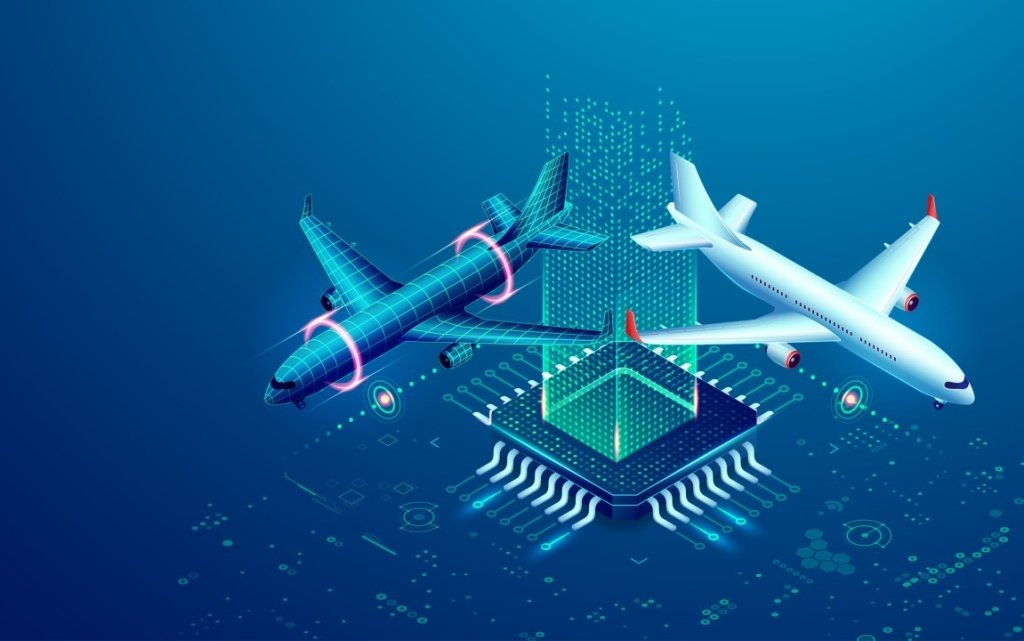
India’s air cargo sector handles over 3.1 million tonnes annually and is on the cusp of a digital transformation. With e-commerce, pharmaceuticals, automotive, and perishables driving volumes, the pressure on stakeholders to deliver speed, accuracy, and traceability has never been higher.
The Airports Authority of India Cargo Logistics and Allied Services (AAICLAS) is in the process of integrating blockchain and artificial intelligence into its future IT backbone to improve secure data exchange.
Reducing Dwell Times
Digital technologies can help reduce cargo dwell times at Indian airports, which currently average around 96 hours, to the global benchmark of 48 to 72 hours. By building auditable cold chain records it could provide a boost to India’s pharma exports. For e-commerce players, blockchain-enabled automation promises quicker cross-border clearances and smoother handling of surging parcel volumes.
The path to large-scale adoption is not without obstacles. High implementation costs make it difficult for smaller freight forwarders to invest in blockchain systems. Global interoperability standards are still evolving, raising questions around compatibility with international platforms.

Over the next five to seven years, selective adoption is likely in high-value shipments, pharmaceuticals, perishables, and cross-border e-commerce, before scaling across the entire air cargo network. With the right mix of government policy, airport-led initiatives, and industry collaboration, blockchain and other digital technologies could soon become the backbone of India’s air cargo modernisation drive, ensuring that the country’s exports—notably in pharmaceuticals—are not just cost-competitive but trusted, compliant, and future-ready.
Also Read: Grounded by Policy: Why India’s Air Cargo Dreams Remain Stalled