





From Distance to Duration: How Air India’s 787-9 and IndiGo’s A321XLR Are Redesigning Cabins

- Indian airlines are beginning to design cabins around flight duration and passenger endurance, not just route distance.
- Air India’s line-fit 787-9 sets a consistent long-haul cabin baseline focused on passenger recovery and reduced fatigue.
- IndiGo’s A321XLR uses a lower density layout and increases seat pitch to improve comfort on 7–8 hour narrowbody flights.
Indian flyers are spending more time in the air than ever before. Not just crossing oceans, but lingering in pressurised cabins for eight, ten, sometimes sixteen hours at a stretch.
In 2026, the most important aviation question is no longer how far Indian airlines can fly. It is how human those hours feel.
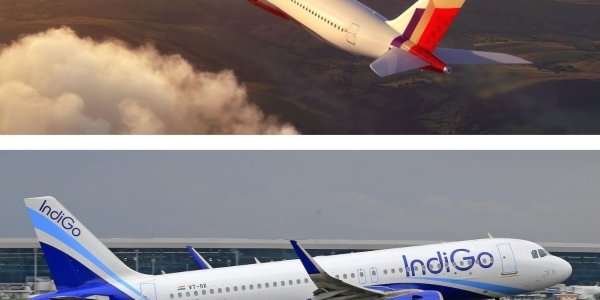
The near-simultaneous arrival of a new Air India Boeing 787-9 Dreamliner and the induction of the IndiGo Airbus A321XLR may look, on the surface, like two unrelated fleet stories. One is a widebody renewal, the other a narrowbody expansion. But together, they mark something more consequential: Indian airlines are finally designing aircraft cabins around endurance, recovery, and consistency—around the passenger’s body, not just the airline’s network map.
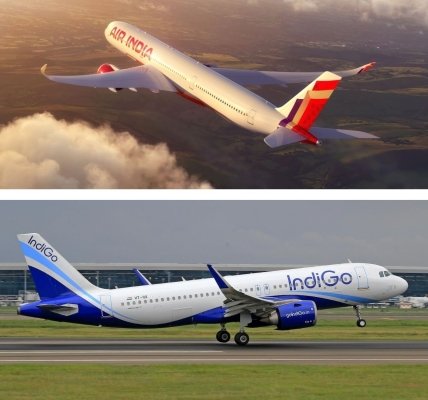
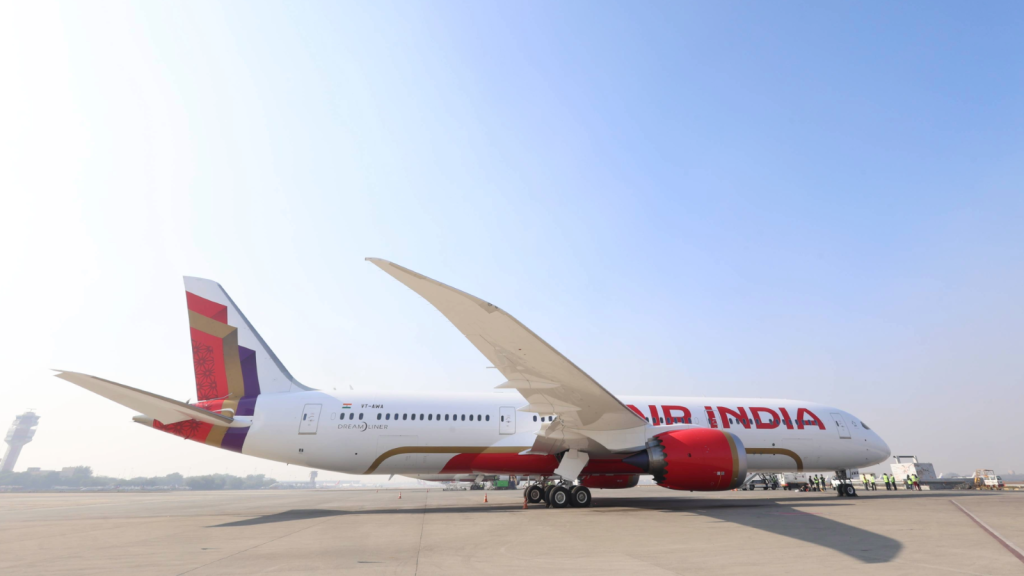
Take the Dreamliner. Air India’s first Tata-era Boeing 787-9, registered VT-AWA, arrived in Delhi after a nearly 17-hour non-stop ferry flight from Everett. The headlines focused on the word line-fit. For passengers, that word quietly changes everything.
A line-fit aircraft is not retrofitted, patched together, or cosmetically refreshed. Its seats, galleys, lavatories, lighting, wiring and entertainment systems are installed directly on the production line. The result is not just newer hardware—it is coherence.
A line-fit Dreamliner does not feel assembled. It feels authored.
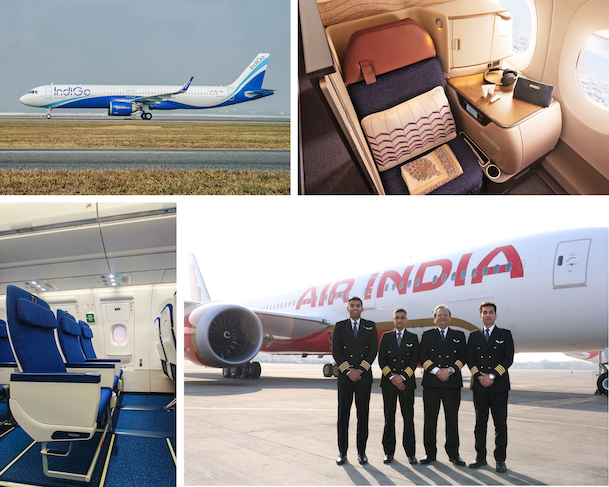
This matters because the 787-9 is a time machine, not a showpiece. Air India’s aircraft carries 296 passengers across three cabins—Business, Premium Economy and Economy—and every one of those cabins assumes fatigue.
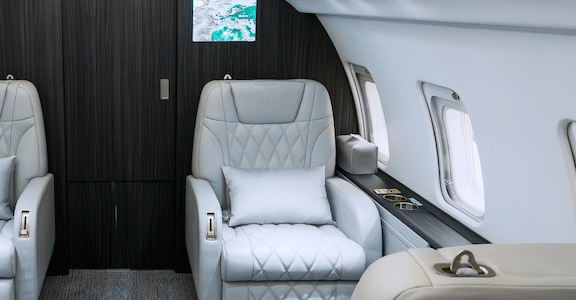
Business Class is arranged in a 1-2-1 layout, giving every passenger direct aisle access and a fully flat bed designed around sleeping posture rather than lounge aesthetics. The emphasis is not on visual drama but on recovery: consistent lighting, usable storage, intuitive controls, and fewer mechanical interruptions over a 12–16-hour duty cycle.
Premium Economy finally feels like a true middle ground. Wider seats, greater recline, leg rests and fixed shell spacing mean that the extra space is structural, not just marketed. This is a cabin built for travellers who will remain seated for long stretches, not just eat a better meal.
Economy benefits most quietly. Slimmer seat backs preserve knee clearance without turning rigid. Power ports and personal screens are standard, not apologetic. Add the Dreamliner’s inherent advantages—lower cabin altitude, higher humidity, larger windows, smoother airflow—and the result is cumulative comfort rather than instant gratification.
Even lavatories are part of this thinking. Line-fit lavatory modules are brighter, modular, and easier to service mid-flight. Better ventilation and components designed for long duty cycles mean fewer failures. On a 14-hour sector, a functioning lavatory is not a convenience—it is structural comfort.
If the Dreamliner is about recovery, it is also about trust. Passengers stop bracing for inconsistency.
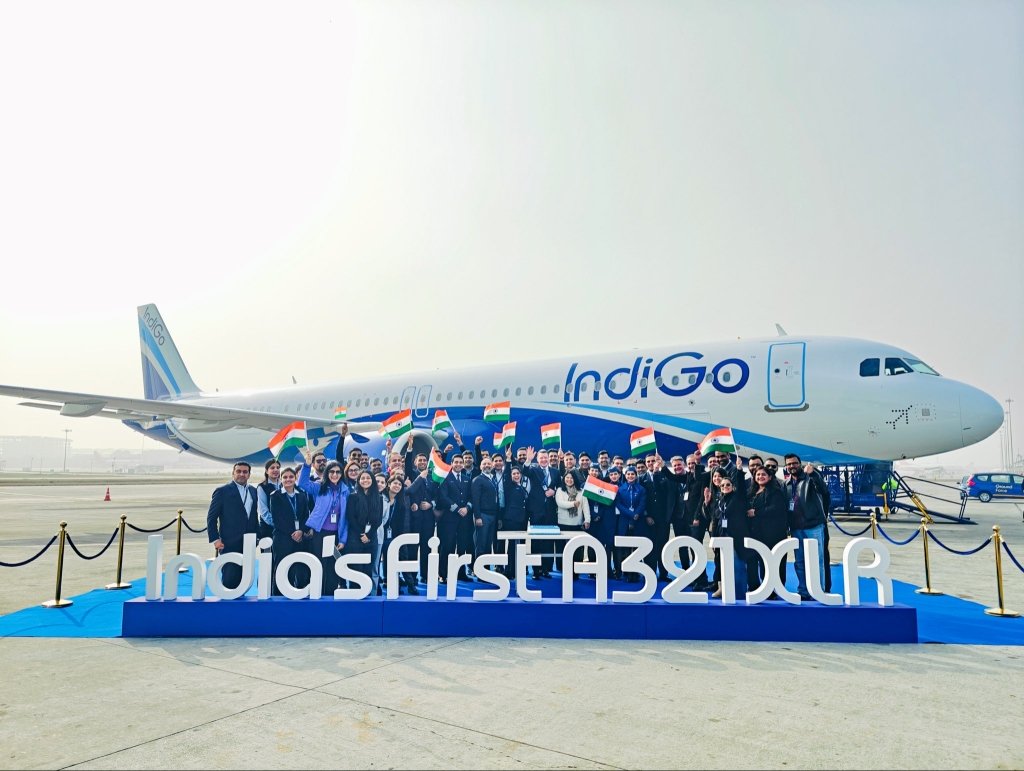
If Air India’s widebody is about recovery, IndiGo’s Airbus A321XLR is about resilience—designing endurance into a single aisle.
The XLR stretches the narrowbody concept to flights of seven to eight hours from India, a duration once considered widebody-only territory. Technically impressive. Humanly risky. Narrowbodies magnify every weakness: seat density, aisle congestion, lavatory queues, and the inability to move freely.
IndiGo’s answer is not luxury. It is restraint.
The airline’s A321XLRs are configured with 195 seats—dramatically fewer than its high-density A321neos. The difference is measurable:
- 12 IndiGo Stretch seats at 44 inches of pitch
- 183 Economy seats at 31 inches of pitch
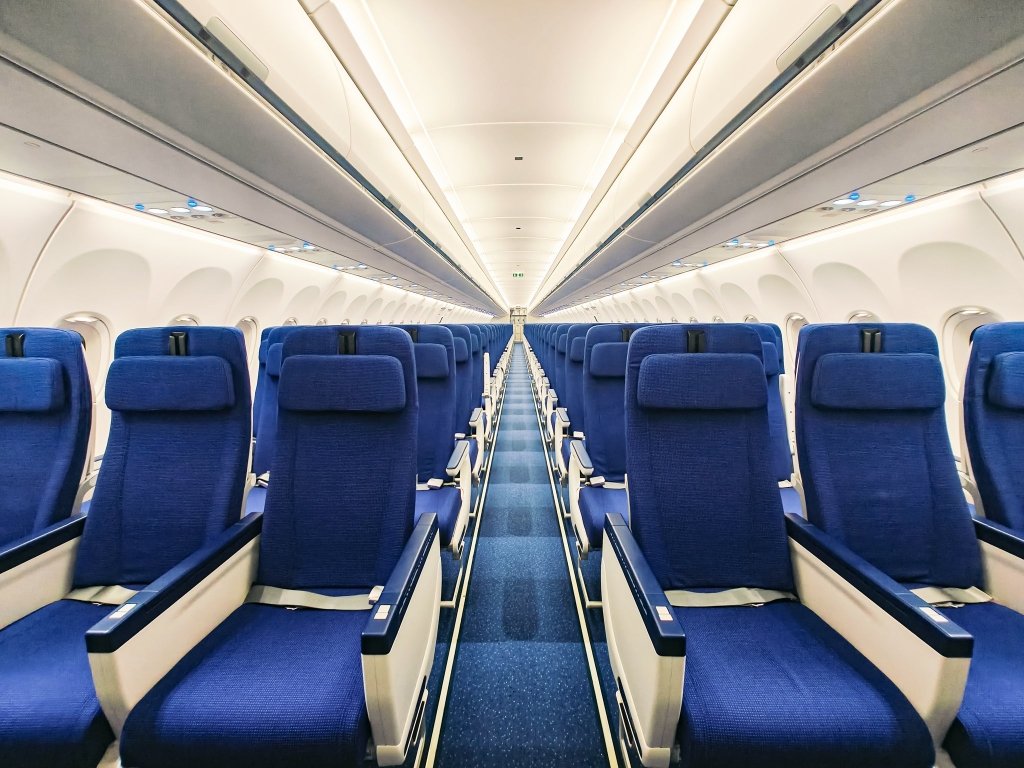
By comparison, IndiGo’s standard A321neo carries over 220 seats, with Stretch at 38 inches and Economy at just 28.5 inches. On the XLR, that translates into six extra inches of pitch up front and 2.5 extra inches in Economy—a subtle change on paper, but decisive over eight hours.
Stretch remains a reclining, non-flat product, but the numbers matter. The Recaro R5 seats, now fitted with calf rests, are spaced to allow circulation rather than indulgence. The extra pitch exists not for marketing slides but to support posture over time.
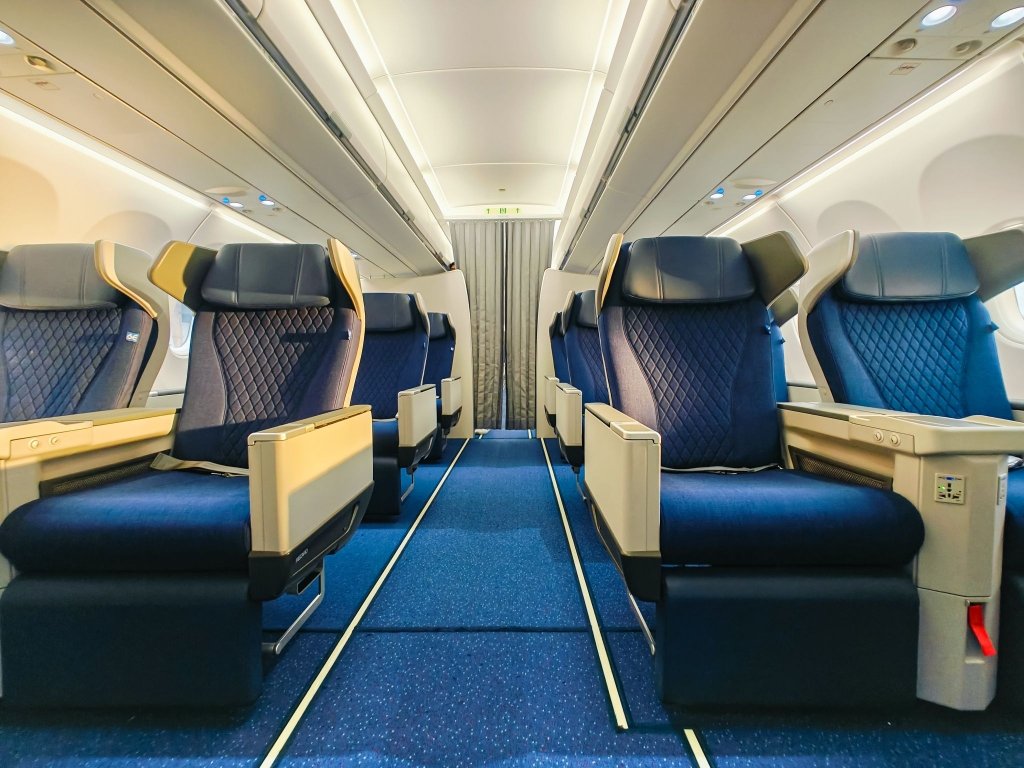
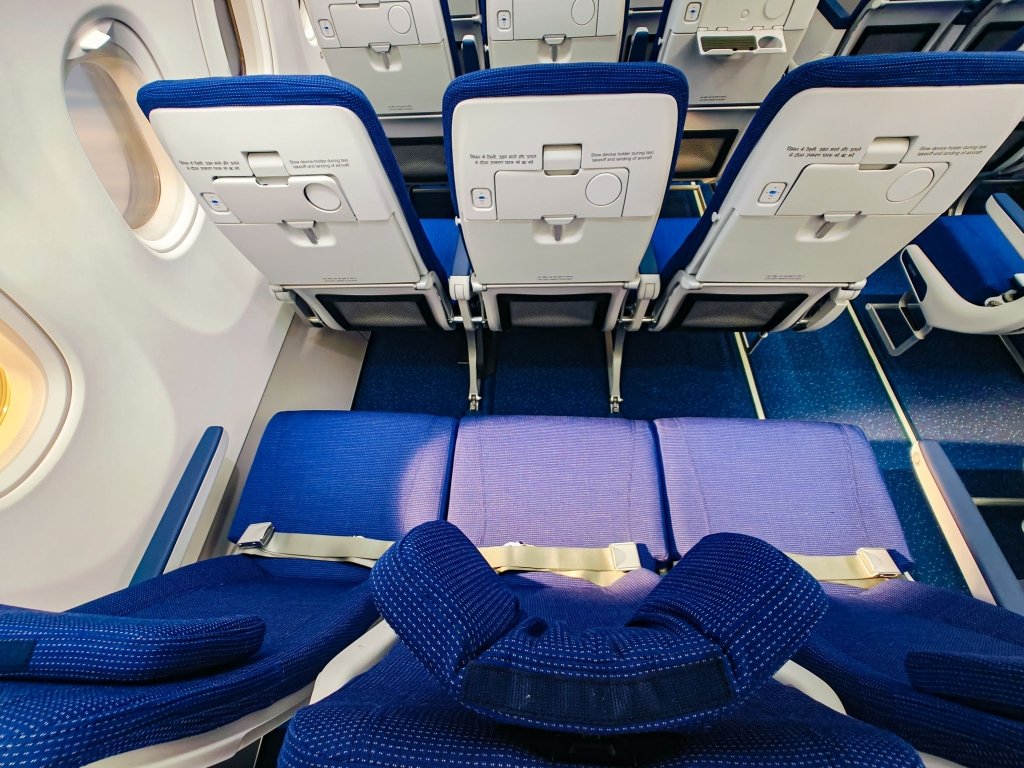
Economy uses the Recaro R2 seat, with improved padding and a fixed seatback device holder. At 31 inches, legroom is still modest—but no longer punitive. Charging ports are available even in Economy, acknowledging that endurance now includes device life as much as body comfort.
The cabin behaves predictably. Slimline seats are firm rather than plush. Overhead bins feel less oppressive. Lighting transitions are tuned for longer sectors. Noise levels are controlled. The cabin at hour seven feels much like the cabin at hour one.
Lavatories, again, are the pressure point. IndiGo is expected to install four lavatories—one forward, three aft—on a long single-aisle aircraft. That is still tight, but survivable, provided reliability holds. When a lavatory fails on a narrowbody, the entire cabin feels it. On the XLR, lavatory endurance is not glamour—it is survival engineering.
Air India and IndiGo are not chasing the same passenger. Yet they are arriving at the same conclusion.
The Dreamliner allows Air India to define a baseline—a consistent long-haul experience that can finally be scaled as more line-fit 787-9s arrive and legacy 787-8s are retrofitted.
The A321XLR forces IndiGo to acknowledge that efficiency alone collapses beyond five hours. Endurance must be designed, not assumed.
Neither aircraft is about spectacle. Both are about what happens after novelty wears off.
As these aircraft enter service through 2026, passengers will not remember model numbers or range statistics. They will remember whether they slept. Whether their knees survived. Whether the aisle flowed. Whether the lavatories worked eight hours in.
Once passengers experience consistency, they stop forgiving inconsistency.
That is the quiet shift underway. Indian aviation is moving from asking travellers to endure flight to inviting them to inhabit it, hour after hour, without apology.
The change is subtle. But this time, it is unmistakably human.
Also Read: Passenger Rights on Paper, Weak in Practice: India’s Aviation Reality