
















- High Salary with Growth Potential: Starting salaries for ATCs range from ₹70,000–₹1,00,000 per month, with experienced and senior controllers earning ₹3,00,000–₹5,00,000 monthly, making it one of the most lucrative aviation careers in India.
- Critical Responsibilities and Challenges: ATCs manage aircraft movements, ensure flight safety, and coordinate with pilots and ground staff. The role is mentally demanding, involves high stress, rotational shifts, and requires precision, justifying their premium pay.
- Career Progression and Perks: ATCs can advance from junior controllers to senior supervisors, regional or chief controllers. Benefits include housing, medical facilities, allowances for night shifts, job security, and opportunities for specialization or international deployment.
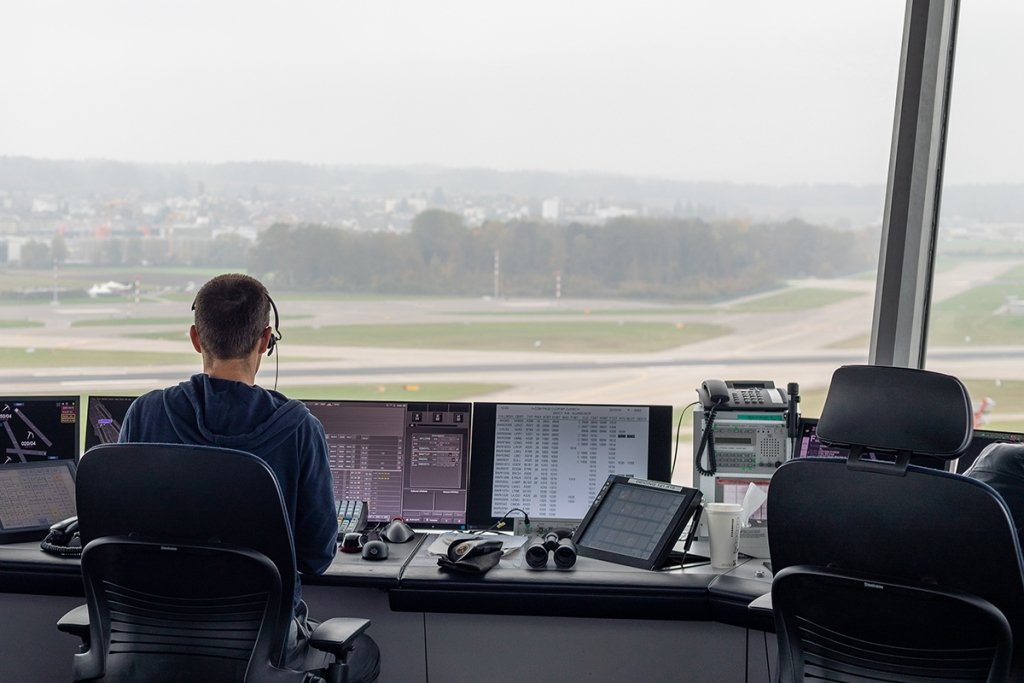
Air Traffic Controller Salary
Air traffic controllers (ATCs) are the unsung heroes of the aviation industry. They ensure the safe takeoff, flight, and landing of thousands of aircraft every day, making them critical to national and international air travel. A career as an air traffic controller is challenging, requires precision, and comes with significant responsibilities. Naturally, the salary and benefits for ATCs in India are also noteworthy.
In this article, we will cover the air traffic controller salary in India, factors affecting it, career progression, job roles, training, and perks, along with future prospects in Indian aviation.
Who is an Air Traffic Controller?
An air traffic controller is responsible for managing the flow of aircraft in the sky and on the ground. Their main tasks include:
- Guiding pilots during takeoff and landing.
- Monitoring aircraft positions using radar systems.
- Maintaining safe distances between aircraft.
- Coordinating with ground staff and pilots for smooth operations.
- Providing weather updates and emergency instructions.
Air traffic controllers work in control towers at airports, area control centers, and en-route centers. Their work is mentally demanding and requires exceptional concentration, quick decision-making, and strong communication skills.
Air Traffic Controller Salary in India
The salary of an air traffic controller in India varies based on experience, location, rank, and type of organization (government or private sector).
1. Starting Salary
A fresh air traffic controller in India can expect a starting salary between ₹70,000 to ₹1,00,000 per month. This includes:
- Basic Pay
- Allowances such as Dearness Allowance (DA), House Rent Allowance (HRA), and Transport Allowance
- Other perks like medical facilities
The initial pay may seem high compared to many other government jobs because of the critical nature of the role and high stress involved.
2. Mid-Level Salary
With 5–10 years of experience, an ATC’s monthly salary can rise to ₹1,50,000 – ₹2,50,000 per month. At this stage, controllers often take on supervisory roles or specialize in radar, area, or approach control.
3. Senior-Level Salary
Senior air traffic controllers or those in management positions can earn ₹3,00,000 – ₹5,00,000 per month or more. Controllers in major international airports like Delhi, Mumbai, or Bangalore usually receive higher pay due to the increased air traffic volume and responsibility.
Factors Affecting Air Traffic Controller Salary
Several factors influence how much an air traffic controller earns in India:
- Experience & Seniority
- Junior controllers earn less than senior controllers or supervisors.
- Junior controllers earn less than senior controllers or supervisors.
- Airport Location
- Metro airports with high traffic volumes pay higher salaries than smaller regional airports.
- Metro airports with high traffic volumes pay higher salaries than smaller regional airports.
- Type of Employer
- Government ATCs under Airports Authority of India (AAI) have standardized pay scales.
- Private sector or defense ATCs (e.g., Indian Air Force) may have different compensation packages.
- Government ATCs under Airports Authority of India (AAI) have standardized pay scales.
- Shifts & Night Duty Allowance
- ATCs work in rotational shifts, including night and holiday shifts, which often attract additional allowances.
- ATCs work in rotational shifts, including night and holiday shifts, which often attract additional allowances.
- Bonuses and Incentives
- Some airports provide performance-linked incentives based on safety records, efficiency, and other metrics.
- Some airports provide performance-linked incentives based on safety records, efficiency, and other metrics.
Training and Qualifications Required
Becoming an air traffic controller in India is highly competitive. The typical steps include:
- Educational Qualification
- Bachelor’s degree in science, engineering, or mathematics is generally required.
- Bachelor’s degree in science, engineering, or mathematics is generally required.
- Selection Exam
- The Airports Authority of India (AAI) conducts a written test and interview for recruitment.
- The Airports Authority of India (AAI) conducts a written test and interview for recruitment.
- ATC Training Academy
- Selected candidates undergo rigorous training at the ATC training academy for 1–2 years.
- Training includes:
- Air traffic control procedures
- Aviation laws
- Radar operation and simulation exercises
- Selected candidates undergo rigorous training at the ATC training academy for 1–2 years.
- On-the-Job Training
- New ATCs work under supervision at airports until they are certified for independent control.
- New ATCs work under supervision at airports until they are certified for independent control.
The training ensures that controllers are capable of handling complex situations with precision and efficiency, justifying their high salaries.
Perks and Benefits for Air Traffic Controllers in India
Apart from the basic and HRA pay, ATCs enjoy several additional benefits:
- Medical Facilities – Comprehensive health coverage for themselves and family.
- Housing – Government ATCs often receive accommodation or housing allowances.
- Transport – Travel allowances or airport transport facilities.
- Pension & Retirement Benefits – Government ATCs enjoy pension schemes after retirement.
- Shift Allowances – Extra pay for night shifts and rotational duties.
- Job Security – Permanent positions with structured promotions in the government sector.
Career Progression for Air Traffic Controllers
The career path of an ATC in India typically includes:
- Junior Air Traffic Controller – Entry-level, under supervision.
- Senior Air Traffic Controller – Independently manages sectors, supervises juniors.
- ATC Supervisor/Manager – Oversees multiple controllers, ensures operational safety.
- Regional/Chief Controller – Manages operations across multiple airports or airspaces.
With experience, training, and performance, ATCs can progress into higher management roles or specialized fields such as:
- Radar Controller
- Approach/Departure Controller
- En-route Controller
- Airport Operations Manager
Air Traffic Controller Salary Compared to Other Aviation Jobs
In India, ATCs earn higher than most pilots in their early years, due to the mental stress and precision required. Other aviation jobs such as ground staff, flight attendants, and technical staff usually earn less initially.
A typical salary comparison:
| Position | Starting Salary (₹/Month) | Mid-Level Salary (₹/Month) | Senior Salary (₹/Month) |
| Air Traffic Controller | 70,000 – 1,00,000 | 1,50,000 – 2,50,000 | 3,00,000 – 5,00,000 |
| Commercial Pilot | 50,000 – 80,000 | 1,50,000 – 2,00,000 | 3,00,000 – 4,00,000 |
| Ground Staff/Operations | 25,000 – 40,000 | 50,000 – 80,000 | 1,00,000 – 1,50,000 |
| Cabin Crew | 30,000 – 50,000 | 60,000 – 1,00,000 | 1,50,000 – 2,00,000 |
This shows why air traffic control is one of the most lucrative and prestigious aviation careers in India.
Challenges Faced by Air Traffic Controllers
Despite high salaries, ATCs face unique challenges:
- High Stress – Constant vigilance and decision-making under pressure.
- Rotational Shifts – Irregular work hours, night shifts, and holidays.
- Responsibility for Lives – Any error can have serious consequences.
- Continuous Learning – Technology, procedures, and regulations are constantly updated.
These factors justify the premium pay and allowances offered to ATCs.
Future Prospects in Indian Aviation
India’s aviation industry is growing rapidly, with more airports, airlines, and flights being added every year. This leads to:
- Increased demand for skilled air traffic controllers.
- Better salaries and incentives in metro and international airports.
- Opportunities for specialized training in radar, en-route, and approach control.
- Potential for international deployment or defense sector opportunities.
With budget and regional airports expanding, ATCs will remain a highly sought-after profession.
Conclusion
The air traffic controller salary in India is among the highest in the aviation sector, reflecting the skill, precision, and responsibility required for the job. Starting from ₹70,000 per month, it can rise to over ₹5 lakh per month for senior roles, along with generous allowances, housing, and benefits.
If you are looking for a prestigious, high-paying, and impactful career in aviation, becoming an air traffic controller in India is a compelling choice. The combination of career growth, perks, and professional respect makes it one of the most desirable jobs in the country.