











Airbus and Gati Shakti Vishwavidyalaya Partner to Develop Waste-to-SAF Technology in India

- Airbus and Gati Shakti Vishwavidyalaya have signed a Joint Study Agreement to convert waste materials into Sustainable Aviation Fuel (SAF).
- The collaboration aims to create scalable, locally sourced SAF solutions supporting India’s circular economy and clean energy goals.
- Airbus will provide R&D infrastructure, researchers, and waste collection support to advance indigenous SAF technology.
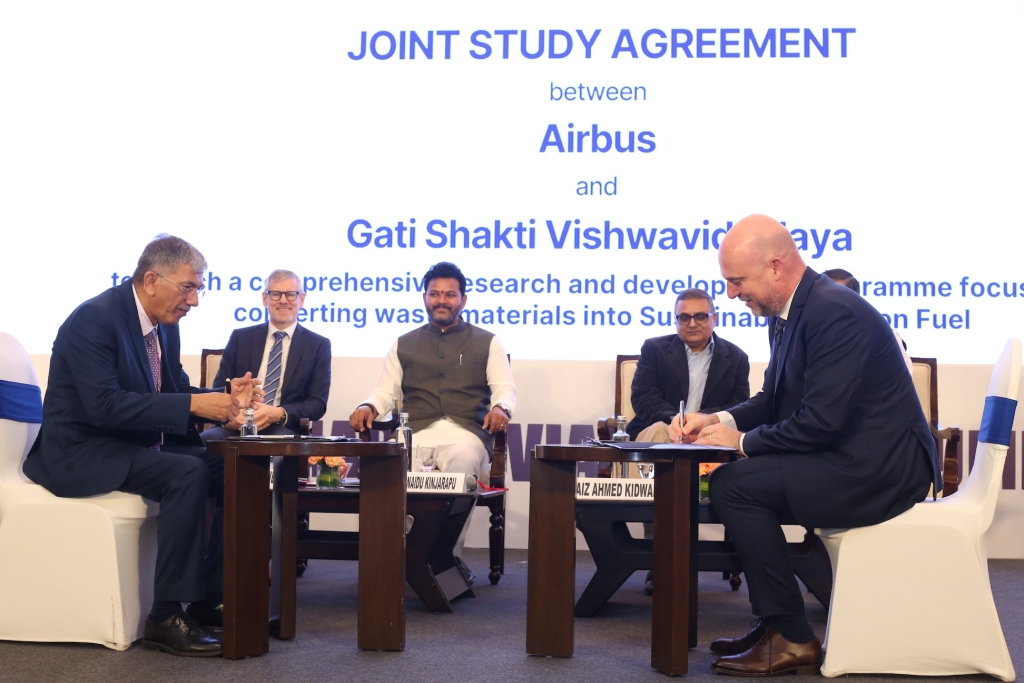
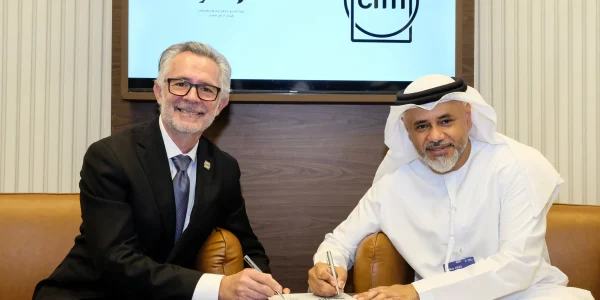
Airbus, a global pioneer in the aerospace industry, and Gati Shakti Vishwavidyalaya (GSV), India’s premier industry-driven university for the transportation and logistics sector, have announced the signing of a Joint Study Agreement (JSA) to launch a comprehensive research and development programme focused on converting waste materials into Sustainable Aviation Fuel (SAF).
The strategic partnership underscores Airbus’ commitment to accelerating the decarbonisation of one of the world’s fastest growing aviation markets and supporting India’s circular economy goals. The JSA is specifically designed to leverage GSV’s academic and research excellence with Airbus’ global industry expertise to create scalable, indigenous solutions for SAF production from Municipal Solid Waste feedstock.
“Our partnership with Gati Shakti Vishwavidyalaya is a strategic investment in creating a sustainable, circular economy for aviation fuel right here in India,” said Jürgen Westermeier, President and MD, Airbus India & South Asia. “This JSA marks a critical step in establishing a locally-sourced SAF supply chain, crucial for the long-term sustainability of the Indian aviation market. The collaboration will foster an environment of applied research, supporting both the ‘Make in India’ and ‘Aatmanirbhar Bharat’ initiatives in the energy sector.”
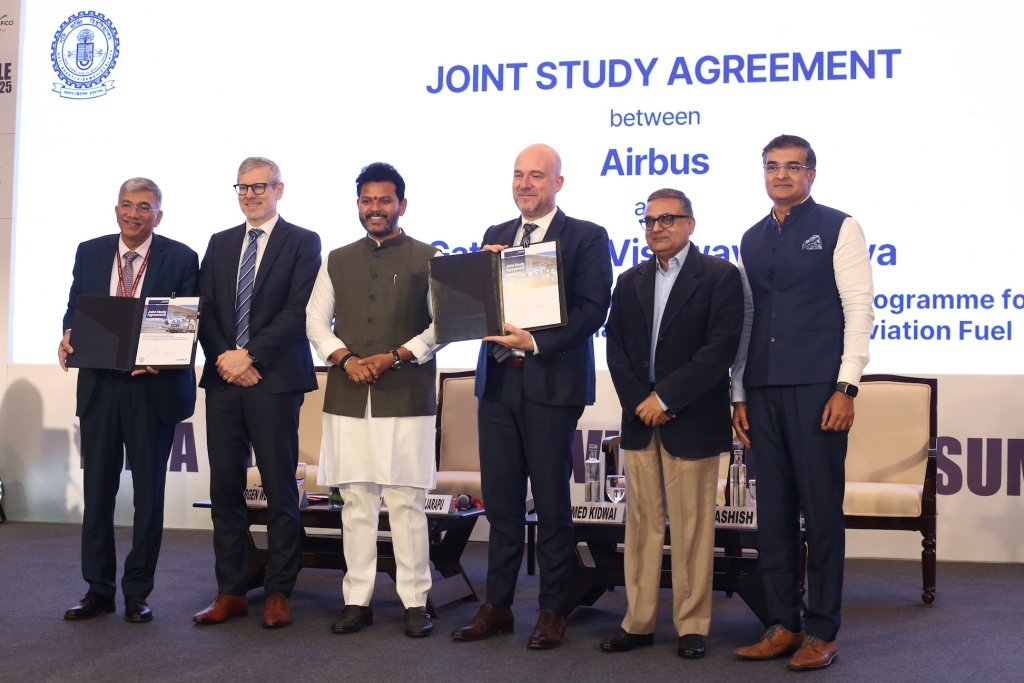
Prof. (Dr.) Manoj Choudhary, Vice Chancellor for GSV, added, “With continued strong support and involvement of industry leader Airbus, GSV shall strengthen the aviation sector in India.”
Under the agreement, Airbus is committing resources to procure advanced R&D equipment for laboratory and pilot-scale studies, hire dedicated researchers at GSV to execute the joint R&D plan as well as supporting backward linkage by providing necessary resources to a local NGO, Earth Rakshak Foundation, which will be responsible for collection and delivery of municipal solid waste from urban and rural centres for this project.
“India possesses a range of feedstock, from agricultural and municipal waste to used cooking oil, positioning it uniquely to become a global hub for SAF production. Coupled with its deep technology talent pool, the nation has the capability to innovate and scale waste-to-SAF conversion technologies rapidly. Such transition to locally-produced SAF can be a significant economic enabler that will create new industries and ultimately contribute to India’s long-term energy sovereignty,” said Julien Manhes, Head of Sustainable Aviation Fuels and Carbon Dioxide Removal, Airbus.
The collaboration is expected to establish a strong indigenous capability in SAF technology, paving the way for a self-reliant future for Indian aviation.
Also Read: Hydrogen Flight Ambitions Advance as Airbus, RTX, and GE Push New Propulsion Frontiers