












Airports in Chicago: Aviation Infrastructure, Operations, and Global Connectivity

- O’Hare International Airport (ORD) is one of the busiest and most influential airports in the world, serving as a major global hub for domestic and international travel. It connects Chicago to major cities across the U.S., Europe, Asia, the Middle East, and Latin America, while also handling significant cargo and aircraft movement volumes.
- Chicago Midway International Airport (MDW) functions as a high-efficiency domestic airport, focusing primarily on short-haul and point-to-point routes. It helps reduce congestion at O’Hare while offering competitive fares and fast aircraft turnaround operations.
- Chicago Rockford International Airport (RFD) and Chicago Executive Airport (PWK) strengthen the region’s aviation ecosystem by supporting large-scale cargo logistics, corporate aviation, and business travel, making Chicago one of North America’s most strategically important air transport centers.
Airports in Chicago
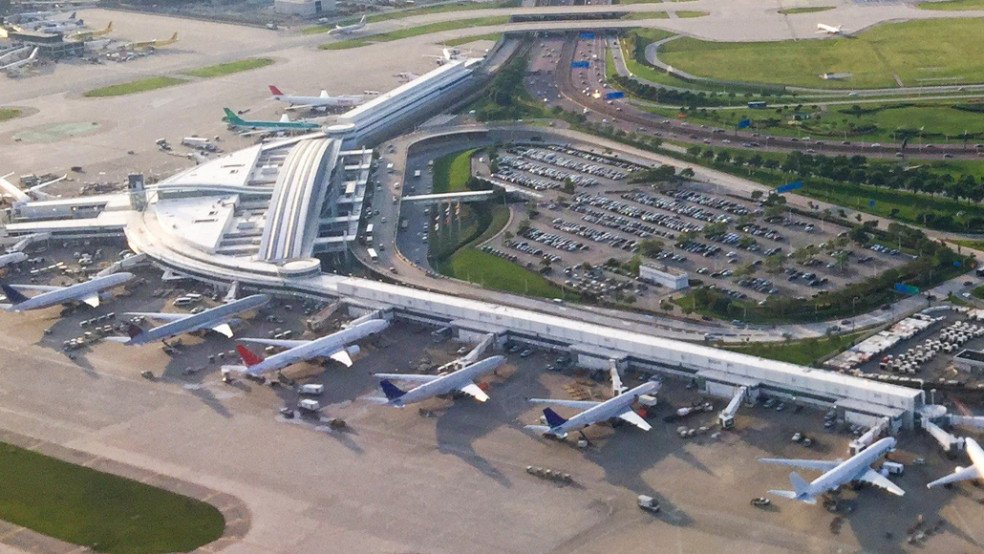
Chicago is one of the most important aviation hubs in the world. Its airports play a critical role in global air transport, domestic connectivity, cargo logistics, and business aviation. Strategically located in the central United States, Chicago functions as a natural crossroads for east-west and north-south air traffic.
The city’s airport system supports high-volume commercial passenger operations, one of the largest air cargo networks in North America, and a strong ecosystem of general and business aviation.
Overview of Chicago’s Airport System
Chicago’s aviation infrastructure is anchored by two major commercial airports and several regional and general aviation facilities. Collectively, these airports handle:
- Hundreds of millions of passengers annually
- One of the world’s highest aircraft movement counts
- Significant domestic and international cargo volumes
Key strengths of Chicago aviation include:
- Central geographic location
- Extensive airline hub operations
- Strong cargo and logistics connectivity
- Advanced air traffic control coordination
O’Hare International Airport (ORD) – Global Aviation Hub
Airport Code: ORD
Location: Chicago, Illinois
O’Hare International Airport is one of the busiest and most influential airports globally in terms of aircraft movements.
Operational Significance
ORD serves as a major hub for:
- Domestic and international passenger traffic
- Large-scale airline hub-and-spoke operations
- High-frequency short-haul and long-haul routes
The airport operates multiple runways configured to support parallel arrivals and departures, enabling high capacity even during peak periods.
Airline and Network Role
O’Hare is a primary hub for major U.S. carriers and connects Chicago to:
- Every major U.S. city
- Europe, Asia, the Middle East, and Latin America
Its scale makes it a critical node in the global aviation network.
Chicago Midway International Airport (MDW) – High-Efficiency Domestic Hub
Airport Code: MDW
Location: Southwest Chicago
Midway International Airport complements O’Hare by focusing on domestic and short-haul operations.
Operational Characteristics
- High aircraft utilization
- Fast turnaround times
- Primarily narrowbody aircraft
Midway is known for operational efficiency despite space constraints and serves as a major base for low-cost and point-to-point carriers.
Strategic Role
MDW helps:
- Reduce congestion at O’Hare
- Provide competitive fare options
- Support regional and business travel
Chicago Rockford International Airport (RFD) – Cargo and Logistics Powerhouse
Airport Code: RFD
Location: Rockford, Illinois
While not located within Chicago city limits, Rockford International Airport is a key part of the Chicago aviation ecosystem.
Cargo Operations
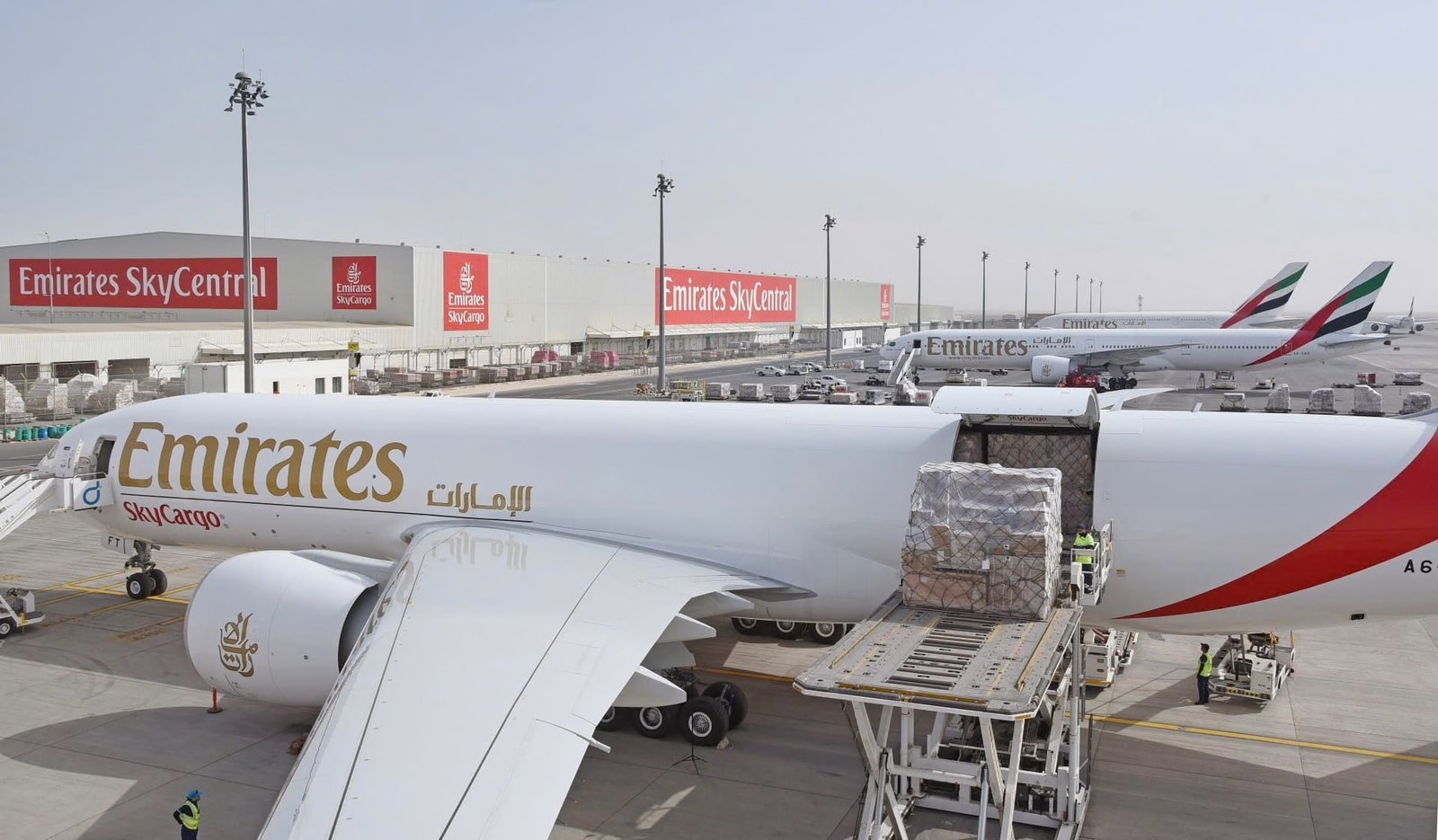
RFD is one of the largest cargo airports in the United States, supporting:
- Express freight operators
- E-commerce logistics
- Overnight and time-critical cargo
Its uncongested airspace and long runways make it ideal for widebody freighters.
Chicago Executive Airport (PWK) – Business Aviation Center
Airport Code: PWK
Location: Wheeling / Prospect Heights
Chicago Executive Airport is a major business and corporate aviation hub.
Aviation Focus
- Corporate jets and charter flights
- Aircraft maintenance and services
- Executive and private aviation
The airport is strategically located near Chicago’s northern business districts and serves Fortune 500 companies and international business travelers.
General Aviation Airports Serving the Chicago Region
Chicago’s metropolitan area is supported by a wide network of general aviation airports that enhance operational flexibility.
Notable facilities include:
- DuPage Airport (DPA)
- Lewis University Airport (LOT)
- Lansing Municipal Airport (IGQ)
These airports support:
- Pilot training and flight schools
- Medical and emergency aviation
- Aircraft storage and maintenance
Air Cargo and Logistics Role
Chicago consistently ranks among the top air cargo markets in North America.
Key Cargo Strengths
- Central U.S. location reduces transit times
- Strong road and rail integration
- Presence of major logistics operators
O’Hare and Rockford together form a powerful cargo corridor supporting:
- Manufacturing supply chains
- Pharmaceuticals and perishables
- E-commerce distribution
Airspace Complexity and Air Traffic Management
Chicago operates within one of the most complex airspace systems in the world.
Key factors include:
- Extremely high aircraft movement density
- Weather variability, especially winter operations
- Coordination between multiple major airports
Advanced air traffic control systems and optimized runway configurations are essential to maintaining efficiency and safety.
Economic Impact of Chicago Airports
Chicago’s airports contribute billions of dollars annually to the regional economy through:
- Direct airport employment
- Airline and aviation services
- Cargo, logistics, and supply chains
- Business travel and trade
They also support the broader Midwest economy by connecting manufacturers, exporters, and service industries to global markets.
Infrastructure Development and Modernization
Ongoing and future priorities include:
- Terminal modernization at O’Hare
- Runway and taxiway efficiency upgrades
- Sustainability initiatives
- Improved passenger and cargo processing
The focus is on capacity optimization rather than uncontrolled expansion, ensuring long-term operational reliability.
Conclusion
Airports in Chicago form one of the most advanced and strategically important aviation systems in the world. From O’Hare’s role as a global hub to Midway’s high-efficiency domestic operations and Rockford’s cargo dominance, each airport plays a specialized role within the region’s aviation ecosystem.
Together, they support passenger mobility, global trade, business aviation, and logistics at a scale few cities can match.