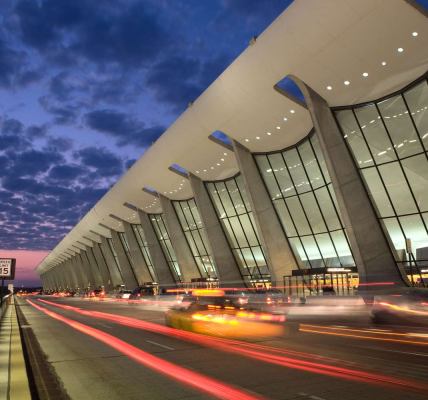


















Airports in Connecticut: Aviation Infrastructure, Operations, and Regional Connectivity

- Bradley International Airport (BDL) is Connecticut’s primary commercial gateway, supporting domestic passenger traffic, limited international routes, and growing cargo operations. Its central location between New York and Boston allows efficient access with less congestion than larger nearby hubs.
- Regional airports such as Tweed New Haven Airport (HVN) and Groton–New London Airport (GON) enhance short-haul connectivity, business travel, and defense-linked aviation operations across the state.
- Connecticut has a strong business and general aviation network, led by Waterbury–Oxford Airport (OXC) and Danbury Municipal Airport (DXR), supporting corporate aviation, aerospace industries, military presence, and regional economic stability within the congested Northeast airspace system.
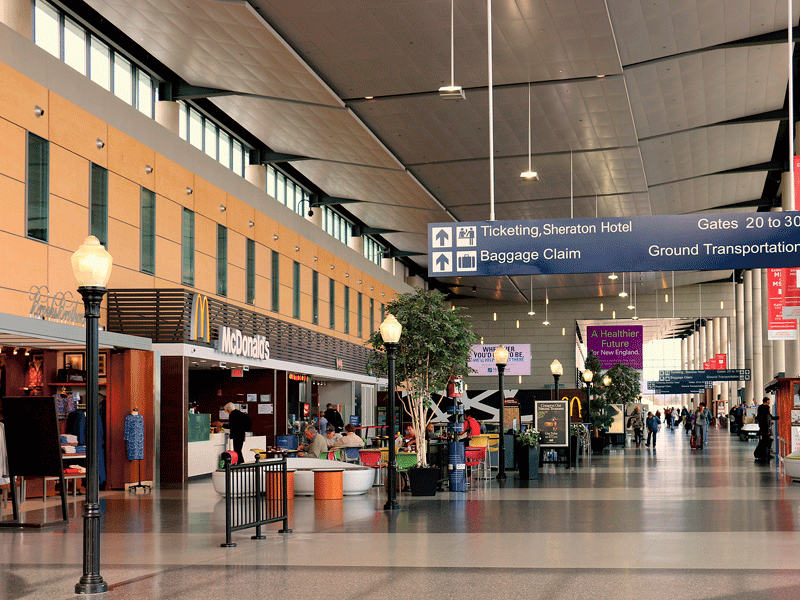
Airports in Connecticut
Connecticut plays an important role in the aviation network of the northeastern United States. Despite its small geographic size, the state supports a diverse mix of commercial passenger airports, business aviation hubs, military installations, and general aviation facilities. Connecticut’s airports are closely integrated with the broader New England and New York metropolitan air transport systems.
This article provides a balanced overview of airports in Connecticut, focusing on aviation operations, infrastructure, and economic significance rather than tourism.
Overview of Connecticut’s Airport System
Connecticut has 20+ public-use airports, ranging from commercial service airports to general aviation and military facilities. These airports are managed by:
- State and municipal authorities
- Airport commissions
- Military organizations
Key characteristics of Connecticut aviation include:
- Strong business and corporate aviation demand
- Proximity to major New York and Boston airspace
- High concentration of aerospace and defense industries
- Emphasis on regional and commuter operations
Bradley International Airport (BDL) – Primary Commercial Gateway
Airport Code: BDL
Location: Windsor Locks
Bradley International Airport is the largest and busiest airport in Connecticut and serves as the state’s primary commercial aviation hub.
Operational Role
BDL supports:
- Domestic passenger traffic to major U.S. hubs
- Limited international and transborder operations
- Cargo and logistics activity
The airport handles mostly narrowbody aircraft and benefits from less congestion compared to nearby major hubs, allowing efficient operations and reliable schedules.
Aviation Importance
- Central location between New York and Boston
- Strong business travel demand
- Expanding cargo and logistics presence
Bradley plays a key role in providing direct air access without relying entirely on New York–area airports.
Tweed New Haven Airport (HVN) – Regional Commercial and Business Aviation
Airport Code: HVN
Location: New Haven
Tweed New Haven Airport supports regional commercial flights and general aviation.
Operational Characteristics
- Focus on short-haul and regional routes
- Narrowbody and regional jet operations
- Business and academic travel support
HVN’s role has expanded in recent years as part of efforts to improve regional air connectivity within southern Connecticut.
Groton–New London Airport (GON) – Regional and Defense-Linked Operations
Airport Code: GON
Location: Groton
Groton–New London Airport serves southeastern Connecticut and is closely linked with the region’s defense and maritime industries.
Aviation Role
- Regional passenger services
- Charter and general aviation
- Support for defense-related travel
The airport’s location near naval facilities adds strategic importance to its operations.
Waterbury–Oxford Airport (OXC) – Business and General Aviation Hub
Airport Code: OXC
Location: Oxford
Waterbury–Oxford Airport is one of Connecticut’s most important business aviation airports.
Operational Focus
- Corporate and executive aviation
- Charter flights
- Maintenance and flight training
OXC plays a key role in supporting Connecticut’s strong corporate and manufacturing sectors.
Danbury Municipal Airport (DXR)
Airport Code: DXR
Location: Danbury
Danbury Municipal Airport supports:
- General aviation
- Business and private aircraft
- Flight training operations
Its proximity to Fairfield County makes it valuable for executive and commuter aviation.
General Aviation Airports Across Connecticut
Connecticut has a dense network of general aviation airports that support:
- Corporate travel
- Emergency medical flights
- Flight schools and pilot training
- Aerospace testing and maintenance
Notable general aviation airports include:
- Meriden Markham Airport (MMK)
- Windham Airport (IJD)
- Robertson Field (4B8)
These airports provide flexibility and redundancy within the state’s aviation system.
Military Aviation Presence
Connecticut has an important military aviation role, primarily through:
- Bradley Air National Guard Base, home to the 103rd Airlift Wing
Military aviation activity influences airspace planning and emergency response readiness across the region.
Cargo and Logistics Aviation
While Connecticut is not a major cargo hub compared to larger states, air freight remains important for:
- Time-sensitive manufacturing goods
- Aerospace and defense components
- Medical and pharmaceutical shipments
Bradley International Airport leads cargo activity, supported by smaller regional facilities.
Airspace and Operational Challenges
Airports in Connecticut operate within some of the most congested airspace in the United States.
Key challenges include:
- Proximity to New York and Boston terminal airspace
- Weather variability in the Northeast
- Noise and environmental regulations
Efficient coordination with FAA air traffic control is critical for maintaining smooth operations.
Future Outlook for Connecticut Airports
Future development priorities include:
- Terminal and runway modernization
- Expansion of business aviation facilities
- Sustainability and emissions reduction
- Improved regional connectivity
Growth strategies emphasize operational efficiency and targeted infrastructure upgrades rather than large-scale expansion.
Conclusion
Airports in Connecticut form a compact yet strategically important aviation network supporting commercial travel, business aviation, defense activity, and regional connectivity. From Bradley International Airport’s role as the state’s primary gateway to specialized general aviation and military facilities, each airport contributes to Connecticut’s economic and transportation resilience.
Despite operating within congested Northeast airspace, Connecticut’s airports continue to provide reliable, efficient, and strategically valuable aviation services.