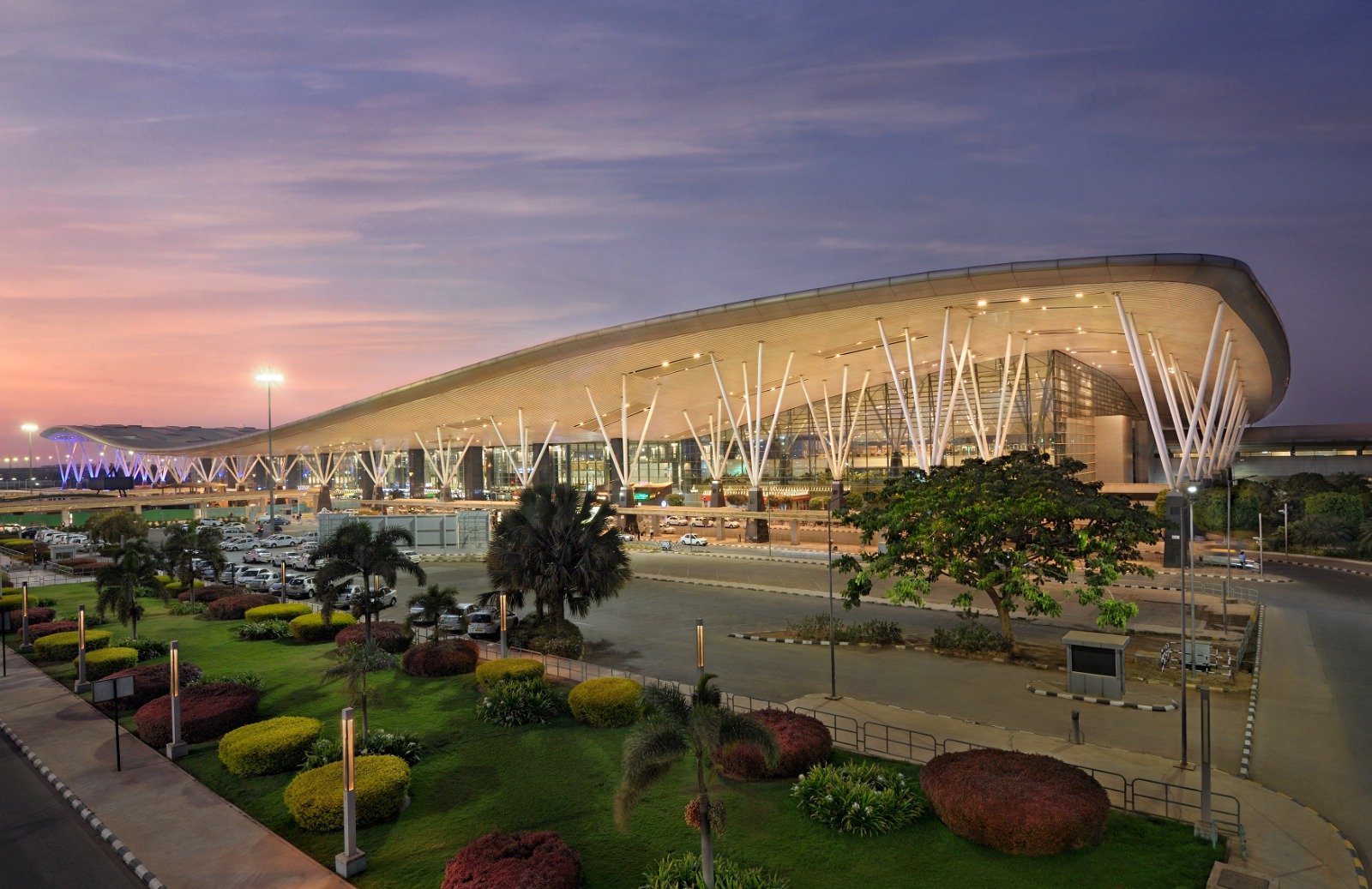



















- Hartsfield–Jackson Atlanta International Airport (ATL) is one of the busiest airports in the world and serves as a major global connecting hub, linking Georgia to hundreds of domestic and international destinations.
- Georgia operates more than 100 public-use airports, including key regional facilities like Savannah/Hilton Head International Airport and Augusta Regional Airport, along with strong military aviation support from bases such as Robins Air Force Base.
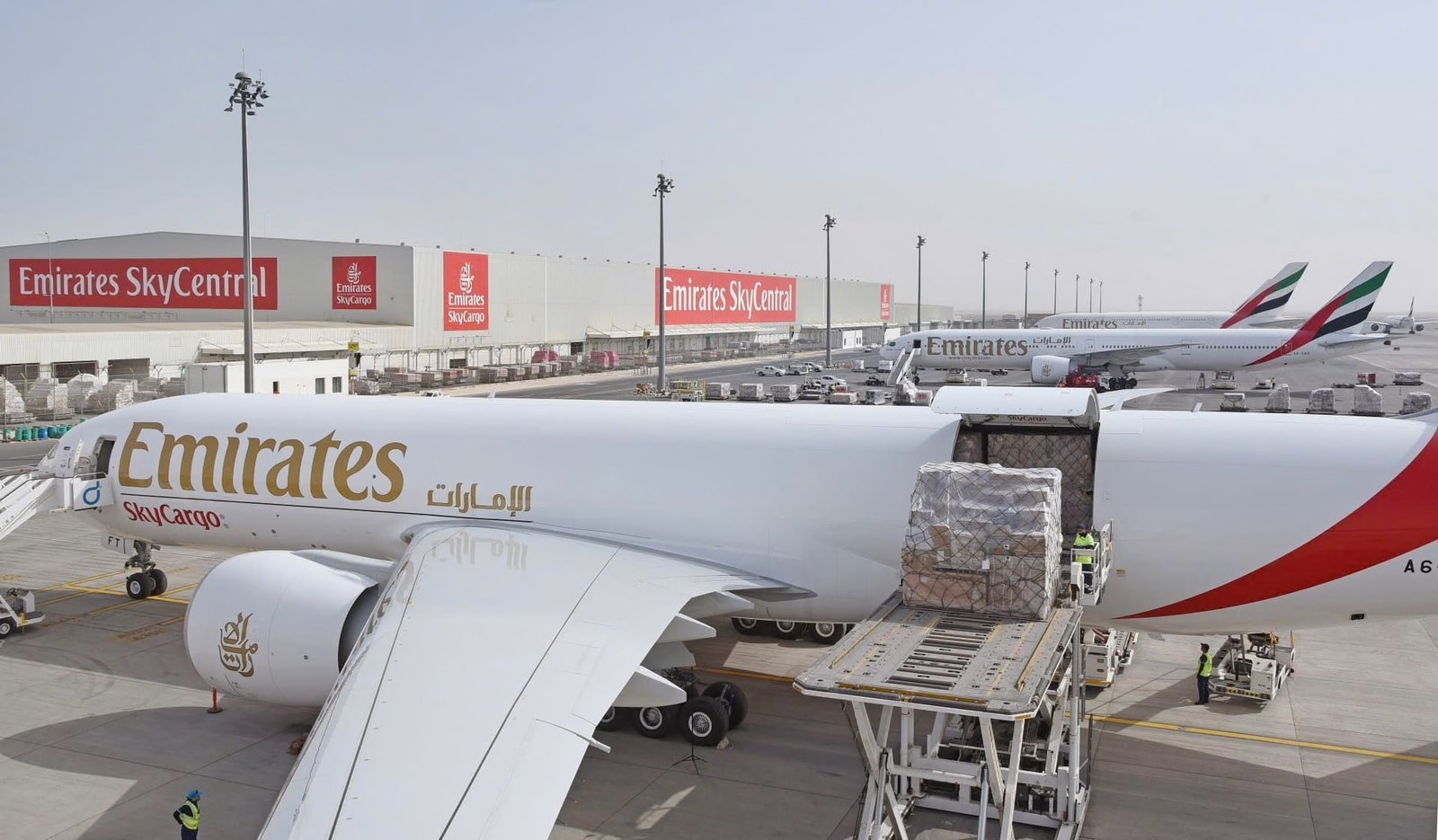
- The state is a major air cargo and logistics powerhouse in the United States, with advanced infrastructure that supports e-commerce, manufacturing, healthcare, and global trade operations.

Airports in Georgia
Georgia has one of the most influential aviation networks in the United States. The state’s airports support global passenger travel, air cargo logistics, business aviation, military operations, and regional connectivity. With Atlanta serving as a major aviation crossroads, Georgia plays a central role in both domestic and international air transport.
This article provides a balanced aviation-focused overview of airports in Georgia, highlighting their operational roles and economic importance.
Overview of Georgia’s Airport System
Georgia operates 100+ public-use airports, including:
- Major international hubs
- Regional commercial airports
- Business and general aviation facilities
- Military airfields
Key strengths of Georgia aviation include:
- Central position in the Southeast
- Strong airline hub operations
- Leading air cargo infrastructure
- Advanced airport management and modernization
Hartsfield–Jackson Atlanta International Airport (ATL) – Global Aviation Leader
Airport Code: ATL
Location: Atlanta
Hartsfield–Jackson Atlanta International Airport is consistently ranked as the busiest airport in the world by passenger volume.
Operational Significance
ATL functions as:
- A primary global connecting hub
- A major domestic and international gateway
- One of the world’s most efficient hub-and-spoke systems
The airport features multiple parallel runways, extensive terminal infrastructure, and high-frequency airline operations.
Economic and Aviation Role
- Connects Atlanta to hundreds of global destinations
- Supports millions of jobs directly and indirectly
- Drives trade, tourism, and corporate mobility
ATL is the backbone of Georgia’s aviation ecosystem.
Savannah/Hilton Head International Airport (SAV)
Airport Code: SAV
Location: Savannah
Savannah/Hilton Head International Airport serves southeastern Georgia and supports:
- Domestic passenger services
- Military-linked aviation activity
- Growing regional demand
SAV shares airspace and infrastructure with Hunter Army Airfield, adding strategic military importance.
Augusta Regional Airport (AGS)
Airport Code: AGS
Location: Augusta
Augusta Regional Airport provides:
- Regional commercial connectivity
- Business and government travel access
- Support for healthcare and defense industries
AGS primarily handles narrowbody aircraft and regional jets.
Columbus Airport (CSG)
Airport Code: CSG
Location: Columbus
Columbus Airport serves west-central Georgia and supports:
- Commercial passenger services
- Military travel linked to Fort Moore (formerly Fort Benning)
- General aviation operations
Middle Georgia Regional Airport (MCN)
Airport Code: MCN
Location: Macon
Middle Georgia Regional Airport focuses on:
- Regional passenger flights
- Corporate and charter aviation
- Cargo and logistics support
Its central location makes it important for statewide connectivity.
Georgia’s Role in Air Cargo and Logistics
Georgia is one of the top air cargo states in the U.S., driven primarily by Atlanta.
Cargo Strengths
- World-leading cargo operations at ATL
- Strong presence of express freight and integrators
- Seamless road and rail connectivity
Air cargo supports industries such as:
- E-commerce
- Healthcare and pharmaceuticals
- Manufacturing and automotive supply chains
Business and General Aviation in Georgia
Beyond commercial hubs, Georgia has a robust business and general aviation network.
Notable general aviation airports include:
- DeKalb–Peachtree Airport (PDK)
- Fulton County Airport–Brown Field (FTY)
- Cobb County International Airport (RYY)
These airports support:
- Corporate jets and charters
- Flight training and aviation education
- Aircraft maintenance and services
Military Aviation Presence
Georgia hosts several major military aviation installations, including:
- Robins Air Force Base (one of the largest Air Force logistics centers)
- Moody Air Force Base
- Hunter Army Airfield
Military aviation adds strategic depth and workforce expertise to the state’s aviation sector.
Airspace Management and Operational Efficiency
Georgia’s airspace ranges from:
- Highly complex terminal airspace around Atlanta
- Low-density regional and rural operations
Efficient coordination with the FAA ensures:
- High on-time performance
- Safe separation of commercial, cargo, and military traffic
- Scalability for future growth
Infrastructure Development and Future Growth
Key focus areas include:
- Terminal expansions and modernization
- Runway and taxiway capacity improvements
- Sustainable aviation initiatives
- Technology upgrades for passenger and cargo handling
Georgia continues to invest heavily in aviation as a long-term economic driver.
Conclusion
Airports in Georgia form one of the most powerful aviation networks in the United States. From Hartsfield–Jackson Atlanta International Airport’s unmatched global connectivity to a strong system of regional, cargo, and military airports, the state’s aviation infrastructure supports economic growth, logistics efficiency, and national mobility.
Georgia’s strategic location and continued investment ensure its airports will remain central to U.S. and global aviation for decades to come.