













Airports in Texas: Complete Guide to Major, Regional, and International Airports

- DFW Is the Largest & Busiest Airport in Texas
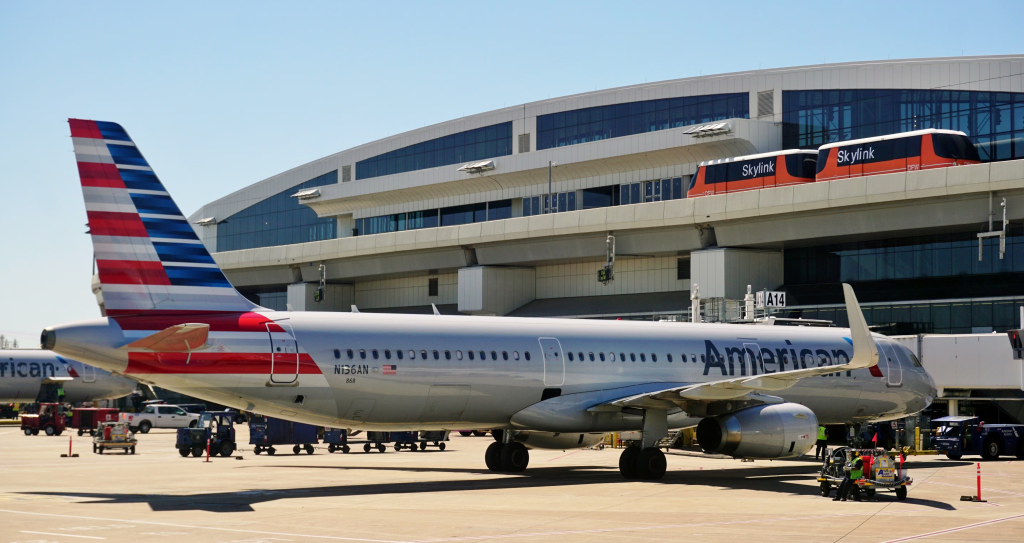
Dallas/Fort Worth International Airport (DFW) is the biggest airport in Texas and one of the largest in the world by land area, serving as a major global hub for American Airlines with extensive domestic and international connectivity. - Houston & Austin Strengthen International and Business Travel
George Bush Intercontinental Airport (IAH) is a key international gateway with strong global cargo and energy-sector connections, while Austin-Bergstrom International Airport (AUS) continues to grow rapidly due to Texas’ expanding tech and business sectors. - Texas Has One of the Largest Aviation Networks in the U.S.
With 25+ commercial airports and hundreds of regional and general aviation facilities, Texas maintains one of the most extensive airport systems in America—supporting tourism, trade, military operations, and statewide connectivity.
Airports in Texas
Texas has one of the largest and most advanced airport networks in the United States. Due to its massive geographic size, strong economy, and major cities, air travel plays a crucial role in connecting Texas with the rest of the country and the world.
From some of the busiest airports in the USA to important regional hubs, this guide covers the major airports in Texas, regional airports, and their importance.
How Many Airports Are in Texas?
Texas has:
- 25+ commercial service airports
- Hundreds of regional and municipal airports
- More than 300 public-use airports
This makes Texas one of the top states in the USA for aviation infrastructure.
Major International Airports in Texas
Dallas/Fort Worth International Airport (DFW)
Location: Between Dallas and Fort Worth
Dallas/Fort Worth International Airport is the largest and busiest airport in Texas and one of the biggest airports in the world.
Key Highlights
- Major hub for American Airlines
- One of the largest airports in the USA by land area
- Extensive domestic and international connectivity
- Handles tens of millions of passengers annually
DFW is a global gateway and economic powerhouse.
George Bush Intercontinental Airport (IAH)
Location: Houston
George Bush Intercontinental Airport is Houston’s main international airport.
Key Highlights
- Major hub for United Airlines
- Strong international connections to Europe, Asia, and Latin America
- Key cargo and energy-sector travel hub
- One of the busiest airports in the southern USA
William P. Hobby Airport (HOU)
Location: Houston
- Focuses mainly on domestic flights
- Important base for Southwest Airlines
- Convenient for city travelers
- Limited international services
Austin-Bergstrom International Airport (AUS)
Location: Austin
- Serves Texas’ capital city
- Strong growth due to tech and business expansion
- Mix of domestic and international routes
- Modern passenger facilities
San Antonio International Airport (SAT)
Location: San Antonio
- Important airport for central Texas
- Domestic and limited international flights
- Supports tourism and military travel
Other Major Commercial Airports in Texas
Dallas Love Field Airport (DAL)
- Focuses on domestic routes
- Southwest Airlines hub
- Close to downtown Dallas
- Popular for business travel
El Paso International Airport (ELP)
- Serves West Texas
- Important for cross-border travel
- Domestic and limited international flights
Midland International Air & Space Port (MAF)
- Serves oil and energy sector
- Licensed commercial spaceport
- Important for business and cargo travel
Lubbock Preston Smith International Airport (LBB)
- Serves northwest Texas
- Regional commercial service
- Important for education and agriculture travel
Corpus Christi International Airport (CRP)
- Serves South Texas
- Supports tourism and industrial travel
- Domestic flights only
Regional and Smaller Airports in Texas
Texas has many regional airports that support smaller cities.
Examples Include:
- Brownsville South Padre Island International Airport
- McAllen Miller International Airport
- Waco Regional Airport
- Tyler Pounds Regional Airport
- Abilene Regional Airport
These airports ensure statewide connectivity.
Airports Serving Major Texas Cities
| City | Primary Airport |
| Dallas–Fort Worth | DFW |
| Houston | IAH / HOU |
| Austin | AUS |
| San Antonio | SAT |
| El Paso | ELP |
This extensive network reduces travel time across the state.
Cargo and Logistics Airports in Texas
Texas is a major logistics and trade hub.
Key Cargo Airports
- Dallas/Fort Worth (DFW)
- Houston Intercontinental (IAH)
- Alliance Airport (Fort Worth)
- San Antonio International (SAT)
These airports support manufacturing, energy, agriculture, and e-commerce.
Military and Aviation Facilities in Texas
Texas has a strong military aviation presence.
- Multiple Air Force bases
- Joint civilian-military airports
- Aerospace and defense facilities
This strengthens the state’s aviation ecosystem.
General Aviation Airports in Texas
Texas leads the USA in general aviation airports.
Used for:
- Business jets
- Flight training
- Medical transport
- Agricultural aviation
- Emergency services
General aviation plays a critical role in rural and business connectivity.
Why Airports Are Important in Texas
Airports in Texas are essential because:
- Texas is geographically massive
- Strong business and trade economy
- High population and tourism demand
- Major energy and tech sectors
- Central US location
Texas airports contribute billions of dollars to the state economy.
Challenges Faced by Texas Airports
Some challenges include:
- Rapid passenger growth
- Infrastructure expansion needs
- Weather disruptions
- Airspace congestion
Ongoing investments aim to address these issues.
Future Development of Airports in Texas
Texas airports are investing in:
- New terminals and runways
- Sustainability initiatives
- Smart security systems
- Improved ground transportation
DFW, Austin, and Houston airports are leading major expansion projects.
Conclusion
Texas has one of the largest and most advanced airport systems in the world. From massive international hubs like DFW and Houston Intercontinental to regional airports serving small communities, airports in Texas play a vital role in business, tourism, and everyday travel.