


















- Akasa Air starts daily Mumbai-Phuket flights on 20 September 2025, its first Southeast Asia route and sixth international destination.
- The timing taps Gulf feed via Mumbai and targets peak leisure demand while testing a year-round ASEAN strategy.
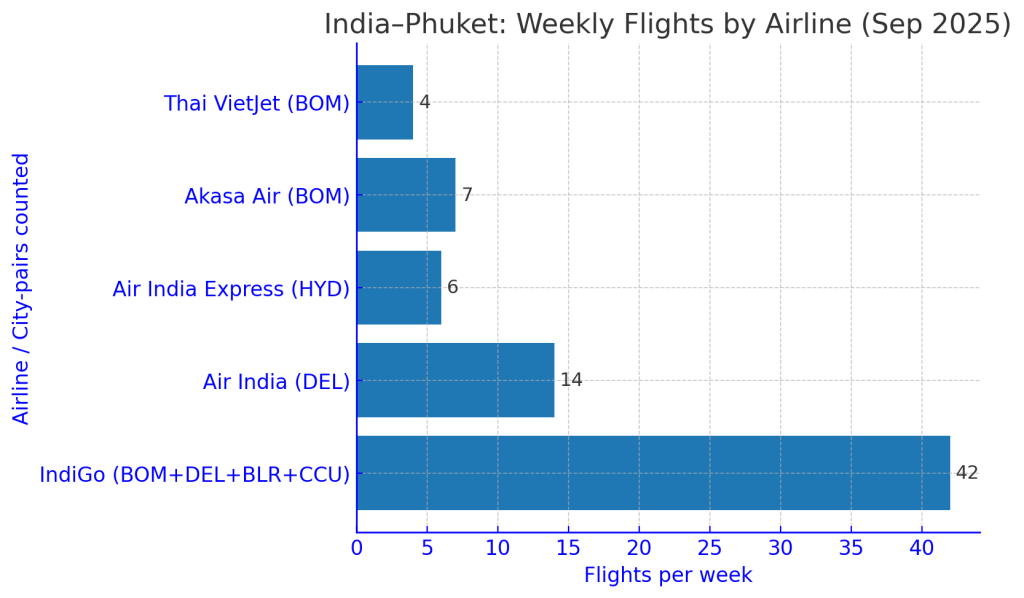
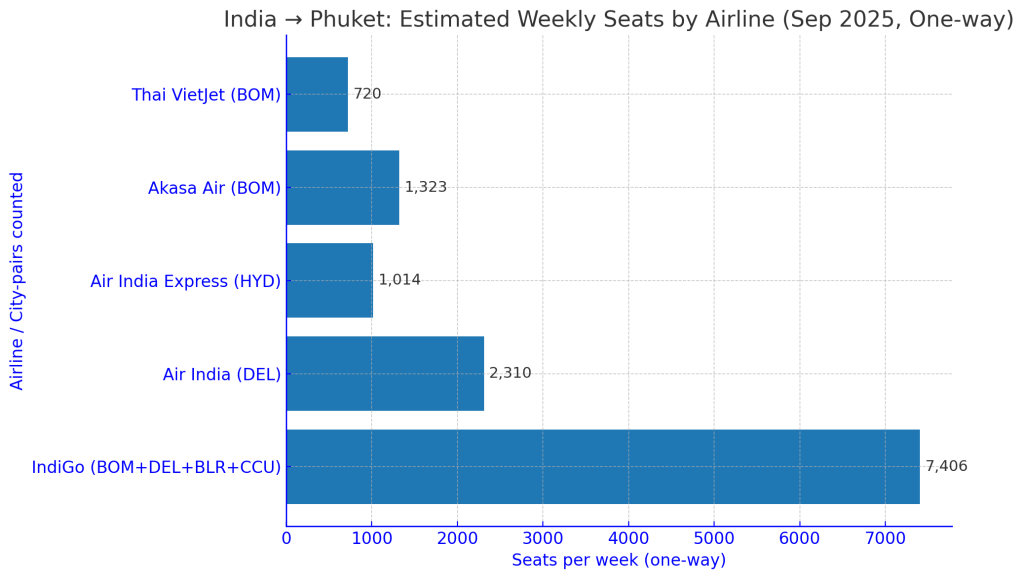
- IndiGo remains the dominant India-Phuket player, with Akasa entering above Thai VietJet on the Mumbai city-pair but below IndiGo’s scale.
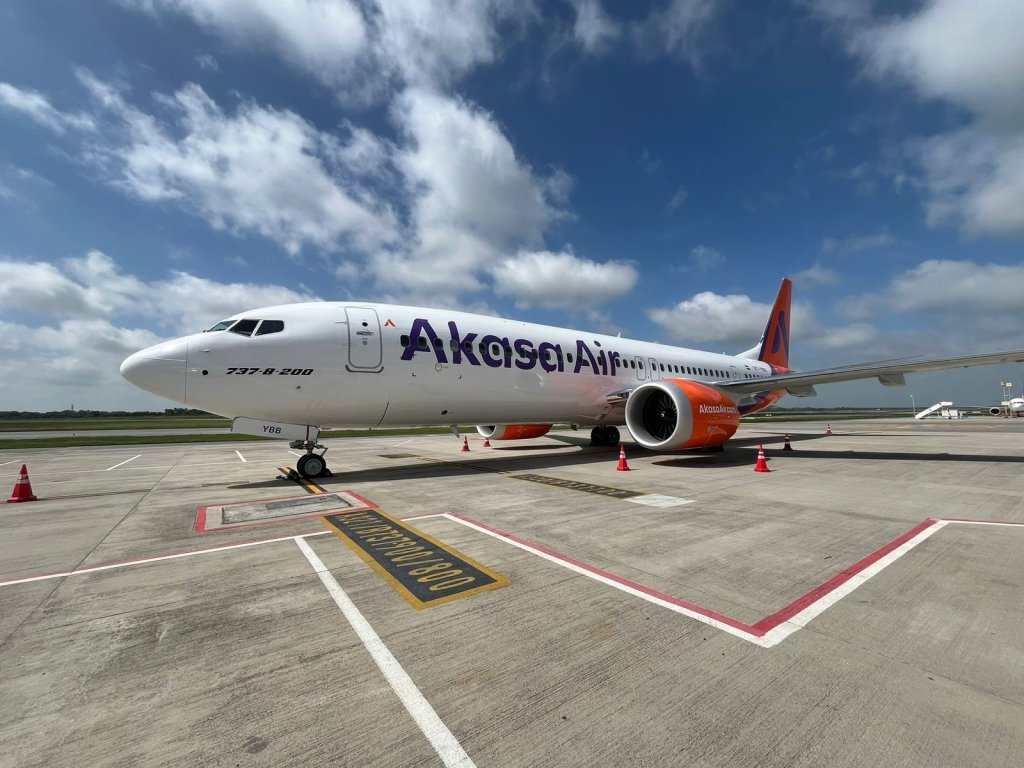
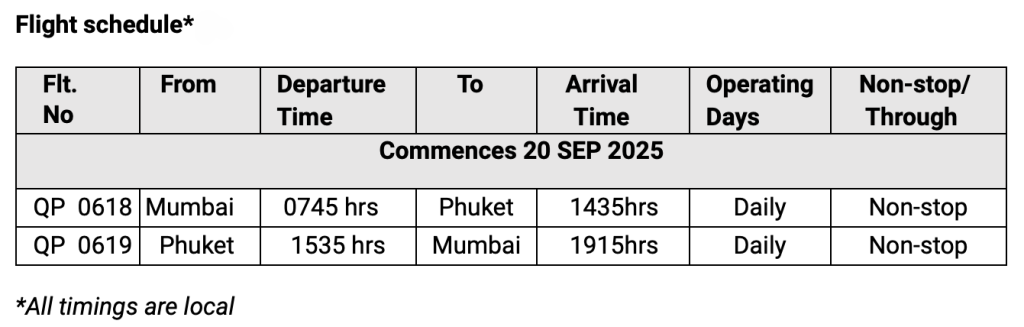
Akasa Air will step into Southeast Asia with daily, non-stop Mumbai-Phuket flights from 20 September 2025. Phuket becomes the carrier’s 29th destination and sixth international stop, and the first outside the Middle East. The Boeing 737 MAX 8 service will depart Mumbai in the morning and arrive in Phuket in the afternoon local time. The timing is designed to match hotel check-in windows and maximise convenience for leisure travellers.
Until now, Akasa’s overseas footprint has been Gulf-focused; Doha, Kuwait City, Abu Dhabi, Jeddah and Riyadh, markets that deliver steady year round flows from labour, visiting-friends-and-relatives (VFR) and budget leisure segments. Phuket is different: a predominantly leisure destination with pronounced seasonal peaks. The move signals a willingness to diversify risk and capture outbound tourism spend in short-haul Asia sector.
Why Phuket and why Mumbai?
Phuket is one of Thailand’s fastest growing leisure gateways. In 2024, the island recorded 8.65 million international arrivals, up 23% year-on-year, with India among the top source markets. Thailand welcomed over 2 million Indian visitors in 2024 and has already passed 1 million by mid-2025. Phuket has emerged as a premier leisure destination for Indian travellers, with 58% year-on-year increase in Indian arrivals in 2024, reaching nearly 481,500 visitors.
By contrast, Bangkok remains a congested and hyper-competitive arena. Suvarnabhumi Airport handles 113 airlines, creating a crowded market where yields are under constant pressure. Phuket offers a more focused entry point, high brand recognition among Indian tourists, fewer slot constraints than Bangkok, and a route profile dominated by leisure demand.
Mumbai is the logical launch city for Akasa’s first Southeast Asian route: it is the airline’s primary hub and the anchor for its Gulf network, with early morning arrivals from Abu Dhabi, Doha, and Riyadh feeding directly into the 07:45 Phuket departure. Other metros would offer weaker Gulf feed or face slot limitations.
Competitive landscape
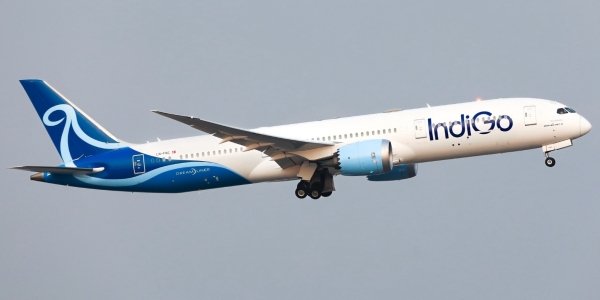
On Mumbai-Phuket, IndiGo dominates with around 14 weekly flights from Mumbai alone, supplemented by services from Delhi, Kolkata, and Bengaluru, making it the market leader in India-Phuket capacity. Thai VietJet operates four weekly services on the Mumbai route, relying on late-night departures and deep launch discounts to stimulate traffic.
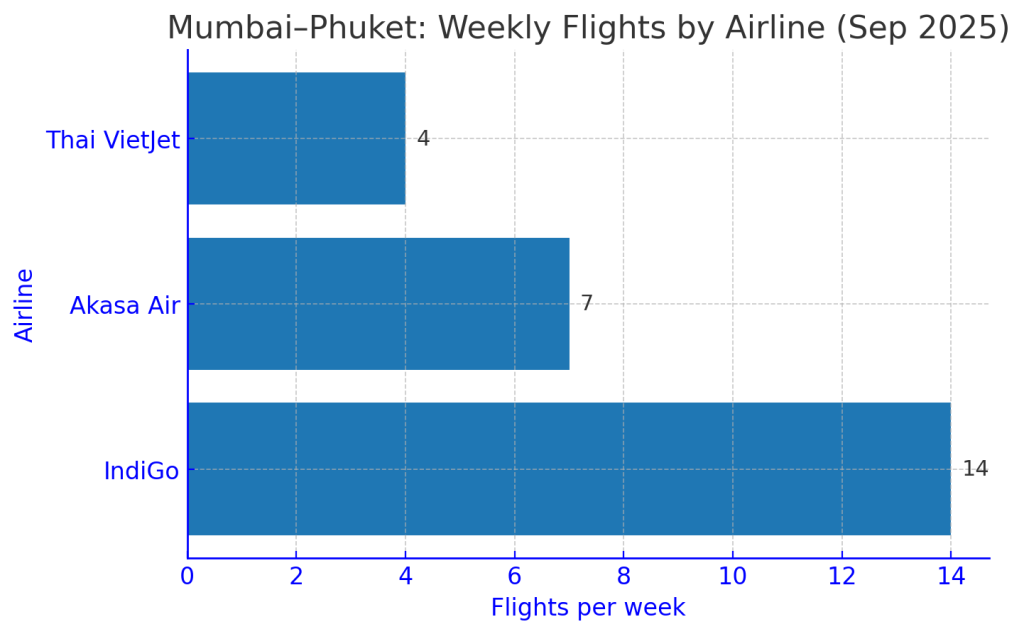
With its daily operation, Akasa will debut with a capacity slightly above Thai VietJet but well below IndiGo’s scale. Across the broader India-Thailand market, seat capacity surged nearly 44% year-on-year in Q1 2025, crossing 1.9 million seats.
Network Play
Akasa’s Phuket launch is more than a network expansion; it is a calculated test of the airline’s ability to diversify and compete in a seasonal leisure market beyond its Gulf comfort zone. Operating the fuel-efficient 737 MAX on a roughly five-hour sector helps control unit costs while keeping fares competitive.
The schedule is built to capture connecting feed from select Middle East flights, creating a two-way flow: Gulf-origin passengers to Phuket, and Phuket-origin passengers to Gulf destinations via Mumbai. This “dual-feed” strategy reduces reliance on pure Mumbai-origin demand and helps smooth seasonal troughs.
Phuket also gives Akasa a proving ground to refine its ASEAN approach before potentially entering larger markets like Singapore or Kuala Lumpur. The route allows the airline to test price elasticity, ancillary sales uptake, and year-round viability in a high-demand but competitive leisure corridor.
Turning Point
Akasa has recently overtaken SpiceJet to claim the fourth spot in India’s domestic market, but international expansion is where it can differentiate itself long-term. Phuket is a strategic step: not as capacity-heavy or politically sensitive as Gulf routes, but competitive enough to sharpen the airline’s network and revenue management skills.
Success here could cement Akasa’s credibility in short-haul leisure markets, laying the groundwork for a broader Southeast Asia footprint, and the transition from domestic challenger to regional contender.
Read More: Akasa Celebrates 3 Years with 30 Aircraft, 19M Flyers, and Global Ambitions