














- The recent aerodrome license granted to Amravati airport marks a significant step in enhancing regional connectivity in Eastern Maharashtra.
- While the project holds promise for economic growth, tourism, and industrial development, several challenges—ranging from infrastructure limitations to viability concerns—underscore the road ahead.
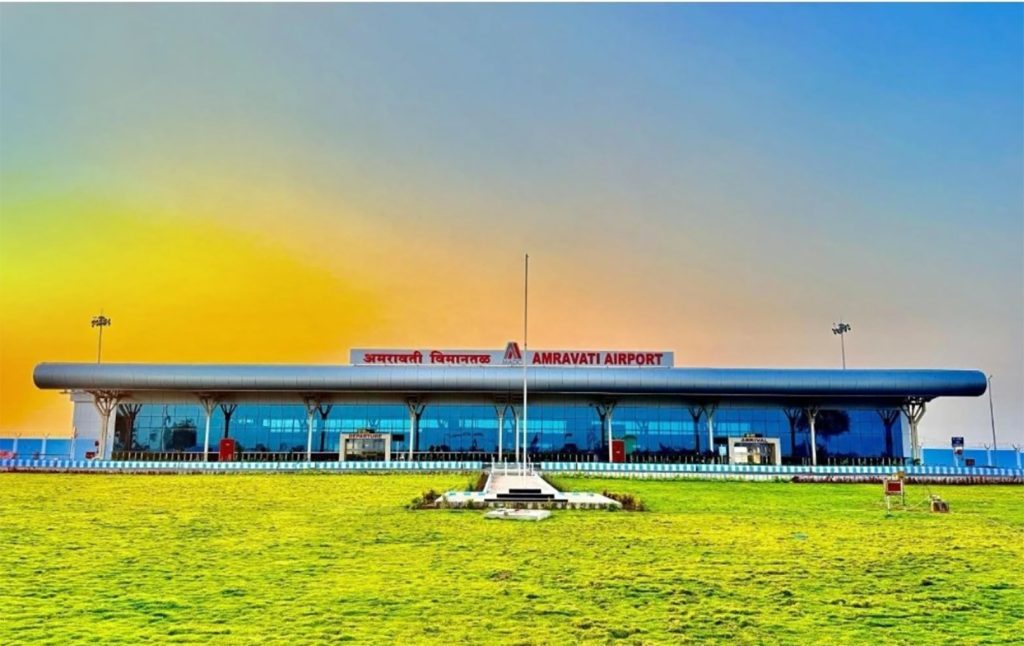
Can the DGCA’s recent grant of an aerodrome license to the Amravati airport help Eastern Maharashtra transform its economic landscape? The license effectively makes the aerodrome a Regional Connectivity Scheme (RCS) airport, but it is still early days to judge its potential as a game-changer in a traditionally agriculture-reliant region with multiple challenges.
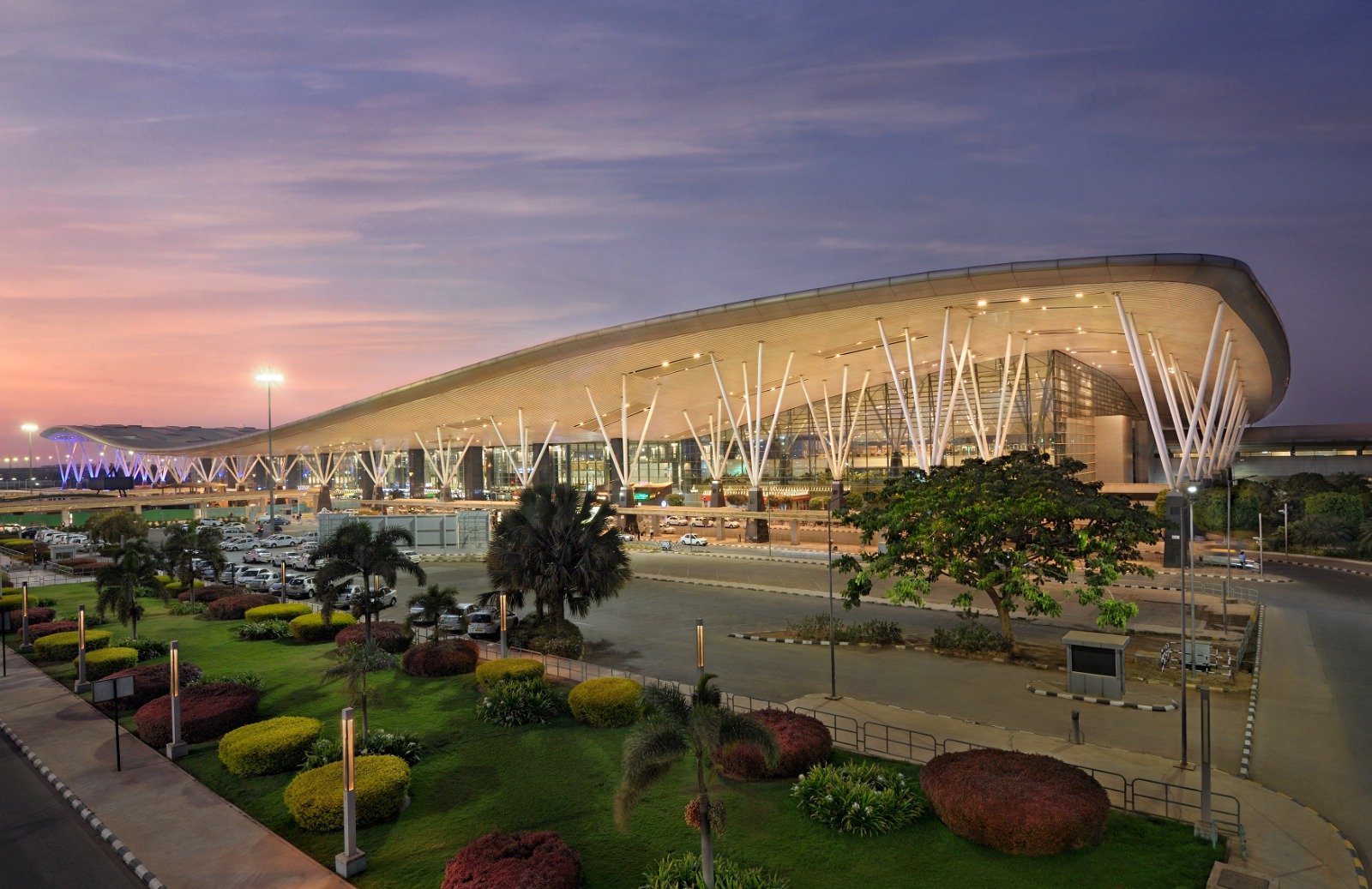
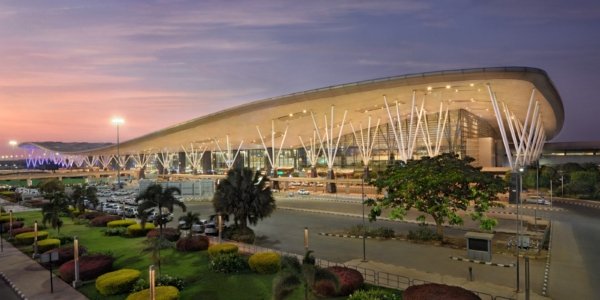
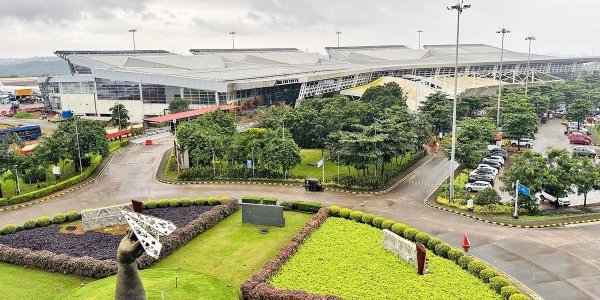
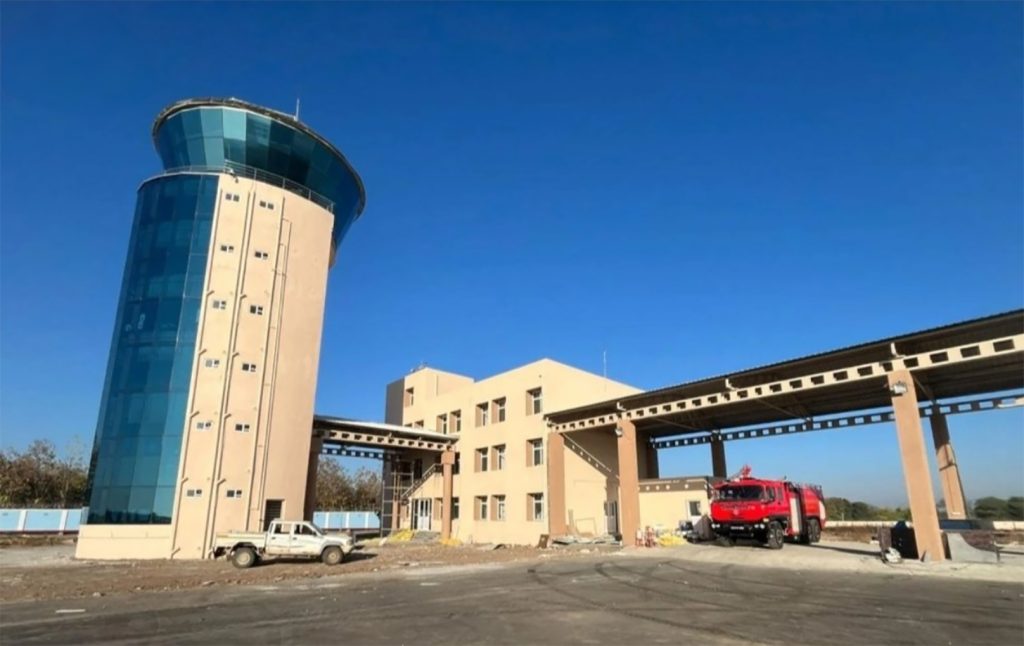
Located 15km south of Amravati city, this is the third commercial airport under the Maharashtra Airport Development Company Limited (MADCL). The DGCA’s green signal clears the runway for operations, with Alliance Air all set to launch flights to Mumbai sometime in April. Spread across an area of 389 hectares, the airport has a runway 1,850 meters long and 45 meters wide. Also integrated are a taxiway measuring 163 meters by 18 meters and a 100m by 110m apron. The airport’s terminal building has an area spanning 2,600 square meters.
Potential for growth
According to MADCL’s assessment, the new airport has significant potential for growth. Its rationale: Amravati, being the seventh most popular metropolitan area in Maharashtra, is also the administrative headquarters of the district. The city, the company contends, has emerged as a major educational centre in Central India, offering many majors, including medical and engineering courses.
Tourism is another factor, with destinations ranging from pilgrimage sites to wildlife sanctuaries and sightseeing spots in the vicinity. Among the potential hotspots for tourism are Chikhaldara, Muktaigri, Salbardi, and Waigaon. Also close to the airport is the Melghat Tiger Reserve.
But to be a driver of economic growth, proximity to industry is critical. MIDC dubs Amravati as a growing industrial centre with cotton mills, a textiles hub and an important complex for agro-industries. A multi-product Special Economic Zone (SEZ) spanning 2,500 acres is also in the vicinity. The SEZ caters to diverse industries such as food processing, textile and spinning, agro-based firms and biotech companies. Not far from the airport is also a 1,350-megawatt (MW) thermal power plant in Nandgaonpeth.
Air India’s FTO
Amravati caught wider attention in December 2024, when Air India firmed up its plan to set up a flying training organisation (FTO), said to be the largest in South Asia. Calling it a ‘visionary initiative,’ Maharashtra Chief Minister Devendra Fadnavis declared that it would give the region an economic boost, enable employment generation and offer new opportunities for aspiring pilots.
To be built at Rs 200 crore, the flying school will initially target 180 pilot graduates annually. Initially scheduled to be commissioned in June 2025, the FTO is likely to start functioning in 2026 with 31 single-engine Piper Archer aircraft and three twin-engine Diamond 72 aircraft. The FTO is a MADCL initiative. The FTO will be built on a plot of land exceeding 10 acres and will integrate digitally enabled classrooms, a digitised operations centre and its own maintenance facility.
Fourteen years ago, in February 2011, the Nagpur Flying Club approached the DGCA for permission to relocate its flying operations to Amravati Airport. However, in May 2024, MADCL chose to let the club shift to Morwa Airport in Chandrapur.
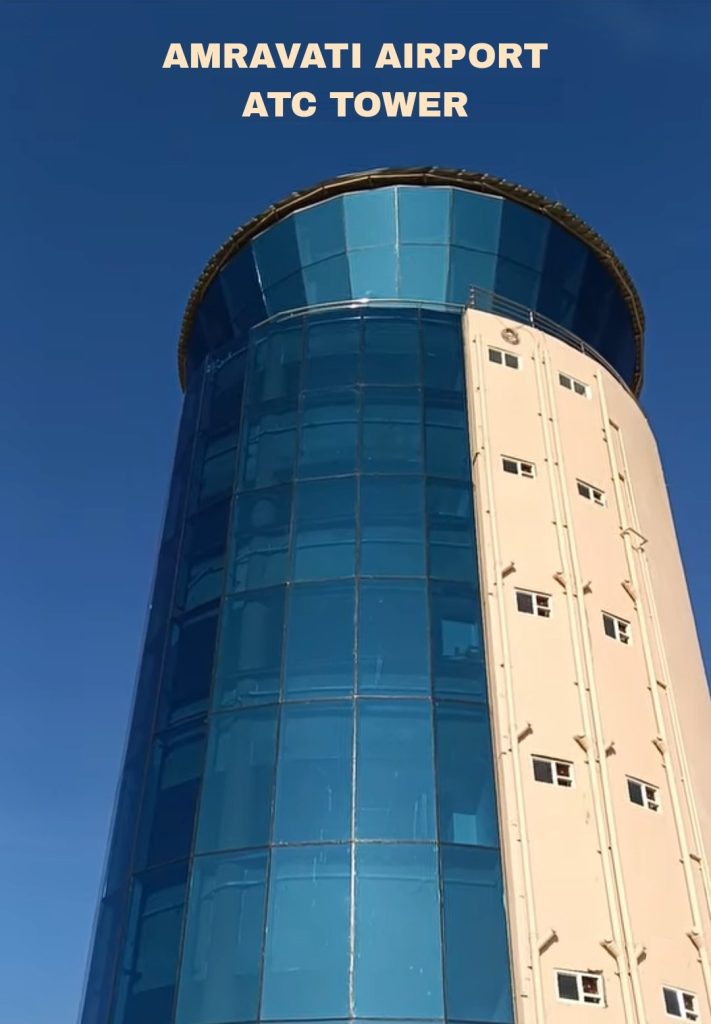
Despite the stated potential and projected advantages of the Amravati airport, it has its challenges, as articulated by aviation safety expert Capt A Ranganathan. He elaborates, “We have a severe shortage of Air Traffic Control Officers even for current airports. This will add to the stress. Going by other operators in the RCS, the cost factor is going to affect the load factor.”
No night-landing facility
The initial euphoria, he says, may fill up numbers but may not last long. “Without a night landing facility, it is going to be extremely uncertain schedules during monsoons,” he contends. The development of the night landing facility has been plagued by funds shortages and delays in approvals.
The large presence of wildlife in the sprawling airport premises was another challenge. A survey had estimated 285 wild animals including deer, black bucks and wild boars that were frequently spotted inside the premises. An animal-free airport is critical for safe operations. The Amravati forest officials reportedly intensified their animal-capture operations using a luring technique that chases them into a funnel-like fence. By January 2025, about 250 animals were reportedly relocated.
Both the Amravati airport and the government will be tested in attracting passenger traffic. The new airport’s commercial launch comes when the Centre’s ambitious push to build new regional aerodromes is hitting turbulence. Many of these airports are struggling to attract traffic, with some of them even becoming ghost airports. For instance, new airports in Uttar Pradesh’s Kushinagar and Sindhudurg in Maharashtra have been largely inactive, with airlines cutting down operations due to poor passenger demand.
A seasoned analyst of the region’s economy and infrastructure, Jaideep H flags the lack of a sound industrial and business base to drive traffic to the airport. The region, he says, largely has a producer economy and not many processing industries. “Amravati people still prefer the railway or road network. Although it is about 150km from Nagpur, there is a good highway that can be reached in 2.5 hours. Besides, there are a lot of trains that go through Amravati to Mumbai,” he informs.
Viability concerns
The airport could become unviable over time since the region is crisis-ridden, says Jaideep. More than 70% of the district’s population is engaged in agriculture and its supporting industries. “The daily traffic growth remains to be seen. They might fly twice or thrice a week. I think it is more political. They might launch one flight and see how it goes.” He cites the experience of other regional airports in the State to elaborate on his observation.
But he acknowledges the airport’s potential to boost real estate prices in Amravati. “Nothing beyond that, we will need to see,” he notes. Analysing the airport’s real estate impact, housing.com reiterates that the local market would gain once the airport launches operations. “Improved connectivity and potential business and tourist influx will drive demand for residential and commercial properties. Developers and investors may seize profit opportunities, leading to the construction of new office buildings, shopping centres, hotels and residential developments,” it notes, predicting that even areas neighbouring Amrvati will benefit from sustained growth and investment prospects.
Many small and medium-scale industries could potentially scale up with faster connectivity. For instance, the expansion in roadways, proximity to highways and a boom in motor vehicles have given a push for the auto-repairing industries in the region. Manufacturing of agricultural equipment, vehicle repairs and production of machinery spare parts are part of this small-scale industry.
Since cotton is a major produce from this region, Amravati is home to several cotton mills. The first textile mill was opened as early as 1885. Ginning and pressing is another industry that relies heavily on the cotton produced here. Air connectivity is likely to give all these industries a big push with opportunities for larger investments.
But regional airports have struggled to get traffic, and Maharashtra has been no exception. However, the State Chief Minister Fadnavis had in December 2024 stressed the urgent need to accelerate the development of new airport projects and the expansion of existing ones. Addressing the MADCL board of directors, he had assured full support from both the State and the Centre. The objective was clear: To minimise the pressure on major city airports.
The meeting also put the spotlight on a Memorandum of Understanding (MoU) for 786.56 hectares of land allotted for the GMR Nagpur International Airport. This project is to come up in the MIHAN (Multi-Model International Passenger and Cargo Hub Airport at Nagpur) region. The project integrates the development of the existing domestic airport of Nagpur as an international passenger and cargo hub airport, along with a huge SEZ abutting the aerodrome boundary.
Runway extension, future growth
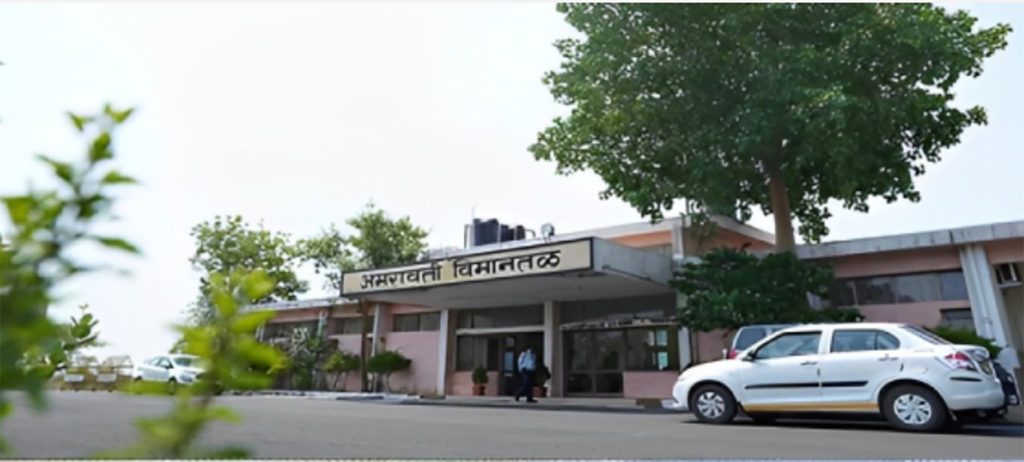
Meanwhile, plans are afoot to eventually expand the Amravati airport runway to 2,500 meters and make it suitable for landing of Airbus A-320s. First built in 1992 by the State Public Works Department, the airstrip was taken over by the Maharashtra Industrial Development Corporation in August 1997 before its transfer to the MADCL. The State Government leased the airport to the Airports Authority of India (AAI) for 60 years in February 2014.
However, lack of funds delayed the airport development for years. The land acquisition process had begun in the early 2010s and was completed by 2013. Due to funds shortage, actual work on the ground started only in 2019, when the foundation stone was laid. The airport is now finally ready for commercial launch, with the first trial flight scheduled for March 30. Regular commercial flights are expected to start from April 20.
Although Amravati’s industry and economy are yet to scale up, the opening of the airport could potentially create an ecosystem for growth. Agro-based industries, engineering and allied companies in the region could leverage air connectivity to fast-track growth, while real estate could have a positive impact. Since the State is willing to give it a push, the prospects look brighter for Amravati even if it takes some years in the making.