












- Comprehensive Understanding: Provides clear definitions of key aviation terms, from aircraft types to pilot and airline jargon, helping beginners and enthusiasts grasp the language of aviation.
- Practical Use: Equips readers with essential terminology needed for travel, pilot training, or aviation studies, making communication and learning easier.
- A to Z Reference: Serves as a quick, structured reference guide for students, professionals, and aviation fans, ensuring accurate and consistent understanding of industry terms.
Aviation Glossary

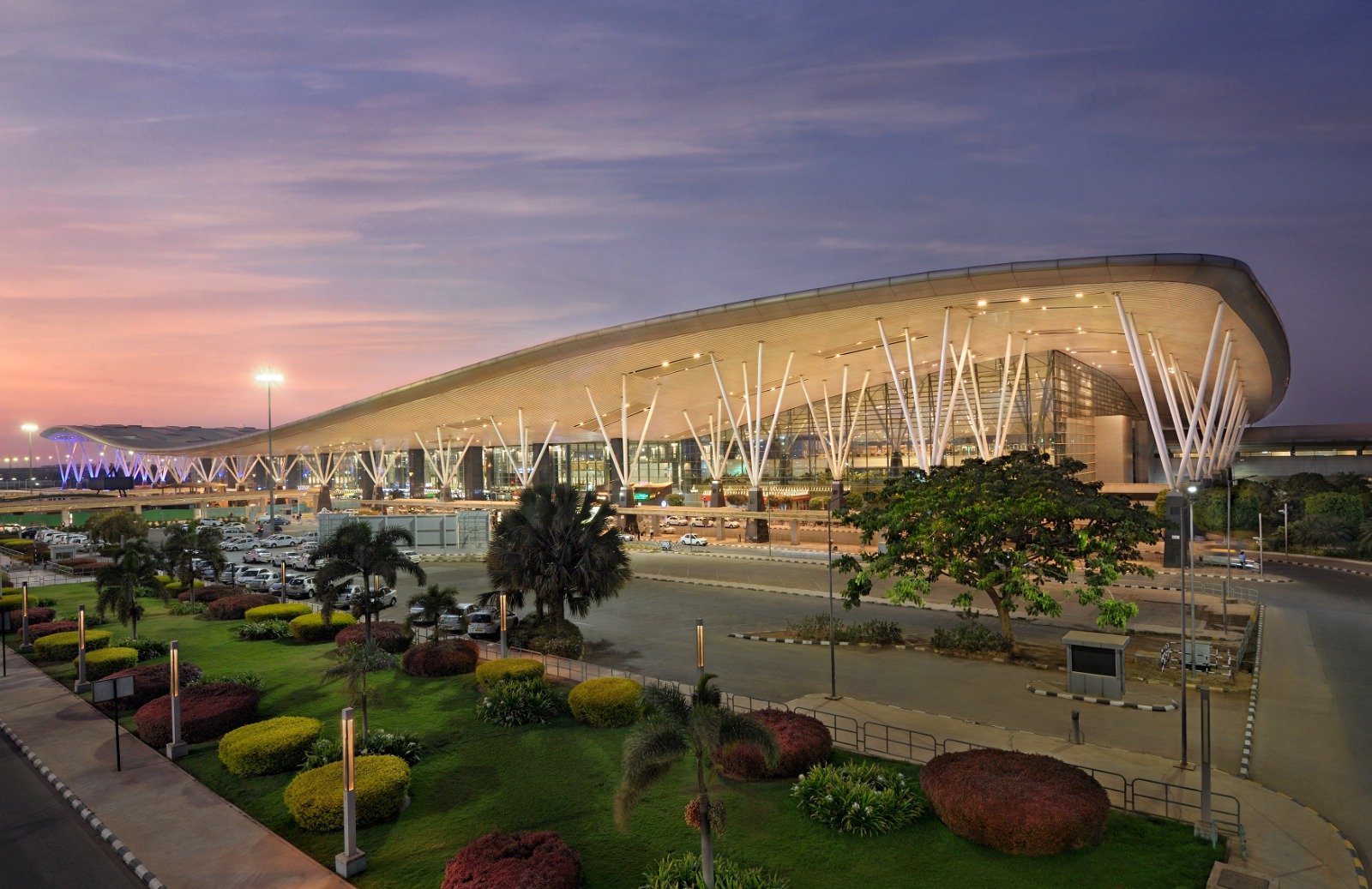
Airports are not just places where planes take off and land. They are big centers that connect people, cultures, and businesses across the world. Some airports are famous for their size, design, or the number of passengers they handle every year. In this A-to-Z list, we will look at some of the most important and interesting airports in the world and what makes them special.
A to Z Aviation Glossary
| Term | Definition |
| Absolute altitude | Vertical distance between an aircraft and the terrain directly below it. Unlike true altitude, it references ground level, not sea level. |
| Adverse yaw | A yawing motion opposite to the intended turn, caused by unequal drag on the wings. Corrected with rudder coordination. |
| Aeronautical Information Manual (AIM) | Official FAA (U.S.) or Transport Canada guide covering airspace rules, ATC procedures, navigation, and safety. Pilots use it as the operating manual for national airspace. |
| Air Traffic Control (ATC) | Ground-based service that ensures safe separation, sequencing, and efficient flow of aircraft in controlled airspace and on the ground. |
| Airfoil | A surface (wing, rotor blade, propeller) shaped to generate lift or thrust when air flows around it. |
| Altimeter | A barometric instrument that measures altitude above mean sea level (MSL) using atmospheric pressure. Requires calibration for accuracy. |
| Attitude indicator | A gyroscopic cockpit instrument (also called artificial horizon) that shows pitch and bank relative to the horizon, critical for IFR flying. |
| Angle of attack (AOA) | The angle between the airfoil’s chord line and relative wind. Exceeding the critical AOA results in a stall. |
| Anhedral | A downward slope of wings from root to tip, reducing stability but improving maneuverability—common in military jets. |
| Annual inspection | FAA-required comprehensive inspection of an aircraft every 12 months, covering airframe, engine, avionics, and logbooks. |
| Autogyro (gyroplane) | A rotary-wing aircraft with free-spinning blades generating lift and a powered propeller for thrust. Distinct from helicopters. |
| Avionics master switch | Master switch that powers navigation, communication, and electronic systems. Activated after engine start to protect avionics. |
| Base leg | A descending leg of the traffic pattern flown perpendicular to the runway before turning onto final approach. |
| Best lift-to-drag ratio (L/D max) | The maximum efficiency point of an airfoil or aircraft, producing the most lift per drag. Critical for gliding and endurance. |
| Blade angle | The angle between a propeller blade’s chord line and its plane of rotation. Adjustable props optimize performance. |
| Bleed air | High-pressure, hot air taken from an engine compressor for cabin pressurization, de-icing, and pneumatic systems. |
| Camber | The curvature of an airfoil surface. More camber = more lift at low speeds but with higher drag. |
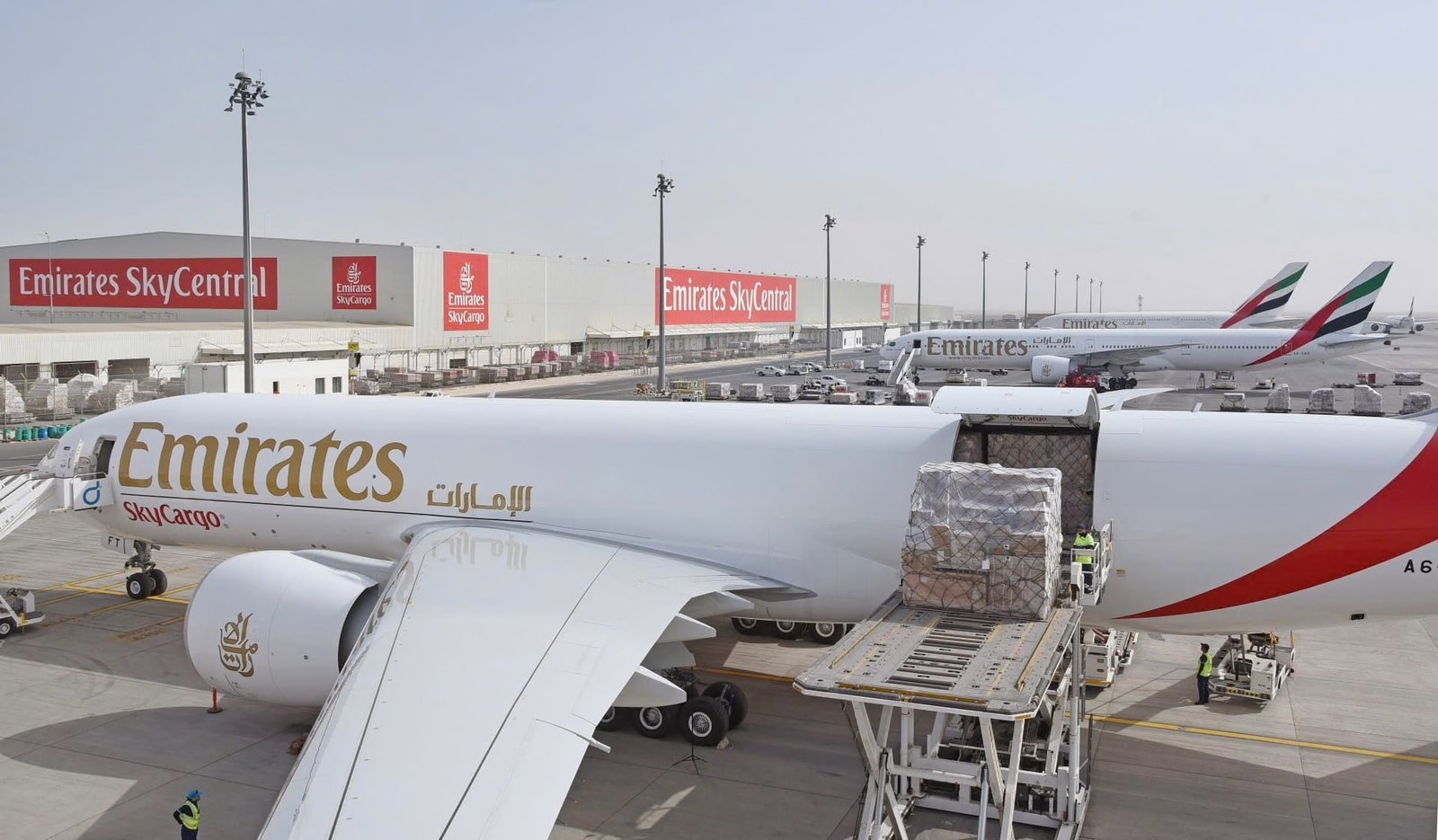
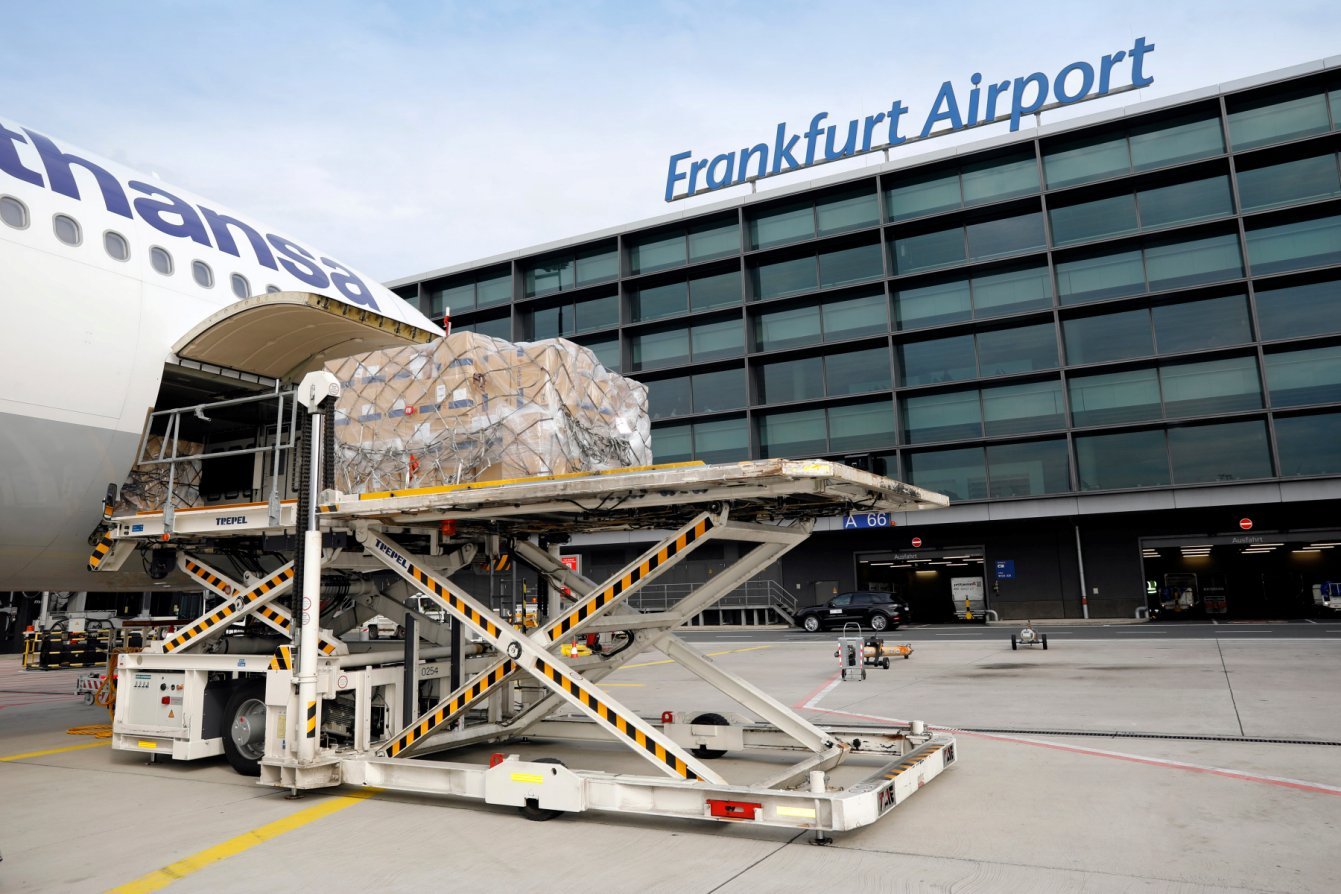
| Cargo | Goods transported by aircraft. Includes air freight, express packages, and bulk shipments. |
| CAVU | Acronym for Ceiling And Visibility Unlimited—clear skies, 10+ miles visibility, and 10,000+ ft ceiling. |
| Charter | Hiring a private aircraft for personal or corporate use, offering privacy, flexibility, and direct routing. |
| Chord line | Imaginary line between the leading and trailing edges of an airfoil. Used to define AOA. |
| Clearance | ATC-issued authorization to proceed under specified conditions (e.g., taxi, takeoff, entry into controlled airspace). |
| Climb | Flight maneuver where thrust exceeds drag, causing altitude gain. Includes best-angle (Vx) and best-rate (Vy) climbs. |
| Controlled airspace | Airspace where ATC provides separation and management. Includes Class A–E airspace. |
| Course deviation indicator (CDI) | VOR needle instrument showing if aircraft is left/right of a navigation radial. |
| Crosswind | Wind blowing at an angle to the aircraft’s path, affecting takeoff and landing alignment. |
| Deadstick | A power-off landing after engine failure, requiring careful glide management. |
| Delta wing | Triangular wing resembling Δ, used in supersonic aircraft for stability and maneuverability. |
| Descent | Controlled reduction in altitude. May be normal, emergency, or rapid. |
| Distress | Emergency requiring immediate help (e.g., fire, structural failure). Communicated by “Mayday”. |
| Downwash | Air deflected downward by wings or rotors, producing induced drag and vortices. |
| Downwind leg | Part of traffic pattern flown parallel to runway, opposite landing direction. |
| Drag | Aerodynamic resistance opposing motion. Includes parasite drag (form, friction) and induced drag (from lift). |
| Emergency overrun | A safety area beyond runway ends, reducing damage in aborted takeoffs or overshoots. |
| Empennage | Tail assembly: horizontal stabilizer, vertical fin, rudder, elevators. Provides stability and control. |
| Engine | Aircraft powerplant (piston, turboprop, turbojet, turbofan, electric) converting fuel into thrust or shaft power. |
| Estimated time en route (ETE) | Predicted time from departure to arrival at a destination or checkpoint. |
| Estimated time of arrival (ETA) | Predicted arrival time at a destination or waypoint. |
| Federal Aviation Administration (FAA) | U.S. civil aviation authority, regulating airspace, safety, certification, and operations. |
| Final approach | Last leg of the traffic pattern, aligned with the runway for landing. |
| Fixed Base Operator (FBO) | Airport-based service provider offering fuel, hangar, maintenance, flight training, and charters. |
| Flaperon | A control surface combining flap and aileron functions, aiding lift and roll. |
| Flaps | Hinged wing surfaces that increase lift and drag, allowing safer low-speed takeoffs and landings. |
| Flight deck | Another term for cockpit, housing pilots, controls, and avionics. |
| Flight plan | Filed information with ATC on route, time, altitude, and destination for a flight. |
| Fuselage | The aircraft’s main body housing cockpit, passengers, cargo, and systems. |
| Ground control | ATC service directing aircraft taxiing and ground movement. |
| Groundspeed | Actual horizontal speed of aircraft over the ground, influenced by wind. |
| Horizontal stabilizer | Tail surface providing pitch stability, also called tailplane. |
| Instrument Flight Rules (IFR) | Rules for flying in low visibility using instruments and ATC guidance. |
| Instrument landing system (ILS) | Precision approach system using radio beams for safe landings in low visibility. |
| Joystick (control column) | Primary flight control device (stick or yoke) managing pitch and roll. |
| Knot | Unit of speed equal to 1 nautical mile per hour (≈1.15 mph). |
| Landing gear | Aircraft undercarriage supporting taxi, takeoff, and landing. |
| Level flight | Flight maintaining a constant altitude. |
| Lift | Aerodynamic upward force opposing gravity, generated by wings. |
| Lighter-than-air (LTA) craft | Aircraft (e.g., blimps, balloons) that float using lighter gases. |
| Longitudinal axis | Imaginary line running nose-to-tail, about which the aircraft rolls. |
| Magnetic compass | Essential navigation instrument showing heading relative to Earth’s magnetic field. |
| Maneuvering speed (Va) | Maximum speed at which full deflection of controls won’t overstress the aircraft. |
| Master switch | Switch that controls power to all electrical circuits. |
| Mean sea level (MSL) | Average sea surface height, used as a reference for altitude measurement. |
| N number | Aircraft registration number in the U.S., starting with the letter “N”. |
| Navaid | Navigation aid (VOR, NDB, GPS beacon) used by aircraft. |
| Oil pressure gauge | Instrument showing engine oil pressure, vital for monitoring lubrication. |
| Operating limitations | Aircraft manufacturer-defined limits for speed, weight, altitude, and capacity. |
| Pilot in command (PIC) | The pilot legally responsible for the operation and safety of the flight. |
| Pitch | Nose-up or nose-down motion around the lateral axis. |
| Preignition | Premature ignition in piston engines, reducing performance and risking damage. |
| Primary flight display (PFD) | Electronic screen showing altitude, airspeed, horizon, vertical speed, and navigation data. |
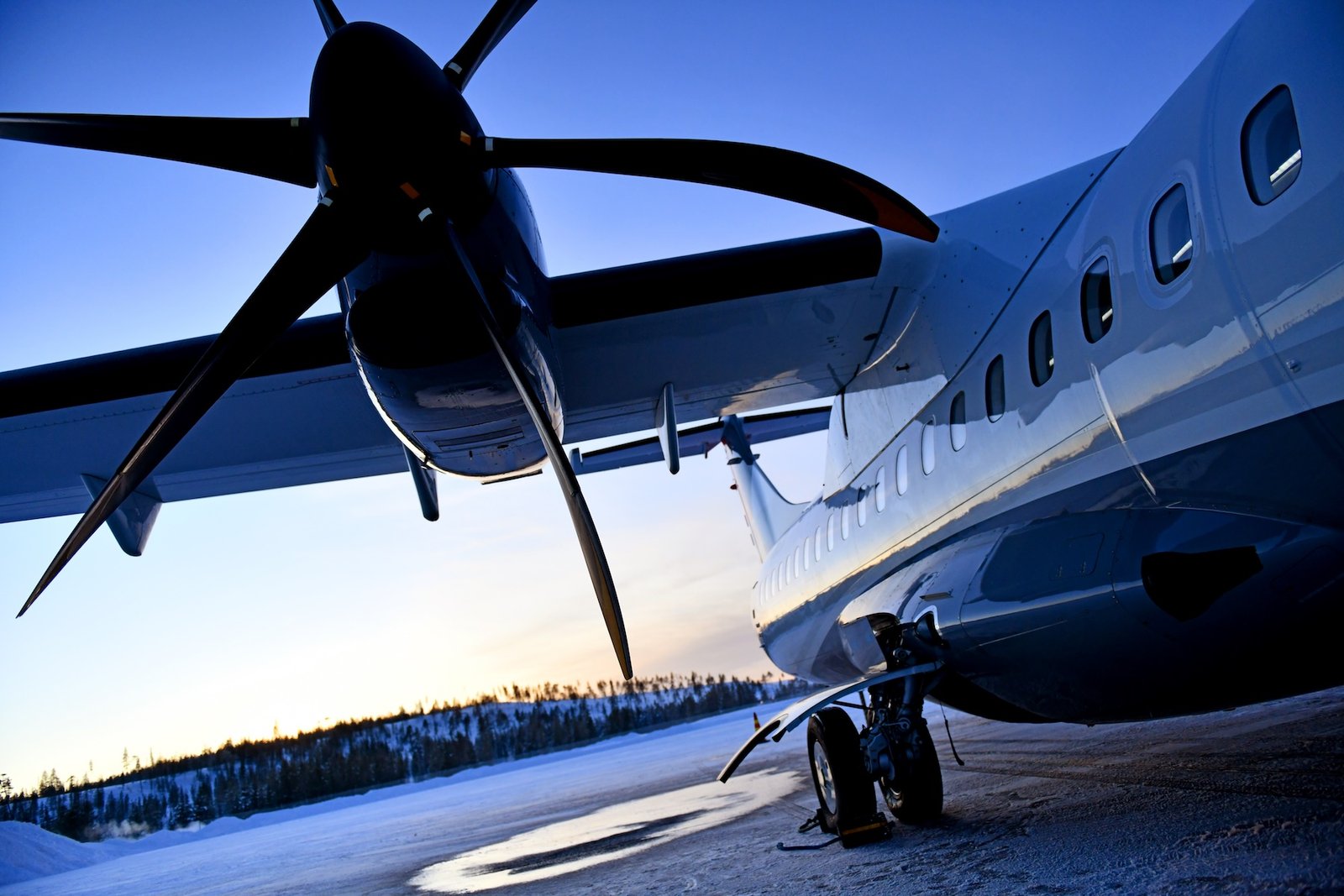
| Propeller | Rotating blade generating thrust by accelerating air backward. |
| Quadraplane | Aircraft with four or more wings, an experimental design from early aviation. |
| Radar Approach Control (RAPCON) | Facility that provides radar-guided approach, departure, and traffic services near airports. |
| Registration number | Official government-assigned ID painted on aircraft for identification. |
| Roll | Rotation about the longitudinal axis, controlled by ailerons. |
| Rudder | Vertical tail control surface managing yaw. |
| Runway | Paved or unpaved strip used for takeoffs and landings. |
| Short field | A short runway requiring specialized takeoff and landing techniques. |
| Single engine | An aircraft powered by only one engine. |
| Soft field | Grass or dirt runway requiring careful takeoff/landing techniques. |
| SQUAWK | Four-digit transponder code assigned by ATC for aircraft identification. |
| Stall | Loss of lift caused by exceeding critical angle of attack. |
| Straight flight | Flight maintaining unchanging heading and direction. |
| Tail | Rear section of aircraft (empennage) providing stability. |
| Threshold | Beginning portion of a runway available for landing. |
| Throttle | Control regulating fuel/air flow to the engine, adjusting thrust. |
| Thrust | Forward force produced by engines/propellers. |
| Torque | Rotational force from engine/propeller affecting aircraft control. |
| Tower | ATC facility managing takeoffs, landings, and local air traffic. |
| Transponder | Onboard device transmitting coded signals to ATC radar. |
| True airspeed (TAS) | Aircraft speed relative to air mass, corrected for altitude and temperature. |
| True altitude | Altitude above mean sea level (MSL). |
| Turbosupercharger (turbocharger) | Turbine-driven compressor increasing engine power and efficiency. |
| Upwind leg | Traffic pattern leg flown parallel to runway in takeoff direction. |
| Urgent condition | Non-distress emergency requiring prompt assistance (e.g., medical). Uses “Pan-Pan” call. |
| Vertical Speed Indicator (VSI) | Instrument showing rate of climb/descent (ft/min) via pressure changes. |
| Very high frequency omnidirectional range (VOR) | Ground-based radio navigation system providing bearing information. |
| Weight-shift control | Method of steering aircraft (e.g., hang gliders, ultralights) by shifting pilot’s weight. |
| Wind shear | Sudden change in wind speed/direction, hazardous during takeoff/landing. |
| Wing | Main lifting surface of an aircraft, designed to generate aerodynamic lift. |
| Wing walker | Ground crew member guiding aircraft during tight taxi movements. |
| Yaw | Side-to-side rotation around the vertical axis, controlled by rudder. |
| Yoke | Control wheel steering aircraft, mainly used in general aviation planes. |
| Zulu Time (UTC) | Coordinated universal time, used in all aviation operations and flight plans to standardize across time zones. |
Airports today are much more than travel stops. They show the growth of air travel and the progress of technology. From the largest airports in the world to the most modern ones, each plays a big role in keeping people connected. As flying continues to grow, these airports will stay important for travel and trade all over the world.
×
Would love your thoughts, please comment.




Subscribe
0 Comments
Oldest