









- From airport modernization to private airline expansion and safety reforms, every aviation minister contributed to shaping India into one of the world’s fastest-growing aviation markets.
- Ministers like Praful Patel, Murasoli Maran, Hardeep Puri, and Jyotiraditya Scindia played crucial roles in airport upgrades, regional connectivity (UDAN), international route expansion, and pandemic management.
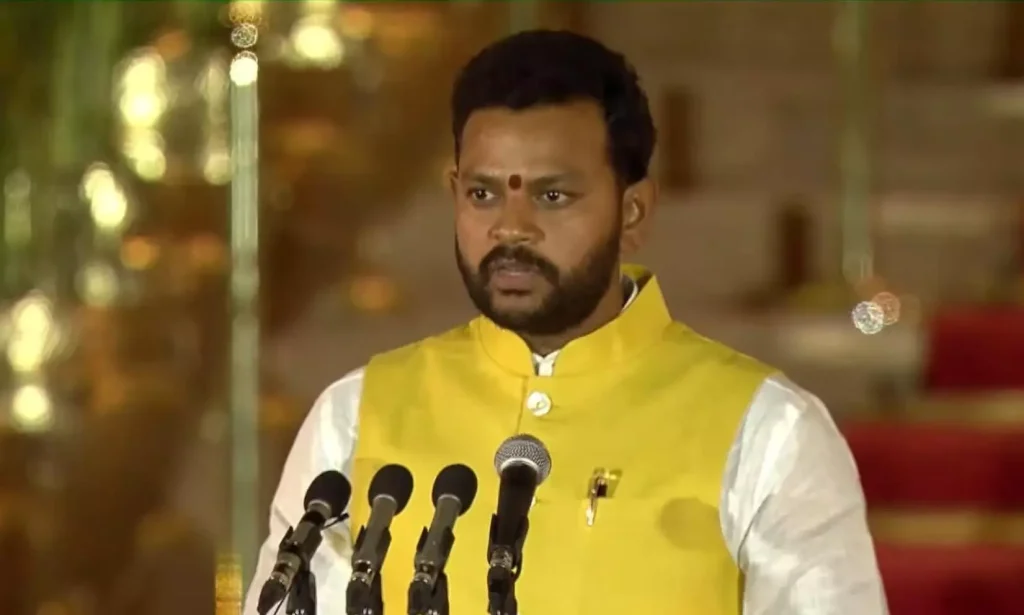
- The present aviation minister, Kinjarapu Rammohan Naidu (2024–2025), aims to make India a global aviation hub with faster airport construction, improved digital passenger experience, and modern policies for drones and cargo.
The Ministry of Civil Aviation plays one of the most strategic roles in India’s growth story. From expanding airports to improving passenger safety, the aviation minister directly influences how India connects with the world. Over the years, several leaders have held this position and shaped India’s aviation sector in meaningful ways.
This detailed article explores the complete list of Aviation Ministers of India from 1989 to 2025, their tenures, achievements, and contributions. If you are searching for a complete list of aviation ministers, Indian aviation history, or who is the current aviation minister of India, this guide covers everything.
Why the Civil Aviation Ministry Is Important?
The Civil Aviation Ministry handles:
- Airport infrastructure development
- Airline policies and regulations
- Passenger safety and security
- Airspace management
- Aviation sector investments
- Growth of regional airports (UDAN Scheme)
- International aviation agreements
With India becoming the third-largest aviation market, the decisions made by each minister leave a long-term impact on connectivity, tourism, trade, and economic growth.
Complete List of Aviation Ministers of India (1989–2025)
Below is a chronological overview along with political affiliations and key highlights during their tenure.
| S.No | Minister Name | Tenure Start | Tenure End | Party/Remarks |
| 1 | Vishwanath Pratap Singh | 2 Dec 1989 | 5 Dec 1989 | Janata Dal (3 days) |
| 2 | Arif Mohammad Khan | 6 Dec 1989 | 10 Nov 1990 | Janata Dal |
| 3 | Harmohan Dhawan (MoS) | 21 Nov 1990 | 21 Jun 1991 | Samajwadi Janata Party (Rashtriya) |
| 4 | Madhavrao Scindia | Jun 1991 | Jan 1993 | Indian National Congress |
| 5 | Ghulam Nabi Azad | Jan 1993 | May 1996 | Indian National Congress |
| 6 | V. Dhananjay Kumar | May 1996 | Jun 1996 | Bharatiya Janata Party |
| 7 | Suresh Kalmadi | 1996 | 1998 | Indian National Congress |
| 8 | Sharad Yadav | 1998 | 1999 | Janata Dal |
| 9 | Murasoli Maran | 1999 | 2004 | Dravida Munnetra Kazhagam (DMK) |
| 10 | Praful Patel | 2004 | 2011 | Indian National Congress / NCP |
| 11 | Vayalar Ravi | 2011 | 2012 | Indian National Congress |
| 12 | Ajit Singh | 2012 | 2014 | Rashtriya Lok Dal |
| 13 | Ashok Gajapathi Raju | May 2014 | Nov 2014 | Bharatiya Janata Party |
| 14 | Suresh Prabhu | Mar 2018 | May 2019 | Bharatiya Janata Party |
| 15 | Hardeep Singh Puri | May 2019 | Jul 2021 | Bharatiya Janata Party |
| 16 | Jyotiraditya M. Scindia | Jul 2021 | Aug 2024 | Bharatiya Janata Party |
| 17 | Kinjarapu Rammohan Naidu | Aug 2024 | Present (2025) | Bharatiya Janata Party |
1. Vishwanath Pratap Singh (2 Dec 1989 – 5 Dec 1989)
Party: Janata Dal
Tenure: 3 days
V.P. Singh held the aviation portfolio briefly during a government transition. While the duration was too short for major policy decisions, his term marked the beginning of a new political era with coalition governments becoming more common.
2. Arif Mohammad Khan (6 Dec 1989 – 10 Nov 1990)
Party: Janata Dal
Arif Mohammad Khan oversaw an aviation industry beginning to modernize. This period saw initial discussions around air routes expansion and improving passenger experience. His leadership came at a time when India was preparing for economic liberalization.
3. Harmohan Dhawan (MoS) (21 Nov 1990 – 21 Jun 1991)
Party: Samajwadi Janata Party (Rashtriya)**
As Minister of State, his tenure focused on administrative reforms and assisting in stabilizing aviation operations during political instability in India. His efforts supported the national carriers during a challenging economic phase.
4. Madhavrao Scindia (Jun 1991 – Jan 1993
Party: Indian National Congress
One of the most impactful aviation ministers, Scindia played a major role during early economic reforms. He focused on:
- Improving Indian Airlines operations
- Negotiating key international routes
- Enhancing safety regulations
His tenure is often remembered for helping aviation transition into a more commercially viable sector.
5. Ghulam Nabi Azad (Jan 1993 – May 1996)
Party: Indian National Congress
Ghulam Nabi Azad brought structural improvements, including early steps in airport modernization. Under his leadership, discussions around PPP (Public–Private Partnership) models in aviation began taking shape.
6. V. Dhananjay Kumar (May 1996 – Jun 1996)
Party: Bharatiya Janata Party
Though brief, his time aligned with the rise of private airlines in India. This period saw regulatory frameworks being set for future private players.
7. Suresh Kalmadi (1996 – 1998)
Party: Indian National Congress
Kalmadi worked on strengthening national aviation infrastructure. He also pushed for modernization of airports and upgrading air navigation systems.
8. Sharad Yadav (1998 – 1999)
Party: Janata Dal
Sharad Yadav’s tenure focused on operational improvements and expanding domestic connectivity. It was a time when air travel began becoming more accessible to the middle class.
9. Murasoli Maran (1999 – 2004
Party: DMK
A long and influential tenure, Maran contributed significantly to:
- Major aviation reforms
- Capacity increase at key airports
- Opening doors for greater private participation
The aviation sector saw strong growth under his leadership.
10. Praful Patel (2004 – 2011)
Party: NCP / Indian National Congress
Praful Patel is considered one of the most transformative aviation ministers in Indian history.
Key accomplishments include:
- Launch of major airport modernization projects in Delhi, Mumbai, Hyderabad, Bengaluru
- Growth in international air traffic
- Expansion of domestic airlines
- Introduction of modern safety standards and technology
His tenure marked the “aviation boom” era in India.
11. Vayalar Ravi (2011 – 2012)
Party: Indian National Congress
During his period, India focused on stabilizing national carrier Air India, which had faced significant financial challenges. He also worked on strengthening aviation safety frameworks.
12. Ajit Singh (2012 – 2014)
Party: Rashtriya Lok Dal
Ajit Singh played a major role in:
- Pushing FDI in aviation
- Improving Air India’s operational structure
- Encouraging private airline expansion
His decisions helped the sector become more investment-friendly.
13. Ashok Gajapathi Raju (May 2014 – Nov 2014)
Party: Bharatiya Janata Party
Raju began the groundwork for future aviation policies under the Modi Government, focusing on transparency, safety, and fair competition among airlines.
14. Suresh Prabhu (Mar 2018 – May 2019)
Party: Bharatiya Janata Party
His tenure accelerated:
- Regional connectivity (UDAN Scheme)
- Airport infrastructure growth
- Ease of doing business reforms
This period saw rapid improvements in civilian air travel accessibility.
15. Hardeep Singh Puri (May 2019 – Jul 2021)
Party: Bharatiya Janata Party
A crucial tenure, especially during the COVID-19 pandemic, where he led:
- Vande Bharat Mission, evacuating millions of Indians
- Revival strategies for airlines
- Critical health and safety protocols for aviation
His leadership was vital in stabilizing aviation during global uncertainty.
16. Jyotiraditya M. Scindia (Jul 2021 – Aug 2024)
Party: Bharatiya Janata Party
Scindia’s impact on aviation has been significant:
- Record-breaking airport development
- Increased domestic and international routes
- Massive expansion under the UDAN scheme
- India becoming one of the fastest-growing aviation markets
His focus on growth, rebuild, and modernization created long-term structural improvements.
17. Kinjarapu Rammohan Naidu (Aug 2024 – Present 2025)
Party: Bharatiya Janata Party
India’s youngest-ever aviation minister, Rammohan Naidu represents a new generation of leadership. His priorities include:
- Faster airport construction
- Making India a global aviation hub
- Strengthening airline competition
- Supporting cargo and drone policy modernization
- Enhancing digital passenger experience
Under his leadership, the industry is expected to grow rapidly with a focus on innovation and technology.
Growth of India’s Aviation Sector Over the Years
1. Airport Expansion
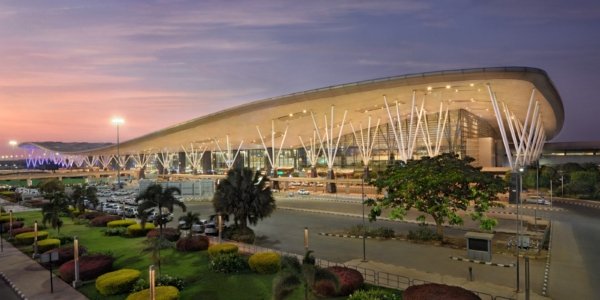
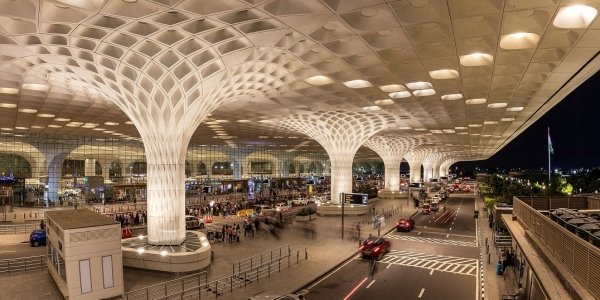
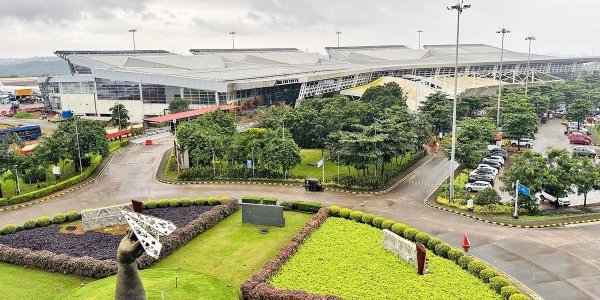
India now has 150+ airports, compared to just 50 in the 1990s. Many were built or modernized under ministers like Praful Patel, Scindia, and Hardeep Puri.
2. Rise of Private Airlines
Jet Airways, IndiGo, SpiceJet, Vistara, and Akasa Air grew under policy frameworks created over decades.
3. Better Passenger Experience
Modern terminals, digital check-ins, and smoother flight operations have improved travel quality.
4. Increased Global Connectivity
India now connects directly to major destinations in Europe, the USA, and the Middle East.
5. UDAN Scheme Success
Tier 2 and Tier 3 cities like Jharsuguda, Darbhanga, and Hubballi got airports, improving regional travel.
Conclusion: How Indian Aviation Evolved Through Leadership
From V.P. Singh’s brief term to the modern leadership of Rammohan Naidu, Indian aviation has come a long way. Each minister contributed to strengthening infrastructure, improving connectivity, and supporting the country’s economic growth.
Today, India stands as one of the fastest-growing aviation markets in the world, thanks to consistent policy-making, modernization, and visionary leadership.
If you’re researching aviation ministers of India, current aviation minister, or history of civil aviation in India, this comprehensive timeline gives a complete understanding from 1989 to 2025.