









Bengaluru and Frankfurt Airports Sign MoU to Strengthen India–Europe Air Cargo Corridor

- Kempegowda International Airport (BLR) and Frankfurt Airport have signed an MoU to enhance air cargo connectivity, combining BLR’s fast-growing South India freight hub with Frankfurt’s major European gateway to improve trade flows between the two regions.
- The partnership aims to align cold-chain standards, improve pharmaceutical handling, and reduce cargo dwell times through coordinated processes and digital systems—supporting high-value exports such as medicines, agri-perishables and e-commerce shipments.
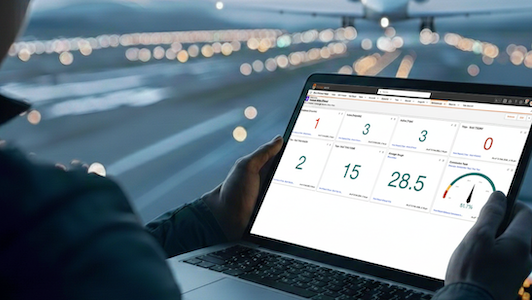
- Both airports plan to develop digital cargo corridors, integrated data systems and joint trade-lane analytics to enhance transparency, streamline documentation and optimise freighter deployment as India–Europe trade volumes expand.

In a significant move for India–Europe trade, Kempegowda International Airport Bengaluru (BLR Airport) and Frankfurt Airport have signed a strategic Memorandum of Understanding (MoU) to enhance air cargo connectivity between South India and Europe. The agreement was formalised on the sidelines of Air Cargo India 2026 in Mumbai.
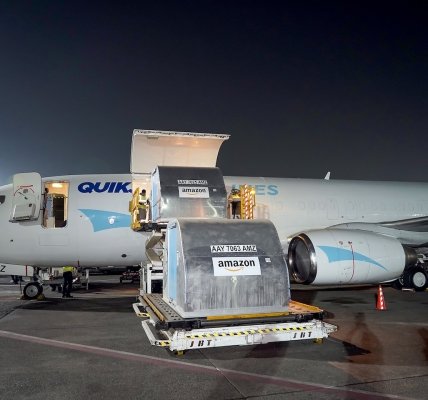
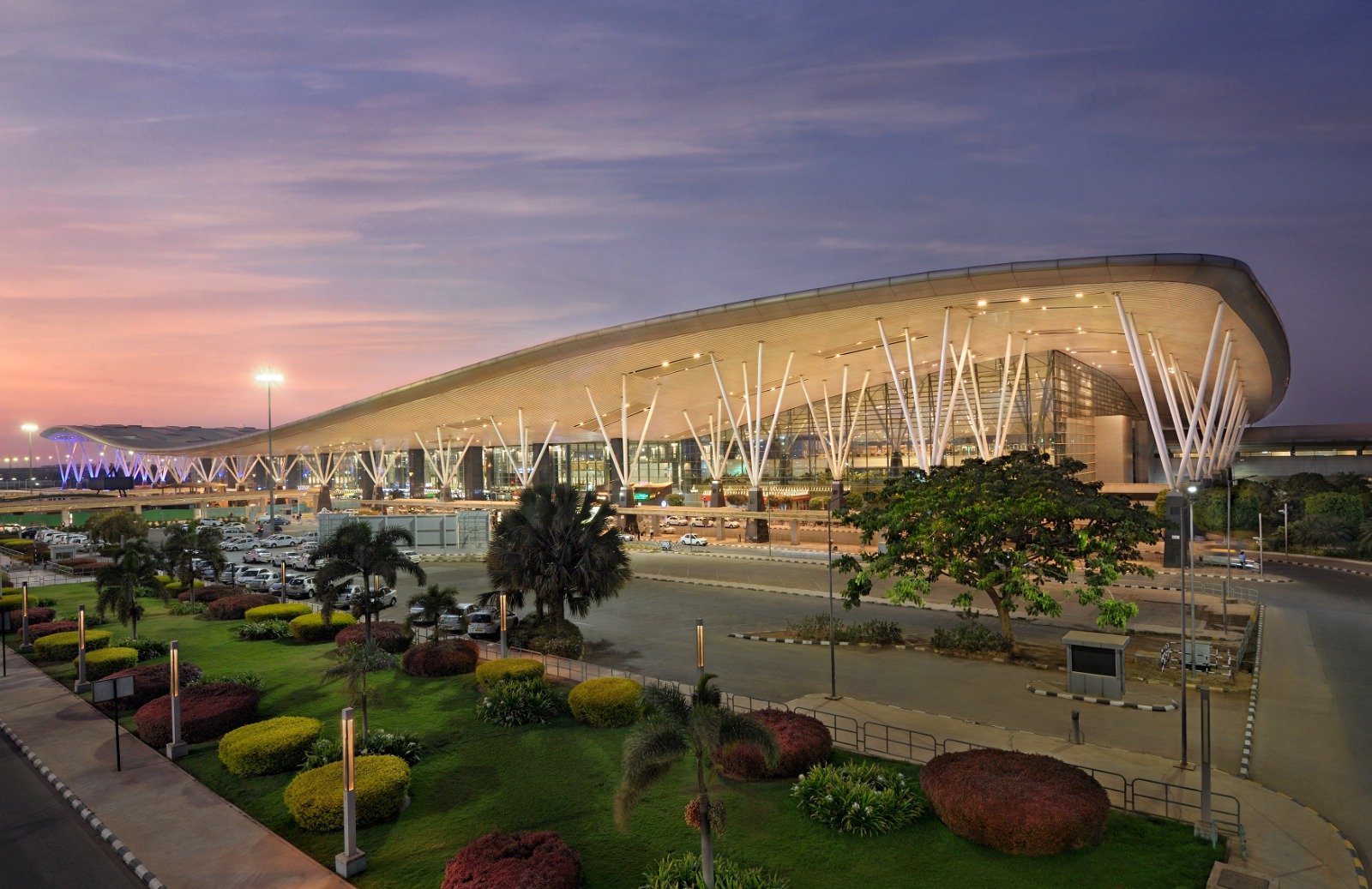
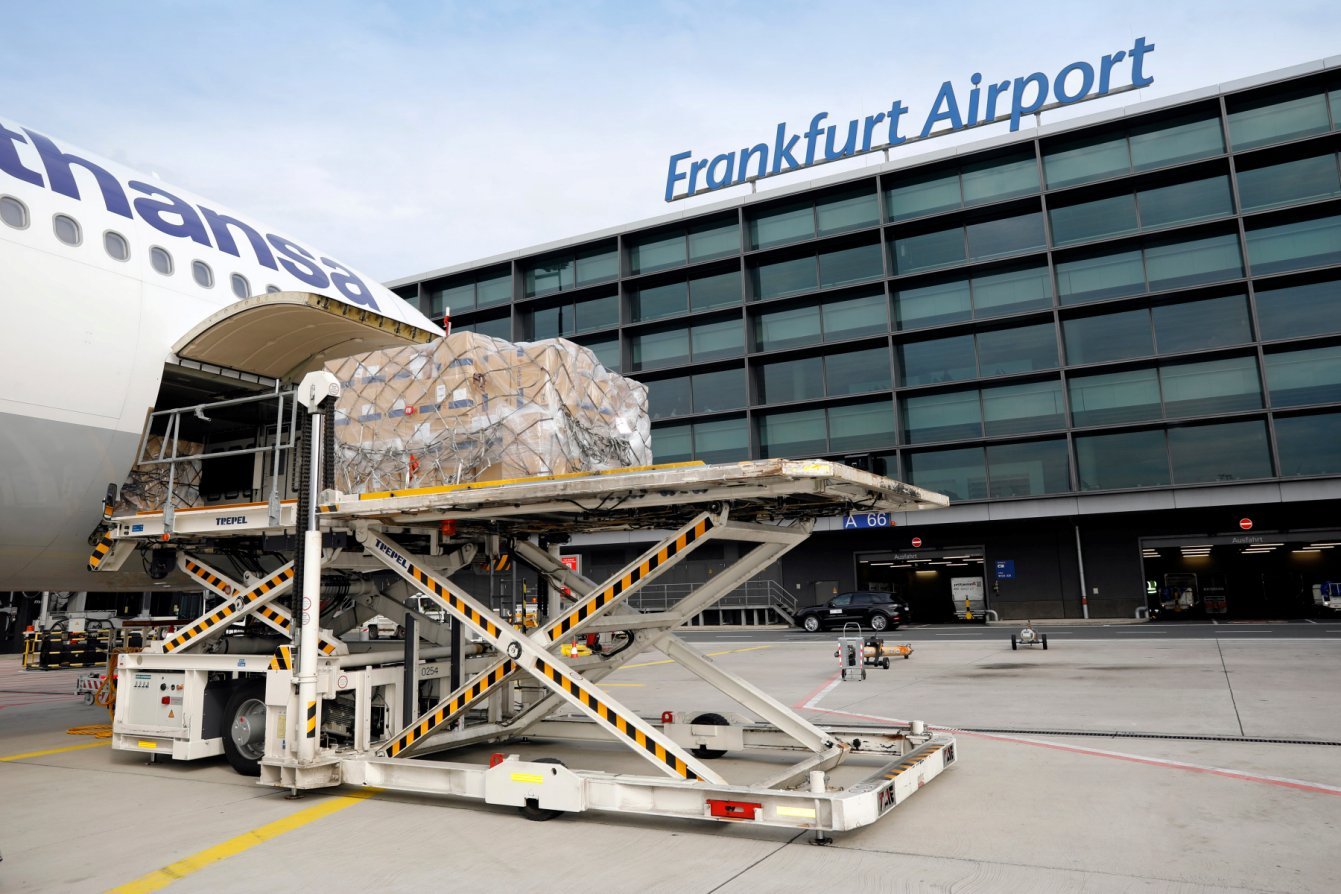
The partnership brings together two major cargo gateways. Kempegowda International Airport is one of India’s fastest-growing freight hubs. Frankfurt Airport is among Europe’s leading cargo airports. Together, they aim to build a stronger and more efficient trade corridor.
Bengaluru airport handled 520,985 metric tonnes of cargo in 2025, marking a 5% increase over the previous year. The growth reflected rising demand across sectors such as agri-perishables, pharmaceuticals, auto parts, electronics and e-commerce shipments. Frankfurt Airport handled around 2.1 million metric tonnes of cargo (including air freight and airmail) in 2025, a 1.1 % year-on-year increase.
The MoU focuses on joint trade lane analytics, development of digital cargo corridors, knowledge exchange and alignment of best practices. A key component is maintaining high pharmaceutical handling standards. The objective is to make cargo move faster; make systems more predictable; reduce bottlenecks; and improve visibility across the supply chain.

The MoU seeks to align cold-chain standards between the two airports. This will help ensure smoother movement of vaccines, life-saving drugs and speciality medicines. Pharmaceutical exports from India overall exceeded US $21 billion in FY 2024-25, and BLR Airport is one of the primary gateways for such high-value, temperature-controlled pharmaceutical exports from South India and handles these consignments using dedicated cold chain and Customs facilities, including on-airport drug testing labs and certified temperature-controlled storage.
Perishables are another important segment. For Valentine’s Day, it shipped around 60 million rose stems, weighing more than 2,700 tonnes, across 26 international destinations, a 64 per cent rise in tonnage, reinforcing the Airport’s position as India’s leading gateway for perishable exports for five consecutive years. During the June–November 2025 season, BLR Airport managed 5,904 metric tonnes of coriander, reflecting a 13% year-on-year growth.
Cargo Dwell Times
Coordinated processes and improved data sharing have reduced dwell times at terminals, translating into better product quality upon arrival. Recent operational data shows that dwell times have improved significantly with digitalisation and process optimisation. According to terminal performance reports the export cargo dwell time is approximately 13 hours and the import cargo dwell time is about 43 hours. These figures reflect the average time cargo remains within airport facilities before being uplifted (exports) or cleared and released (imports).
These improved dwell times are a result of technology-driven workflows, advanced cargo community systems, and process integration between airlines, handlers, customs and logistics partners.
On the other hand, Frankfurt Airport, being one of Europe’s most efficient cargo hubs, has significantly lower dwell times compared to many Indian gateways. The typical export cargo dwell time is around 6 hours. This benchmark is cited in global comparisons of logistics performance across major airports including Singapore, Dubai and Hong Kong.
Freight forwarders stand to gain from improved predictability. Reduced dwell times mean lower warehousing costs. Better tracking enhances customer confidence. Clearer processes also simplify compliance requirements.

Digital Corridors
Digitalisation is central to the partnership. Both airports plan to explore integrated data systems. This includes improved tracking and streamlined documentation. Digital corridors can reduce paperwork and manual intervention. They can also improve transparency for freight forwarders and shippers. Joint analytics will help identify high-growth trade lanes. It will also allow both airports to plan capacity more effectively. Airlines can adjust freighter deployments based on clearer demand patterns.
The timing of the MoU is significant. Trade between India and Europe is expanding. The recently concluded EU–India Free Trade Agreement is expected to further increase cargo volumes. Efficient logistics infrastructure will be essential to handle that growth.

Frankfurt, a major European distribution hub, offers extensive connectivity across the continent and beyond. By strengthening ties with Bengaluru, it gains deeper access to India’s southern manufacturing belt. For Bengaluru, Frankfurt provides a powerful gateway into Europe’s consumer and industrial markets. The agreement is expected to benefit airlines as well. Improved coordination may lead to better slot management and ground handling efficiency. Faster turnaround times make routes more commercially viable. That, in turn, can attract additional freighter services.
The MoU also opens the door to future innovation. Both sides have indicated interest in advanced technologies. These may include blockchain-enabled documentation and AI-driven cargo flow management. Such tools could further cut delays and enhance transparency.
With this MoU, Bengaluru and Frankfurt are positioning themselves as aligned partners in a growing India–Europe air cargo corridor. The real impact will be measured in tonnes moved, hours saved and markets reached.
Also Read: An eVTOL Program Built on India’s Ground Realities