













Table of contents
Boeing 767 F
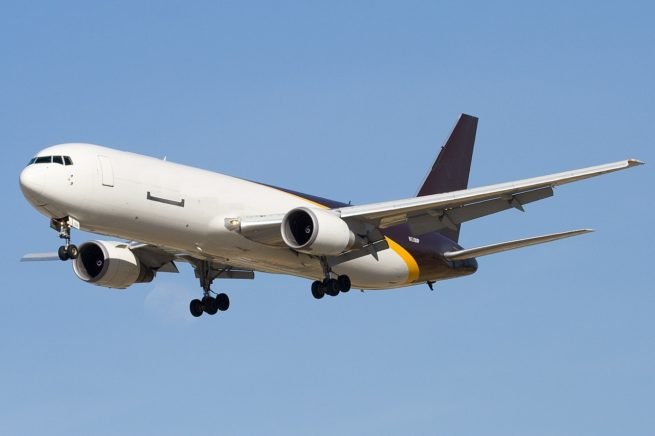
In the cargo aviation industry, the Boeing 767 Freighter (767F) has shown to be a highly adaptable and dependable platform, filling the gap between giant widebody freighters and smaller single-aisle aircraft. The 767F is now a crucial tool for cargo carriers like FedEx, UPS, and Amazon, who depend on its payload capacity, range, and fuel efficiency to satisfy their expanding logistical needs as the world’s air freight demand rises due to e-commerce and just-in-time logistics. Few other freighters can match the balance this aircraft offers between capacity and operating expenses thanks to its combination of a roomy cargo hold and fuel-efficient design.
An early version of the popular 767 passenger plane, which made its debut in 1981, was the 767F, which Boeing first introduced. Subsequently, the 767F has emerged as one of the most extensively utilised freight aircraft globally, especially with express couriers like FedEx, UPS, and DHL. The 767 family’s freighter variant, most notably the 767-300F, is well known for its capacity to fly on medium- and long-haul routes, which enables it to be utilised in a range of operating scenarios.
The Boeing 767-300F’s main operator, FedEx, recently commemorated a momentous occasion by welcoming its 100th of these aircraft. This accomplishment highlights the 767 Freighter’s appeal and dependability, particularly in the express shipment industry, where FedEx counts on the aircraft’s adaptability to sustain its extensive global logistics network.
Cargo Flexibility and Configuration
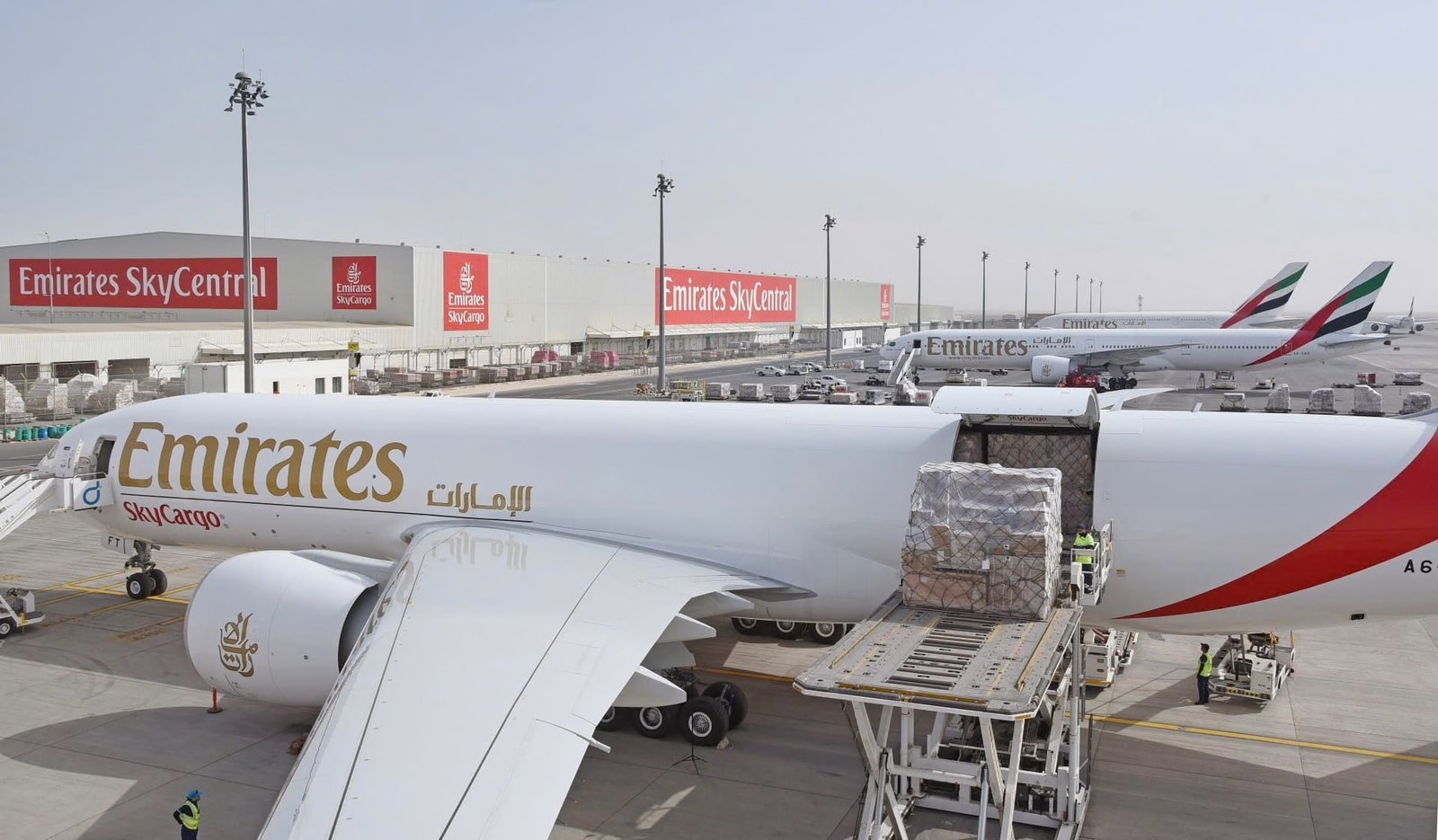
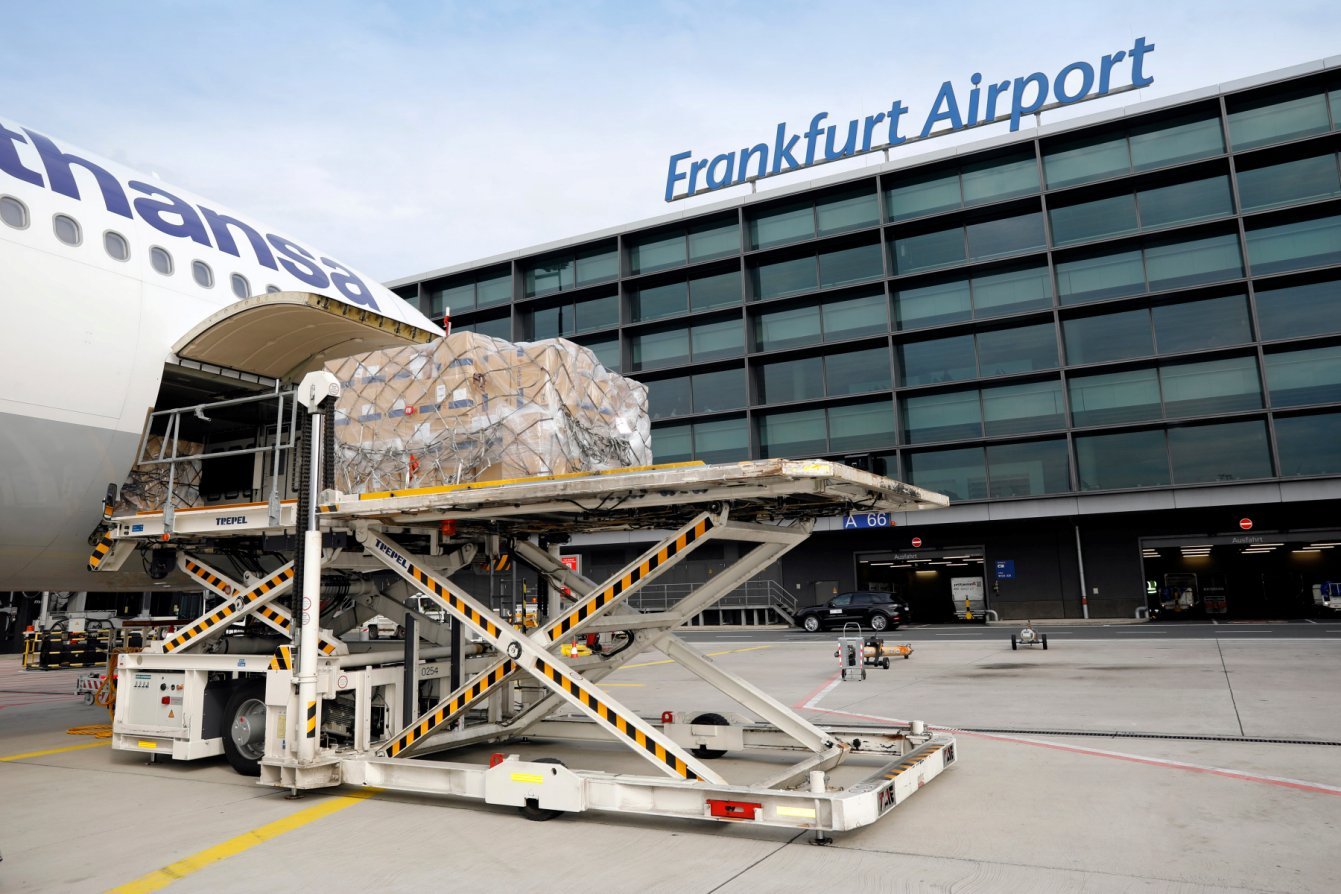
One of the key features of the Boeing 767 Freighter is its ability to carry a wide variety of cargo types, from standard shipping containers to oversized goods. The main deck offers ample space for large, bulky shipments, while the lower hold can accommodate additional cargo, making it ideal for high-volume shipments. The aircraft’s main deck can carry up to 24 standard 88-inches x 125-inch Palette, with a cargo door that simplifies loading and unloading.
The 767F’s efficient cargo configuration allows operators to maximise payload capacity without compromising performance. The freighter’s widebody design ensures that cargo can be securely loaded and transported with minimal risk of damage during transit. Additionally, the aircraft’s reliable and fast turnaround times make it an attractive option for express carriers that prioritise speed and efficiency.
Performance
The exceptional fuel efficiency and operational flexibility of the Boeing 767 Freighter have been key to its success. With Pratt & Whitney PW4000 or General Electric CF6 engines, the 767F achieves impressive fuel burn performance, thereby cutting operational costs for airlines and leaving a smaller environmental footprint. This efficiency is particularly crucial for cargo carriers, given that fuel costs make up a significant portion of overall operating expenses in the industry.
The aircraft’s capability to cover long distances with full payloads makes it a valuable asset for logistics companies aiming to optimize their routes. Boasting a range of over 3,255 nautical miles, the 767F can undertake long-haul routes between major cargo hubs, linking continents without the need for frequent fuel stops. This not only reduces transit times but also decreases the likelihood of delays, which is crucial for industries relying on fast and dependable air freight.
Technology and Environmental Sustainability
The 767 Freighter by Boeing integrates various technological advancements to ensure compliance with contemporary environmental and operational standards. The aircraft’s engines are specifically designed to meet strict noise and emissions regulations, enabling operations at noise-sensitive airports and in regions with stringent environmental requirements.
Furthermore, the aircraft’s sophisticated avionics system enhances operational safety and efficiency, offering pilots real-time data and situational awareness. These systems reduce pilot workload and enhance flight performance, ensuring the 767F’s safe and reliable operation in diverse conditions.
Regarding sustainability, the Boeing 767 Freighter demonstrates Boeing’s dedication to minimising the environmental impact of its aircraft. By incorporating fuel-efficient engines and aerodynamic improvements, Boeing has successfully reduced the 767F’s fuel consumption and CO2 emissions, aligning with global initiatives to address climate change. Moreover, the aircraft’s reduced noise footprint enables operations in urban areas and at airports with strict noise restrictions, enabling operators to expand their reach without adversely impacting local communities.
FedEx and the Boeing 767F: A Partnership for Success
FedEx, as the largest operator of Boeing 767-300 Freighters, has built a strong relationship with Boeing to support its global logistics operations. The delivery of FedEx’s 100th 767-300F in 2024 represents a significant milestone in the company’s efforts to modernise its fleet and improve operational efficiency. The 767F has proven to be an indispensable tool for FedEx, enabling the company to meet the increasing demand for global shipping while reducing fuel costs and minimising its environmental impact.
FedEx’s use of the 767F is part of a broader fleet modernisation strategy aimed at enhancing the sustainability of its operations. The aircraft’s fuel-efficient engines, coupled with its ability to carry large volumes of cargo, make it an ideal choice for an environmentally conscious company seeking to reduce its carbon footprint. Additionally, the aircraft’s range allows FedEx to operate direct flights between major cargo hubs, reducing the need for stopovers and further improving efficiency.
Specifications
The Boeing 767 Freighter is equipped with features that enable it to carry large amounts of cargo while maintaining operational efficiency.
| Feature | Details |
|---|---|
| Payload | 52,480 kg (115,700 lbs) |
| Range | 3,255 nautical miles |
| Length | 54.94 m (180 ft 3 in) |
| Wingspan | 47.57 m (156 ft 1 in) |
| Height | 15.85 m (52 ft) |
| Maximum Takeoff Weight | 186,880 kg (412,000 lbs) |
| Engines | Pratt & Whitney PW4000 / General Electric CF6 |
| Maximum Fuel Capacity | 90,770 litres (23,980 gallons) |
| Cargo Volume | 438 cubic meters (15,469 cubic feet) |
The 767 Freighter’s spacious fuselage can accommodate standard cargo containers and pallets on both the main deck and lower hold. Its high payload capacity and range make it well-suited for transporting time-sensitive goods, including express shipments, perishable items, and medical supplies, to destinations across the globe. Furthermore, the aircraft’s versatility allows it to be used in various markets, including domestic and international air freight.
Takeaways
The global air cargo industry greatly relies on the Boeing 767 Freighter due to its exceptional blend of efficiency, performance, and flexibility. With its capacity to transport heavy loads across long distances and its fuel-efficient design and advanced technology, it is expected to remain an essential component of global logistics networks for many years to come.
As the demand for air cargo continues to increase, driven by the rapid growth of e-commerce and the necessity for fast, dependable shipping solutions, the 767F will continue to be crucial for carriers such as FedEx, UPS, and Amazon. With its established track record, the Boeing 767 Freighter is poised to remain one of the most dependable and effective freighters in the industry, assisting operators in addressing the challenges of a swiftly evolving global marketplace.