















Boeing 777
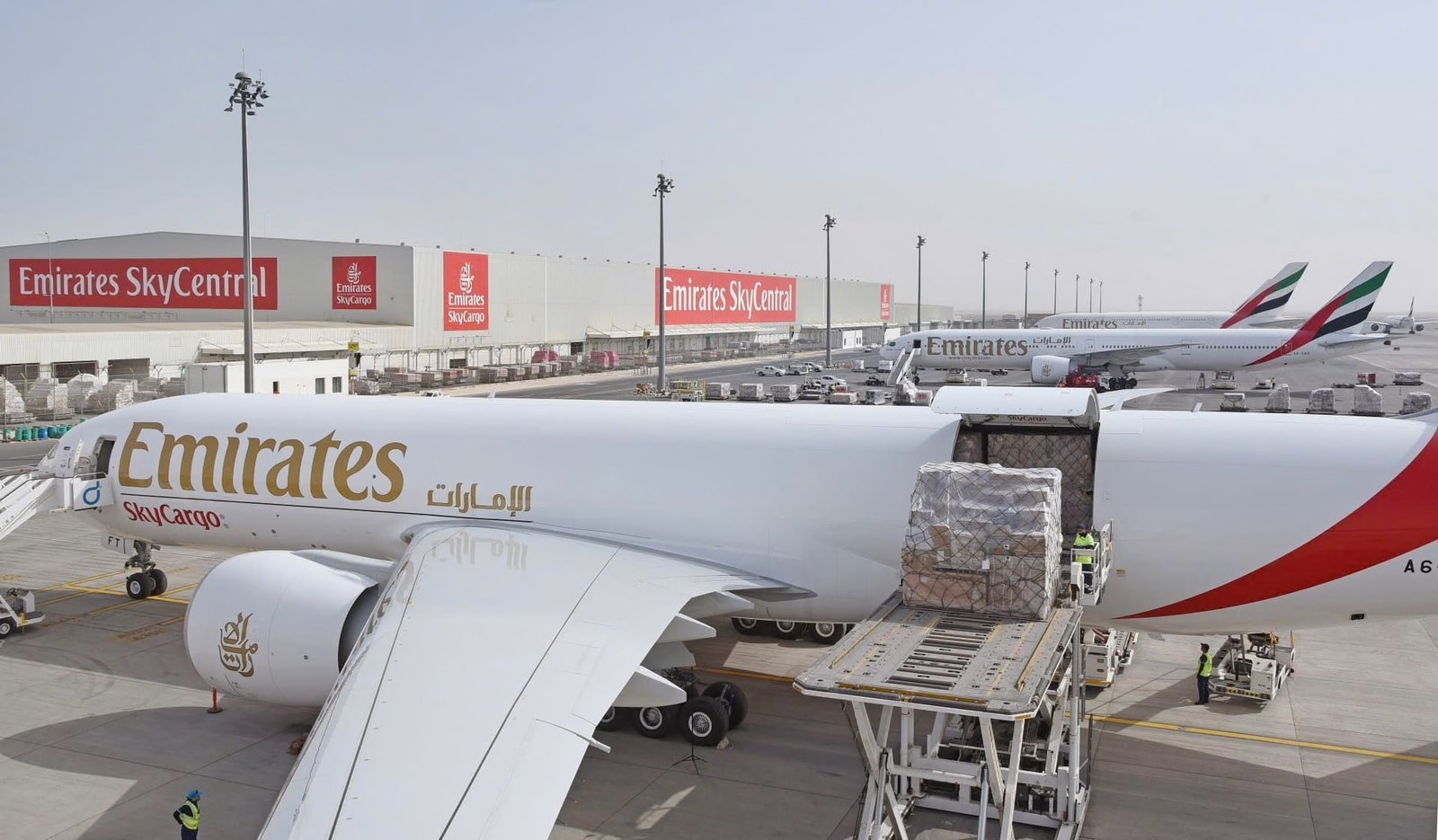
The Boeing 777 family has established itself as a significant player in long-haul international aviation. Since its introduction in the 1990s, the 777 has consistently been at the forefront of wide-body aircraft design, serving airlines and passengers across the globe.
With continuous improvements, such as enhanced aerodynamics, more powerful and efficient engines, and innovative cabin features, the Boeing 777 continues to lead in performance on some of the world’s most demanding and lucrative routes. Its models like the 777-200LR and 777-300ER are among the most widely used aircraft for long-distance travel, offering airlines flexibility in network planning and operational efficiency.
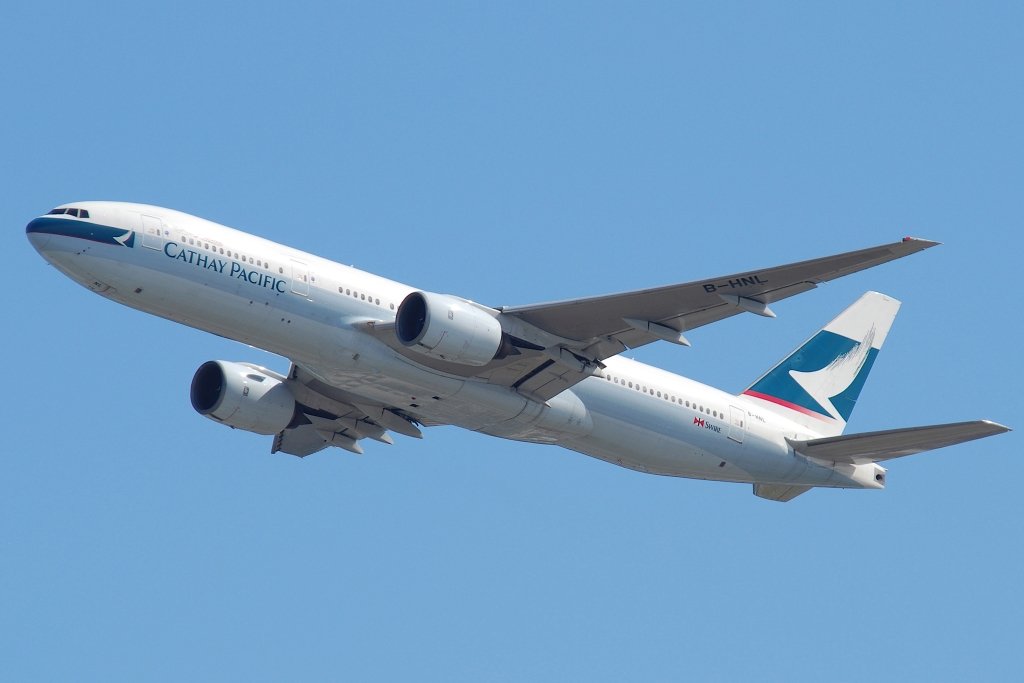
The Boeing 777 was developed in response to airlines’ need for a large-capacity, twin-engine, long-haul aircraft capable of replacing older wide-body models like the Boeing 747. Designed in collaboration with multiple major airlines such as United Airlines, British Airways, and Cathay Pacific, the 777 family addressed the demand for an aircraft with better fuel economy, higher reliability, and enhanced passenger comfort.
Launched in 1995 with the 777-200 model, the series quickly grew, with more variants like the 777-200ER, 777-300, and later, the ultra-long-haul 777-200LR and extended-range 777-300ER. These models have revolutionised international air travel, providing the capacity to fly non-stop on some of the world’s longest routes.
Boeing 777: Cabin Experience
Passenger comfort has always been a priority for the 777 series, particularly as the aircraft is designed for long-haul flights where passengers can spend upwards of 15-17 hours in the air. The cabin on the 777 is one of the widest of any aircraft, allowing airlines the flexibility to configure seating in a way that optimises comfort across all classes, from economy to first class.
The wide body allows for a spacious 9 or 10-abreast seating configuration in economy class, while still leaving enough room for premium seating in business and first classes. Airlines like Emirates and Singapore Airlines, which have some of the largest 777 fleets, have taken full advantage of the 777’s spacious cabin to install cutting-edge business and first-class suites, complete with lie-flat beds, privacy partitions, and direct aisle access.
The 777’s cabin is equipped with some of the most advanced in-flight entertainment (IFE) systems available. Boeing’s Signature Interior for the 777 includes larger windows, LED mood lighting, and spacious overhead bins, creating a more pleasant and efficient experience for both passengers and cabin crew.
Airlines are also integrating wireless streaming services and Wi-Fi connectivity into the aircraft. Emirates, for instance, offers Wi-Fi throughout its 777 fleet, allowing passengers to stay connected even on ultra-long-haul flights. In addition to traditional in-flight entertainment screens, airlines are offering BYOD (bring your own device) streaming services that allow passengers to use their personal devices to access the airline’s entertainment system, ensuring seamless digital experiences.
Boeing 777: Performance
The performance of the Boeing 777 series is central to its dominance in long-haul aviation. Equipped with highly efficient engines, the 777 models are capable of covering vast distances, often without the need for refuelling stops. This range capability has allowed airlines to open up new ultra-long-haul routes, providing direct connections between cities that were previously out of reach.
The 777-300ER (Extended Range) is one of the most popular variants. Powered by the world’s most powerful commercial engine, the GE90-115B, this aircraft delivers over 115,000 pounds of thrust, enabling it to carry up to 396 passengers over distances of 7,370 nautical miles (13,649 km). Its range allows airlines to connect major hubs such as New York and Hong Kong or London and Sydney without stopping. The 777-300ER’s performance is further enhanced by its advanced wing design and lightweight materials, which reduce drag and increase fuel efficiency.
The 777-200LR (Longer Range), meanwhile, is the true ultra-long-haul champion. Capable of flying distances up to 8,555 nautical miles (15,843 km), this aircraft can connect far-reaching cities like Doha and Auckland or Chicago and Hong Kong without interruption. The 777-200LR’s superior fuel capacity and range make it ideal for these extreme long-haul routes, helping airlines maintain competitive edge and operational efficiency.
Boeing 777: Technology (Engines and Avionics)
The series employs cutting-edge technology in both its engines and its avionics. The GE90 engines, developed by GE Aviation specifically for the 777 series, are marvels of engineering. The GE90-115B, which powers the 777-300ER and 777-200LR, holds the record for the most powerful jet engine ever built. Its design includes composite fan blades and a high-pressure core, improving fuel efficiency and reducing emissions while providing the necessary thrust for long-haul flights.
The aircraft’s flight deck features a fully digital glass cockpit with large multi-function displays, providing pilots with real-time data on engine performance, fuel usage, and weather conditions. These advanced avionics systems include satellite navigation, autopilot systems, and real-time communication tools, all of which contribute to safer, more efficient flights.
In addition to the Electronic Flight Bag (EFB), which gives pilots crucial information about the flight and aircraft systems, the aircraft is equipped with fly-by-wire technology that improves aircraft control and reduces pilot workload. The plane also incorporates advanced safety systems such as the Traffic Collision Avoidance System (TCAS) and enhanced weather radar, enabling it to navigate challenging conditions more effectively.
Championing Cleaner, Greener Travel
As airlines seek to reduce their carbon footprint, the Boeing 777 has evolved to meet stringent environmental regulations. The aircraft’s composite materials and advanced aerodynamics contribute to reduced fuel burn, lower noise levels, and fewer emissions. According to Boeing, the 777-300ER consumes up to 20 per cent less fuel per seat than older four-engine wide-body aircraft like the 747-400, making it a more environmentally friendly option for long-haul flights.
This fuel efficiency not only helps airlines meet global sustainability targets but also translates into lower operating costs, which is a crucial consideration in today’s highly competitive aviation market. By reducing emissions and increasing fuel efficiency, the 777 helps airlines minimise their environmental impact while maintaining profitable operations.
Boeing 777: Specifications
| Feature | 777-200LR | 777-300ER |
|---|---|---|
| Seating Capacity | 317 (2-class configuration) | 396 (2-class configuration) |
| Range (nm / km) | 8,555 nm (15,843 km) | 7,370 nm (13,649 km) |
| Overall Length | 63.7 m (209 ft 1 in) | 73.9 m (242 ft 4 in) |
| Wingspan | 64.8 m (212 ft 7 in) | 64.8 m (212 ft 7 in) |
| Height | 18.6 m (61 ft 1 in) | 18.5 m (60 ft 8 in) |
| Maximum Takeoff Weight | 347,450 kg (766,800 lbs) | 351,530 kg (775,000 lbs) |
| Engine | GE90-115BL | GE90-115BL |
| Cruising Speed | Mach 0.84 | Mach 0.84 |
| Fuel Capacity | 202,570 litres | 202,570 litres |
Takeaways
The Boeing 777 family represents the pinnacle of long-haul aviation. With its impressive range, fuel efficiency, and superior passenger comfort, the 777 series has set a high bar for wide-body aircraft. Its ability to connect major, high-demand global destinations with fewer stops makes it a favourite among airlines and travellers alike.
The primary differences between the Boeing 777-200 and 777-300 models lie in their size, capacity, and range. The 777-200LR is a smaller aircraft with a maximum seating capacity of 317 passengers and a range of 8,555 nautical miles, making it suitable for ultra-long-haul flights. On the other hand, the 777-300ER is a stretched version, with a seating capacity of up to 396 passengers and a range of 7,370 nautical miles. While the 777-300ER carries more passengers, the 777-200LR boasts a longer range, ideal for connecting remote international cities.
With the introduction of the 777X, Boeing continues to push the boundaries of aviation technology, offering unmatched fuel efficiency, reduced emissions, and extended operational range.